Change Lawn Mower Oil in 6 Easy Steps
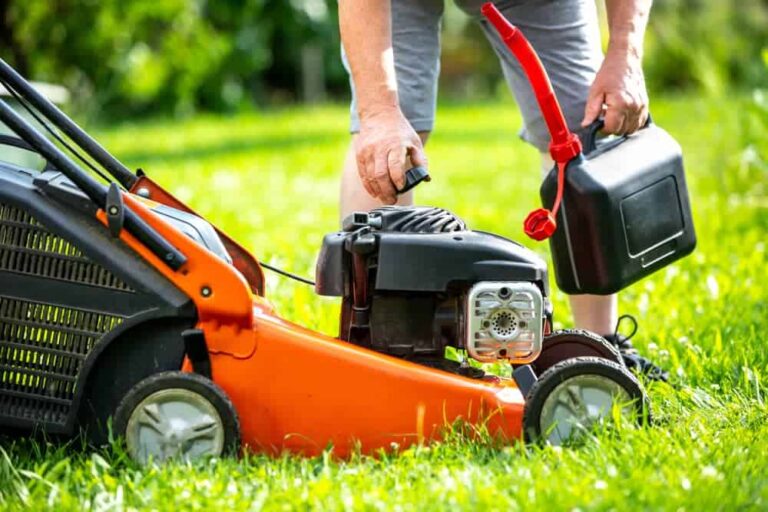
To change your lawn mower oil in 6 easy steps, start by gathering the right tools, fresh oil, and a drain pan. Proper lawn mower maintenance, including regular oil changes, is essential for keeping your mower running smoothly and extending its lifespan.
Next, prepare your mower on a flat, cool surface, and disconnect the spark plug for safety. This ensures you avoid any accidental starts during the oil change process.
Then, drain the old oil completely, replacing the oil filter if your mower has one.
Finally, add the correct new oil, check levels carefully, and clean up properly. Keep going to master each step and keep your mower running smoothly.
Regular oil changes help maintain engine performance and prevent costly repairs.
Key Takeaways
- Gather necessary tools: fresh oil, drain pan, wrench, funnel, gloves, and rags for a clean and safe oil change.
- Position mower on flat ground, cool engine, disconnect spark plug, and clear debris around oil parts.
- Drain old oil completely by loosening drain plug or oil cap, then dispose of used oil properly.
- If applicable, remove and replace the oil filter, ensuring the gasket is lightly oiled before installation.
- Add correct oil type gradually, check levels with dipstick, avoid overfilling, and securely tighten the fill cap.
Gather Tools and Materials for Your Oil Change
Before you start changing your lawn mower oil, make sure you’ve gathered all the necessary tools and materials. You’ll need fresh oil that matches your mower’s specifications—check your owner’s manual to be sure. Grab a clean oil drain pan to catch the old oil, preventing spills and messes.
Have a wrench or socket set ready to remove the drain plug and oil fill cap. A funnel will help you pour new oil without spilling. Don’t forget disposable gloves to keep your hands clean and some rags or paper towels for wiping up any drips.
Finally, consider having an oil filter wrench if your mower has an oil filter that needs replacement. Having everything on hand before you begin will make the process smoother and quicker.
Prepare Your Lawn Mower Before Changing Oil
Once you’ve gathered all your tools and materials, you’ll want to get your lawn mower ready for the oil change. First, make sure the mower is on a flat surface and the engine is cool to avoid burns. Next, disconnect the spark plug wire to prevent accidental starts.
Remove any debris or grass clippings around the oil cap and drain plug to keep dirt from entering the engine. Finally, tilt the mower carefully if needed, following the manufacturer’s instructions.
| Step | Purpose |
|---|---|
| Flat Surface | Ensures stability |
| Cool Engine | Prevents burns |
| Disconnect Spark Plug | Safety precaution |
| Clean Surroundings | Avoids contamination |
| Proper Tilting | Facilitates oil drainage safely |
Safely Drain Old Oil From Your Mower
Although draining oil might seem messy, you can do it quickly and cleanly by following the right steps. First, make sure your mower is on a flat surface and the engine is cool to avoid burns. Place an oil pan or container beneath the oil drain plug or spout.
Loosen the drain plug carefully with a wrench or remove the oil fill cap to allow air in, helping the oil flow out smoothly. Let all the old oil drain completely—this usually takes a few minutes. Avoid tipping the mower too much to prevent oil spills.
Once drained, wipe the drain area clean with a rag to catch any drips. Properly dispose of the used oil by taking it to a recycling center or auto shop.
Replace the Oil Filter (If Your Mower Has One)
After you’ve drained the old oil and cleaned the drain area, check if your lawn mower has an oil filter. Not all models do, so consult your owner’s manual to be sure. If there is one, locate the filter—usually near the engine block.
Use an oil filter wrench or your hand to unscrew it counterclockwise. Be prepared for some residual oil to spill, so have a rag or container handy. Once removed, wipe the filter mounting surface clean to guarantee a proper seal for the new filter.
Lightly coat the rubber gasket on the new filter with fresh oil to help it seal better and prevent leaks. Screw the new filter in by hand until snug, then tighten it about three-quarters of a turn more. Avoid over-tightening to prevent damage.
Add Fresh Lawn Mower Oil and Check Levels
Now it’s time to add fresh oil, but make certain you choose the right type for your mower.
Pour the oil carefully to avoid spills, then check the level with the dipstick to ensure it’s just right.
This step keeps your engine running smoothly and prevents damage.
Choosing The Right Oil
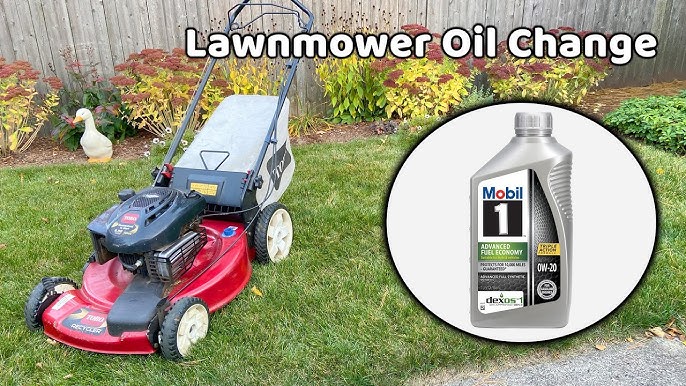
When choosing the right oil for your lawn mower, you’ll want to take into account the manufacturer’s recommendations to guarantee peak performance. Most lawn mowers require SAE 30 oil for warmer temperatures, while 10W-30 is better if you’re using the mower in cooler weather or year-round. Synthetic oils can offer longer engine life and better protection, but check if your mower’s warranty allows their use.
Avoid using automotive oils labeled for higher-mileage vehicles, as they may not suit small engines. Also, look for oils labeled “for small engines” or “lawn mower oil” to ensure proper viscosity and additives. Using the correct oil helps your mower run smoothly and extends engine life, so don’t skip this important step before adding fresh oil and checking levels.
Adding Oil Properly
To add oil properly, start by placing your mower on a flat surface to guarantee an accurate reading. Next, follow these steps to add fresh oil safely and efficiently:
1. Remove the oil fill cap or dipstick from the engine. 2. Using a funnel, slowly pour the recommended oil into the fill hole to avoid spills. 3. Fill gradually, pausing to avoid overfilling and giving the oil time to settle.
4. Replace and tighten the oil fill cap securely to prevent leaks.
Checking Oil Levels
After adding oil properly, you’ll want to check the oil levels to make sure your lawn mower has just the right amount. Start by placing the mower on a level surface to get an accurate reading. Remove the dipstick, wipe it clean with a rag, then reinsert it fully before pulling it out again.
Check where the oil reaches on the dipstick; it should be between the “full” and “add” marks. If the oil is low, add a little more, then recheck until the level’s correct. Avoid overfilling, as too much oil can damage the engine.
Once the oil level is right, securely reinsert the dipstick or close the oil cap. Now your mower’s ready for smooth, efficient operation.
Clean Up and Dispose of Used Oil Properly
Once you’ve drained the oil, make sure to collect it safely in a leak-proof container. Don’t just toss it in the trash or pour it down the drain—used oil needs to be taken to a proper disposal location.
Finding the right spot nearby helps protect the environment and keeps your lawn mower maintenance responsible.
Collect Oil Safely
Although changing the oil is straightforward, collecting it safely is essential to protect the environment and your workspace. When draining the oil, you want to minimize spills and keep the area clean.
Follow these steps to collect oil safely:
- Position your catch pan directly under the drain plug to avoid leaks.
- Drain the oil slowly to prevent splashing.
- Use a funnel or spout when transferring oil to minimize drips.
- Immediately wipe any spills with absorbent materials, like rags or paper towels.
Taking these precautions helps prevent contamination and keeps your workspace tidy, making the cleanup process easier and safer for both you and the environment.
Use Proper Containers
Where should you store the used oil to keep things safe and tidy? Use a clean, leak-proof container with a tight-fitting lid, like an old oil jug or a sturdy plastic bottle. Avoid containers that previously held chemicals or food, as they can contaminate the oil or cause dangerous reactions.
Label the container clearly as “Used Oil” to prevent accidental misuse. Keep the container upright and sealed to avoid spills or leaks, and store it in a cool, dry place away from children, pets, and open flames. Don’t mix used oil with other liquids like gasoline or antifreeze, since that complicates recycling and disposal.
Proper containers help you handle used oil responsibly until you’re ready to dispose of it safely.
Find Disposal Locations
After you’ve safely stored your used oil, the next step is finding the right place to dispose of it. Proper disposal protects the environment and local water sources.
Here’s how you can find disposal locations:
- Check with your local recycling center—they often accept used motor oil.
- Visit automotive shops or lawn mower service centers; many offer free oil recycling.
- Look for community hazardous waste collection events in your area.
- Use online resources like Earth911.com to locate nearby disposal facilities.
Frequently Asked Questions
How Often Should I Change My Lawn Mower Oil?
You should change your lawn mower oil after every 25 to 50 hours of use or at least once a season.
If you use it less, changing oil annually keeps the engine running smoothly and prevents damage.
What Type of Oil Is Best for Different Mower Engines?
Don’t confuse synthetic with conventional oil—they serve different engines best. Use 10W-30 for most gas mowers, but choose SAE 30 for warmer climates.
Check your manual; mixing oils can harm your engine’s performance.
Can I Reuse Old Oil if It Looks Clean?
You shouldn’t reuse old oil, even if it looks clean. Used oil can contain dirt and metal particles that harm your engine.
Always replace it with fresh oil to keep your mower running smoothly and extend its life.
What Are Signs of Engine Trouble Related to Oil Issues?
You’ll notice signs like smoke from the exhaust, unusual engine noises, or oil leaks.
If your mower’s oil looks dirty quickly or your engine overheats, it’s a strong sign of oil-related trouble you shouldn’t ignore.
Is Synthetic Oil Better for Lawn Mowers Than Conventional Oil?
You might think synthetic oil’s better, and often it is—it lasts longer and protects better in extreme temps. But for some mowers, conventional oil works fine.
Check your manual to see what suits your mower best.
Conclusion
Changing your lawn mower oil might seem tricky, but with these six simple steps, you’ll have it done in no time. Remember, “a stitch in time saves nine”—regular oil changes keep your mower running smoothly and prevent costly repairs down the road.
Just gather your tools, drain the old oil safely, replace the filter if needed, add fresh oil, and clean up properly. Your mower will thank you with better performance and a longer life!
By following these easy steps, you ensure your lawn mower stays in top condition. Regular oil changes are essential for optimal mower maintenance and longevity. Keep your equipment running efficiently with proper lawn mower oil changes.