What Is a Flail Mower and How to Use It
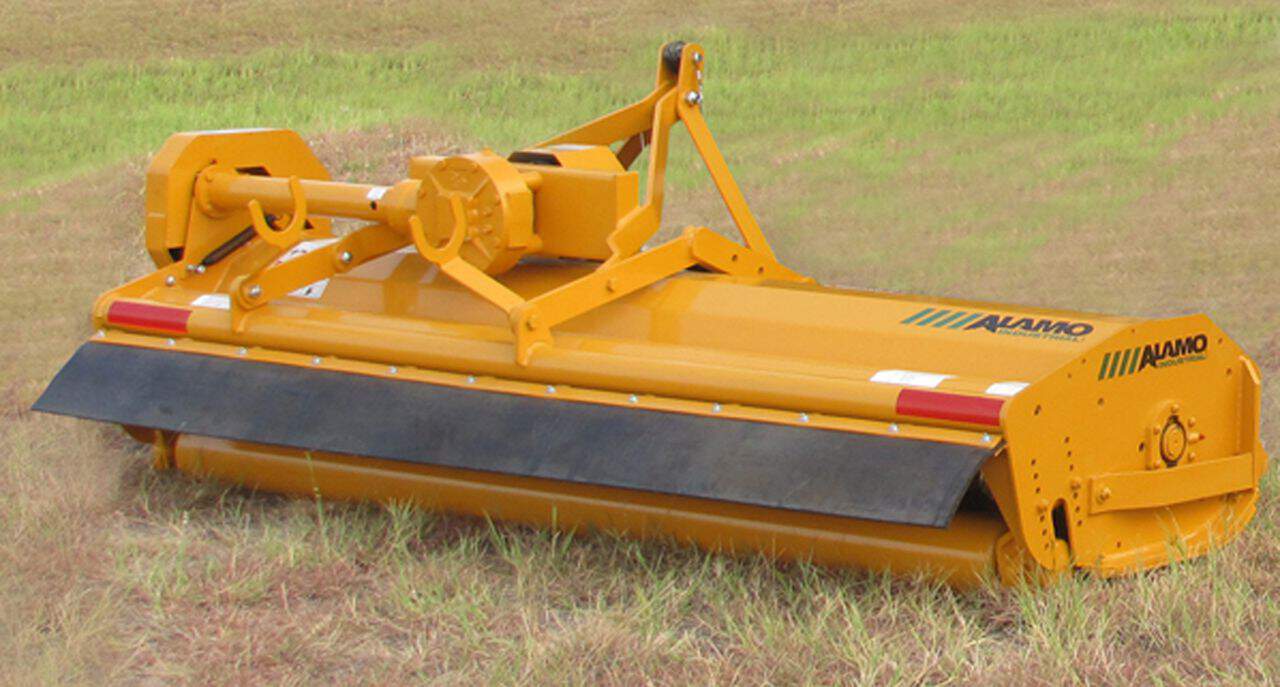
A flail mower is a heavy-duty mower designed for cutting tough vegetation such as thick brush, tall grass, and overgrown fields. It features multiple small blades called flails attached to a rotating drum. These flails pivot and swing out to cut through dense plant material effectively.
You use a flail mower by driving steadily over uneven or rough terrain. Its unique design helps absorb impacts and reduces damage while mowing. This makes it ideal for challenging areas like ditches, orchards, and fields where regular mowers may struggle.
Keep reading to discover how to choose the right flail mower, operate it safely, and maintain it for long-lasting performance.
Key Takeaways
- A flail mower uses multiple small blades attached to a rotating drum to cut tough vegetation by striking grass or brush.
- It is designed for heavy-duty mowing on uneven ground, thick brush, or tall grass where regular mowers struggle.
- Use a flail mower for clearing fields, orchards, roadside ditches, and overgrown areas with debris.
- Operate at low speed, maintain steady pace, avoid sharp turns, and keep safety guards and controls engaged.
- Perform pre-operation checks, regularly clean and lubricate, and replace worn flails to ensure effective cutting and safety.
What Is a Flail Mower and How Does It Work
What exactly is a flail mower, and how does it work? A flail mower is a type of heavy-duty mower designed to handle tough vegetation. Instead of traditional blades, it uses multiple small blades called flails attached to a rotating drum.
As the drum spins, the flails swing out and cut the grass or brush by striking it. This design lets you mow uneven ground, thick brush, or tall grass without clogging or damaging the mower. The flails pivot, so they can absorb impacts, reducing the risk of damage from rocks or debris.
You usually attach a flail mower to a tractor or similar machine, and its powerful rotation handles dense and rough vegetation efficiently, making it ideal for challenging mowing tasks.
When Should You Use a Flail Mower Instead of a Regular Mower?
Although regular mowers work well for maintaining lawns and light vegetation, you’ll want to use a flail mower when dealing with tougher, uneven terrain or thicker brush. Flail mowers handle rough, overgrown areas better because their blades are designed to shred dense vegetation without clogging.
They’re ideal for clearing fields, roadside ditches, or orchards where debris and uneven ground are common. If you need a clean, even cut on a smooth lawn, stick with a regular mower.
| Condition | Best Mower Choice |
|---|---|
| Smooth, grassy lawn | Regular mower |
| Thick brush or shrubs | Flail mower |
| Uneven, rocky terrain | Flail mower |
| Light, regular maintenance | Regular mower |
How to Choose the Right Flail Mower for Your Needs
Choosing the right flail mower means matching the size to your property and the type of terrain you’ll be working on. You’ll want a mower that handles uneven ground or thick brush without trouble.
Let’s look at how different sizes and terrain compatibility can affect your choice.
Mower Size Options
Picking the right flail mower size depends on the scale of your job and the type of terrain you’ll be working with. Smaller flail mowers, typically 3 to 5 feet wide, are great for tight spaces and smaller properties, offering more maneuverability.
For larger areas, like farms or commercial properties, a wider mower—6 feet or more—can cover more ground quickly, saving you time. Keep in mind that larger mowers require more powerful tractors or machines to operate efficiently.
Also, consider your storage space and transport options; bigger mowers can be harder to store and move. By matching your flail mower size to your job’s scale, you’ll ensure effectiveness without sacrificing control or convenience.
Terrain Compatibility
Since different terrains demand different mowing approaches, you’ll want to match your flail mower to the type of ground you’ll be working on. For uneven or rocky terrain, choose a mower with a robust build and flexible flails that can handle debris without damage.
If you’re working on soft or marshy ground, opt for a mower with wider tires or tracks to prevent sinking. Steeper slopes require a mower with good stability and a low center of gravity to avoid tipping. Also, consider the mower’s cutting height and width to suit dense vegetation or lighter grass.
How to Operate a Flail Mower Safely: Step-by-Step Guide
Before you start your flail mower, it’s crucial to perform thorough pre-operation safety checks to make sure everything’s in good working order. Once you’re set, using proper operating techniques will help you maintain control and stay safe.
Let’s walk through the key steps to get you mowing confidently and securely.
Pre-Operation Safety Checks
Although using a flail mower can be straightforward, you’ll want to perform essential pre-operation safety checks to guarantee both your safety and the machine’s efficiency. Skipping these steps could lead to accidents or damage.
Before you start, make sure to:
- Inspect the Blades – Check for wear, damage, or loose bolts to ensure smooth cutting.
- Check Hydraulic Hoses & Connections – Look for leaks, cracks, or loose fittings to prevent malfunctions.
- Verify Safety Guards – Ensure all shields and guards are securely in place to protect you from debris.
- Examine Tires and Controls – Confirm tires are properly inflated and controls respond correctly for safe maneuvering.
Proper Operating Techniques
When you’re ready to operate the flail mower, start by engaging the machine at a low speed to maintain control and prevent sudden jerks. Always keep a steady pace and avoid sharp turns to minimize wear on the mower and guarantee an even cut.
Watch for obstacles and stop if you need to clear debris. Keep both hands on the controls and stay alert. When finished, disengage the mower blades before moving to a new area.
| Step | Action |
|---|---|
| 1 | Start at low speed |
| 2 | Maintain steady pace |
| 3 | Avoid sharp turns |
| 4 | Watch for obstacles |
| 5 | Disengage blades before moving |
Troubleshooting Common Flail Mower Problems
If your flail mower isn’t performing as expected, pinpointing the issue quickly can save you time and prevent further damage. Here are common problems and how to identify them:
- Uneven Cutting – Check for damaged or worn flails; replace if necessary.
- Excessive Vibration – Inspect for loose bolts or imbalanced flails.
- Engine Stalling – Make sure the fuel is fresh and the air filter is clean.
- Poor Mulching Performance – Verify the blades are sharp and free of debris.
Tips for Maintaining and Cleaning Your Flail Mower
Proper maintenance and regular cleaning are essential to keep your flail mower running smoothly and extend its lifespan. After each use, remove any grass clippings, dirt, and debris from the blades and housing to prevent rust and buildup. Check the blades frequently for wear or damage, and replace them when necessary to maintain cutting efficiency.
Lubricate all moving parts according to the manufacturer’s guidelines to reduce friction and prevent premature wear. Don’t forget to inspect belts and chains for tension and signs of wear, adjusting or replacing them as needed. Store your mower in a dry, sheltered place to protect it from the elements.
How to Maximize Efficiency When Using a Flail Mower
Although flail mowers are designed to handle tough vegetation, you can boost their performance by adjusting your speed and cutting height to match the terrain and grass density. Doing this helps prevent clogging and uneven cuts.
Adjust speed and cutting height to terrain and grass density for smoother, clog-free mowing with your flail mower.
To get the most out of your flail mower, consider these tips:
- Set the correct cutting height for the type of vegetation to avoid overloading the blades.
- Maintain a steady, moderate speed to allow effective cutting without stressing the machine.
- Overlap your passes slightly to ensure no patches are missed.
- Regularly check and sharpen blades to keep cuts clean and reduce engine strain.
Following these steps will help you work efficiently, saving time and extending your mower’s lifespan.
Frequently Asked Questions
Can a Flail Mower Be Used on Wet Grass?
You can use a flail mower on wet grass, but it’s not ideal. Wet grass tends to clog the blades and reduce efficiency, so it’s better to wait until it’s drier to avoid damage and guarantee a cleaner cut.
What Is the Average Lifespan of Flail Mower Blades?
Think of your flail mower blades as the sharp teeth of time—they typically last around 1,000 hours but can wear faster depending on use and terrain.
You’ll want to sharpen or replace them regularly to keep cutting clean.
Are Flail Mowers Suitable for Residential Lawns?
Flail mowers can work for residential lawns, but they’re usually better for rough, uneven terrain. If your lawn is smooth and well-maintained, a regular mower might be easier and more efficient for you to use.
How Does a Flail Mower Affect Soil Erosion?
A flail mower helps reduce soil erosion by cutting vegetation without disturbing the soil much. You’ll find it’s gentler than other mowers, keeping the soil intact and preventing runoff during heavy rain or on slopes.
Can Flail Mowers Handle Small Tree Branches?
Yes, you can handle small tree branches with a flail mower, but it’s best to avoid larger limbs.
They’re designed to chop tougher vegetation, but thick branches might damage the blades or strain the machine.
Conclusion
Now that you’ve got the hang of what a flail mower is and how to use it, you’re well on your way to taming unruly patches with ease. Remember, a little care goes a long way in keeping your mower humming happily.
With the right touch and timing, you’ll turn rough terrain into neat, manageable spaces—no sweat. So, go ahead and let your flail mower do the heavy lifting while you enjoy the smoother side of yard work.
By using a flail mower regularly, you ensure efficient cutting and maintain healthy grounds. Proper maintenance and understanding how to use a flail mower will extend its life and improve performance. Embrace this powerful tool to keep your landscape looking its best.