7 Facts About How Many Decibels a Lawn Mower Produces
When you fire up a lawn mower, expect noise levels between 85 and 100 decibels—about as loud as a motorcycle or rock concert. Understanding how many decibels a lawn mower produces is important for protecting your hearing and choosing the right equipment.
Gas-powered mowers tend to be the loudest, often hitting 90-95 decibels, while electric ones are quieter, usually around 85 to 90 decibels.
Prolonged exposure can harm your hearing, so using protection is smart. Local rules often limit mowing times to reduce noise.
There’s more to know about quieter options and how to stay safe.
Key Takeaways
- Lawn mowers typically produce noise levels ranging from 85 to 100 decibels.
- Gas-powered mowers usually emit between 90 and 95 decibels, making them the loudest type.
- Electric mowers are quieter, with noise levels generally between 85 and 90 decibels.
- Lawn mower noise can be as loud as a motorcycle or a rock concert, around 85-100 decibels.
- Prolonged exposure to mower noise above 85 decibels can cause permanent hearing damage.
Typical Lawn Mower Noise Levels (Decibels)
Although lawn mowers vary by type and brand, you can generally expect their noise levels to range between 85 and 100 decibels. This means when you’re mowing your lawn, the sound can be as loud as a motorcycle or a subway train passing by. Most traditional gas-powered mowers tend to hover around 90 to 95 decibels, which is loud enough to potentially cause hearing damage if you’re exposed for extended periods without protection.
Electric lawn mowers usually run a bit quieter, often between 85 and 90 decibels, making them a better option if noise is a concern. Understanding these typical ranges helps you prepare, whether that means using hearing protection or choosing a quieter model suited to your neighborhood’s noise limits.
Noisiest Types of Lawn Mowers
When it comes to noise, gas-powered mowers usually top the list with their loud engine sounds. You’ll find electric mowers are much quieter, making them a better choice if noise is a concern.
Let’s look closer at how these two types compare in decibel levels.
Gas-Powered Mower Noise
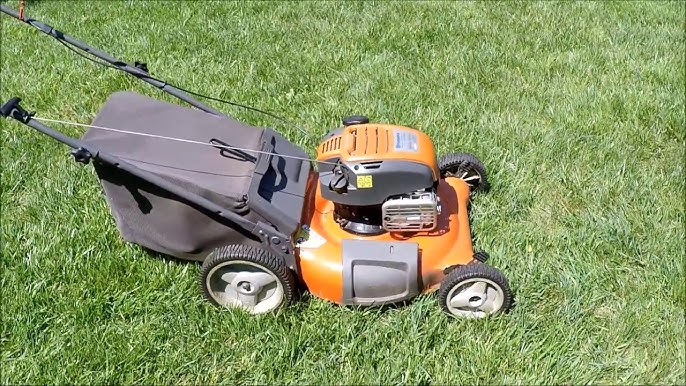
Because gas-powered mowers rely on combustion engines, they tend to produce some of the loudest sounds you’ll encounter while mowing. Typically, these mowers run between 85 to 95 decibels, which can be quite noisy, especially if you’re working in close proximity or for extended periods. The engine’s fuel combustion creates a constant roar, often louder than electric alternatives.
You’ll notice that larger gas mowers, like riding models, can exceed this range due to bigger engines and exhaust systems. If noise is a concern, you’ll want to wear hearing protection or consider mowing during times that won’t disturb neighbors. While gas-powered mowers pack power and reliability, their noise levels are a trade-off you’ll need to manage if you value a quieter lawn care experience.
Electric Mower Sound Levels
Gas-powered mowers are known for their loud engine noise, but electric mowers can also be surprisingly noisy, especially certain types. While many electric mowers run quieter than gas models, some, like corded electric or battery-powered mowers with high RPM motors, can reach noise levels around 70 to 85 decibels. This is still lower than gas mowers but loud enough to be bothersome during extended use.
If you want a quieter option, consider electric reel mowers or models designed specifically for noise reduction. Keep in mind, electric mowers produce a more consistent sound without the engine revving fluctuations typical of gas-powered ones. So, while electric mowers generally offer a quieter experience, it’s smart to check the decibel rating before buying if noise is a concern.
How Lawn Mower Noise Compares to Everyday Sounds
Although you might not realize it, the noise from a lawn mower can be as loud as a motorcycle or even a rock concert. Typical lawn mowers produce around 85 to 100 decibels, which is comparable to a motorcycle engine revving or a crowded sports event. To put it in perspective, normal conversation usually sits around 60 decibels, while city traffic noise hovers near 70 to 85 decibels.
Even a blender or vacuum cleaner, common household sounds, only reaches about 70 to 90 decibels. So when you’re mowing the lawn, you’re dealing with noise levels much higher than everyday sounds you might not find bothersome. Understanding this comparison helps you appreciate why lawn mower noise stands out and can be surprisingly intense.
Why Lawn Mower Noise Can Hurt Your Hearing
When you’re exposed to lawn mower noise for extended periods, your ears can suffer damage that might not be immediately noticeable. Lawn mowers often produce noise levels exceeding 85 decibels, which is loud enough to harm the sensitive hair cells in your inner ear. These tiny cells are vital for translating sound waves into signals your brain understands.
Once damaged, they don’t regenerate, leading to permanent hearing loss or tinnitus. The risk increases the longer you stay near the noise without protection. Even if the sound seems bearable at first, prolonged exposure can gradually reduce your hearing sensitivity.
To protect yourself, it’s important to limit your time near running lawn mowers or use hearing protection whenever possible. Your hearing health depends on how you manage this exposure.
Local Noise Rules for Lawn Mowers
You’ll want to check your area’s noise limits, as many local rules cap lawn mower sounds around 85 decibels. If you go over, you could face fines or other penalties enforced by local authorities.
Knowing these rules helps you avoid trouble while keeping your lawn tidy.
Typical Local Noise Limits
Since lawn mowers can be surprisingly loud, many communities set local noise limits to keep the peace. These limits help reduce disturbances, especially during early mornings or late evenings. If you’re planning to mow your lawn, it’s good to know what typical noise restrictions look like.
Here are common local noise limits you might encounter:
- Maximum allowed noise levels usually range from 70 to 85 decibels.
- Restricted mowing hours often fall between 8 AM and 8 PM on weekdays.
- Some areas ban loud equipment on weekends or holidays to minimize disruptions.
Understanding these limits ensures you stay compliant and maintain good neighborly relations while keeping your yard tidy. Always check your local regulations before firing up your mower.
Enforcement and Penalties
Local noise limits are only effective if they’re enforced, and many communities have measures in place to guarantee compliance. If your lawn mower exceeds local decibel limits, you might receive a warning or even a fine. Enforcement usually involves noise complaints from neighbors or routine checks by local authorities.
Knowing the potential penalties can help you stay within the rules and avoid trouble.
| Penalty Type | Description |
|---|---|
| Warning | First-time minor noise violations |
| Fine | Monetary penalty for repeat offenses |
| Equipment Check | Inspection of mower noise levels |
| Mandatory Repair | Required fixing or replacement |
| Noise Restrictions | Time limits for mowing activities |
Stay informed about your area’s noise rules to mow responsibly.
How to Reduce Lawn Mower Noise
Although lawn mowers are inherently noisy, there are several effective ways you can reduce their sound levels. Taking simple steps not only protects your hearing but also keeps your neighborhood peaceful. Here’s what you can do:
- Maintain your mower regularly: Clean or replace air filters, sharpen blades, and check the engine to keep it running smoothly and quieter.
- Use noise-reducing accessories: Attach mufflers or sound-dampening covers designed for your mower model to lower noise output.
- Mow during appropriate times: Choose early mornings or late afternoons when ambient noise is higher, minimizing the perceived loudness.
When to Choose Quieter Lawn Mower Options
Reducing lawn mower noise can make a big difference, but sometimes the best choice is to pick a quieter mower from the start. If you live in a noise-sensitive neighborhood or near elderly or young family members, selecting a mower with lower decibel levels helps keep peace. Also, if you plan to mow frequently, a quieter mower reduces hearing strain and fatigue.
Electric or battery-powered mowers generally produce less noise than gas models, making them ideal for residential areas. Additionally, if you have noise-restricted hours in your community, opting for a quieter mower ensures you stay compliant. Ultimately, choosing a low-noise option upfront saves you time and effort compared to trying to reduce noise after purchase.
It’s a smart move for comfort and community respect.
Frequently Asked Questions
How Often Should Lawn Mower Blades Be Sharpened?
You should sharpen your lawn mower blades about every 20-25 hours of use or at least once per mowing season.
Dull blades tear grass, so keeping them sharp helps your lawn look healthier and cuts more efficiently.
What Maintenance Affects Lawn Mower Noise Levels?
When you keep blades sharp and clean, your mower hums smoothly instead of roaring. Regular oil changes and tightening loose parts help quiet the engine’s growl, turning noisy chaos into a gentle, steady buzz.
Are Electric Mowers Better for the Environment?
Yes, electric mowers are better for the environment since they produce no direct emissions and use less energy overall. You’ll also find they’re quieter, reducing noise pollution compared to gas-powered mowers.
This makes them a more sustainable choice for maintaining your lawn. Additionally, electric mowers require less maintenance, which means fewer resources are consumed over time.
Can Wearing Ear Protection Prevent Hearing Damage?
Yes, wearing ear protection can prevent hearing damage by reducing noise exposure.
You’ll protect your ears from loud sounds, like lawn mowers, which can cause permanent hearing loss if you don’t take precautions regularly.
What Is the Average Lifespan of a Lawn Mower?
You can expect your lawn mower to last about 8 to 12 years with proper care. Regular maintenance like oil changes and blade sharpening will keep it running smoothly and extend its lifespan considerably.
Taking the time to clean your mower after each use also helps prevent rust and buildup. Checking and replacing air filters as needed ensures the engine breathes properly.
Conclusion
It’s no coincidence that lawn mower noise often sneaks up just when you’re trying to enjoy peace—both can hit 90 decibels or more, loud enough to harm your hearing if you’re not careful.
But by knowing which mowers roar the loudest and when local rules kick in, you can choose quieter options that protect your ears and your neighborhood’s calm.
So next time you’re mowing, remember: the noise you make and the silence you crave might be closer than you think. Understanding how many decibels a lawn mower produces is key to maintaining your hearing and neighborhood tranquility.