Do You Need to Sharpen New Mower Blades?
You don’t always need to sharpen new mower blades since most are pre-sharpened and ready to use. When it comes to mower blade maintenance, understanding whether to sharpen new blades is essential for optimal lawn care. However, it’s a good idea to check them first for dull edges or any manufacturing residues.
Sharpening can improve cut quality, mower efficiency, and blade safety, but it’s often unnecessary if blades look pristine and come from a reputable brand. Proper mower blade sharpening helps maintain a clean, healthy lawn by ensuring even cuts.
If you want to know when to sharpen and how to keep them sharp longer, there’s more useful info to explore.
Key Takeaways
- New mower blades are usually pre-sharpened and ready for immediate use without needing extra sharpening.
- Inspect blades for dullness, rounded edges, or manufacturing residues before deciding to sharpen.
- Sharpening new blades improves cutting quality, mower efficiency, and reduces engine strain.
- Skip sharpening if blades come from reputable brands, show no damage, and are intended for specialized cutting.
- Regular maintenance and inspection help prolong blade sharpness and reduce the need for frequent sharpening.
Are New Mower Blades Sharp Enough Out of the Box?
Are new mower blades sharp enough straight out of the box? Generally, new mower blades come pre-sharpened from the manufacturer, so you can expect them to be reasonably sharp. However, the level of sharpness might not match what you’d get from a professional sharpening or a DIY touch-up.
Manufacturers often prioritize durability and balance over razor-sharp edges to ensure the blades last longer and don’t chip easily. So, while you can use new blades immediately, they might not cut as cleanly or efficiently as freshly sharpened ones. If your mower is used for fine, even cuts, you might notice a difference.
Still, for basic lawn maintenance, new blades usually perform well right away without needing immediate sharpening.
How to Check If Your New Mower Blades Need Sharpening
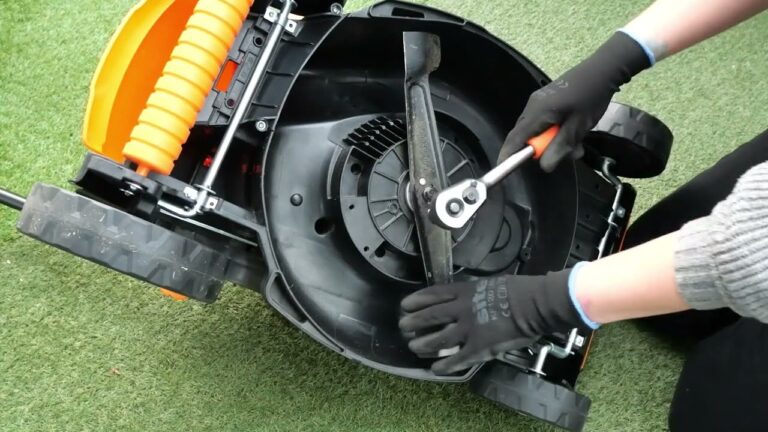
Before you decide whether to sharpen your new mower blades, it’s important to inspect them carefully. Start by removing the blades from your mower and examining the edges. Look for any signs of dullness, such as rounded or blunt edges.
A sharp blade should have a clean, crisp edge without any nicks or dents. Run your finger gently along the edge—if it feels smooth and not sharp, it may need sharpening. Also, check for any manufacturing residues like paint or coatings that might affect cutting performance.
If the blades look pristine and sharp, they’re likely ready to use. However, if you notice imperfections or dullness, sharpening will improve your mower’s efficiency and lawn appearance. Regular checks help maintain ideal cutting quality.
Why Sharpen New Mower Blades Before Using Them?
While new mower blades might look sharp out of the package, they often benefit from a quick sharpening to guarantee peak performance. Factory edges can be uneven or slightly dulled from handling and shipping.
Sharpening assures cleaner cuts, which promotes healthier grass and reduces strain on your mower’s engine.
Here’s why you should sharpen new blades before use:
| Reason | Benefit |
|---|---|
| Removes factory burrs | Smooth cutting edge |
| Improves cutting efficiency | Cleaner, healthier lawn |
| Reduces engine strain | Prolongs mower life |
| Enhances safety | Less chance of blade failure |
| Prevents premature dulling | Longer intervals between sharpenings |
Sharpening new blades sets a solid foundation for effective mowing right from the start.
When Should You Skip Sharpening New Mower Blades?
Although sharpening new mower blades is usually recommended, there are times when you can skip this step without sacrificing performance. For instance, if the blades come pre-sharpened from a reputable manufacturer, they’re often ready to use right out of the box.
Also, if you’re replacing blades that are specifically designed for mulching or specialized cutting, they may have a unique edge that doesn’t require additional sharpening. Additionally, if you’re in a hurry or mowing less frequently, using the blades as-is won’t cause immediate problems.
Just make sure to inspect them for any manufacturing defects or damage before installing. Skipping sharpening in these cases can save you time without compromising the quality of your cut.
How to Keep Your Mower Blades Sharp Longer
To keep your mower blades sharp longer, you’ll want to adopt a few simple maintenance habits that prevent dulling and damage. First, always clear debris like grass clippings and dirt from the deck after each use—this reduces buildup that can dull blades.
Second, avoid mowing over hard objects such as rocks, sticks, or metal, which can chip or nick your blades. Finally, store your mower in a dry place to prevent rust, which weakens the blade edges over time.
Frequently Asked Questions
What Type of Steel Is Used in New Mower Blades?
New mower blades are usually made from high-carbon steel or alloy steel. These materials give the blade durability and sharpness. You’ll find they hold an edge well, making your mowing smoother and more efficient.
Can Dull Blades Damage My Lawn Mower Engine?
Think of dull blades as a clogged artery; yes, they can strain your mower’s engine by forcing it to work harder. This wear can lead to overheating, reduced efficiency, and eventually costly damage you don’t want to face.
How Often Should Mower Blades Be Replaced Instead of Sharpened?
You should replace mower blades every 1-2 years or when they’re too worn, bent, or chipped.
If sharpening no longer restores a clean edge, it’s time to get new blades for a healthy lawn.
Are There Safety Tips for Handling Mower Blades During Sharpening?
Yes, you should always wear gloves to protect your hands, disconnect the mower’s spark plug, and use proper tools.
Make sure the blade is securely clamped before sharpening to avoid accidents or injury.
Can Professional Sharpening Improve Mower Blade Performance?
Oh, absolutely—because who wouldn’t want their mower blades to cut like a samurai sword? Yes, professional sharpening can boost performance, giving you a cleaner cut and less stress, so your lawn looks effortlessly impeccable.
Conclusion
So, while new mower blades usually come sharp enough to get the job done, giving them a quick check and sharpening can make a world of difference. It’s better to be safe than sorry—like they say, “an ounce of prevention is worth a pound of cure.” Taking a little extra time now means cleaner cuts and a healthier lawn later.
Keep those blades sharp, and your mower will thank you! Regularly sharpening mower blades ensures optimal cutting performance and extends the life of your mower. Don’t overlook the importance of sharp blades for maintaining a beautiful lawn.