Top 12 Best Sub Base for Artificial Grass You Can’t Miss
Choosing the best sub base for artificial grass makes a big difference in how long the surface holds up and how it feels underfoot. A cheap or wrong sub base often leads to uneven patches, drainage problems, or the grass shifting after a few months. The key is installing a solid, well-draining foundation that supports the artificial turf without allowing water to pool or the surface to become unstable.
The main things that separate a good sub base for artificial grass are drainage capability, aggregate size, and compaction. Typically, crushed stone or granite with pieces around 5 to 20 millimeters works best.
This size range lets water flow through easily while packing tightly when compacted. A good sub base layer is usually 75 to 100 millimeters thick and compacted to a firm, level surface. Proper drainage helps avoid soggy spots and keeps the artificial grass in place for years.
Need a Quick Check?
| Image | Product | Price |
|---|---|---|
Our Top Picks 1  | Artificial Turf Drainage Cells | Check Price |
Our Top Picks 2  | Grass Drainage Cell System | Check Price |
Our Top Picks 3  | Heavy Duty Grass Gravel Paver | Check Price |
Our Selected Top 12 Sub Base for Artificial Grass Worth Buying
This list features a range of durable and reliable sub base options ideal for supporting artificial grass installations. Each product is evaluated for performance, suitability for different surfaces, and key advantages and drawbacks to help you choose the best fit for your needs.
1. Artificial Turf Interlocking Drainage Cell System
Wesnoy ZUO-Wesnoy-2216 serves as a solid sub-base for artificial grass, excelling in drainage and stability. Its main advantage lies in managing water efficiently while providing a firm foundation, making it a good choice for patios, balconies, pet areas, and backyards.
Setting up involves laying the interlocking 19.68 x 19.68 panels beneath the turf, creating enough space for air and water to flow. The open-grid design channels excess water away, reducing puddles after rain or cleaning. The panels also help in spreading weight evenly, which keeps the turf flat and secure over various surfaces without sinking or shifting easily.
The drainage system performs well, preventing standing water under artificial grass and keeping outdoor areas drier. Built from rigid materials, the tiles support the turf firmly, enhancing durability. Praise often highlights the quick drainage feature, while the main drawback reported is the panel size requiring careful alignment for full coverage without gaps.
The product effectively channels water underneath artificial grass, keeping surfaces drier and firmer. Its rigid grid structure supports turf installations well, though aligning the 19.68″ square panels takes some attention to avoid small gaps.
People wanting a reliable drainage sub-base on patios or pet runs will find this system suitable. Those needing a more customizable size or less precise installation might want to look at alternatives offering smaller or flexible panels.
Pros
- Open-grid design allows fast, efficient drainage
- Supports weight evenly for stable turf base
- Suitable for patios, balconies, and pet areas
- Panels interlock for a secure foundation
Cons
- Panel size needs careful positioning
- May leave small gaps if misaligned
| Specification | Details |
|---|---|
| Brand Name | Wesnoy |
| Model Number | ZUO-Wesnoy-2216 |
| Manufacturer Part Number | ZUO-Wesnoy-2216 |
| Number of Items | 9 |
| Unit Count | 9 Count |
2. Interlocking Drainage Cell System for Artificial Grass
Getting proper drainage under artificial grass is crucial, and this interlocking drainage cell system is a solid choice for that. It suits anyone who needs a sub base that’s easy to install and handles water well. Its biggest strength lies in the honeycomb design that speeds up water flow beneath the turf.
Installation goes smoothly thanks to the modular panels, each sized at 50cm by 50cm. Laying them out isn’t complicated, and you can adjust the coverage area precisely. Once in place, the cells manage excess water effectively, making the surface less prone to puddles or sogginess during daily wear.
Performance is spot on for drainage, with excellent lateral flow due to the honeycomb pattern. The material feels durable and supports heavy loads without buckling, which is a key feature for durability. Most praise highlights the strong structure and quick drainage, while the primary complaint concerns the height being just 3cm, which might be thin for some setups.
Panels lock together easily and cover areas with a 50cm by 50cm size that fits well for many spaces. Honeycomb design moves water fast to avoid pooling. Material feels sturdy, holding up under weight without breaking. Setup is straightforward and fast with modular pieces. Common complaint involves the low height of 3cm, which might not be enough for deep drainage.
People installing artificial grass where surface drainage is important will find this system useful, especially for flat surfaces or slight slopes. Those needing extensive drainage depth or more cushioning might want a product with greater height or additional layers. Suitable for garden paths and patios but less ideal for heavy traffic areas needing thick bases.
Pros
- Honeycomb design allows fast water drainage
- Strong, high compressive load capacity
- Easy installation with interlocking panels
- Flexible layout for different area sizes
Cons
- Height of 3cm may be too low for some uses
- Only one piece included, coverage may be limited
| Specification | Details |
|---|---|
| Panel Size | 50cm X 50cm (19.68in X 19.68in) |
| Height | 3cm (1.18in) |
| Item Weight | 14.82 pounds |
| Material | Plastic |
| Number Of Pieces | 1 |
3. Heavy Duty Permeable Grass & Gravel Paver System
Heavy Duty Permeable Grass & Gravel Paver System suits anyone needing a tough sub base for artificial grass that handles traffic well. Its main strength lies in durable construction that resists deformation under vehicles, making it reliable for driveways or garden paths.
Installation is pretty straightforward thanks to the interlocking design. Each paver measures 41 x 41 x 2.5 centimeters and can be cut to fit specific areas. Day-to-day, it stays firmly in place and drains water well, which helps keep the grass area stable and dry.
You won’t need special tools, just scissors for customizing the layout.
Performance-wise, it holds up well under weight, supporting cars without bending. Made of thick plastic mesh, it’s built for heavy use.
The most frequent praise highlights its durability and ease of installation. Some users mention that cutting pavers can be a bit tricky for precise edges, but nothing major.
Most users praise the product’s durability under vehicle weight and appreciate how the interlocking pieces fit together simply. The common downside noted is that shaping the slabs with scissors requires effort to get clean edges.
People seeking a strong, long-lasting base for artificial grass will benefit from this system, especially where cars drive or park. Those wanting smooth, aesthetically clean edges might consider other options or expect extra effort when cutting.
Pros
- Handles vehicular traffic without deformation
- Interlocking system for easy installation
- Customizable size by cutting with scissors
- Good drainage due to permeable design
Cons
- Cutting edges can be challenging for precision
- Plastic feel may not suit all aesthetic preferences
| Specification | Details |
|---|---|
| Item Length | 41 centimeters |
| Unit Count | 12 Count |
| Model Number | USC2-0039 |
| Manufacturer Part Number | USC2-0039 |
| Recommended Uses | Driveways, Walkways, Parking Lots, Gardens |
4. GP GLOBAL TerraBrace Interlocking Gravel Grid

Polypropylene construction and honeycomb design make it a reliable choice for ground stabilization beneath artificial grass. Ideal for anyone needing a stable, permeable base that holds gravel or soil firmly in place. Its interlocking panels simplify installation while ensuring consistent support across the entire area.
Setup involves positioning the flexible polypropylene panels, which snap together without tools, making it easier to cover the intended space precisely. The lightweight nature helps in handling the pieces during installation.
Open cells promote drainage, so water doesn’t pool on the surface, maintaining a dry and firm base beneath the grass layer day-to-day.
Performance matches the need for preventing rutting and surface movement effectively when paired with suitable infill materials. The material feels durable underfoot and the UV resistance adds confidence for outdoor use.
Most users appreciate how well it keeps the ground stable, though a few mention the size of panels requiring careful alignment for large areas.
The strongest praise lies in how well it stabilizes ground by locking gravel or soil in place, preventing unwanted movement beneath artificial turf. Most common complaint centers on managing panel alignment across larger areas, which can be time-consuming. Proper base preparation remains crucial for best results.
Those installing artificial grass on uneven or loose ground will find this product beneficial for creating a steady foundation. People needing quick fixes without detailed groundwork might prefer alternative solutions, as the grid’s success depends heavily on underlying layers and correct infill materials.
Pros
- Flexible and easy to position panels
- Tool-free interlocking connections
- UV-resistant for outdoor durability
- Allows water to drain through grid
Cons
- Panel size requires careful layout planning
- Effectiveness depends on proper base and infill
| Specification | Details |
|---|---|
| Material | Plastic (Polypropylene) |
| Item Weight | 8 pounds |
| Product Dimensions | 15.8 x 15.8 x 1.2 inches |
| Package Quantity | 8 panels |
| Warranty | 3 Year |
| Color | Black |
5. Silica Sand Infill for Artificial Grass

Silica Sand Infill for Artificial Grass is designed for outdoor turf, featuring a larger grain size that adds weight and helps artificial grass blades stand upright. It suits people looking to stabilize their synthetic lawn and keep turf looking natural and well-maintained.
Setting it up involves spreading the silica sand evenly across the turf surface. The larger grain size makes it easy to brush between the blades, supporting them to stay upright.
It works by adding ballast, so the grass lies flat and doesn’t shift around, which helps keep the whole area even over time without constant fuss.
The infill performs its main job well by weighing down the turf and helping fibers stand, creating a steady and neat appearance. The material holds up nicely under regular outdoor conditions thanks to the sturdy larger grain size. Praise often highlights its effectiveness at keeping grass blades upright, but some users mention it’s intended only for outdoor turf, making the right grade choice important.
It is praised for effectively supporting turf blades to stay upright and adding ballast to keep artificial grass from shifting. The biggest issue arises when using the wrong grade, since it’s specifically made for outdoor turf and not finer surfaces like putting greens.
People installing synthetic turf in indoor or outdoor settings will find it fits well and performs reliably. Those needing infill for putting greens or outdoor surfaces might need to look for a different grade or product more suited to those uses.
Pros
- Adds good weight to hold turf down
- Supports artificial grass blades to stand upright
- Larger grain size suits the needs of outdoor turf applications
- Comes in a handy bag for easy spread
Cons
- Designed for indoor use only
- Not suitable for putting green turf
| Specification | Details |
|---|---|
| Brand Name | All Turf Mats |
| Model Number | ENVIROFILL 12/20 |
| Plant or Animal Product Type | turf |
| Indoor Outdoor Usage | Indoor |
| Included Components | Infill |
| Specific Uses For Product | Turf |
6. Vodaland Permeable HexPave Grass & Gravel Pavers

Strong durability and eco-friendliness make Vodaland Permeable HexPave ideal for those needing a solid sub base that won’t give way under pressure. Designed to handle heavy loads, it suits applications from artificial grass installations to driveways, providing confidence that the ground beneath will stay stable over time.
Setting up the HexPave grids involves laying out the sturdy plastic cells over your prepared surface and filling them with gravel or soil as needed. At just over an inch thick, they fit neatly beneath artificial grass without raising its height uncomfortably. Daily use benefits from the product’s permeability and weight tolerance, keeping your outdoor area firm and protected.
The main job of supporting weight and maintaining ground stability is handled well by these pavers, able to carry masses up to 27,000 lbs with the right base and fill. Crafted from 100% recycled PPE plastic, they hold up against wear while contributing to greener choices.
Some note the panels are fairly heavy to move at over 20 kg each, but this also means they stay put once installed.
Reviewers appreciate the pavers’ strength and long-lasting material that make installations stable and eco-conscious. The panels’ substantial weight can make handling a bit challenging during installation but ensures they don’t shift after being set.
Anyone seeking a durable, environmentally responsible sub base for artificial grass or driveways will find these fitting perfectly. Those with lighter applications or needing easy-to-move components might want to look for thinner, lighter options.
Pros
- Handles very heavy loads (up to 27,000 lbs)
- Covers a large area with 22 units
- Eco-friendly recycled plastic material
- Just over 1 inch thick for smooth surface layering
Cons
- Each panel weighs over 20 kg, cumbersome to move
- Requires proper base and fill for maximum load support
| Specification | Details |
|---|---|
| Item Dimensions D x W x H | 22.88″D x 19.88″W x 1.13″H |
| Item Weight | 20.41 kg |
| Floor Area Covered | 65 square feet |
| Load Capacity | Up to 27,000 lbs (dependent on base and fill) |
| Material | 100% recycled PPE plastic |
7. Artificial Grass Underlayment Panel

Artificial turf often struggles with moisture buildup and uneven surfaces, especially on concrete. Designed for those installing artificial grass on hard floors, this underlayment panel focuses on drainage and breathability to keep your turf dry and clean.
Its biggest strength lies in maintaining airflow and moisture control under synthetic grass.
Installing the panel is simple thanks to its pre-scored grooves that let you cut it into 3.9-inch increments, making it easy to fit various spaces. The air-through design continuously wicks away moisture, which helps the turf dry faster after rain or cleaning.
It supports drainage without compromising stability, so your artificial grass stays fresh longer and feels better underfoot.
Performance-wise, the panel effectively prevents water from pooling beneath the turf, reducing the risk of mold or dirt buildup. Its rigid yet lightweight design makes handling and fitting manageable at just 14.1 ounces per sheet. Some users note that only one sheet comes in a package, which might require multiple purchases for larger areas.
The black color helps it blend discreetly beneath the turf.
The product effectively keeps artificial grass dry and prevents moisture issues under concrete surfaces, ensuring turf cleanliness and quick drying. Common limitations include the small package size, which means several units could be necessary for larger installations.
Perfect for projects on concrete areas where moisture control is crucial and smaller turf setbacks are involved. Those needing extensive coverage or larger scale installations might look for larger or multi-pack options to reduce setup time.
Pros
- Breathable design wicks moisture away well
- Easy to cut in small increments
- Lightweight at 14.1 ounces per sheet
- Supports drainage to keep turf clean
Cons
- Only one sheet per package
- Size may require multiple units for big areas
| Specification | Details |
|---|---|
| Size | 50cm × 50cm |
| Weight | 14.1 ounces |
| Package Quantity | 1 sheet included |
| Cut Groove | 3.9 inches (10 cm) increments |
| Color | Black |
8. Heavy Duty Permeable Grass Gravel Paver System

Measuring 41 x 41 x 2.5 centimeters and crafted from thick, high-strength plastic mesh, this sub base handles heavy-duty use, including vehicular traffic. Ideal for anyone needing a reliable and durable foundation for artificial grass that won’t deform over time.
Setting up the paver system is straightforward due to the interlocking design. The panels can be trimmed to fit specific areas, making it flexible for different layouts.
Day-to-day, it supports grass or gravel while allowing water to drain through, preventing pooling or sogginess underneath the artificial turf.
The grid structure holds its shape under pressure and refuses to bend even with cars driving over it. Built tough with durable plastic, it delivers long-lasting stability.
The most common downside is the limited height of 2.5 centimeters, which may not suit installations needing thicker sub bases.
The system’s strength lies in its ability to withstand heavy loads without bending, making it a durable foundation. However, the 2.5-centimeter thickness is a common drawback, limiting its use in scenarios that require a thicker base for additional cushioning or drainage.
Those looking for a sturdy and customizable grass sub base that can handle cars and foot traffic will appreciate this product. Users needing extra height or softer underlay might prefer different solutions offering more thickness or flexibility.
Pros
- Heavy-duty plastic supports vehicular traffic
- Panels interlock for stable layout
- Can be trimmed easily for custom fit
- Allows water permeability to prevent pooling
Cons
- Only 2.5 centimeters thick, may be too thin for some
- Plastic can feel rigid and less flexible during installation
| Specification | Details |
|---|---|
| Dimensions per paver | 41 x 41 x 2.5 centimeters |
| Material | High-strength plastic mesh |
| Number of Items | 12 |
| Model Number | USW22-30844 |
| Edge Design | Interlocking system |
9. PRO LITE Permeable Paver Pack
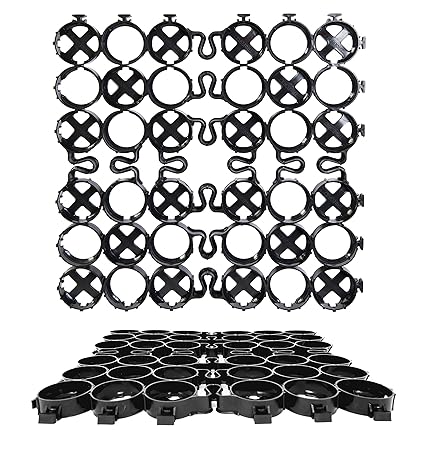
People looking for an easy and lightweight sub base for artificial grass will appreciate these permeable paver grids. Perfect for DIY outdoor projects, their biggest strength lies in how simple they are to install, even for beginners, while offering excellent drainage and durability.
Installation is straightforward, thanks to their lightweight design. Laying them out doesn’t require heavy machinery or specialized skills, making them ideal for small-scale projects around the yard. The permeable nature means water drains right through, so no puddles or soggy patches under the grass.
These pavers handle all weather, including snow and rain, without losing stability or shape over time.
The build quality feels solid since they are made from 100% recycled HDPE, which makes them both eco-friendly and durable. They perform well as a stable base that doesn’t trap water, promoting healthy artificial grass placement.
Many appreciate how weatherproof they are, but some mention that the plastic material can feel a bit less sturdy compared to heavier paving options.
Most praise centers on how the pavers let water drain instantly, preventing any water buildup that could affect artificial grass. The common complaint involves the material feeling less solid than concrete, which could be an issue for very heavy loads.
These pavers suit homeowners wanting a quick, eco-friendly sub base for artificial grass or paths. Someone looking for heavy-duty use or large commercial projects might prefer a sturdier, heavier base option.
Pros
- Easy for any DIYer to install
- 100% permeable for excellent drainage
- Made in USA from recycled HDPE
- Works well in all climates and soils
Cons
- Plastic can feel less sturdy than heavy pavers
- May not suit heavy commercial use
| Specification | Details |
|---|---|
| Brand Name | TRUEGRID |
| Number of Items | 18 |
| Unit Count | 72 Square Feet |
| Model Number | TG-B030C |
| Warranty Description | 5 year warranty against manufacturer defects |
10. Diamond Grid Soil Stabilization Underlayment

Diamond Grid’s soil stabilization panel stands out for its heavy-duty load rating and strong permeability, making it suitable for anyone looking to create a stable and well-drained base for artificial grass. Its modular 35 x 22 inch panels fit easily into various garden or lawn projects, ensuring solid underfoot support.
Setting up the grid involves laying the lightweight, yet sturdy, black polypropylene panels over the soil and filling the open cells with gravel, soil, or road base. The 96% permeable design helps with water drainage, reducing the risk of pooling underneath artificial turf. Handling and installing each 10-pound panel is straightforward enough for DIY landscaping jobs.
The panel holds up well under weight, supporting 30 tons per square foot on its own and over 100 tons when filled, which really makes a difference in preventing soil shifting. Its sturdy build ensures long-lasting durability and maintains an even surface. Some notice that the panels require careful placement for perfect fit and might need trimming for edge areas, which can slow the install.
The strongest praise focuses on the panel’s outstanding weight support and reliable water drainage, which prevent soil movement and puddling beneath artificial grass. The most common complaint involves managing edges and cuts to fit the space properly, which requires extra effort.
People needing a tough, permeable sub-base to stabilize soft soil will appreciate the grid’s design and strength. Those looking for a quicker or less hands-on installation might prefer a simpler or pre-shaped alternative that doesn’t require panel trimming.
Pros
- High load capacity for solid base support
- Excellent water drainage with 96% permeability
- Lightweight panels easy to handle
- Multiple fill options for flexible use
Cons
- Panels may need cutting for custom fitting
- Edges can be tricky to align perfectly
| Specification | Details |
|---|---|
| Dimensions | 22 x 35 x 1.56 inches |
| Material | Polypropylene |
| Load Rating | 30 tons/sq ft empty; 100+ tons/sq ft filled |
| Permeability | 96% |
| Weight | 10 pounds per panel |
11. HDPE Gravel Stabilizer Permeable Paving Base

GJZDPMY HDPE Gravel Stabilizer Permeable Paving Base works great as a tough sub base for artificial grass, especially where heavy loads are a concern. It’s perfect for outdoor spaces that need firm support, like driveways or garden areas, thanks to its high weight capacity and durable polyethylene construction.
Installation is straightforward because the grid is designed for both flat and sloped surfaces. You just lay it out, fill it in with gravel, and it locks everything firmly in place.
The permeable nature keeps water flowing, so no pooling underneath your grass. Handling the stabilizer is simple since it’s lightweight before filling but tough after installation.
Supports up to 816.5 lbs per square inch when filled, so it holds well under vehicles and foot traffic. The heavy-duty polyethylene feels sturdy and resists damage even in rough conditions.
Most praise it for keeping gravel from shifting, though some find the initial layout requires effort to fit uneven ground properly.
Ability to hold heavy weight without shifting gravel is the best feature. Most complaints mention that fitting the grids on uneven ground takes some time and patience. The material holds up well once stable but setup might slow you down.
Great choice when strong support for vehicles or heavy traffic is needed, especially outdoors. Might not suit those looking for a quicker or simpler sub base installation on irregular terrain.
Pros
- Supports heavy loads up to 816.5 lbs per sq inch
- Durable polyethylene material resists wear
- Permeable design prevents water buildup
- Works well on slopes and flat surfaces
Cons
- Can be tricky to fit uneven ground
- Requires filling with gravel for full strength
| Specification | Details |
|---|---|
| Material | High-strength polyethylene |
| Load Capacity | 816.5 lbs per square inch |
| Suitable for | Driveways, parking lots, patios, slopes |
| Brand | GJZDPMY |
12. GZHERVICES Commercial Grade Gravel/Grass Grid Paver

Setting up a solid foundation for artificial grass is simple with this grid paver. Perfect for both flat spaces and slopes, it suits anyone aiming to keep their lawn stable while allowing water to drain through.
Its main strength lies in how well it reinforces the ground without adding much weight.
Installation involves laying the lightweight HDPE grid on your prepared soil, then filling it with gravel or sand before placing artificial turf on top. The design includes drain holes that ensure water doesn’t pool underneath, preventing damage over time.
It stays put under various weather conditions, making day-to-day maintenance straightforward and keeping the base structure intact.
Built from durable HDPE polyethylene, the grid handles wear and tear with resistance to acids and alkalis, adapting well to different soil types. It supports light loads effectively, keeping paths and patios solid beneath artificial grass. A common note is the single-piece size may require multiple units for big areas, but the material quality and functionality get high marks consistently.
Users praise how durable and adaptable the HDPE grid is under different soil and weather conditions, keeping artificial grass bases firmly in place. The most common downside is its small size per piece, which means multiple grids might be necessary for bigger projects.
Anyone installing artificial grass over uneven or sandy terrain will find the grid helpful, especially for light to moderate loads. For heavy-duty parking or large commercial spaces, considering a product with a bigger coverage or higher load rating could be better.
Pros
- Lightweight for easier handling
- Efficient water drainage with built-in holes
- Resistant to abrasion, acid, and alkali
- Works well on slopes and flat areas
Cons
- Single piece may not cover large areas alone
- Limited information on maximum load capacity
| Specification | Details |
|---|---|
| Material | HDPE polyethylene |
| Package Dimensions | 0.39 x 0.39 x 0.39 inches |
| Item Weight | 1.32 pounds |
| Model Number | 320523 |
| Pieces Included | 1 |
Comparison of Top Sub Bases for Artificial Grass
| Product | Material | Size/Dimensions | Weight | Included Components |
|---|---|---|---|---|
| Artificial Turf Drainage Cells | Plastic | – | – | 9 Count Drainage Cells |
| Grass Drainage Cell System | Plastic | 19.68×19.68×1.18 in | 14.82 pounds | Drainage Cells |
| Heavy Duty Grass Gravel Paver | – | 41 cm Length | – | – |
| GP GLOBAL TerraBrace Grid | Plastic | 15.8×15.8×1.2 in | 8 pounds | 8 Grid Panels, Guide |
| Silica Sand Grass Infill | Turf | Bag | – | Infill |
| Vodaland HexPave Pavers | – | 22.88×19.88×1.13 in | 20.41 kg | – |
| Artificial Grass Underlayment | – | 19.69×19.69×0.79 in | 14.1 ounces | None |
| Heavy Duty Grass Gravel Pavers | – | – | – | – |
| PRO LITE Paver Pack | – | – | – | – |
| Diamond Grid Underlayment | Polypropylene | 22x35x1.56 in | 10 pounds | Soil Stabilization Panel |
| HDPE Gravel Stabilizer Base | – | – | – | – |
| GZHERVICES Commercial Grid | – | 0.39×0.39×0.39 in | 1.32 pounds | – |
- MaterialPlastic
- Size/Dimensions–
- Weight–
- Included Components9 Count Drainage Cells
- MaterialPlastic
- Size/Dimensions19.68×19.68×1.18 in
- Weight14.82 pounds
- Included ComponentsDrainage Cells
- Material–
- Size/Dimensions41 cm Length
- Weight–
- Included Components–
- MaterialPlastic
- Size/Dimensions15.8×15.8×1.2 in
- Weight8 pounds
- Included Components8 Grid Panels, Guide
- MaterialTurf
- Size/DimensionsBag
- Weight–
- Included ComponentsInfill
- Material–
- Size/Dimensions22.88×19.88×1.13 in
- Weight20.41 kg
- Included Components–
- Material–
- Size/Dimensions19.69×19.69×0.79 in
- Weight14.1 ounces
- Included ComponentsNone
- Material–
- Size/Dimensions–
- Weight–
- Included Components–
- Material–
- Size/Dimensions–
- Weight–
- Included Components–
- MaterialPolypropylene
- Size/Dimensions22x35x1.56 in
- Weight10 pounds
- Included ComponentsSoil Stabilization Panel
- Material–
- Size/Dimensions–
- Weight–
- Included Components–
- Material–
- Size/Dimensions0.39×0.39×0.39 in
- Weight1.32 pounds
- Included Components–
How to Choose the Right Sub Base for Artificial Grass
Choosing the right sub base for artificial grass depends on drainage, stability, and durability to ensure a smooth, long-lasting surface. Proper selection prevents water buildup and uneven areas, saving money on repairs and reducing future maintenance efforts.
Material Composition
Some sub bases rely heavily on crushed stone, while others mix sand or recycled materials. The choice directly affects how water drains through and how well the surface holds up over time. Bases that compress too easily often lead to uneven patches or dips, which become obvious after walking or placing furniture on the turf.
A strong base usually consists of angular crushed stone sized between 3/8 and 3/4 inch, providing good interlock and resistance against settlement. Mixing in finer materials like screenings can improve compaction but might reduce drainage efficiency.
Selecting a base compatible with local soil types and climate, such as drainage-friendly materials in wetter regions, helps maintain stability and durability.
Drainage Capability
A sub base that traps water beneath the turf causes frequent puddles and soft spots, which quickly degrade appearance and can damage the grass fibers. Proper drainage channels water away, preventing erosion of the base and underling soil.
Areas with heavy rain especially require a base capable of moving water efficiently to avoid these problems.
Look for materials with naturally high permeability, like crushed gravel or stone, as they drain better than sand-heavy mixes. Good bases allow at least 1 inch of water flow per hour. Adding permeable geotextile layers can also help spread water and keep the base stable over time.
Installation Ease
Handling a sub base in manageable sizes simplifies site prep. Large bags or pre-packed units that fit common landscaping tools reduce work, making leveling and spreading less taxing. Bases that come in loose form can be tricky to transport and spread evenly, especially across irregular ground shapes.
The ideal material works well with standard rakes, wheelbarrows, and plate compactors. Adjusting depth according to slopes or dips is easier with finer gradations in the base mix. This makes the entire installation smoother and speeds up achieving a level, stable foundation.
Loadbearing Strength
Walking, placing patio furniture, or sports equipment can expose a weak base’s flaws quickly. Sub bases that compact excessively may shift or form low spots, causing an uneven surface and creating trip hazards.
Bases that handle pressure without losing structure lead to a consistent, flat turf.
Strong, well-compacted crushed stone bases distribute loads evenly, maintaining shape under weight. Avoid overly sandy blends in high-traffic zones. It helps to check the compressive strength ratings or the material’s typical load-bearing capacity, especially if heavy furniture or equipment will sit on top.
Environmental Impact
Some sub bases include recycled crushed concrete or reclaimed aggregate, which reduce reliance on new quarry materials. Using ecofriendly materials also limits environmental harm during extraction. Certain bases promote healthier soil beneath by allowing natural water flow and aeration.
Choosing a base with potential for reuse or recyclability after removal lessens waste. It’s worth considering local disposal or recycling options to avoid landfill. Bases that are biodegradable or non-toxic contribute positively to the surrounding ecosystem and support longer-term sustainability.
Preparing the Ground: Essential Steps Before Installing Artificial Grass Sub Base
Proper ground preparation ensures artificial grass stays level and drains well. Start by clearing the area of all plants, debris, and topsoil, which can cause uneven settling. Compacting the soil helps create a firm foundation and prevents future sinking.
Installing a weed barrier fabric is a practical measure to stop weeds from growing through the turf. After these steps, the sub base material can be laid.
Key steps include:
- Removing organic material and vegetation
- Levelling the soil surface as much as possible
- Compact using a plate compactor or hand tamper
- Applying a geotextile fabric layer for weed control
This sequence sets the stage for a durable base that supports the grass and allows water to drain properly.
Comparing Sub Base Options: Crushed Stone vs. Decomposed Granite for Optimal Drainage
Choosing the right sub base affects drainage and stability of your artificial grass installation. Crushed stone usually comes in angular pieces which lock together well after compaction, providing a stable base with good drainage. Decomposed granite, on the other hand, is finer and compacts tightly but can retain more water if not properly graded.
Comparison points:
- Crushed stone: Better drainage due to larger gaps between stones.
- Decomposed granite: Creates a smoother finish but requires careful grading.
- Both materials need compacting to prevent settling.
- Local availability and budget may influence choice.
Assessing how your area handles rain and selecting a base accordingly helps prevent pooling and ensures longevity.
Common Mistakes to Avoid When Laying a Sub Base for Artificial Turf
One common error is skipping soil compaction, which leads to uneven surfaces and depressions over time. Using sub base materials that are too fine or not angular enough may cause shifting and poor drainage.
Failing to create a slight slope for runoff can result in water pooling on the grass.
Other pitfalls include:
- Neglecting to lay weed barrier fabric, increasing maintenance issues
- Installing sub base too thin or uneven, risking turf damage
- Not compacting in layers which reduces base stability
Following best practices in layering and compacting ensures a strong, well-drained foundation for artificial turf.
People Also Asked
What Is the Ideal Thickness for Artificial Grass Sub Base?
A sub base thickness of around 2 to 4 inches is usually ideal for artificial grass. It provides enough support and drainage without causing the surface to feel too hard or uneven. Thickness might vary depending on soil conditions, so checking local recommendations can help.
How Do I Prepare the Ground Before Installing Sub Base?
Preparing the ground involves removing existing grass and roots, then digging down to create a flat area for the sub base. Compacting the soil before adding layers prevents settling and improves stability. It’s important to ensure the ground slopes slightly for water drainage.
Can Sub Base Affect the Safety of Artificial Grass?
The sub base affects safety by providing a firm and level foundation, reducing the risk of trips or uneven surfaces. Using sharp and angular materials like crushed stone helps with drainage to avoid slippery spots after rain. Proper compaction prevents the turf from shifting underfoot.
How Long Does a Sub Base Typically Last Under Artificial Grass?
A well installed sub base can last 10 years or more under artificial grass, depending on materials and usage. Regular checks for drainage problems or compaction issues help maintain its effectiveness over time. Keeping heavy loads off the grass area also prevents damage to the base.
What Common Problems Occur with Artificial Grass Sub Bases?
Common problems include poor drainage, uneven settling, and weed growth through the sub base. Using the wrong type of material or inadequate compaction often causes these issues. Spending time to lay the sub base correctly reduces long-term maintenance and keeps the turf looking even.
Conclusion
Choosing the right sub base for artificial grass mainly depends on drainage, durability, and ease of installation. The material should allow water to pass through quickly to prevent pooling.
It also needs to be strong enough to support foot traffic without shifting. Lastly, consider how easy it is to work with during the installation process, as this affects both cost and effort.
Think about the size of your area and how often it will get heavy use, then pick a sub base that fits your budget and maintenance needs. Check the comparison table and detailed reviews above to match these factors with the options that best suit your project.

I’m Jake Thompson, and I’ve spent over a decade working on lawn mowers, from small push mowers to big riding tractors. I write about starting problems, blade sharpening, carburetor cleaning, oil changes, and seasonal maintenance. My goal is to give you clear, step-by-step advice so you can handle common mower issues yourself and keep your lawn looking sharp all season.