Top 12 Best Rototiller for Clay Soil That Will Amaze You
Clay soil tends to hold water and become compacted, causing many tillers to get stuck or struggle to break through. The best rototiller for clay soil tackles dense, heavy earth without bogging down or snapping parts. Using a machine that isn’t designed for clay often leads to wasted time, increased fuel consumption, and quick wear on tines and belts.
A good rototiller for clay should have enough horsepower, typically at least 5 to 6 hp, to power through tough ground. Tines made from hardened steel resist bending and wear from rocky, sticky soil.
Wide, steady wheels improve stability, preventing the machine from sinking into soft patches. Depth control and easy adjustments help manage how deeply the tines dig, making the job more efficient and less physically demanding.
Need a Quick Check?
| Image | Product | Price |
|---|---|---|
Our Top Picks 1  | SEYVUM Cordless Tiller | Check Price |
Our Top Picks 2  | MZK 20V Tiller Cultivator | Check Price |
Our Top Picks 3  | MAXLANDER 40V Tiller | Check Price |
Our Selected Top 12 Rototiller for Clay Soil for Every Budget
This list features a variety of rototillers designed for effectively breaking up clay soil, suited to different needs and budgets. Each review explains how well the tiller performs, identifies the ideal user, and outlines its main strengths and weaknesses.
1. SEYVUM Cordless Electric Tiller
Working clay soil can be a real challenge, especially when it’s heavy or compacted. The SEYVUM Cordless Electric Tiller suits gardeners who need a cordless, powerful tool to break through tough ground without dragging around cords or gas tanks. Its standout feature is the high-speed 20,000 RPM brushless motor that powers through hard soil efficiently.
Setting up involves attaching one of the dual 4.0Ah lithium batteries, which is simple and quick. The cordless design means moving around the garden easily, without worrying about tangles or gas fumes.
Runtime around 50 minutes per charge lets you cover a decent area before swapping batteries. The combination of light weight and powerful motor makes daily soil preparation less tiring.
Performance on clay soil holds up well, thanks to the strong brushless motor. It manages compacted soil better than many smaller electric tillers. The build feels solid and durable with parts designed to last, backed by an 18-month warranty.
Some users note the runtime could be longer for very large plots, but overall power and noise levels are well balanced.
The strong brushless motor reliably breaks up heavy clay while running quietly compared to other tillers. The main drawback is that the battery life can feel short when working larger gardens or deeper cultivation, requiring swaps or pauses to recharge.
Gardeners with medium-sized plots or those who dislike the noise and smell of gas models will appreciate this cordless setup. Anyone needing to till extensive areas might want a tool with longer runtime or a gas-powered option instead.
Pros
- High-speed brushless motor for tough soil
- Dual batteries extend use without downtime
- Lightweight and easy to maneuver
- Quieter operation than brushed motor tillers
Cons
- 50-minute runtime may limit very large yards
- Battery recharge takes time during heavy use
| Specification | Details |
|---|---|
| Brand Name | SEYVUM |
| Model Number | MT8801 |
| Motor Speed | 20,000 RPM Brushless Motor |
| Batteries | 2 x 4.0Ah lithium batteries |
| Runtime | Up to 50 minutes continuous operation |
| Warranty | 18 Month Warranty |
2. MZK 20V Cordless Tiller Cultivator
Weighing in as a lightweight option, the MZK 20V Cordless Tiller Cultivator makes gardening easier with its cordless design and ergonomic handle. It suits small garden plots and lawn care where maneuverability and comfort matter most.
Setting up is straightforward with its rechargeable battery, freeing you from cords that often get in the way. The ergonomic handle noticeably reduces wrist fatigue, so working around your garden feels less tiring. Moving it around clay soil becomes quite manageable, and the safety lock gives extra confidence when the tiller isn’t in use.
Putting power into moderate soil cultivation, it handles clay soil fairly well for its size. The build quality is lightweight but durable enough for small beds. Most users appreciate how easy it is to control, while some mention limited power for tougher or larger areas as a drawback.
The most notable praise centers on ease of use thanks to the lightweight and ergonomic design. The most common complaint involves the tiller’s limited power, which makes it less suitable for large or heavily compacted clay soil areas. Its cordless feature helps keep things flexible around the garden.
This cultivator fits gardeners with small plots or raised beds who need easy maneuverability without heavy equipment. Those working larger or extremely tough clay soil should consider a more powerful tiller to get the job done more efficiently.
Pros
- Lightweight and easy to handle
- Cordless with rechargeable battery
- Ergonomic handle reduces hand strain
- Safety lock for added protection
Cons
- Not powerful enough for large, compacted clay soil
- Small size limits use to garden beds and lawns
| Specification | Details |
|---|---|
| Brand Name | MZK |
| Model Number | ET1401-5 |
| Item Highlight | Battery-powered mini garden cultivator for soil cultivation |
| Manufacturer | MZK |
| Manufacturer Part Number | ET1401-5 |
3. MAXLANDER 40V Cordless Tiller Cultivator
Anyone working with tough clay soil will appreciate how well this cordless tiller handles heavy ground. Ideal for gardeners wanting to work without cords, its biggest strength is the brushless motor that tackles hard soil effectively.
Setting up is straightforward since it comes with two 4.0Ah batteries and a fast charger, so you won’t be stuck waiting long for power. The folding handle makes moving around and storing it simple, and the 12-inch tilling width helps cover ground quickly.
There’s no cord to trip over, letting you work in any part of your garden freely.
Breaking up clay soil feels easier with strong 4 steel tines digging down to 8 inches deep. The brushless motor delivers steady power, making heavy soil less of a chore. The build feels solid, though some mention it could be a bit heavier than expected.
Most users praise the cordless freedom, while a frequent complaint involves the overall weight during extended use.
The cordless design and brushless motor get praised for making hard clay soil manageable without cords slowing you down. The common drawback is the unit’s weight, which can tire the arms during extended use in larger gardens.
Great for gardeners needing mobility and power to handle tough ground in small to medium areas. People with very large spaces or limited upper-body strength might prefer lighter or corded models for less fatigue.
Pros
- Cordless for flexible movement anywhere
- Brushless motor with strong power
- Solid 4 steel tines for tough soil
- Folding handle saves storage space
Cons
- Somewhat heavy during long sessions
- Battery life may need frequent recharging
| Specification | Details |
|---|---|
| Tilling Width | 12 inches |
| Tilling Depth | 8 inches |
| Motor Type | Brushless |
| Batteries Included | 2×4.0Ah |
| Handle | Folding |
4. Heavy Duty 25.6 Rear Tine Gas Tiller

High torque and a powerful 13.5 HP engine set this rear-tine gas tiller apart, making it a solid choice for breaking tough clay soil or prepping large garden areas. Designed for users needing serious digging power to handle compacted earth with minimal effort.
Setup involves a straightforward start thanks to the 4-cycle gas engine that provides reliable power without mixing fuel. Day-to-day use feels manageable with the option to switch between forward and counter-rotating tines, allowing adjustment based on soil toughness or gardening needs.
Controls are simple, helping keep the process steady while working through dense soil.
Performance on hard, clay soil is strong, with the tiller’s heavy duty design standing up well to demanding tasks. Its build feels solid and durable, suited for regular use on tough terrain. Most praise highlights its power and ability to break ground easily, though the machine can feel heavy and bulky during prolonged use.
The most praised feature is its powerful engine that breaks through compacted clay with ease, providing strong torque and reliability. The most common complaint relates to its weight, which can become tiring when used extensively or in smaller garden spaces.
Gardeners needing to prepare large areas of tough soil will appreciate the power and durability. Those looking for a lighter, more compact tiller for minor chores may want to consider a different model better suited for smaller, less challenging tasks.
Pros
- Strong 13.5 HP engine for tough soil
- Dual rotation tines for versatile tilling
- Durable build designed for heavy use
- Simple controls for easy operation
Cons
- Heavy to maneuver over long periods
- Lacks lightweight option for small gardens
| Specification | Details |
|---|---|
| Engine | 420 cc, 13.5 HP, 4-cycle gas |
| Type | Rear Tine Gas Tiller |
| Model Number | SXJ-370-RT |
| Manufacturer | FORGLO |
| Number of Items | 1 |
5. Cordless Electric Tiller Cultivator

SOARFLY TC-01 is a cordless electric tiller cultivator designed for garden soil cultivation. Best suited for those dealing with tough clay soil, its standout feature is the long-lasting dual 4.0AH batteries that provide extended runtimes without sacrificing mobility.
Setting it up involves attaching the batteries, which slide in easily and offer up to 120 minutes of continuous use. The adjustable height and ergonomic auxiliary handle keep comfort in mind, reducing fatigue during longer sessions.
Lightweight and cordless, it lets you work in different parts of your yard without dealing with cords or heavy machinery.
Performance on clay soil is solid thanks to 48 steel tines spinning at 360RPM that break through hard ground efficiently. The build feels sturdy for a battery-powered tiller, though some find the plastic parts less durable under tough conditions.
Most users appreciate battery life and comfort, while the common complaint involves occasional difficulty with very compacted clay.
Long battery life and adjustable handles make gardening more comfortable and uninterrupted. Steel tines effectively cultivate clay soil, though the tiller may face challenges in very hard or compacted areas. Some users notice plastic components show wear faster than expected during heavy-duty use.
Gardeners working average to heavy clay soil and looking for cordless convenience will appreciate this tiller’s design and power. Those needing to break extremely dense or rocky soil might prefer a heavier, gas-powered option for more brute force.
Pros
- Long 120-minute runtime with two batteries
- Adjustable height for personalized comfort
- Lightweight and easy to maneuver
- Powerful steel tines for tough soil
Cons
- Plastic parts may wear under heavy use
- Struggles with very compacted clay soil
| Specification | Details |
|---|---|
| Brand Name | SOARFLY |
| Model Number | TC-01 |
| Battery Capacity | 4.0AH Li-ion (two batteries included) |
| Tine Material | Steel (48 Tines) |
| Tine Speed | 360RPM |
| Unit Count | 2 Count |
6. Cordless Tiller Cultivator for Dewalt 20V

Handling tough clay soil feels less like a chore with this cordless tiller. It suits gardeners who already own DeWalt 20V MAX batteries and need a machine that digs deep without a gas engine’s hassle.
Its main strength is the solid tilling width and depth that work efficiently in dense ground.
Setting up involves snapping in a compatible DeWalt 20V battery, though buyers must remember the battery and charger are not included. Operating it daily is straightforward since it runs on electric power, producing 360 RPM. The four hardened steel blades easily break through clay soil up to 9 inches wide and 7 inches deep with minimal effort.
The motor packs enough punch for small to medium garden patches. The build feels sturdy, designed to last on harsh soil conditions. Most appreciate how well it handles clay without the noise of gas engines.
Some find the lack of included battery inconvenient, as it requires an extra purchase to get started.
Users note the tiller breaks up clay soil efficiently with its four steel blades and strong motor speed of 360 RPM, making yard prep easier than manual tools. However, many mention needing to buy a compatible DeWalt battery separately, which adds upfront cost and delays start time.
Anyone already invested in DeWalt 20V tools will appreciate the easy battery swaps and decent power for smaller gardens. Those seeking a wider tilling path or a complete kit including battery might prefer a different option.
Pros
- Compatible with popular DeWalt 20V batteries
- Quiet electric motor at 360 RPM
- Four hardened steel blades for tough soil
- Good digging depth and width for clay soil
Cons
- Battery and charger are sold separately
- Limited tilling width might slow large garden work
| Specification | Details |
|---|---|
| Brand Name | HEINPRO |
| Model Number | HP-DLT22A-0DB |
| Tilling Width | 9 inches |
| Tilling Depth | 7 inches |
| Rotational Speed | 360 RPM |
| Battery Compatibility | DeWalt 20V MAX (battery not included) |
7. Manual Hand Tiller Cultivator

Great for anyone dealing with tough clay soil, this manual hand tiller makes breaking ground easier without the bulk of powered options. Seniors or those with joint concerns will appreciate how its design cuts down strain, making it a solid choice for smaller garden plots where control and effort matter most.
Daily use is straightforward thanks to the anti-slip foot plate that lets you push down with real force, helping the sharp tines dig into dense soil. The long, curved handle reduces twisting and protects your back, letting you work longer with less discomfort. Its simplicity means no setup hassles, just grab, step, and twist to cultivate.
The tiller performs well on aggressive soil, crushing clumps and aerating roots efficiently. Built from premium powder-coated steel, it feels sturdy and durable, able to handle repeated use. Praise often mentions how well it manages hard clay, while a common complaint notes it requires physical effort and isn’t ideal for large areas.
Many appreciate how effectively the sharp tines break through dense clay, and the anti-slip foot plate makes applying force easier. However, users point out that it demands noticeable physical effort, which can be tiring during longer sessions.
People with small to medium garden spaces and limited mobility will benefit most from the design. Those needing to till large plots or looking to save on physical labor might want to consider powered options instead.
Pros
- Anti-slip foot plate for better soil penetration
- Curved handle reduces back strain
- Sharp tines for deep tillage and aeration
- Durable powder-coated steel construction
Cons
- Requires physical strength for extended use
- Not suitable for large garden areas
| Specification | Details |
|---|---|
| Brand Name | Jardineer |
| Model Number | 1103 |
| Unit Count | 1 Count |
| Number of Items | 1 |
| Manufacturer | Jardineer |
8. BILT HARD 18 Electric Tiller Cultivator
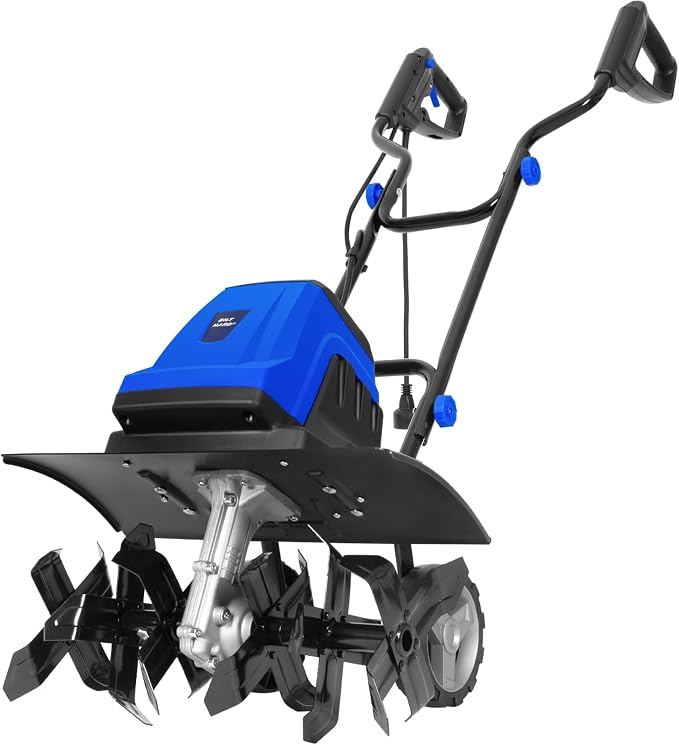
Built with rust-resistant steel tines and a lightweight 25 lbs frame, this electric tiller suits gardening enthusiasts dealing with clay soil who want a powerful yet portable tool. Its biggest strength lies in the combination of a strong 15Amp motor and adjustable depth wheels, offering great control over tough ground.
Setup involves folding the H-handle into position and attaching the front tines secured by four quick knobs, making storage simple. Daily use feels comfortable thanks to the 6 flip-down wheels that allow depth adjustments, letting you customize how deep the blades dig. The corded electric design means constant power without refueling or recharging.
The 380 RPM blade speed and four angled tines effectively break up compacted clay soil, preparing it well for planting. The build quality aligns with the durable motor and rust-resistant blades, suitable for wet or dry conditions. Positive notes often mention its lightweight portability, while some find the cord limiting during operation.
Many find the tiller’s power and rust-resistant blades effective for tough clay soil, with the lightweight design praised for ease of movement. The main drawback remains the cord restricting how far it can be used without extension.
Gardeners with small to medium plots and access to power outlets will appreciate this tiller’s efficiency and portability. Those needing extensive coverage or cordless freedom might want to consider alternatives.
Pros
- Rust-resistant front tines for durability
- Lightweight at just 25 lbs for easy mobility
- Adjustable tilling depth with flip-down wheels
- Corded power ensures no interruptions from charging
Cons
- Cord can limit range of movement
- Not suitable for very large garden areas
| Specification | Details |
|---|---|
| Motor Power | 15Amp |
| Voltage | 120V, 60Hz |
| Blade Speed | 380 RPM |
| Weight | 25 lbs |
| Wheels | 6″ flip-down with 4 positions |
9. Cordless Electric Garden Tiller

Cordless freedom stands out immediately, making yard work less of a chore. Perfect for gardeners wanting power without gas fumes or cords. Great for raised beds, small lawns, and tight spaces where maneuverability matters most.
Setup is simple; just charge the 21V battery and you’re ready. Handling is lightweight and easy, which helps especially in clay soil where digging feels tough. The 48 steel tines spin at 400RPM, working through hard soil and roots with less strain.
It’s quiet and doesn’t leave messes of fuel or oil, so daily use feels cleaner and less exhausting.
The tiller breaks up compact and clay soil effectively thanks to its high-performance motor and durable steel tines. Build quality is solid but not heavy, making it manageable over longer periods.
Most users find it powerful for the size, though some mention the battery life could be longer for bigger plots.
Strongest praise is for the cordless convenience combined with enough power to tackle clay soil. The most common complaint relates to battery endurance, which can limit work time on larger gardens.
This model suits gardeners with small to medium plots who want easy handling and less fuss with maintenance. Those needing longer runtimes or deep soil cultivation might consider a different tool.
Pros
- Cordless design offers true portability
- 48 steel tines handle tough soil well
- Lightweight and easy to maneuver
- Quiet compared to gas-powered tillers
Cons
- Battery life may be short for large areas
- Not suited for very deep tilling jobs
| Specification | Details |
|---|---|
| Brand Name | reffmov |
| Model Number | sy-818 |
| Battery Voltage | 21V |
| Number of Tines | 48 |
| Speed | up to 400RPM |
10. 20V Cordless Electric Tiller Cultivator

Perfect for tight spots and small gardens with clay soil, this cordless tiller offers true freedom from cords and quick soil loosening. Compact and lightweight, it suits gardeners who need easy handling without sacrificing power for breaking up compacted ground.
Out of the box, it’s simple to start using thanks to its cordless design, no need to worry about plugs or extension cords. The ergonomic grip keeps hand strain low during longer sessions. Its compact size allows you to maneuver easily around plants or in raised beds, turning soil roughly 4 inches deep without much effort.
With two steel tines spinning at 240 RPM, the machine does a solid job of breaking up hard clay and preparing garden beds. The lightweight frame and comfortable grip reduce fatigue while working. The most common downside is that while effective for small plots, it doesn’t handle large or very dense areas as quickly as heavier equipment might.
Its strongest point lies in quick and easy operation, breaking up compacted soil efficiently without the hassle of cords. Many find it perfect for small gardens, though it struggles with larger, tougher ground, which some users mention as a limitation.
Casual gardeners and those with small to medium plots will appreciate the balance of power and portability. People needing heavy-duty tilling for extensive clay soil should consider more powerful, larger tillers instead.
Pros
- Cordless for unrestricted movement
- Lightweight and easy to hold
- Effective soil loosening up to 4 inches deep
- Ergonomic grip reduces hand strain
Cons
- Not ideal for very large or dense areas
- Limited to two tines, reducing overall power
| Specification | Details |
|---|---|
| Brand Name | Muylux |
| Model Number | CT-20LS |
| Unit Count | 1 Count |
| Number of Items | 2 |
| Manufacturer Part Number | CT-20LS |
11. Cordless Electric Tiller Cultivator

Soil that’s heavy and clay-packed can be a real pain to turn over for planting. Cordless Electric Tiller Cultivator suits gardeners who want a strong tool to break up tough ground without dealing with cords or gas engines.
Its biggest strength is the dual-battery system allowing longer work sessions without stopping for recharge.
Getting started is straightforward with two 3000mAh rechargeable batteries that easily swap in and out to keep going. The cordless design means you’re free from tangling cables or awkward extensions while tilling. Controls feel natural and the tiller cuts through soil cleanly within a 9-inch width and about 6.6 inches deep, making it great for garden beds or small plots.
Powered by a 600W brushless motor, the cultivator consistently turns clay soil without bogging down. The four steel blades are sturdy and maintain sharpness through regular use.
Many note how it handles the work better than expected for a cordless tool, though some say battery life limits longer sessions. Its build feels solid but lightweight enough for easy maneuvering.
Most users appreciate how the motor and blades cut through tough clay soil effectively, making garden prep much easier. The dual batteries are great but some mention you’re limited if you need longer than 40 minutes without spares.
Gardening enthusiasts with medium-sized plots or raised beds will find this tiller very useful. Those needing extended, heavy-duty tilling over large acres might want to look for a gas-powered alternative instead.
Pros
- Cordless for flexible movement and no hassle
- Dual batteries extend working time without breaks
- Powerful 600W motor handles clay soil well
- Four steel blades for thorough tilling and aeration
Cons
- Battery only lasts 30–40 minutes per charge
- Not ideal for very large areas needing continuous work
| Specification | Details |
|---|---|
| Brand Name | Jmmyvanee |
| Model Number | SY-818 |
| Power Source | 600W brushless motor |
| Battery Capacity | Two 3000mAh rechargeable batteries |
| Tilling Width | 9 inches |
| Tilling Depth | 6.6 inches |
12. Cordless Tiller Cultivator for Dewalt 20V

Boasting a 9-inch working width and 6.3-inch tilling depth, the Cordless Tiller Cultivator for Dewalt 20V is tailored for gardeners dealing with compacted clay soil. It is perfect for those who already own a Dewalt 20V Max battery and want a lightweight tool for breaking up tough soil without extra battery purchases.
Setup is straightforward because you simply add your existing Dewalt 20V Max battery, no charger or battery included. It feels well balanced during use, making it easier to maneuver around garden beds. The 4 blades with 48 hardened steel teeth dig through clay soil efficiently, reducing the effort needed to prepare seedbeds day-to-day.
Cleaning off the steel gear after use is manageable since rust resistance helps keep it in working order.
Hard soil does not stand in its way, thanks to durable steel gears that ensure consistent power transmission. The build quality feels solid, especially the rust-resistant steel teeth. Many praise its ability to handle tough soil, while common complaints focus on the absence of a battery and charger, meaning an additional purchase if your tools don’t run on Dewalt 20V Max.
High marks go to how well the steel teeth cut through dense soil, making garden prep less taxing. The most frequent downside is having to source a compatible battery separately if you don’t already have one, which adds cost and delay.
Gardeners who already own Dewalt 20V Max batteries and want a compact, durable tiller will find this a practical choice. Those new to cordless tools or lacking compatible batteries should consider models that come with everything needed to start right away.
Pros
- Compatible with Dewalt 20V Max batteries
- Rust-resistant steel gear for durability
- Efficiently breaks up compacted clay soil
- Good tilling depth for seedbed prep
Cons
- No battery or charger included
- Might not suit users without Dewalt 20V batteries
| Specification | Details |
|---|---|
| Brand Name | worksky |
| Model Number | WKS-RT-DW |
| Working Width | 9 inches |
| Tilling Depth | 6.3 inches |
| Number of Blades | 4 blades, 48 hardened steel teeth |
| Warranty | 1 year warranty |
Best Rototillers for Clay Soil Comparison Table
| Product | Power Type | Tilling Width | Warranty | Battery Included |
|---|---|---|---|---|
| SEYVUM Cordless Tiller | Cordless | – | 18 Month Warranty | – |
| MZK 20V Tiller Cultivator | Battery-powered | – | – | Included |
| MAXLANDER 40V Tiller | Battery-powered | 12 | – | Included |
| Heavy Duty 25.6 Gas Tiller | Gas-powered | – | – | – |
| Generic Cordless Tiller | Battery-powered | – | – | Included |
| Dewalt 20V Compatible Tiller | Battery-powered | 9 | – | Not Included |
| Manual Hand Tiller | Manual | – | – | – |
| BILT HARD 18 Electric Tiller | Electric | – | – | – |
| Cordless Garden Tiller | Cordless | – | – | – |
| 20V Cordless Electric Tiller | Cordless | – | – | – |
| Generic Cordless Cultivator | Cordless | – | – | – |
| Dewalt 20V Tiller Cultivator | Battery-powered | – | 1 Year Warranty | Not Included |
- Power TypeCordless
- Tilling Width–
- Warranty18 Month Warranty
- Battery Included–
- Power TypeBattery-powered
- Tilling Width–
- Warranty–
- Battery IncludedIncluded
- Power TypeBattery-powered
- Tilling Width12
- Warranty–
- Battery IncludedIncluded
- Power TypeGas-powered
- Tilling Width–
- Warranty–
- Battery Included–
- Power TypeBattery-powered
- Tilling Width–
- Warranty–
- Battery IncludedIncluded
- Power TypeBattery-powered
- Tilling Width9
- Warranty–
- Battery IncludedNot Included
- Power TypeManual
- Tilling Width–
- Warranty–
- Battery Included–
- Power TypeElectric
- Tilling Width–
- Warranty–
- Battery Included–
- Power TypeCordless
- Tilling Width–
- Warranty–
- Battery Included–
- Power TypeCordless
- Tilling Width–
- Warranty–
- Battery Included–
- Power TypeCordless
- Tilling Width–
- Warranty–
- Battery Included–
- Power TypeBattery-powered
- Tilling Width–
- Warranty1 Year Warranty
- Battery IncludedNot Included
How to Choose the Best Rototiller for Clay Soil
Choosing the right rototiller for clay soil depends on power, tine design, and durability, as these help break up dense soil effectively. Selecting the proper features ensures efficient tilling, reduces wear, and prevents damage, ultimately saving time, effort, and repair costs.
Power and Torque
Breaking through dense clay soil demands a machine with a strong and steady power source. Smaller engines often struggle, stalling under pressure or bogging down mid-task.
Engines in the 5 to 7 horsepower range or electric motors delivering around 1500 watts handle compacted soils without strain. This level of power keeps the tiller moving steadily, preventing frequent halts that wear on both the operator and the equipment.
Consistent power delivery means the machine can run for extended periods without overheating or losing efficiency. Look for rototillers with cooling systems or engines designed to operate under load for half an hour or more.
This reliability makes tough jobs less physically demanding and reduces downtime caused by frequent engine cooling breaks.
Tine Configuration and Depth
Tines are the point of contact between the machine and clay soil, so their quality directly influences performance. Steel tines that are cast or forged tend to hold up better against the abrasive nature of clay, resisting bending and dulling. Shallow tines without enough thickness bend easily in heavy soil.
Adjustable tilling depth is critical for adapting to various garden needs, commonly ranging from 4 to 10 inches. Controlling depth helps avoid overworking the soil or damaging plant roots.
A configuration of four to six tines spaced 5 to 7 inches apart balances digging power and even soil turning, promoting better aeration without excessive compaction.
Weight and Maneuverability
Weight plays a vital role in handling clay soil. Machines too light tend to ride over the ground instead of digging in, requiring more effort to force penetration. Too much weight, however, causes fatigue and difficulty steering through sticky soil.
An ideal balance lies between 40 to 70 pounds, providing enough downward force to break hard ground while remaining manageable.
Good maneuverability involves responsive steering and ergonomic handles or grips thoughtfully shaped to reduce hand strain. Some models offer adjustable handle height and cushioned grips, easing operator fatigue during long tasks.
A well-balanced machine makes turning and guiding through tight spaces manageable even as soil resists movement.
Durability and Build Quality
Clay soil is heavy and can be abrasive, so a machine built from quality steel or durable alloys tends to last longer without rust or damage. Components such as the tine shaft and casing should be made from corrosion-resistant materials or treated finishes to withstand moisture and clay buildup without degrading.
Bearing shields or covers help prevent soil and debris from damaging moving parts, maintaining consistent operation. Machines designed with dirt guards or skid plates offer additional protection for vulnerable areas. Spending extra upfront on a solid build cuts down on costly repairs since parts hold up under frequent use without failing.
Maintenance and Ease of Cleaning
Clay tends to stick tightly to tiller tines and housing, making cleanup frustrating if the design doesn’t allow easy access. Tines that are removable or swing out simplify the task of scraping off compacted clay. Machines with smooth, rounded edges rather than crevices reduce soil buildup.
Routine checks and small repairs become quicker if parts like belts, spark plugs, or filters can be reached without tools or complicated disassembly. Availability of replacement parts locally or online also matters, reducing downtime. Clear instructions for maintenance ensure that even novices can keep the machine running well season after season.
Effective Techniques for Using a Rototiller in Clay Soil
Clay soil can be dense and compact, so working it with a rototiller requires the right approach to avoid overworking and damaging both the soil and machine. Start by moistening the soil slightly one day before tilling; overly wet or dry clay makes tilling inefficient.
Use these tips for better results:
- Set the tines to a shallow depth initially to break the surface without creating large clumps.
- Work the soil in multiple passes rather than trying to till it too deeply in one go.
- Move the rototiller steadily, avoiding stops and starts that compact the soil further.
- After each pass, rake or break apart chunks manually to ensure even soil texture.
These steps reduce strain on the rototiller’s engine and blades while improving soil aeration and preparation for planting.
Routine Maintenance Tips to Prolong Your Rototiller’s Lifespan
Maintaining a rototiller properly extends its useful life and keeps it running smoothly through tough clay soils. Regular checks of the air filter and spark plug are critical; clay dust and debris can clog and wear these parts quickly.
Keep these maintenance habits:
- Clean or replace the air filter after every few hours of use, especially in dusty conditions.
- Inspect and clean the tines regularly, removing any compacted soil or stones to prevent damage.
- Change the engine oil after about 25 hours of use following the manufacturer’s guidelines.
- Store the rototiller in a dry place to avoid rust and corrosion.
Frequent lubrication of moving parts and checking belts or cables for wear also helps prevent breakdowns.
Safety Precautions and Common Mistakes When Tilling Clay Soil
Tilling clay soil demands particular safety attention because the machine can bind or kick back if overloaded. Never force the rototiller into hard spots; this risks sudden stops or jerks that could cause injury.
Common mistakes to avoid include:
- Ignoring proper depth settings and trying to till too deeply in one pass.
- Overworking the motor by pushing the machine too quickly through dense soil.
- Wearing loose clothing or no protective gear while operating the rototiller.
- Failing to clear the area of stones and debris, which can damage the tines or be thrown by the machine.
Always read the user manual before starting and use eye protection along with sturdy footwear to reduce the risk of accidents and injuries.
People Also Asked
How Do I Choose the Right Size Rototiller for Clay Soil?
Choose a rototiller with a powerful engine and sturdy tines, ideally medium to heavy-duty, to break up dense clay soil effectively. A wider tilling path helps cover more area but remember that heavier machines can be tougher to maneuver.
What Safety Precautions Should I Take When Using a Rototiller?
Always wear sturdy boots and safety goggles to protect from debris, and keep both hands on the handles during operation. Turn off the engine before adjusting or unclogging the tines to avoid accidents.
How Do I Maintain a Rototiller for Clay Soil Use?
Regularly clean soil from the tines and check bolts and cables for tightness after each use. Changing the oil and sharpening or replacing tines will keep the machine working well in tough clay conditions.
Can a Rototiller Handle Hard, Compacted Clay Soil Effectively?
Yes, a rototiller with strong tines and sufficient weight can handle compacted clay but may require multiple passes or watering the soil beforehand. Running the tiller slowly helps prevent stalling and reduces strain on the engine.
What Are Common Problems When Using a Rototiller in Clay Soil?
Rototillers often get clogged with wet clay or may struggle with very hard soils, leading to reduced efficiency or engine stalling. It’s helpful to moisture condition the soil and avoid deep tilling in one go to prevent overworking the machine.
Conclusion
Look for a rototiller with strong tines that can break up dense clay without stalling. A powerful engine helps maintain consistent tilling depth. Consider models with adjustable tilling widths to suit different garden sizes and tasks.
Choose a rototiller that matches the size of your garden and how often you plan to use it to avoid unnecessary expense or effort. Smaller models work well for tight spaces, while larger ones handle bigger plots better. Review the comparison table and detailed picks above to find the one that fits your needs best.

I’m Jake Thompson, and I’ve spent over a decade working on lawn mowers, from small push mowers to big riding tractors. I write about starting problems, blade sharpening, carburetor cleaning, oil changes, and seasonal maintenance. My goal is to give you clear, step-by-step advice so you can handle common mower issues yourself and keep your lawn looking sharp all season.