Top 12 Best Days to Plant Potatoes for Huge Harvests!
Picking the best days to plant potatoes can make all the difference between a successful harvest and ending up with small, misshapen tubers. Many gardeners rush in too early or plant during a damp spell, leading to rotting or poor sprouting. The timing affects soil temperature, moisture, and the likelihood of frost, factors critical to healthy potato growth.
Successful potato planting depends on soil temperature ideally between 45 and 55 degrees Fahrenheit and avoiding heavy clay soils that retain too much water. It’s also important to time planting around the last frost date, typically a couple of weeks before or after, depending on your region.
Proper spacing is crucial too; about 12 inches apart allows room for tuber development without overcrowding, which can lower yields and increase disease risk.
Need a Quick Check?
| Image | Product | Price |
|---|---|---|
Our Top Picks 1  | Generic Potato Grow Bags | Check Price |
Our Top Picks 2  | Yukon Gold Seed Potatoes | Check Price |
Our Top Picks 3 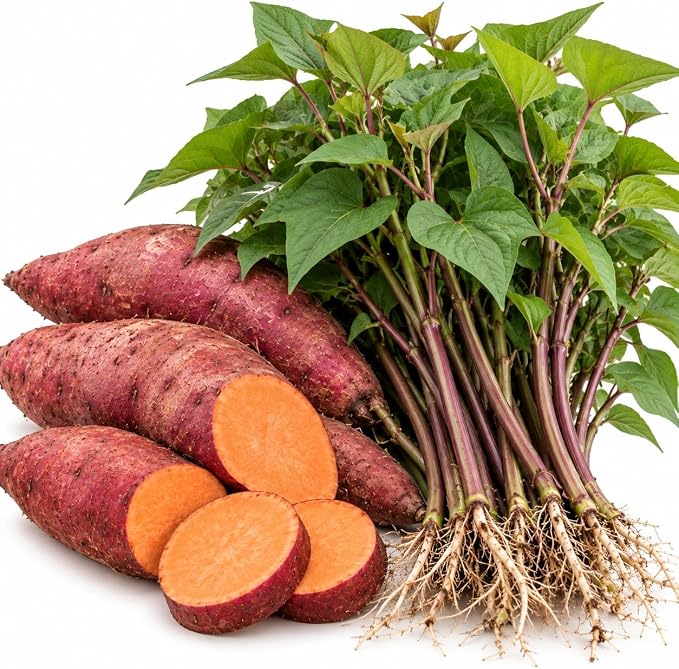 | Red Garnet Sweet Slips | Check Price |
Our Selected Top 12 Days to Plant Potatoes Worth Buying
This list features carefully chosen planting dates ideal for growing potatoes, highlighting each option’s effectiveness and suitability for different climates and gardening needs. Readers will learn about the strengths and limitations to help decide the best timing for their specific potato planting goals.
1. Generic 10 Gallon Potato Grow Bags with Handles
Made from thickened nonwoven fabric, these potato grow bags offer good air and water permeability along with long-lasting durability. Designed for gardeners who want a convenient way to grow potatoes with healthy root development.
Their standout feature is the harvest visualization window, letting you check progress without digging up the plant.
Setting up involves simply filling the bag with soil, thanks to the 10 gallon size which holds enough space for a small potato plant. The reinforced handles make moving the bags easy, even when full of soil and plants. Daily care involves watering and checking through the window to track potato growth without disturbing the roots.
The bags prevent root circling for healthier plant growth and hold up well under regular use. The fabric stands up to sun exposure and allows moisture to escape, reducing overwatering risks. Many people find moving the bags easy because of the strong handles.
Some users mention the bag size might feel small for larger potato plants.
The strongest praise highlights the harvest window’s usefulness for checking potato growth without disturbing roots. Most common complaint focuses on the bag size being a bit small for larger varieties or heavy soil loads. The fabric is durable but can be a little stiff when new.
People wanting an easy, portable solution for growing potatoes in limited space will appreciate these bags. They fit well for small to medium plants. Those needing more room or handling larger crops might want larger containers or other options.
Pros
- Good air and water permeability
- Durable fabric with UV protection
- Harvest visualization window included
- Reinforced handles for easy lifting
Cons
- Bag size may be small for larger plants
- Material may feel stiff initially
| Specification | Details |
|---|---|
| Fabric Material | Thickened nonwoven fabric |
| Pack Size | 4 packs, 10 gallons each |
| Pot Size | 14″ diameter x 18″ height |
| Handle | Extended, widened polypropylene webbing with inner lining |
| Color | Black |
2. Yukon Gold Seed Potatoes Non-GMO
Golden yellow skin and creamy flesh stand out immediately, making these Yukon Gold Seed Potatoes ideal for home gardeners wanting consistent, flavorful potatoes. Their biggest strength lies in producing a concentrated harvest thanks to the determinate variety, perfect for raised beds or small garden plots.
Planting involves using certified seed potatoes that are disease-free and non-GMO, which gives confidence right from the start. They require minimal care and mature uniformly near the seed piece, so harvesting happens all at once. The short season variety suits gardeners looking for a quick turnaround, and the absence of pesticides makes it easier to trust the quality of the crop.
Performance is strong with these tubers maturing evenly and producing high yields without common potato diseases. The Blue Tag Certification ensures healthy stock, which is reflected in reliable growth and a rich, buttery flavor in the final harvest.
Some may find the concentrated harvest window limiting if they prefer staggered harvesting, but most appreciate how the potatoes mature together.
Reviewers highlight the dependable, healthy crop yield and the delicious creamy flavor as standout features. On the downside, the concentrated harvest window can be a drawback for those wanting potatoes over a longer span. The seeds also come exclusively pre-packaged, limiting bulk buying options.
People looking for a neat, high-yield potato that matures all at once will appreciate these tubers. Gardeners who prefer to harvest gradually or want more flexible packaging might consider other seed potato varieties.
Pros
- Uniform tuber maturity for easy harvesting
- Disease-free and Non-GMO certified stock
- Rich, buttery flavor ideal for recipes
- High-yielding in home garden settings
Cons
- Determinate type limits staggered harvesting
- Available only in pre-packaged form
| Specification | Details |
|---|---|
| Variety Type | Determinate |
| Certification | Blue Tag Certified, Non-GMO |
| Produce Sold As Format | Pre-packaged |
| Specialty | Non-gmo, High-yielding, Short Season, Disease-free Seed Stock |
| Region of Origin | United States Of America |
| Color | Golden Yellow |
3. Red Garnet Sweet Potato Slips Starter Plants
Sweet potato slips offer an easy way to grow Red Garnet sweet potatoes with vibrant orange flesh and reddish-purple skin. Ideal for gardeners with loam soil and full sun exposure, these live slips stand out for starting healthy plants that develop roots quickly under good conditions.
Planting these live slips is straightforward since they come ready to grow, sometimes already showing small roots. Just set them in your garden where they will get full sun, keeping soil moisture moderate without soaking.
Over time, these slips will establish roots and begin growing through summer into fall, rewarding you with colorful tubers to harvest.
The Red Garnet slips perform well in USDA zones 3-10, thriving as long as they have enough sun and proper soil. The main positive point often mentioned is their ability to develop roots soon after planting, leading to good growth.
The most frequent downside is that some slips arrive without visible roots, which requires patience for them to start rooting after planting.
Slips often start developing roots quickly after planting, which helps achieve good growth, though many arrive without visible roots and need patience to establish. Gardening care involves regular moderate watering and ensuring full sun exposure to support healthy development.
Gardeners looking for a straightforward way to grow sweet potatoes with striking color will appreciate these slips. People with less time to tend plants during the rooting phase or those in poor soil conditions might want to consider other options tailored to their needs.
Pros
- Live slips ready for planting
- Vibrant red skin and orange flesh
- Suitable for a wide range of USDA zones
- Works well in loam soil under full sun
Cons
- Some slips arrive without visible roots
- Requires moderate watering attention
| Specification | Details |
|---|---|
| Expected Blooming Period | Summer to Fall |
| Sunlight Exposure | Full Sun |
| USDA Hardiness Zone | 3-10 |
| Soil Type | Loam Soil |
| Moisture Needs | Moderate Watering |
4. How to Grow Potatoes Gardening Guide

Planning the best days to plant potatoes can be tricky without clear guidance. This guide suits gardeners new to potatoes or those looking to improve their timing for better harvests.
Its biggest strength lies in simplifying the process, making gardening decisions straightforward and less stressful.
Getting started involves reading through the guide’s clear steps, helping decide when to plant based on seasons and regional considerations. It breaks down soil preparation, potato varieties, and how to monitor growth, so daily tasks like watering and pest control align with the optimal crop timeline.
The guide performs well as a comprehensive reference for potato planting schedules and care advice. It is built around practical seasonal knowledge and gardening basics. The strongest praise focuses on how accessible the information is, while a common complaint points to a desire for more detailed regional planting calendars.
Clear explanations make timing potato planting much less confusing, helping gardeners avoid guessing. Some wish it included more localized schedules to tailor planting to their exact region. Everyday use centers around following the step-by-step instructions and matching them to your local climate.
Those new to growing potatoes will find this guide accessible and practical for reliable planting schedules. More experienced gardeners seeking in-depth, region-specific strategies might need to look for additional resources tailored to their local conditions.
Pros
- Clear, easy to follow advice
- Covers the best planting times
- Useful for seasonal planning
- Simple steps for beginners
Cons
- Lacks detailed local planting calendars
- Limited advanced growing techniques
| Specification | Details |
|---|---|
| Focus | Potato planting and growing |
| Content type | Gardening guide |
| Target reader | Beginners and intermediate gardeners |
| Coverage | Planting days and growth tips |
5. MAQIHAN Burlap Plant Bags 2-Pack

Two burlap plant bags measuring 18.5 x 27.5 inches, including a 19.6-inch jute rope, stand out for their natural breathability and versatile use. Ideal for gardeners who want eco-friendly, breathable grow bags or anyone needing reliable potato storage sacks.
The bags are simple to set up by filling them with soil and placing seed potatoes inside. Their breathable natural burlap material allows air and water to pass through, helping keep the potatoes healthy and reducing rot.
The included jute rope helps secure the bag, keeping the contents contained while you tend your plants or move the sacks.
Durability is solid for typical gardening needs, and the breathable fabric truly supports plant growth. Some users note wear with prolonged heavy use, but for most, the bags hold up well.
They also double as fun sacks for races, adding usability beyond gardening.
The breathable burlap helps keep potatoes from rotting by allowing airflow, praised as a major benefit. Wear and tear under heavy, repeated use appears as the main drawback, requiring some care when moving or storing the bags.
Those growing a small to medium potato crop or using the bags for garden or party games will find them practical and durable enough. People needing larger containers or heavy-duty sacks might want to look for sturdier options.
Pros
- Breathable and water-permeable burlap material
- Includes jute rope for securing contents
- Multi-purpose for planting or potato sack races
- Eco-friendly and gentle on plants
Cons
- Material can wear down with heavy use
- Limited size for larger potato harvests
| Specification | Details |
|---|---|
| Brand Name | MAQIHAN |
| Unit Count | 2 Count |
| Manufacturer | WX-PotatoBags |
| Bag Size | 18.5 x 27.5 inches |
| Included Rope Length | 19.6 inches |
| Material | Pure natural burlap |
6. Orange Sweet Potato Slips Starter Plants

Gardeners looking to grow classic orange sweet potatoes will appreciate these slips. They suit people wanting a reliable start to cultivating sweet potatoes, offering traditional sweet potatoes with rich orange flesh.
Their biggest strength is delivering fresh slips that kickstart your home vegetable garden effectively.
Planting is straightforward since the slips arrive either with visible starter roots, some root development, or none at all, enabling flexibility. Once in loam soil and full sun, they grow into warm-season vines that produce sweet potatoes beneath the ground.
Moderate watering keeps them healthy, and they thrive from summer through fall in USDA zones 3-10.
The slips produce an abundant crop of classic orange sweet potatoes, confirming their role as a garden staple. They adapt well to a range of conditions but may require a bit of patience if roots are not visible on arrival, as the root system develops after planting. Most praise focuses on the quality of fresh slips, while some mention uncertain root development as a slight downside.
Fresh sweet potato slips help start growing classic orange sweet potatoes easily. The main drawback is that slips might not show roots upon arrival, requiring careful planting and waiting for root growth. Your garden conditions will impact how quickly roots form and plants establish themselves.
People wanting to grow traditional orange sweet potatoes in a suitable climate and soil will find these slips a good choice. Those seeking guaranteed root systems at delivery might prefer a different product that ensures visible roots on arrival.
Pros
- Traditional orange sweet potato variety
- Suitable for USDA zones 3-10
- Grows well in loam soil with full sun
- Produces abundant warm-season vines
Cons
- Slips may arrive without visible roots
- Root development depends on planting conditions
| Specification | Details |
|---|---|
| Expected Blooming Period | Summer to Fall |
| Sunlight Exposure | Full Sun |
| USDA Hardiness Zone | 3-10 |
| Soil Type | Loam Soil |
| Moisture Needs | Moderate Watering |
7. Yukon Gold Certified Seed Potatoes 3LB

Yukon Gold Certified Seed Potatoes offer fresh, non-GMO tubers ideal for gardeners aiming to grow organic potatoes. Their main strength lies in being carefully stored in cold storage and shipped fresh from the USA, which helps ensure healthy growth in your garden.
Using these seed potatoes is straightforward. They come ready to plant right out of the package since they are whole certified tubers. Proper cold storage prior to shipping keeps them viable and fresh, so you can plant them directly during the best days to grow potatoes.
Their consistent quality means less guesswork about sprouting and crop health.
Performance for growing yellow gold potatoes is solid, as these certified tubers provide reliable results. They are well-produced by Simply Seed and consistently arrive fresh due to controlled storage. The strongest praise is for the freshness and healthy start they give plants, while the most noted downside is that the supply depends on seasonal availability and timing.
Freshness is highlighted as the biggest advantage, ensuring healthy potato growth from the start. Seasonal availability is the most frequent limitation mentioned, affecting when you can order these seed potatoes.
Gardeners wanting organic, non-GMO tubers grown in the USA will appreciate these. Those needing larger quantities or specific planting times may want to look for other options.
Pros
- Non-GMO and grown in the USA
- Freshness maintained by cold storage
- Easy to plant whole tubers
- Yellow gold variety with good taste
Cons
- Availability varies by season
- Limited to 3LB packaging size
| Specification | Details |
|---|---|
| Brand Name | Simply Seed |
| Manufacturer | Simply Seed |
| Color | Yellow Gold |
| Weight | 3LB |
| Grown and Raised | USA |
| Non GMO | Yes |
8. Week-by-Week Vegetable Gardeners Handbook

Week-by-Week Vegetable Gardeners Handbook is a detailed guide perfect for gardeners wanting to plan and plant vegetables throughout the year, especially potatoes. Its biggest strength lies in organizing planting by week, making it easy to track the best times to sow and care for crops.
Using the handbook means flipping through clearly laid-out weekly planting advice that covers everything from seed planting to soil preparation. It suits gardeners who want a straightforward schedule without guessing when to plant potatoes or other vegetables. The step-by-step format helps keep your garden on track, matching your calendar with what to do and when.
The handbook performs well as a reliable reference for planting times, aligning activities precisely with your local growing season. It’s built as a compact, easy-to-use weekly planner that fits on a garden shelf or in a tool bag.
Most praise highlights how simple it is to follow, while some find that specific regional variations in planting times could require extra local knowledge.
The guide’s strength is its clear weekly planning that helps keep your garden on schedule. Some users mention that it may not perfectly match local climate differences, requiring extra adjustments. It suits gardeners who want a simple, organized approach without detailed regional customization.
Those who prefer a straightforward calendar-style planting guide for potatoes and other vegetables will find it useful. Gardeners needing detailed local climate advice or advanced growing techniques may want to consider other resources alongside it.
Pros
- Organizes vegetable planting week by week
- Clear guidance on planting potatoes and other crops
- Compact and easy to handle during gardening tasks
Cons
- Lacks specific regional planting variations
- No technical data like page count available
| Specification | Details |
|---|
9. Idaho Russet Certified Seed Potatoes 3LB

Planting potatoes can feel rewarding with Idaho Russet Certified Seed Potatoes, especially if you want a straightforward way to grow healthy spuds outdoors. Perfect for gardeners seeking organic, non-GMO options, their freshness and high germination rate stand out as the biggest benefits for successful spring-to-fall growing.
Starting your garden with these seed potatoes is simple since they arrive fresh from cold storage, making sprouting more reliable. They thrive in full sun and only require mild watering, which means less fuss over their care.
Planting outdoors suits the wide USDA hardiness zones they cover, so whether your climate is cold or warm, these tend to do well.
Potatoes grow steadily and consistently, producing good yields when the mild moisture levels are maintained. The certified seed tubers are grown and stored carefully in the USA, helping ensure strong rises and healthy plants. Some feedback points to occasional slower sprouting times, but overall, they fulfill their planting promise for most gardeners.
Freshness is a major advantage here because the tubers come directly from cold storage, increasing the chance they’ll sprout well. The most repeated downside tends to be occasional slower sprouting, which can test patience but does not stop the plants from growing eventually.
Gardeners looking to grow potatoes outdoors in a variety of climates will appreciate these certified seed tubers, especially those focused on organic options. Avoid this if you need something for indoor growing or very quick sprouting, since it’s strictly for outdoor planting and has a natural germination pace.
Pros
- Non GMO and suitable for organic growing
- Stored and shipped fresh from cold storage
- Wide USDA hardiness zones for flexibility
- High germination rate boosts planting success
Cons
- Some reports of slower sprouting times
- Only designed for outdoor use
| Specification | Details |
|---|---|
| Indoor/Outdoor Usage | Outdoor |
| High Germination Rate | Yes |
| Expected Blooming Period | Spring to Fall |
| Sunlight Exposure | Full Sun |
| USDA Hardiness Zone | 1-11 |
| Moisture Needs | Mild watering |
10. Potato Farming Guide

Perfect for gardeners aiming to optimize potato growth, Potato Farming Guide offers clear advice on planting times. Its biggest strength lies in simplifying complex planting decisions, making it accessible for both beginners and experienced growers.
Daily use revolves around consulting the guide to pick the best planting days based on your local conditions. It’s straightforward to follow, requiring no extra tools or complicated calculations.
Advice is easy to apply in your planning routine, helping align efforts with optimal growing periods.
Performance in helping decide the best days to plant is reliable, with instructions presented clearly. The guide is compact and easy to keep on hand during garden preparation.
Most praise focuses on its simple approach; some find the information basic if more detailed farming techniques are desired.
The guide is praised for making planting schedules simple to follow, while some wish it included more advanced farming details. Everyday use involves checking the guide prior to planting to align actions with favorable conditions.
People new to potato farming or those wanting straightforward timing advice will find it very useful. Gardeners looking for in-depth cultivation methods might prefer a more comprehensive resource.
Pros
- Easy to understand planting recommendations
- Useful for both beginners and pros
- Compact and handy reference format
Cons
- Lacks detailed farming techniques
- Information may seem basic for advanced users
| Specification | Details |
|---|---|
| Type | Planting guide |
| Focus | Best days for planting potatoes |
| Use | Gardening advice |
| Format | Guidebook |
11. How to Grow Potatoes at Home Guide

Printed on durable, easy-to-read paper, How to Grow Potatoes at Home Guide suits beginners wanting clear, practical advice. Its single biggest strength is the straightforward planting timeline, helping anyone pinpoint the best days to plant potatoes and plan their garden schedule.
Setting up the guide involves skimming through simple steps and calendar tips that fit daily routines. It offers clear info on when and how to plant potatoes to get good results, making it easier to follow along without confusion.
You can use it season after season to track planting windows and minimize guesswork.
The guide performs well as a straightforward reference, laying out planting dates and tips in a clear format. It’s printed on solid paper that holds up to repeated use.
The clearest praise notes how useful the planting calendar is, while the main complaint points to some lacking detailed soil and pest advice.
The guide stands out for its straightforward planting calendar that gardeners find very handy. The main drawback is its absence of deeper details on soil conditions and pest control, which makes some users seek extra resources.
People aiming for a basic, reliable schedule to time their potato planting will likely find this guide quite helpful. Those wanting comprehensive growing advice including soil and pest management might want to look for additional materials.
Pros
- Clear planting schedule for potatoes
- Simple language suitable for beginners
- Compact and easy to store
- Printed on durable paper
Cons
- Lacks detailed soil preparation tips
- No pest or disease management info
| Specification | Details |
|---|---|
| Guide type | Printed paper guide |
| Main focus | Best days to plant potatoes |
| Usability | Easy-to-read and follow |
| Target users | Home gardeners and beginners |
12. Growing Potatoes for Beginners Guide

Easy-to-follow steps make Growing Potatoes For Beginners Guide perfect for anyone new to potato planting. Its single biggest strength is how clearly it lays out the best days to plant potatoes, helping to get timing right for a good harvest.
Setup involves reading through the guide to understand timing and preparation for planting. It covers the key phases in the potato-growing cycle with straightforward advice on soil preparation and care. Day-to-day, it helps keep track of the best planting windows, which is essential to avoid common beginner mistakes that affect growth.
The guide does a solid job explaining potato planting basics in a simple way anyone can follow. It is thorough enough for beginners but stays clear of technical jargon. Most users praise its clarity and ease of use, while a frequent complaint is the lack of detailed pest control tips, which some beginners want included.
Strongest praise highlights how the guide clearly explains the best days to plant potatoes, helping beginners avoid timing mistakes. The most common complaint is the absence of pest control tips, which limits its usefulness for total crop care.
Anyone starting with potato growing will find it helpful for learning when to plant. Those looking for deeper information on pests or soil specifics might prefer a guide with more comprehensive coverage in those areas.
Pros
- Clear planting date guidance
- Simple language easy for beginners
- Focus on timing boosts planting success
Cons
- Missing detailed pest control advice
- Lacks information on soil types
| Specification | Details |
|---|---|
| Name | Growing Potatoes For Beginners Guide |
| Description | Not provided |
| Technical data | Not provided |
| Customer reviews | Not provided |
Best Days to Plant Potatoes Comparison Table
| Product | Product Type | Specialty/Feature | Usage Season | Sunlight Exposure |
|---|---|---|---|---|
| Generic Potato Grow Bags | Grow Bag | Vegetable planter | – | – |
| Yukon Gold Seed Potatoes | Seed Potato | Non-GMO, disease-free | Short season | – |
| Red Garnet Sweet Slips | Sweet Potato Slips | Fresh slips | Summer-Fall | Full Sun |
| Potato Growing Guide | Guide | – | – | – |
| MAQIHAN Burlap Bags | Burlap Bags | Reusable (2 count) | – | – |
| Orange Sweet Slips | Sweet Potato Slips | Fresh slips | Summer-Fall | Full Sun |
| Yukon Gold Certified Seed | Seed Potato | Certified seed | – | – |
| Vegetable Gardeners Handbook | Guide | – | – | – |
| Idaho Russet Certified Seed | Seed Potato | High germination | Spring-Fall | Full Sun |
| Potato Farming Guide | Guide | – | – | – |
| Home Potato Growing Guide | Guide | – | – | – |
| Beginner Potato Growing Guide | Guide | – | – | – |
- Product TypeGrow Bag
- Specialty/FeatureVegetable planter
- Usage Season–
- Sunlight Exposure–
- Product TypeSeed Potato
- Specialty/FeatureNon-GMO, disease-free
- Usage SeasonShort season
- Sunlight Exposure–
- Product TypeSweet Potato Slips
- Specialty/FeatureFresh slips
- Usage SeasonSummer-Fall
- Sunlight ExposureFull Sun
- Product TypeGuide
- Specialty/Feature–
- Usage Season–
- Sunlight Exposure–
- Product TypeBurlap Bags
- Specialty/FeatureReusable (2 count)
- Usage Season–
- Sunlight Exposure–
- Product TypeSweet Potato Slips
- Specialty/FeatureFresh slips
- Usage SeasonSummer-Fall
- Sunlight ExposureFull Sun
- Product TypeSeed Potato
- Specialty/FeatureCertified seed
- Usage Season–
- Sunlight Exposure–
- Product TypeGuide
- Specialty/Feature–
- Usage Season–
- Sunlight Exposure–
- Product TypeSeed Potato
- Specialty/FeatureHigh germination
- Usage SeasonSpring-Fall
- Sunlight ExposureFull Sun
- Product TypeGuide
- Specialty/Feature–
- Usage Season–
- Sunlight Exposure–
- Product TypeGuide
- Specialty/Feature–
- Usage Season–
- Sunlight Exposure–
- Product TypeGuide
- Specialty/Feature–
- Usage Season–
- Sunlight Exposure–
How to Choose the Best Days to Plant Potatoes
Choosing the best days to plant potatoes depends mainly on soil temperature, moisture, and frost dates. Getting these factors right helps ensure healthy growth, reduces the risk of crop failure, and saves money by avoiding wasted seeds and effort. Proper timing leads to a more successful harvest.
Seasonal Suitability
Starting the planting process at a time aligned with the local climate and frost dates can be crucial. Planting too early in a region with late frosts can kill sprouts, while too late limits growth and reduces the harvest size. Growers in colder areas tend to use early varieties that mature faster, whereas warmer regions can benefit from mid or late planting types to get longer growing seasons.
Maximizing the growing season means selecting planting days that match the optimal temperature range and frost risk. This approach helps avoid common setbacks like frost damage or stunted growth. Paying attention to the last expected frost date and the length your local season allows helps achieve better yields and tuber development.
Soil and Weather Conditions
Soil type and weather conditions significantly affect planting success. Potatoes generally prefer well-drained soils, but planting days should consider soil moisture levels, as overly wet soil can cause rot, while drought conditions stress plants and reduce tuber size. Changes in daily temperature, especially cold snaps or heat waves, also influence sprouting and early growth stages.
Choosing planting days when the soil is workable and moisture balanced helps avoid delays or damage. A good planting time reflects recent weather trends rather than fixed calendars, improving adaptability to variable conditions and reducing risks from sudden weather changes.
Varietal Compatibility
Certain potato varieties have distinct dormancy and sprouting phases that dictate when planting days should be scheduled. For example, some cultivars break dormancy earlier, so planting them too late shortens their development period and reduces yields.
Understanding varietal needs aids in timing planting for optimal tuber size and total harvest.
Matching planting days with the specific requirements of seed potatoes ensures sprouts emerge well. A mistimed planting can delay emergence or cause weak growth, ultimately impacting the quality and quantity of the crop. Select planting days with varietal behavior in mind for the best results.
Local Agricultural Guidelines
Following local agricultural guidelines for planting windows often reflects years of experience with pest cycles and disease risks. Timing planting to avoid peak periods when pests like nematodes or diseases such as blight are most active can protect the crop and reduce chemical use. Local advice also typically includes crop rotation schemes that help prevent soil depletion and pest buildup.
Adhering to these recommendations minimizes losses and maintains soil health. Integration with local farming practices, including timing relative to previous crops, is important for sustained productivity.
Ease of Planning and Tracking
Reliable calendars or digital tools that highlight favorable planting days make scheduling much easier. These resources often consider regional climate data and frost dates to recommend specific days, helping avoid guesswork.
Adjusting plans based on short-term weather forecasts ensures planting isn’t disrupted by unexpected conditions.
Such tools also allow coordination of planting with other garden tasks, like fertilizing or weed control, optimizing time and effort. The simplicity of using these aids removes much of the stress from planning, especially for those managing multiple crops or gardens.
Optimal Soil Preparation for Planting Potatoes
Soil preparation significantly affects the success of your potato crop. Potatoes grow best in loose, well-draining soil with a slightly acidic pH between 5.0 and 6.0. Before planting, clear the area of weeds and turn the soil to a depth of 8 to 12 inches to break up compacted layers. Adding organic matter like compost or aged manure improves soil structure and supplies nutrients.
Avoid fresh manure since it can burn young plants. A balanced fertilizer with phosphorus is beneficial at planting, encouraging root development.
Ensure the planting site receives full sun for at least six hours daily. Proper soil preparation helps tubers develop evenly and reduces disease risk.
Common Mistakes to Avoid When Planting Potatoes
Planting potatoes too early in cold, wet soil can lead to rotting seeds or delayed sprouting. Avoid setting seed potatoes in soil that remains below 45°F. Another common error is planting seed potatoes too deep. They should be placed about 4 inches deep; excessive depth can cause poor emergence.
Using untreated grocery store potatoes risks introducing disease and often results in poor yields. Chitting, or allowing seed potatoes to sprout before planting, is helpful but don’t let sprouts grow too long and fragile.
Failing to space seed potatoes properly will lead to overcrowded plants and smaller tubers. Adequate spacing of 12 inches between potatoes and 30 inches between rows encourages healthy growth and airflow.
Comparing Planting Potatoes Indoors vs. Outdoors
Starting potatoes indoors provides a head start, especially in regions with short growing seasons. Indoors, seed potatoes can sprout in a warm, light-controlled environment, reaching a strong stage before transplanting. Containers suited for indoor growing should have good drainage and sufficient depth to accommodate tuber growth.
However, transplanting requires care to avoid root disturbance. Outdoor planting allows tubers to grow directly in the soil, benefiting from natural temperature fluctuations and easier watering.
Outdoor crops require thorough soil preparation and effective protection from pests such as potato beetles. While indoor plants can be monitored closely early on, outdoor planting usually supports larger overall yields given enough space. Deciding between the two depends on climate, available space, and timing preferences.
People Also Asked
When Is the Best Day to Plant Potatoes for a Good Harvest?
Early spring, as soon as the soil can be worked and is not too wet, is the best day to plant potatoes. Preparing the soil with compost beforehand helps promote steady growth and a better yield.
How Long After Buying Potatoes Should I Plant Them Outside?
Potatoes should ideally be planted within a week after purchase to ensure they remain fresh and viable. Before planting, letting them sprout or “chit” for a couple of weeks in a cool, light spot encourages faster growth.
Can I Plant Potatoes Before the Last Frost Date Safely?
Planting potatoes about 1 to 2 weeks before the last frost date can work, but soil temperature must be warm enough to avoid rot. Covering the plants if frost threatens protects the young shoots during early growth.
What Is the Ideal Soil Temperature to Plant Potatoes Successfully?
Soil temperature should be at least 45°F (7°C) to plant potatoes successfully; cooler soils slow sprouting and increase rot risk. Using a soil thermometer helps identify the best planting time more precisely.
Should I Cure Potatoes Before Planting to Improve Growth?
Curing potatoes before planting is not necessary and does not improve growth. It is better to chit seed potatoes by placing them in a bright spot for a few weeks to encourage strong sprouts.
Conclusion
Choosing the best days to plant potatoes mainly depends on your local climate and soil temperature. Potatoes need cool but frost-free weather to start growing well. Also, timing your planting around the last frost date and ensuring the soil is loose and moist will help the tubers develop properly.
Consider how much space you have and how often you want to tend your garden when planning your planting days. Check the comparison table and the detailed picks above to find options that suit your garden conditions and schedule. These references should help you pick the right timing to get a good potato harvest.

I’m Jake Thompson, and I’ve spent over a decade working on lawn mowers, from small push mowers to big riding tractors. I write about starting problems, blade sharpening, carburetor cleaning, oil changes, and seasonal maintenance. My goal is to give you clear, step-by-step advice so you can handle common mower issues yourself and keep your lawn looking sharp all season.