Top 12 Best Clematis to Grow up a Tree for Stunning Views
Climbing a tree with the wrong clematis can leave you frustrated. Vining plants that don’t anchor well often slip down or fail to spread, making it hard to create that lush, blooming effect. The best clematis to grow up a tree needs strong, twining stems and vigorous growth to wrap around branches securely without damaging the bark.
Choosing the right clematis means looking for sturdy, flexible vines able to reach at least 8 to 12 feet. They should bloom on new wood, so pruning back won’t kill this season’s flowers. A good variety also handles partial shade since tree canopies often block full sun.
Disease resistance and drought tolerance help too, especially in varying outdoor conditions where they climb.
Need a Quick Check?
| Image | Product | Price |
|---|---|---|
Our Top Picks 1  | Clematis C.W. Dowman | Check Price |
Our Top Picks 2  | Clematis Henryi | Check Price |
Our Top Picks 3  | Clematis Dr. Ruppel | Check Price |
Our Selected Top 12 Clematis to Grow up a Tree for Every Budget
These selections include a variety of clematis suitable for training up trees, chosen for different budgets and growing conditions. Each review explains how well the plant performs, who it is best suited for, and highlights its main advantages and potential drawbacks.
1. Clematis C.W. Dowman Climbing Vine
Lavender-pink blooms that last all summer make C.W. Dowman perfect for anyone wanting a splash of color climbing up a tree. Its extended flowering season stands out, keeping your garden lively from June through September.
Great for both containers and garden beds, it suits gardeners with moderate watering needs and partial to full sun.
Getting it established starts easily with a nicely rooted plant that adapts well to loam soil and typical garden conditions. You’ll notice it thrives in a variety of light, so you aren’t tied down to strict sun requirements. Daily care involves moderate watering without much fuss, while it steadily climbs to 7-9 feet, making it ideal for growing up a tree or trellis.
The vibrant flowers are large, measuring 4-6 inches across, with golden stamens that attract pollinators, adding to your garden’s life. It performs well across USDA Zone 4, handling outdoor conditions without trouble. Most praise focuses on its long blooming period, while the main downside mentioned is the moderate water requirement, which needs consistent attention.
The most notable strength is its extended blooming season providing colorful flowers from early summer to fall, making any tree look lively for months. Regular watering is necessary and can be a challenge if neglected, which is the common drawback.
Those wanting a dependable, long-flowering vine in moderate climates will appreciate it. Anyone seeking a low-water or shorter plant might consider alternatives better suited to dry or very small spaces.
Pros
- Long blooming season June to September
- Large lavender-pink flowers with golden stamens
- Thrives in full sun to partial shade
- Attracts pollinators effectively
Cons
- Needs consistent moderate watering
- Height may require stable support
| Specification | Details |
|---|---|
| Expected Plant Height | 7 feet |
| Sunlight Exposure | Full Sun, Partial Shade |
| Expected Blooming Period | Summer |
| Moisture Needs | Moderate Watering |
| USDA Hardiness Zone | 4 |
| Soil Type | Loam Soil |
2. Clematis Henryi Climbing Vine
Climbing up a tree with a vine to add delicate, long-lasting blooms calls for a plant that won’t give up easily. Clematis Henryi is a great option for gardeners wanting creamy-white flowers that keep showing off all summer. It stands out by covering decent height while thriving in various light conditions.
Planting a nicely rooted Clematis Henryi is straightforward in spring. The vine needs regular watering, especially during its growing and blooming seasons, to stay lush and vibrant.
It does well in full sun or partial shade and likes a rich loam soil setting. Watching it gradually climb and bloom from June to September adds a fresh, floral touch to any tree it grows on.
The flowers last through the summer, filling in gaps on your tree naturally without much fuss. At a mature height reaching about 8 to 12 feet, it comfortably covers trunks or branches without overwhelming them.
Many appreciate how it attracts pollinators while brightening outdoor spaces. Some find the watering needs a bit demanding during bloom time, requiring regular care for the best display.
Clematis Henryi is praised for its creamy-white flowers that bloom continuously through summer, adding charm to outdoor spaces. Regular watering is essential during its flowering period, which can be a bit demanding for some gardeners.
This vine suits those who can provide moderate care and want a long-lasting floral display climbing up trees. Gardeners looking for low-maintenance plants or different flowering colors might consider other options.
Pros
- Long blooming period from June to September
- Attracts pollinators to the garden
- Thrives in full sun to partial shade
- Reaches up to 12 feet, ideal for trees
Cons
- Requires steady watering during active growth
- Needs loam soil for best results
| Specification | Details |
|---|---|
| Blooming Season | June to September |
| Sunlight Exposure | Full Sun, Partial Shade |
| Plant Height | 8-12 feet |
| Soil Type | Loam Soil |
| Watering Needs | Moderate Watering |
| USDA Hardiness Zone | 4 |
3. Clematis Dr. Ruppel Climbing Vine
Flowering nonstop from May to September, this clematis vine is great for those wanting a tall and colorful climbing plant to grow up a tree. It offers rose red and white blooms that stretch between 6 and 9 feet high, perfect for catching the eye over the warmer months.
Planting starts best in spring, with the vine needing moderate watering and a spot in full sun or partly shaded areas. It comes well rooted, which makes transplanting straightforward. The loam soil preference and hardiness to zone 4 fit a variety of gardens, making care mostly about keeping moisture steady and watching for pollinators it attracts.
The main strength lies in its long blooming season with large, striking flowers. It climbs effectively and reaches near 9 feet at maturity, covering trees nicely. The build of a healthy plant out-of-the-pot supports quick growth after planting, though growing only up to 9 feet can feel limiting for very tall trees.
Some find the need for regular watering a bit demanding during dry spells.
The clematis is praised for its continuous, colorful flowering that brightens up a tree through much of the growing season. Water needs can be a downside, especially during hotter, drier weather where regular moisture is crucial to keep the blooms going strong.
Gardeners looking for a vibrant, mid-height climber that attracts pollinators will find it well suited. Those needing a vine for very tall trees or low-maintenance watering should consider alternatives better matched to those specific conditions.
Pros
- Long blooming period from May to September
- Large 6-8 inch flowers in rose and white
- Attracts pollinators effectively
- Thrives in both full sun and partial shade
Cons
- Height maxes out at 9 feet, may limit tall trees
- Requires consistent moderate watering in dry seasons
| Specification | Details |
|---|---|
| Expected Plant Height | 9 feet |
| Blooming Season | May, June, September |
| Sunlight Exposure | Full Sun, Partial Shade |
| Soil Type | Loam Soil |
| Moisture Needs | Moderate Watering |
| USDA Hardiness Zone | 4 |
4. Clematis Vancouver Starry Night Climbing Vine
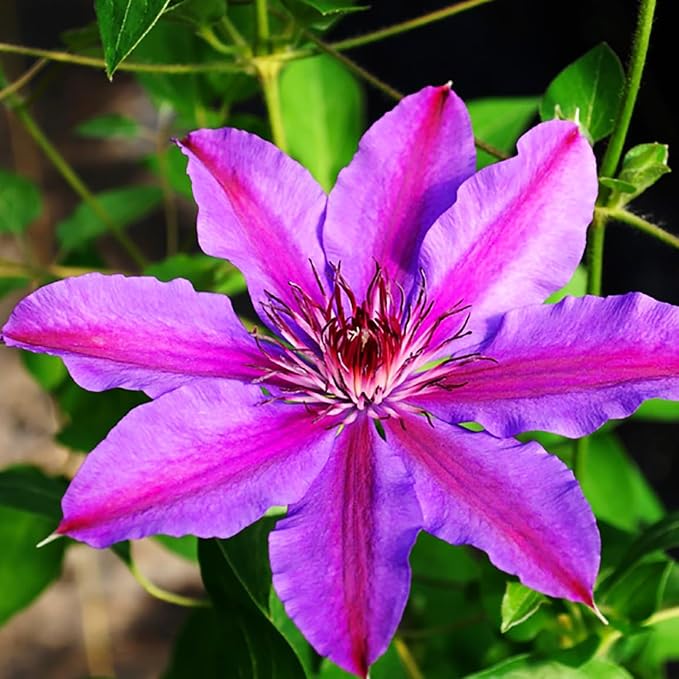
Gardeners looking for a stunning climber to brighten up trees will appreciate the Vancouver Starry Night Clematis. It suits outdoor spaces with partial shade or full sun and stands out thanks to its large, brilliantly colored flowers that bloom for months.
Planting is best done in spring, preferably in loam soil that drains well but retains moisture. The vine climbs steadily, reaching 6 to 9 feet, so it fits nicely around trees, trellises, or vertical supports. Moderate watering keeps it healthy, and exposure to sunlight influences flower color intensity, adding variety throughout the growing season.
Blooming reliably from early spring through mid-summer, with another burst in fall, this clematis is built for extended seasonal interest. It attracts pollinators, enhancing your garden’s ecosystem.
Most feedback highlights its vivid flowers and extended blooming period. One noted downside is the need to manage growth to keep it from overwhelming smaller supports.
Its most praised feature is the gorgeous, large flowers that bloom for months and draw pollinators. Managing the vine’s growth is the most common challenge since it can become quite vigorous and need careful pruning to stay tidy on trees or supports.
People who want a showy, colorful vine for an outdoor vertical space will enjoy it, especially where sunlight varies. Those looking for a low-maintenance, slow-growing plant may prefer a less vigorous clematis or another type of climber.
Pros
- Bright purple or blue flowers with color variation
- Long blooming period with early spring to fall flowers
- Attracts pollinators for a lively garden
- Climbs 6-9 feet, ideal for trees and trellises
Cons
- Requires regular pruning to control growth
- Flower color depends heavily on light and environment
| Specification | Details |
|---|---|
| Sunlight Exposure | Full Sun, Partial Shade |
| Expected Plant Height | 9 feet |
| Soil Type | Loam Soil |
| Moisture Needs | Moderate Watering |
| USDA Hardiness Zone | 4 |
5. CarpetC Mixed Clematis Seeds

CarpetC Mixed Clematis Seeds stand out by offering a vibrant mix of large, star-shaped blooms in multiple colors that persist from spring through fall. Ideal for anyone wanting to add natural vertical beauty to outdoor spaces such as trees, arbors, or fences, it excels as a vigorous climber that attracts pollinators while resisting deer.
Planting is best done in spring, placing the seeds in well-drained, fertile loam soil with exposure to full sun or partial shade. Once growing, the vines extend naturally by gripping with leaf tendrils, climbing 6 to 12 feet high.
Watering needs are moderate, and the plant tolerates dry spells, making daily care relatively straightforward for gardeners seeking low-maintenance bloomers.
The main draw lies in the long bloom period and the ability to cover vertical structures with lush greenery. It thrives outdoors and appeals to hummingbirds and other pollinators. The strong suits include disease resistance and drought tolerance.
Negatives include the modest final plant height of 15 inches noted and the need for regular watering during establishment.
CarpetC Mixed Clematis Seeds are praised for their extended bloom time and ability to attract pollinators, bringing life and color to gardens from spring through fall. The most common drawback mentioned is the relatively short growth height, which may limit coverage when growing up a tree or taller structures.
Gardeners wanting a colorful, low-maintenance vine that supports local wildlife will appreciate this mix. Those needing taller clematis varieties or drought-proof plants with less frequent watering might prefer different options better suited to those needs.
Pros
- Large, colorful star-shaped blooms
- Attracts hummingbirds and pollinators
- Resilient and disease resistant
- Tolerates dry periods once established
Cons
- Plant height is only about 15 inches
- Requires regular watering during early growth
| Specification | Details |
|---|---|
| Expected Plant Height | 15 inches |
| Expected Blooming Period | Spring to Fall |
| Sunlight Exposure | Full Sun |
| Soil Type | Loam Soil |
| Moisture Needs | Regular Watering |
6. Piilu Clematis Vine

Piilu Clematis Vine is great for gardeners wanting a winter-blooming clematis to grow up a tree. Best suited for full sun settings, it offers delicate pale purple-pink flowers and does well in sandy soil.
Its standout feature is thriving in cold zones, making it ideal for a range of climates.
Setup requires planting where it receives full sun and in sandy soil that doesn’t stay soggy. Moderate watering keeps it healthy without overdoing it.
Reaching around 72 inches, it climbs steadily, so training it around tree branches or supports is straightforward. It suits both garden beds and patio pots, making daily care manageable with a consistent watering routine.
This clematis performs well as a climber, offering steady growth through winter months when many plants are dormant. Its build adapts nicely to tree trunks without overwhelming the host.
Common praise focuses on its lovely flower color and winter blooming. Some find it a bit slow to establish at first, which can feel like a drawback when looking for quicker results.
Flower color and winter blooming are the clematis’s most praised features, but establishing the vine can take longer than expected in some gardens. It demands sandy soil, which may restrict planting options.
Gardeners in colder zones who have sunny spots with sandy soil will enjoy this vine’s winter beauty. Those without sandy soil or who want faster growth might want to explore other clematis varieties.
Pros
- Flowers during winter months
- Handles cold zones well
- Ideal for full sun locations
- Moderate watering requirement
Cons
- Slow to establish initially
- Prefers sandy soil, limiting some spots
| Specification | Details |
|---|---|
| Zones | 3-8 |
| Mature Height | 72″ |
| Sunlight Exposure | Full Sun |
| Soil Type | Sandy Soil |
| Moisture Needs | Moderate Watering |
| Expected Blooming Period | Winter |
7. Sweet Autumn Clematis Vine

Growing a clematis that climbs up a tree feels rewarding, especially when it covers branches with clusters of fragrant white flowers. Perfect for anyone wanting a late-summer bloom, the Sweet Autumn Clematis Vine stands out for its fragrant and abundant blossoms.
It suits garden or patio spaces in cooler climates.
Planting the vine near a sturdy tree allows it to naturally climb and spread without needing extra support. It thrives in Zones 4-8, making it a reliable choice as long as your area fits within those limits. Blooms appear from August to September, providing a beautiful late-season display.
Its moderate weight means it won’t overwhelm smaller branches, so everyday care is mostly about pruning and enjoying the flowers.
It performs well as a fast-growing climber, with flowers that brighten up trees in late summer. Made to tolerate varied outdoor conditions, it handles cold winters in its hardiness range and delivers consistent blooms.
Common praise highlights how fragrant and full the flower clusters are. A frequent criticism involves the relatively short blooming period limited to a couple of months.
The most noted benefit is the vine’s strong fragrance and thick flower clusters that truly stand out during blooming months. Commonly mentioned downside involves the flowering period lasting just a couple of months, which can feel brief for gardeners wanting more extended bloom time.
Anyone looking for a late-summer climber that brings scent and visual appeal to trees in moderate climates will appreciate this vine. People seeking longer bloom seasons or a more continuous floral presence may want to explore other clematis varieties better suited for that purpose.
Pros
- Fragrant white flower clusters
- Hardy in Zones 4-8
- Ideal for late summer blooming
- Moderate weight for tree climbing
Cons
- Blooms only from August to September
- Requires pruning for best growth
| Specification | Details |
|---|---|
| Item Weight | 3.1 pounds |
| Unit Count | 1 Count |
| Color of Bloom | White |
| Hardy Zones | 4-8 |
| Months of Bloom | August-September |
| Garden & Patio | Suitable |
8. Clematis Paniculata Sweet Autumn Clematis

Sweet Autumn Clematis is an excellent choice for anyone looking to grow clematis up a tree, especially in cooler climates. Its biggest strength lies in its ability to thrive outdoors with minimal attention while producing a beautiful fall bloom that brightens up any garden.
Planting comes easy since it arrives fully rooted in an 8-inch container and can go straight into sandy soil as long as the location gets full sun exposure. It’s low maintenance, making it perfect for gardeners who want something that won’t demand constant care yet still adds lush greenery and flowers by autumn.
Grouping several together improves their visual appeal.
The vine performs well, climbing upward robustly and producing an impressive display of flowers during the fall season. Built to survive USDA zone 4 through 8, it handles colder areas better than many others in its category.
The strongest compliment mentions its reliability and low maintenance, though some note slower blooming at first as a minor drawback.
Sweet Autumn Clematis delivers dependable flowering and fast growth given the right conditions. It requires full sun and sandy soil and takes some time to reach its full blooming potential, which may feel slow at the start.
Gardeners looking for an easy-care clematis that blooms late in the season will appreciate how this plant complements their yard. Those in shadier areas or needing early season blooms might want to explore other varieties instead.
Pros
- Low maintenance and easy to grow
- Beautiful flowers in fall
- Fully rooted and ready to plant
- Thrives in USDA Zone 4 to 8
Cons
- Slower bloom development initially
- Best suited for full sun only
| Specification | Details |
|---|---|
| Expected Blooming Period | Fall |
| Sunlight Exposure | Full Sun |
| USDA Hardiness Zone | 4 |
| Expected Planting Period | Fall |
| Soil Type | Sandy Soil |
9. Clematis Mrs. N Thompson Climbing Vine

A sturdy climbing vine with deep violet-purple blooms makes a great option for growing up a tree. Ideal for gardeners in USDA zone 4 looking for a plant that flowers repeatedly through summer months. Its standout feature is the long bloom period combined with large, colorful flowers that add vivid color repeatedly from May through September.
Setting it up involves planting in loam soil during spring, ensuring the base receives some shade while the top gets full sun or partial shade. Regular watering is needed during active blossoming to keep flowers vibrant and growth healthy.
Since it grows between 6 to 9 feet, it wraps nicely around tree trunks without overwhelming smaller trees, making care manageable throughout the season.
It performs very well as a flowering climber, attracting pollinators while covering trees attractively. The blooms range from 4 to 6 inches, appearing in three separate blooming periods that keep your garden lively.
The plant’s rooted start allows a smooth planting process. Some may find the watering needs frequent during blooming, but the plant’s resilience and appearance are often praised.
The most frequent praise highlights its long blooming season filled with vibrant, large flowers that consistently attract pollinators. A common point of concern is the plant’s watering needs, which must be closely monitored to maintain healthy growth and continuous flowering. Proper care makes the blooms worth the effort.
Ideal for gardeners wanting a colorful, reliable clematis to adorn a tree and willing to water it regularly during summer. Those who prefer low-maintenance plants or have very small trees may want to consider other, less demanding vines.
Pros
- Large blooms with striking violet-purple colors
- Extended blooming from May until September
- Attracts pollinators to the garden
- Comes as a nicely rooted plant ready to plant
Cons
- Needs regular watering during blooming periods
- May require support to climb properly on some trees
| Specification | Details |
|---|---|
| USDA Hardiness Zone | 4 |
| Expected Plant Height | 9 feet |
| Expected Blooming Period | Summer |
| Soil Type | Loam Soil |
| Sunlight Exposure | Full Sun, Partial Shade |
| Moisture Needs | Moderate Watering |
10. Clematis Seeds Perennial Climbing Vine

Vibrant flowering climbs make this Clematis seed pack great for anyone wanting to add color to trees or garden structures. Its biggest strength lies in the sheer number of seeds, 200 non-GMO seeds offer many chances to grow beautiful, thriving vines.
Planting requires well-drained, fertile loamy soil and moderate watering for proper growth. Seeds do best after cold stratification and can be sown in spring or fall. Clematis vines need full sun or partial shade and will grow steadily with minimal care.
They work well indoors in containers or outdoors on trees, trellises, and fences.
Bloom periods run from summer to fall, bringing consistent color each year as the plant is perennial. Growth reaches about 120 inches tall, giving plenty of coverage for climbing up a tree. Reviewers praise how reliable and easy it is to grow, though some mention the cold stratification step can slow germination for beginners.
Many find the abundant seeds and easy perennial growth give a colorful, consistent bloom season from summer to fall. The main drawback involves the cold stratification step that some find unwieldy during seed starting, leading to slower germination times.
Anyone new to gardening who wants a low-maintenance climber with plenty of flowers will enjoy these seeds. People looking for quick, immediate flowering might prefer a mature plant or something that doesn’t require pre-treatment before planting.
Pros
- Includes 200 non-GMO seeds
- Perennial vine returns yearly
- Suitable for indoor and outdoor use
- Requires minimal maintenance
Cons
- Cold stratification needed for best germination
- May take time to establish after planting
| Specification | Details |
|---|---|
| Expected Plant Height | 120 inches |
| Sunlight Exposure | Full Sun, Partial Shade |
| Expected Blooming Period | Summer to Fall |
| Seed Treatment Method | Cold Stratification Recommended |
| USDA Hardiness Zone | 4-9 |
| Moisture Needs | Moderate Watering |
11. Clematis Will Goodwin Starter Plant

Clematis Will Goodwin Starter Plant suits gardeners who want dramatic, large blooms climbing a tree. Its main strength is producing spectacular flowers up to 10 inches across, available in various forms and cool purple to pink shades. Perfect for anyone seeking eye-catching clematis for spring and summer.
Setting it up involves planting in a spot with full to partial sun and ensuring moderate watering. The plant climbs naturally, so training it gently up the tree works well. Once settled, it reliably produces big, colorful flowers through spring and summer, offering consistent garden interest without demanding intense care.
It performs well in its main job of climbing and flowering, providing bold and varied blooms. The build, meaning its woody vine structure, supports climbing without additional aids.
Most praise comments on the showy, large flowers. Common complaints mention moderate moisture needs, requiring attention especially in dry spells.
Flowers are impressively large and varied in shape, making the plant stand out during blooming seasons. It demands regular moisture to thrive and may struggle if watering isn’t consistent.
Gardeners looking for vibrant, noticeable clematis to grow up a tree will appreciate this choice. Those unable to provide steady watering or full to partial sun might want to consider other more drought-tolerant or shade-friendly plants.
Pros
- Large flowers up to 10 inches across
- Blooms in both spring and summer
- Attracts attention with cool purple and pink shades
- Hardy in USDA zones 4 to 8
Cons
- Requires moderate watering consistently
- Needs full to partial sun exposure
| Specification | Details |
|---|---|
| Expected Blooming Period | Spring, Summer |
| Sunlight Exposure | Full to Partial Sun |
| Moisture Needs | Moderate Watering |
| Hardiness Zones | 4 to 8 |
12. Clematis Double Piilu Climbing Vine

Finding a clematis that climbs well on a tree and blooms reliably through the season can be tricky. Clematis Double Piilu Climbing Vine suits gardeners who want vibrant flowers and a plant that copes well in zones down to USDA 4. Its biggest strength lies in producing large, showy blooms repeatedly from spring through late summer.
Planting the Double Piilu in spring with access to full sun or even some partial shade gets it off to a good start. The vine reaches about 9 feet, making it great for wrapping gently around tree trunks or branches.
Moderate watering keeps the vine healthy and encourages blooms, especially during flowering months. It’s ready to go when planted and prefers well-drained loam soil, which is easy to manage in most garden spots.
The flower colors stand out with mauve-pink double or semi-double flowers in early summer and single blooms later on. It’s well-rooted and adjusts well outdoors over the growing season.
Pollinators are attracted to the blossoms, adding life around the plant. The common gripe is that flowers in late summer aren’t double but single, which some may find less impressive. It performs consistently and makes a good climbing companion for your trees.
The clematis is praised for its striking double blooms in May and June but often noted that the flowers in late summer are single rather than double, which may surprise those expecting the same fullness throughout. It thrives best with consistent watering and good sunlight, making bloom health reliant on care.
Gardeners looking for a dependable, tall climber with attractive flowers that support pollinators will appreciate it. Those seeking heavy flowering late in the season or a low-maintenance plant in dry conditions might want to consider alternatives.
Pros
- Produces large mauve-pink blooms in early summer
- Can tolerate full sun to partial shade conditions
- Attracts pollinators to the garden
- Grows up to 9 feet, ideal for climbing trees
Cons
- Late summer flowers are single, not double
- Requires regular watering to maintain bloom quality
| Specification | Details |
|---|---|
| Expected Blooming Period | Summer |
| Sunlight Exposure | Full Sun, Partial Shade |
| Expected Plant Height | 9 feet |
| USDA Hardiness Zone | 4 |
| Soil Type | Loam Soil |
| Moisture Needs | Moderate Watering |
Best Clematis Varieties to Grow in Trees Comparison
| Product | Expected Plant Height | Blooming Period | Sunlight Exposure | USDA Hardiness Zone |
|---|---|---|---|---|
| Clematis C.W. Dowman | 7 feet | Summer | Full Sun, Partial Shade | 4 |
| Clematis Henryi | 12 feet | Summer | Full Sun, Partial Shade | 4 |
| Clematis Dr. Ruppel | 9 feet | Summer | Full Sun, Partial Shade | 4 |
| Clematis Vancouver Starry Night | 9 feet | Summer | Full Sun, Partial Shade | 4 |
| CarpetC Clematis Seeds | 15 inches | Spring to Fall | Full Sun | – |
| Piilu Clematis Vine | – | Winter | Full Sun | – |
| Sweet Autumn Clematis | – | – | – | – |
| Clematis Paniculata Autumn | – | Fall | Full Sun | 4 |
| Clematis Mrs. N Thompson | 9 feet | Summer | Full Sun, Partial Shade | 4 |
| Clematis Perennial Seeds | 120 inches | Summer to Fall | Full Sun, Partial Shade | 4-9 |
| Clematis Will Goodwin | – | Spring, Summer | Full to Partial Sun | – |
| Clematis Double Piilu | 9 feet | Summer | Full Sun, Partial Shade | 4 |
- Expected Plant Height7 feet
- Blooming PeriodSummer
- Sunlight ExposureFull Sun, Partial Shade
- USDA Hardiness Zone4
- Expected Plant Height12 feet
- Blooming PeriodSummer
- Sunlight ExposureFull Sun, Partial Shade
- USDA Hardiness Zone4
- Expected Plant Height9 feet
- Blooming PeriodSummer
- Sunlight ExposureFull Sun, Partial Shade
- USDA Hardiness Zone4
- Expected Plant Height9 feet
- Blooming PeriodSummer
- Sunlight ExposureFull Sun, Partial Shade
- USDA Hardiness Zone4
- Expected Plant Height15 inches
- Blooming PeriodSpring to Fall
- Sunlight ExposureFull Sun
- USDA Hardiness Zone–
- Expected Plant Height–
- Blooming PeriodWinter
- Sunlight ExposureFull Sun
- USDA Hardiness Zone–
- Expected Plant Height–
- Blooming Period–
- Sunlight Exposure–
- USDA Hardiness Zone–
- Expected Plant Height–
- Blooming PeriodFall
- Sunlight ExposureFull Sun
- USDA Hardiness Zone4
- Expected Plant Height9 feet
- Blooming PeriodSummer
- Sunlight ExposureFull Sun, Partial Shade
- USDA Hardiness Zone4
- Expected Plant Height120 inches
- Blooming PeriodSummer to Fall
- Sunlight ExposureFull Sun, Partial Shade
- USDA Hardiness Zone4-9
- Expected Plant Height–
- Blooming PeriodSpring, Summer
- Sunlight ExposureFull to Partial Sun
- USDA Hardiness Zone–
- Expected Plant Height9 feet
- Blooming PeriodSummer
- Sunlight ExposureFull Sun, Partial Shade
- USDA Hardiness Zone4
How to Choose the Best Clematis for Trees
Choosing clematis for growing up a tree depends on factors like growth habit, flower size, and sunlight needs to ensure healthy climbing and vibrant blooms. Selecting the right type prevents damage to the tree and avoids wasted effort, saving both money and future maintenance headaches.
Growth Habit and Support
Some clematis varieties climb by twining their leaf petioles around supports, while others use tendrils or cling with aerial roots. Selecting the right climbing type matters for growing up a tree trunk.
Vines that twist softly around branches cause less damage than those that grip tightly or have coarse stems, which can harm bark over time. The vine’s growth speed also plays a role; aggressive growers may overwhelm smaller trees quickly, while slow growers might leave too much bare space.
Look for a clematis described as a twining climber with flexible stems and moderate growth rates. Mature lengths between 6 and 15 feet usually fit most average tree trunks without excessive crowding.
Strong but thin stems are easier on the tree’s surface. A good climber attaches securely and spreads evenly without girdling branches or strangling the trunk.
Flowering and Aesthetic Appeal
Sizes of clematis flowers vary greatly, from small clusters to large single blooms spanning 5 to 7 inches. Selecting varieties with blooms that fit your tree’s size is important; oversized flowers can seem out of place on delicate branches, while very tiny ones may get lost on large trunks. Colors range widely and should complement the tree’s bark or leaf hues for a pleasing contrast throughout the seasons.
Extended flowering times are worth considering to keep the tree visually attractive beyond just a few weeks. Some types bloom spring through fall with staggered flushes, providing steady color.
Fragrance can add another layer of enjoyment but is not universal. Abundant flowers usually signal healthy growth, so plants known for prolific blooms often deliver better visual appeal along the year.
Sunlight and Climate Compatibility
Light availability under tree canopies changes throughout the day and seasons, ranging from full sun to dense shade. Certain clematis thrive in full sun, needing direct light six or more hours daily, while others prefer dappled or partial shade common underneath taller trees. Selecting a variety suited to these conditions reduces frustration from slow growth or poor flowering.
Checking the plant hardiness zone rating against your USDA zone is crucial for survival through winter and hot months. Climate adaptability includes humidity tolerance and water needs. Trees that hold moisture in the soil might benefit clematis with moderate water requirements, but overly wet or dry conditions can stress vines.
Matching these factors to your microenvironment improves vigor and lowers disease risk.
Maintenance and Care Requirements
Proper pruning timing depends on the clematis type, which influences your maintenance routine around the tree. Some need cutting back hard in late winter; others only require minimal trimming after flowering. Mistimed pruning can disrupt your tree’s growth rhythm or reduce flowering potential.
Balancing care schedules is important when two plants share space.
Vulnerability to pests and fungal infections increases when vines crowd tree branches. Choose varieties with known resistance to common issues like powdery mildew and clematis wilt to lessen trouble. Soil preference usually tilts toward well-draining, fertile soils with consistent moisture.
Overwatering near the tree’s roots or heavy feeding can cause competition or stress for both plants.
Impact on Tree Health
The vine’s demand for nutrients and water must not starve the tree of resources. Fast-growing or dense vines might outcompete the tree, especially younger specimens with limited root zones.
Moderate growth combined with regular monitoring helps prevent depletion. The weight of mature vines may strain branches or bark, particularly if the plant thickens unevenly.
Dense foliage can reduce airflow around the trunk and mask early signs of disease or pest infestations. Blocking sunlight reaching the tree’s own leaves can slow its photosynthesis, causing decline over time. Less crowded vine varieties or pruning strategies to maintain openness reduce these risks and support long-term coexistence.
Training and Supporting Clematis for Tree Growth
Clematis vines rely on support for steady growth, especially when trained up a tree. Their thin, twisting leaf stems attach themselves to nearby branches rather than wrapping tightly around the trunk. Selecting a tree with rough bark or thinner, low branches makes it easier for clematis to secure a grip.
Tying loose garden twine or soft plant ties from the tree trunk to strategic branches guides the vine upward without damaging the bark or stems. This support helps the plant avoid slipping and reduces wind stress.
Keep in mind clematis prefer some sunlight at their roots, while their vines reach higher for light in the canopy. Using mulch or low-growing companion plants around the base can help insulate roots. Regular checks prevent the vine from strangling the tree or being overshadowed by heavy foliage, ensuring the clematis climbs steadily and maintains health over multiple seasons.
Pruning Techniques to Encourage Healthy Clematis Development
Proper pruning varies depending on the clematis variety but remains essential to keep the vine growing vigor and flowering well. Prune in late winter or early spring before the plant breaks dormancy to remove dead or weak stems. This opens space for fresh shoots and lets sunlight into the vine’s interior.
For many popular clematis, cutting back to about 12-18 inches above ground stimulates strong new growth.
- Remove any tangled or crossing stems to prevent disease.
- Cut just above a healthy node to encourage branching.
- Do not prune too aggressively on varieties that bloom on old wood, or you risk losing flowers.
Keeping the vine thinned and controlled makes it easier to train upward and prevents it from becoming too heavy or interfering with the tree’s natural growth. Regular pruning also supports airflow and reduces the chance of mildew and mold.
Common Challenges When Growing Clematis on Trees and How to Overcome Them
Several challenges come with growing clematis on trees, but they can be managed effectively. One common issue is the vine’s potential to strangle the tree’s branches if left unchecked. Gentle yearly pruning helps keep the vine’s size in control while preserving the tree’s health.
Another problem is insufficient light at the base of the tree, which can stunt the clematis roots. Adding a layer of mulch or planting shade-tolerant ground cover can help maintain moist, cool soil conditions.
Pests like aphids and fungal infections sometimes appear, especially in humid environments. Inspect the vine regularly and remove affected leaves immediately.
Maintaining airflow by thinning foliage also reduces these risks. With attention to pruning, monitoring, and proper location, clematis can thrive when grown on most tree supports.
People Also Asked
How Do I Care for Clematis Growing up a Tree?
Clematis growing up a tree need their roots shaded and moist while the vine climbs higher. Planting low-growing shrubs or using mulch around the base helps prevent their roots from overheating and drying out.
What Size Clematis Is Suitable to Grow on Large Trees?
Large, vigorous clematis varieties like Clematis montana work well on big trees because they grow quickly and cover large areas. Smaller or slow-growing types may get lost or struggle to climb to the top.
Is It Safe to Tie Clematis Vines Directly to Tree Branches?
Tying clematis vines directly to tree branches is not recommended as it can damage the bark and restrict tree growth. Use soft ties around a nearby support or a gentle framework instead.
How Long Does a Clematis Vine Typically Last on a Tree?
Clematis vine lifespan on a tree depends on the variety and care but generally ranges from 10 to 20 years. Regular pruning keeps the plant healthy and encourages new growth.
What Are Common Problems When Growing Clematis on Trees?
Common issues include clematis wilt, poor flowering due to insufficient sunlight at the base, and competition with the tree for nutrients. Maintaining root health and proper pruning can reduce these problems.
Conclusion
Choosing clematis for growing up a tree mainly depends on the vine’s growth habit, flower size, and bloom times. Selecting a variety with a climbing style that won’t damage the tree bark is important. Also consider the flower type and how long it blooms to keep your tree looking attractive through the seasons.
Pick a clematis that fits your available space and the level of care you can provide. Some need more regular pruning or watering than others. For a quick reminder of the key features and to find which fits best, check the comparison table and detailed picks above.

I’m Jake Thompson, and I’ve spent over a decade working on lawn mowers, from small push mowers to big riding tractors. I write about starting problems, blade sharpening, carburetor cleaning, oil changes, and seasonal maintenance. My goal is to give you clear, step-by-step advice so you can handle common mower issues yourself and keep your lawn looking sharp all season.