Top 12 Best Soil for Juniper Bonsai That Boost Growth!
Watching a juniper bonsai struggle in soil that retains too much water or compacts easily is a familiar frustration. The best soil for juniper bonsai allows good drainage while holding just enough moisture to keep roots healthy. Using regular garden soil often leads to root rot or poor growth because it doesn’t offer the right balance of air and water around the roots.
A well-suited soil for juniper bonsai typically includes a mix of akadama, pumice, and lava rock particles. These components create a structure that drains quickly but holds nutrients.
Particle size usually ranges from 2 to 5 millimeters, which helps prevent soil compaction and encourages healthy root development. Avoiding fine soil or organic-heavy mixes reduces the risk of waterlogging, making it easier to maintain the delicate moisture levels junipers need.
Need a Quick Check?
| Image | Product | Price |
|---|---|---|
Our Top Picks 1  | Tinyroots Conifer Soil | Check Price |
Our Top Picks 2 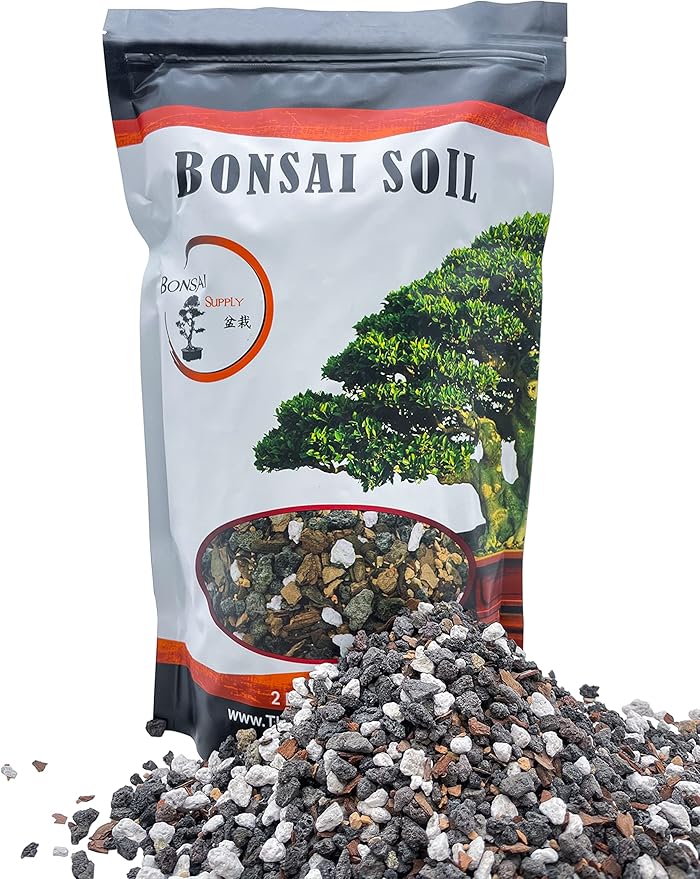 | Bonsai Supply All Purpose | Check Price |
Our Top Picks 3  | Perfect Plants Organic Soil | Check Price |
Our Selected Top 12 Soil for Juniper Bonsai Worth Considering
This list features a variety of soils ideal for juniper bonsai, highlighting their drainage, nutrient content, and suitability for different growing conditions. Each review covers performance aspects, ideal user types, and the main advantages and drawbacks to help you make an informed choice.
1. Tinyroots Conifer Bonsai Soil Blend
A blend tailored specifically for juniper and other conifer bonsai, it stands out by offering a carefully sifted soil that protects roots while providing good nutrition. Ideal for those seeking soil designed for the particular needs of conifers rather than a generic mix.
Setting up your juniper bonsai with this soil is straightforward since the heavy particles are pre-sifted, making sure roots are safeguarded from damage. The blend includes pine bark fines, river sand, pumice, and calcine clay, which together balance drainage and moisture retention.
Using the resealable bag makes storage convenient and keeps the soil ready for future repotting.
Performance is consistent with its purpose, offering proper drainage and nutrient support that junipers and other conifers require. The hand-mixed quality means the composition remains uniform, which helps in maintaining stable growth conditions. Most feedback highlights how well it feeds bonsai roots without compaction, though some might find the texture a bit coarse at first.
The soil is praised for protecting roots due to its pre-sifted particles and balanced mix of ingredients that support growth. A common complaint is the coarser texture, which might take a bit to get used to when handling or repotting.
Gardeners focusing on junipers or other conifer bonsai will find this soil matches their needs well. Those growing non-conifer bonsai should consider alternatives better suited to their specific trees.
Pros
- Pre-sifted heavy particles protect roots
- Blend designed for conifers like junipers
- Includes drainage-enhancing sand and pumice
- Resealable bag for easy storage
Cons
- Texture may feel coarse to some
- Specifically for conifers, not ideal for all bonsai types
| Specification | Details |
|---|---|
| Brand Name | Bonsai Outlet |
| Unit Count | 83.8 Ounce |
| Manufacturer Part Number | SL03 |
| Model Number | SL03 |
2. The Bonsai Supply All Purpose Bonsai Soil
Finding the right soil for juniper bonsai can be tricky, especially when you want good drainage and nutrient balance without extra fuss. The Bonsai Supply All Purpose Bonsai Soil is perfect for anyone looking for a ready-to-use mix that makes watering and root care easy. Its biggest strength is how well it balances air, moisture, and nutrients for healthy growth.
Setup is straightforward since the soil comes pre-mixed and sifted, meaning no extra blending or preparation is needed before repotting. It holds water well without becoming soggy because it drains fast, which keeps roots happy.
The blend’s pH balance supports nutrient uptake, and the mix suits not only bonsai but also other container plants like succulents and herbs, making everyday maintenance simpler.
Performance-wise, the soil does an excellent job of keeping juniper bonsai roots aerated and moist just right, preventing root rot and nutrient deficiency. The quality of the mix feels consistent, and the fine sifting helps avoid clumps.
A handy feature is its versatility with various plants. The most common gripe is that the pack size might run out quickly for those with larger collections.
Most reviews point out how well the soil balances moisture and aeration, helping prevent root issues in bonsai. A common drawback is the relatively small 64-ounce pack size, which may be insufficient for those repotting multiple plants or larger bonsai.
This soil works well for anyone wanting a straightforward, balanced mix ready right out of the bag. Those with large bonsai collections or in need of bulk quantities might consider larger volume options elsewhere.
Pros
- Ready-to-use premixed and sifted soil
- Balances drainage, water retention, and nutrients
- Suitable for a wide range of plants
- Maintains proper pH for bonsai health
Cons
- Pack size may be small for large collections
- Limited to a single 64-ounce pack option
| Specification | Details |
|---|---|
| Brand Name | JK Global Imports |
| Number of Packs | 1 |
| Unit Count | 64 Ounce |
| Manufacturer | The Bonsai Supply |
3. Perfect Plants Organic Bonsai Soil
Excellent water management stands out with this organic bonsai soil, suited primarily for junipers and other conifers. It provides a balanced environment that drains excess moisture while supplying essential nutrients, ensuring healthy growth for bonsai trees throughout their life.
The soil comes ready to use in a 2-quart re-sealable bag, making it easy to store and maintain freshness between uses. Its consistent blend supports conifers by regulating moisture well, preventing overwatering issues common in bonsai care.
Setting up a single bonsai container with this mix is straightforward, and the organic elements contribute to long-term soil health.
Performance-wise, the mix handles drainage efficiently, which is critical for junipers. Made in small batches in the USA, it maintains quality and nutrient balance that helps bonsai thrive.
Praise often mentions how well it manages water retention without sogginess. Some find the bag size limiting if maintaining multiple trees, which can be a minor inconvenience.
Great control over water drainage is the most praised feature, preventing root rot and promoting healthy growth. A common downside is the smaller 2-quart bag, which might require frequent repurchasing for more than one bonsai.
Ideal for anyone growing juniper bonsai or similar conifers who want nutrient-rich soil with proper drainage. Those with several bonsai trees might consider buying larger quantities or mixing with other soils for cost efficiency.
Pros
- Maintains consistent moisture without waterlogging
- Contains essential nutrients for long-term tree health
- Small batch production ensures quality control
- Resealable bag keeps soil fresh for later use
Cons
- The bag size might not be ideal for people who have more than one bonsai.
- Limited to conifer-type bonsai trees
| Specification | Details |
|---|---|
| Brand Name | PERFECT PLANTS |
| Item Highlight | Ready to use blend for junipers, redwoods, cedars and pine trees |
| Unit Count | 64 Fluid Ounces |
| Manufacturer | PERFECT PLANTS |
| Model Number | Bonsai Soil |
| Packaging | 2 Quart, re-sealable bag |
4. Agralife Premium Organic Bonsai Soil

People growing juniper bonsai trees at home will find this soil well-suited to their needs, especially those who value good drainage above all. Its main strength lies in promoting healthy root systems through excellent airflow and moisture balance, which is key for a thriving bonsai.
Using the soil involves picking a small amount, as the unit comes in a 1-ounce pack, and mixing it with your bonsai potting routine. It’s designed to drain quickly, preventing water from sitting at the roots, which can cause rot.
The organic, chemical-free ingredients make maintaining your bonsai feel safer and more natural.
Performance is reliable when it comes to drainage and keeping the roots healthy. The soil mix sustains the proper moisture level while allowing air to reach the roots.
Customers praise its fast drainage and organic components. One downside mentioned is the small unit size that may require frequent repurchasing for larger bonsai collections.
The soil’s fast drainage and organic materials are appreciated for supporting strong, healthy roots. The most repeated concern is its small size, which limits how much soil is available for bigger or multiple bonsai trees. This means more frequent purchases to keep your trees properly potted.
Ideal for people growing a single juniper bonsai or wanting a high-quality, natural soil mix. Those with several bonsai or larger trees should consider soil sold in bigger quantities to avoid constant repurchasing. The focus on drainage and aeration supports bonsai health well in everyday gardening.
Pros
- Excellent drainage for healthy root growth
- Organic and chemical-free composition
- Suitable for all bonsai varieties
- Balances moisture and airflow well
Cons
- Very small 1-ounce size pack
- May need frequent repurchasing for multiple bonsai
| Specification | Details |
|---|---|
| Brand Name | Agra Life |
| Unit Count | 1 Ounce |
| Item Highlight | Fast drainage. Healthy roots. Premium organic soil balances moisture and airflow |
| Manufacturer Part Number | Soil-Bonsai |
| Model Number | Soil Mix |
5. Premium Bonsai Mix with Akadama

Perfectly balanced for juniper bonsai, this mix stands out with its blend of pumice, lava rock, akadama, and pine bark fines. It suits those looking for soil that manages moisture without compacting and provides great drainage to support healthy root growth.
Setting up a bonsai with this soil is straightforward since the mix is ready to use. The pumice and lava rock in it keep water from pooling, so your plant doesn’t sit in soggy soil. At the same time, akadama and pine bark fines hold some moisture but don’t press down hard, allowing roots to spread easily without suffocation.
It excels at keeping the right balance of air and water in the soil, encouraging strong roots and steady growth. The mix feels well-structured, matching what you’d want to see in bonsai soil. Some people mention that the fine pine bark can sometimes break down faster than expected, which might change the soil’s texture over time.
Many appreciate how well the mix balances aeration and moisture, helping roots grow strong and healthy. The most common drawback is the pine bark fines, which tend to decompose quicker than other components, potentially affecting soil texture during extended use.
Ideal for bonsai growers who want a soil that keeps roots healthy with good drainage and moisture levels. Those needing larger quantities or long-lasting soil without organic breakdown might look for alternatives with less fine pine bark.
Pros
- Excellent drainage with pumice and lava rock
- Moisture retention without soil compaction
- Balanced mix supports healthy root development
- Use straight from the bag without any preparation needed
Cons
- Fine pine bark breaks down over time
- Only sold in single pack units
| Specification | Details |
|---|---|
| Brand Name | The Soil Sage |
| Item Highlight | Ready to Use Soil Mix with Akadama, Pumice, Lava Rock, Fine Pine Bark |
| Number of Packs | 1 |
| Unit Count | 1 Count |
| Manufacturer Part Number | TheSoilSage-BonsaiSoil |
| Model Number | TheSoilSage-BonsaiSoil |
6. Spike & Bloom High Drainage Bonsai Soil

Spike & Bloom High Drainage Bonsai Soil stands out for its excellent drainage and root support, making it an ideal choice for juniper bonsai growers who want healthy, strong roots without the risk of waterlogging. Its slightly acidic pH suits junipers, giving them the nutrients needed to thrive indoors or outdoors.
Setting up a bonsai with this soil is straightforward as the mix holds its gritty structure well, even after many waterings. The soil allows good airflow to the roots, which is vital for junipers since they dislike wet, compact soil.
Thanks to the premium minerals, nutrient uptake stays balanced, supporting steady growth and making day-to-day care less worrisome.
Performance-wise, the soil lives up to its promise of preventing root suffocation. It maintains air pockets well and doesn’t break down quickly, so the roots can expand naturally.
Some mention the soil pack size as just enough, but no major complaints about quality or drainage. The balance between moisture retention and drainage is right on point for winter and summer care.
The soil consistently gets praised for keeping roots healthy by preventing waterlogging and maintaining good airflow through its gritty texture. The most common downside is that the 100-ounce pack might not be enough for larger or multiple bonsai trees.
Anyone growing juniper bonsai will appreciate this soil’s tailored pH and structure. Those with plants needing different soil acidity or who require larger quantities might want to look elsewhere. This mix works best for focused bonsai care rather than bulk planting.
Pros
- Excellent drainage to prevent root waterlogging
- Slightly acidic pH supports juniper nutrient uptake
- Maintains gritty structure even with regular watering
- Suitable for both indoor and outdoor bonsai
Cons
- Pack size may be small for big projects
- Not suitable for plants needing neutral or alkaline soil
| Specification | Details |
|---|---|
| Brand Name | Spike & Bloom |
| Unit Count | 100 Ounce |
| Manufacturer | Spike & Bloom |
| Manufacturer Part Number | bs01 |
| Model Number | bs1 |
7. Pre-Mixed 4-in-1 Bonsai Soil Mix

Using a balanced mix feels like giving juniper bonsai roots exactly what they need, moist but well-drained and airy. Great for anyone wanting a reliable soil that covers routine care without fuss. Its biggest strength lies in just being ready to use, saving you from mixing components by hand.
Setup is straightforward since the soil comes pre-mixed with akadama, pumice, vermiculite, and peat moss. When repotting, you just use it straight from the pack, no measuring or blending required.
Day-to-day, it manages moisture well without becoming waterlogged, which is essential for junipers. The components help maintain airflow around roots, helping avoid rot or compaction.
Performance-wise, this soil delivers good drainage and moisture balance to support healthy root growth. The natural components like akadama and pumice give it proper structure.
Reviewers praise how consistent the mix quality is. Some have noted it can hold moisture a bit longer than they expected, which could be tricky in very wet climates but fine indoors or drier areas.
Many appreciate how the soil mix maintains balanced moisture and airflow, consistently supporting healthy root systems. Some mention it holds moisture slightly longer than expected, which could be a downside in damp environments.
Those looking for a ready-to-use, reliable soil mix for juniper bonsai will find this suits their needs well. Anyone facing very wet climates or wanting specific soil control might want to look elsewhere or customize their own blend.
Pros
- Pre-mixed blend saves time and effort
- Balance of moisture retention and drainage
- Good airflow around bonsai roots
- Suitable for beginners and experienced growers
Cons
- May retain moisture longer in very wet conditions
- Only one pack per purchase, may need multiple for larger bonsai
| Specification | Details |
|---|---|
| Brand Name | Duspro |
| Item Highlight | Bonsai Potting Soil with Akadama, Pumice, Vermiculite & Peat Moss for Balanced Moisture, Drainage & Root Airflow |
| Number of Packs | 1 |
| Manufacturer | Duspro |
| Manufacturer Part Number | DR1 |
| Model Number | DR1 |
8. Japanese Kiryu Bonsai Soil

Japanese Kiryu Bonsai Soil offers a great choice for anyone growing pines or junipers. Its main appeal lies in the carefully sized small grains that ensure excellent drainage and airflow, critical for bonsai roots to thrive.
This soil suits bonsai enthusiasts wanting to maintain healthy, vigorous trees.
Working with the soil is straightforward; its small particles range between 3 mm and 7 mm, which makes mixing and repotting easier. The soil is steam sterilized, reducing the risk of pests or diseases.
Because it’s fired Kiryu, you won’t have to worry much about soil compacting or waterlogging, helping maintain your bonsai’s root environment stable day to day.
Performance is solid as the soil supports good drainage while keeping enough moisture for juniper roots. The build quality is consistent given the sterilized Japanese origin, ensuring quality particles with reliable size. Most appreciate how it prevents overwatering issues.
A common complaint is that the volume per pack is only approximately 16 liters, which some may find limiting for larger projects.
Most users value how well the steam sterilized, fired Kiryu soil maintains airflow and drainage for juniper bonsais, preventing root rot. A frequent downside is the limited volume of one pack, which can be inconvenient for those with several or larger bonsai.
Gardeners cultivating pines or junipers will find this soil effective. Anyone needing larger quantities or soils suited to different bonsai species might look for alternatives offering broader particle sizes or bigger volumes.
Pros
- Small grain size ideal for pines and junipers
- Steam sterilized to reduce pests and diseases
- Good drainage keeps roots healthy
- Consistent quality from Japan
Cons
- Only one pack of approximately 16 liters
- Particle size range may not suit all bonsai species
| Specification | Details |
|---|---|
| Volume | Approx. 16 Liter |
| Grain Size | Small, 3 mm~7 mm |
| Manufacturer | IBARAKI |
| Brand Name | Calibonsai |
| Number of Packs | 1 |
| Unit Count | 1 Count |
9. Professional Grade Premium Bonsai Soil

Volcanic rock, pine bark, akadama, pumice, perlite, and coconut coir combine in a scientific blend designed specifically for bonsai soil. Perfect for anyone growing juniper bonsai, this mix’s standout feature is its fast drainage, which helps keep roots healthy by preventing water retention issues.
Setting up is straightforward with this soil. The mix’s pumice and perlite components allow excess water to escape quickly, avoiding root rot, a common problem in bonsai pots. Nutrient-rich ingredients like pine bark and akadama support steady growth.
It works well for daily watering routines, making it practical for maintaining healthy junipers without needing constant attention.
Drainage and aeration do their job exceptionally well, keeping roots firm and preventing sogginess. The natural materials feel light but dense enough to anchor roots comfortably.
Most praise focuses on how well it prevents rot, though some mention the soil can dry out a bit fast in hot climates. The balance between moisture retention and drainage earns solid marks.
The soil excels in drainage and aeration, keeping juniper bonsai roots healthy and free from rot. Drying out too fast in heat is a common issue noted in usage. The natural blend delivers steady nutrients that support bonsai growth over time.
Anyone wanting a reliable, scientifically balanced soil for juniper bonsai will appreciate this mix. Those in hot or dry environments might need to monitor watering closely or consider a mix with more moisture retention. Best suited for bonsai enthusiasts who prioritize root health above all.
Pros
- Fast drainage prevents root rot
- All-natural, nutrient-rich ingredients
- Supports healthy root aeration
- Works with all bonsai types
Cons
- Soil may dry quickly in warm climates
- Can be a bit light for larger bonsai
| Specification | Details |
|---|---|
| Brand Name | Doter |
| Unit Count | 128 Ounce |
| Manufacturer | Doter |
| Manufacturer Part Number | BO001 |
| Model Number | BO001 |
10. Tinyroots All Purpose Bonsai Soil Mix

Ready-to-use and aimed at bonsai growers of all skill levels, Tinyroots All Purpose Bonsai Soil Mix stands out for its balanced drainage and nutrient retention. It fits those looking for a soil that actively helps keep fine particles away from roots while supporting healthy bonsai growth.
Setting up with this soil is straightforward since it comes pre-mixed and ready to go. The blend includes expanded slate, pine bark fines, pumice, and lava rock, which contribute to quick draining but also hold enough moisture for the bonsai. Daily care feels less stressful because the soil doesn’t compact easily, making watering and root health management simpler.
Designed by bonsai growers, the soil effectively supports root strength and overall vitality of the plant. Its main strength lies in removing dust and fine particles that could harm roots, which many find crucial for long-term bonsai health. Some note the texture could incorporate more organic matter for varied species, but generally, it’s praised for reliability and consistency.
This soil mix earns strong approval for maintaining bonsai root health by keeping fine particles from building up, making watering easier. The common complaint surrounds its somewhat coarse texture and limited organic matter, which may not suit all bonsai preferences.
Anyone looking for reliable, professionally developed soil that supports strong roots will find this mix suitable. Those wanting a soil with more organic materials or a softer texture might want to consider other options better tailored to their needs.
Pros
- Pre-mixed and ready to use
- Fast-draining yet supports water absorption
- Protects roots by removing fine dust particles
- Blended with pumice and lava rock for strength
Cons
- May lack organic content for some bonsai types
- Texture might feel coarse for certain users
| Specification | Details |
|---|---|
| Brand Name | Bonsai Outlet |
| Unit Count | 167.6 Ounce |
| Manufacturer | Tinyroots |
| Manufacturer Part Number | SL04-2 |
| Model Number | SL04-2 |
11. Novaterra Indoor Bonsai Potting Soil

Novaterra Indoor Bonsai Potting Soil is ideal for anyone looking for a premixed, ready-to-use soil blend tailored specifically for indoor bonsai trees like junipers. Its biggest strength lies in combining proper drainage with aeration, removing the guesswork often involved in preparing bonsai soil at home.
Setting up with this soil is straightforward since it’s premixed and ready to go. You don’t need to mix multiple ingredients yourself because the calcined clay, pine bark, and red lava rock already balance moisture retention and airflow.
It helps maintain healthy roots day-to-day by preventing soil compaction while supporting steady water drainage, which keeps your juniper bonsai thriving without constant adjustments.
The soil performs well in promoting healthy root growth thanks to its specialized blend mimicking traditional akadama. The inclusion of pine bark and red lava rock particularly helps with airflow and resisting compaction over time.
Most users praise the balanced moisture control, though some mention the texture may take getting used to as it’s different from regular potting mixes, which can feel coarser initially.
Many appreciate the care taken in balancing moisture and airflow, noting how it supports healthy root growth without needing to tweak soil composition. The most common complaint is that the soil’s texture, due to its unique ingredients, can feel rough compared to typical potting mixes.
People who want a ready-made soil that closely mimics traditional bonsai mixes will find this blend works well. Those seeking a fine-textured or budget-friendly option with larger quantities might want to look elsewhere.
Pros
- Premixed soil saves time and effort
- Good drainage and aeration for roots
- Resists compaction over time
- Supports strong root development
Cons
- Coarser texture may feel unusual
- Limited pack size for larger bonsai
| Specification | Details |
|---|---|
| Brand Name | NOVA-TERRA |
| Item Highlight | Premixed, Ready-To-Use Blend With Calcined Clay, Pine Bark and Red Lava Rock |
| Unit Count | 76 Ounce |
| Manufacturer Part Number | PBSO1 |
| Model Number | PBS01 |
12. Brussels Professional Bonsai Potting Soil

Finding the right soil for a juniper bonsai can be tricky, especially when you want something that balances moisture and drainage perfectly. Brussels Professional Bonsai Potting Soil fits well for hobbyists growing junipers and other bonsai species, with its 100% organic mix designed to support healthy growth in a variety of bonsai types.
Using the soil is straightforward since it comes ready-to-use in a two-quart batch, making it convenient for both planting and repotting. Its all-purpose blend is suited for different bonsai trees, including junipers, Chinese elms, and ficus, so you don’t have to buy multiple products. It holds just the right amount of moisture while ensuring good drainage to avoid root rot, which is essential in daily care.
The soil performs well as a balanced medium for bonsai trees, providing enough support and aeration for roots while keeping moisture manageable. The all-natural composition is a plus for those wanting organic options.
Some users mention the soil could sometimes retain slightly more moisture than preferred, which might require attention depending on your watering habits.
Many find the soil’s moisture-holding capacity supports bonsai health well, especially for junipers, while the main drawback is that some feel it may hold too much moisture on occasion, requiring careful watering. Its ready-to-use nature and all-purpose blend make daily use straightforward without extra mixing.
People growing varied bonsai species, including junipers, will appreciate this soil for its versatility and organic content. Those needing larger quantities or a drier medium might want to look for alternatives. It suits those who prefer convenience and natural materials in their bonsai care routine.
Pros
- Balanced moisture and drainage for bonsai roots
- Works with multiple bonsai species
- Completely organic and natural
- Ready-to-use, saves prep time
Cons
- Can retain slightly more moisture than expected
- Only available in two-quart packaging
| Specification | Details |
|---|---|
| Brand Name | Brussel’s Bonsai |
| Quantity | Two quarts |
| Soil Type | 100% Organic, All-Natural |
| Suitable For | Ficus, Chinese Elms, Jades, Junipers, other Bonsai |
| Use | Ready-to-Use, Ideal for Planting & Repotting |
Best Soil Options for Juniper Bonsai Comparison
| Product | Brand | Unit Count | Highlight | Suitable For |
|---|---|---|---|---|
| Tinyroots Conifer Soil | BonsaiOutlet | 83.8 Ounce | – | – |
| Bonsai Supply All Purpose | JK Global Imports | 64 Ounce | All Purpose | – |
| Perfect Plants Organic Soil | PERFECT PLANTS | 64 Fluid Ounces | Drains excess moisture | Junipers, redwoods, pines |
| Agralife Premium Organic | Agra Life | 1 Ounce | Fast drainage | Indoor bonsai trees |
| Premium Akadama Mix | The Soil Sage | 1 Count | Akadama, Pumice mix | All bonsai trees |
| Spike & Bloom Drainage | Spike & Bloom | 100 Ounce | Drainage | – |
| 4-in-1 Pre-Mixed Soil | Duspro | 1 Pack | Akadama, Pumice, Vermiculite, Peat | Balanced moisture & airflow |
| Kiryu Japanese Soil | Calibonsai | 1 Count | – | – |
| Professional Premium Soil | Doter | 128 Ounce | – | – |
| Tinyroots All Purpose Mix | Bonsai Outlet | 167.6 Ounce | All Purpose Mix | – |
| Novaterra Indoor Soil | NOVA-TERRA | 76 Ounce | Calcined Clay, Lava Rock | Healthy bonsai roots |
| Brussels Professional Soil | Brussel’s Bonsai | – | Ready-to-Use Soil | Container Plants |
- BrandBonsaiOutlet
- Unit Count83.8 Ounce
- Highlight–
- Suitable For–
- BrandJK Global Imports
- Unit Count64 Ounce
- HighlightAll Purpose
- Suitable For–
- BrandPERFECT PLANTS
- Unit Count64 Fluid Ounces
- HighlightDrains excess moisture
- Suitable ForJunipers, redwoods, pines
- BrandAgra Life
- Unit Count1 Ounce
- HighlightFast drainage
- Suitable ForIndoor bonsai trees
- BrandThe Soil Sage
- Unit Count1 Count
- HighlightAkadama, Pumice mix
- Suitable ForAll bonsai trees
- BrandSpike & Bloom
- Unit Count100 Ounce
- HighlightDrainage
- Suitable For–
- BrandDuspro
- Unit Count1 Pack
- HighlightAkadama, Pumice, Vermiculite, Peat
- Suitable ForBalanced moisture & airflow
- BrandCalibonsai
- Unit Count1 Count
- Highlight–
- Suitable For–
- BrandDoter
- Unit Count128 Ounce
- Highlight–
- Suitable For–
- BrandBonsai Outlet
- Unit Count167.6 Ounce
- HighlightAll Purpose Mix
- Suitable For–
- BrandNOVA-TERRA
- Unit Count76 Ounce
- HighlightCalcined Clay, Lava Rock
- Suitable ForHealthy bonsai roots
- BrandBrussel’s Bonsai
- Unit Count–
- HighlightReady-to-Use Soil
- Suitable ForContainer Plants
How to Choose the Best Soil for Juniper Bonsai
Choosing soil with good drainage, proper aeration, and the right nutrient balance is essential for juniper bonsai health. These factors prevent root rot and support steady growth, ultimately saving money and avoiding common care problems over time.
Drainage and Aeration
Roots sitting in wet, soggy soil quickly suffer from lack of oxygen and start to rot, killing a bonsai fast. Well-draining materials keep water moving through the mix so roots don’t drown, while also retaining enough moisture to prevent dehydration. Balancing these two needs is a daily care difference: slow drainage means frequent root issues and mold, while too fast drying stresses the plant.
The size of soil particles directly influences this balance. Larger particles, around 1/8 to 1/4 inch, create air spaces essential for root respiration. Smaller particles tend to hold water longer but reduce airflow.
A mix with properly sized granules ensures roots get oxygen without waterlogging, promoting stable, healthy development in bonsai.
Nutrient Content
Soil lacking essential nutrients leaves a bonsai pale and stunted even with regular fertilizing. The mix should include enough mineral content and organic matter to support initial growth, reducing stress during root establishment.
Organic components provide slow-release nutrients, but relying solely on them can cause inconsistent feeding.
A soil that drains well and contains a balanced, moderate nutrient base works best, allowing supplemental fertilization without risk of nutrient lockup or deficiency. The right soil supports predictable nutrient availability, making daily feeding routines more effective and less prone to damage from overfeeding or underfeeding.
Soil Composition and Ingredients
Common ingredients like akadama, pumice, and lava rock each contribute something unique: akadama retains moisture moderately, pumice improves aeration, and lava rock adds drainage and weight. Using mostly inorganic elements keeps the soil structure stable over time, which is crucial because organic particles break down and compact, choking roots.
Texture matters for root anchorage; heavier, rough particles give the tree a firmer hold, especially important during repotting or in windy areas. Mixing these elements properly ensures roots can spread and anchor without suffocating, providing long-term stability and health for the bonsai.
Ph Level and Chemical Properties
Healthy bonsai roots thrive in slightly acidic to neutral soils, generally around a pH of 6.0 to 7.0. Soils outside this range can lock up essential minerals, making them inaccessible regardless of fertilizer applied. Some bags include salts or additives that build up over time, harming the tree quietly but steadily.
Local water quality interacts with soil pH, so a compatible mix minimizes pH swings after watering. Using soil that avoids harmful chemicals and matches the usual watering source helps maintain consistent nutrient uptake and prevents root stress from chemical imbalances.
Packaging Size and Storage
The amount of soil needed depends on tree size and how often repotting occurs. Small bonsai require just a few quarts, while larger specimens need more. Buying in bulk for occasional use risks soil contamination or drying out if not stored properly.
Look for soils packaged in sealed bags that keep particles intact and prevent pests. Proper storage in cool, dry places maintains soil quality over time.
This practical approach avoids waste and ensures the soil’s physical and chemical properties remain effective when repotting or topdressing.
Ideal Soil Composition for Optimal Juniper Bonsai Growth
Juniper bonsai require soil that drains quickly to prevent root rot while retaining enough moisture to support growth. A mix containing akadama, pumice, and lava rock is widely used for this purpose.
Akadama, a type of hard-baked Japanese clay, holds water and nutrients without becoming soggy. Pumice improves aeration and drainage, while lava rock adds stability and prevents compaction over time.
This combination allows roots to breathe and encourages healthy fine root development. The soil particles are coarse enough to avoid waterlogging but small enough to provide consistent moisture. Using only garden soil or organic potting mixes tends to retain too much water, which junipers do not tolerate well.
Key components to look for in bonsai soil for junipers:
- Good drainage with coarse texture
- Ability to retain moisture without saturation
- Stable structure to avoid compaction
Common Soil Mixing Mistakes to Avoid for Healthy Junipers
One frequent error when preparing soil for juniper bonsai is using too much organic material, like peat or compost. Though these retain water, they cause poor drainage and root suffocation. Junipers prefer drier conditions between watering, so the soil must allow excess water to escape quickly.
Another mistake is relying on finely textured soil or garden dirt. Fine particles pack tightly and reduce oxygen availability, leading to root distress.
Repeated watering on compacted soil creates anaerobic zones harmful to junipers.
Leaving out enough inorganic components such as pumice or lava rock also affects soil porosity. These materials prevent compaction, enabling air circulation and root growth.
Omitting them can cause the soil to stay overly wet, increasing the risk of fungal diseases.
Avoid these points for healthier juniper bonsai soil:
- Excess organic matter leading to water retention
- Using fine garden soil that compacts easily
- Insufficient inclusion of inorganic drainage materials
Comparing Organic and Inorganic Soil Options for Juniper Bonsai
Organic soils provide nutrients and improve moisture retention but often hold too much water for juniper bonsai roots. These soils tend to break down over time, creating compact layers that restrict airflow.
Adding organic material usually means watering less frequently, but it increases the risk of root rot if not monitored carefully.
In contrast, inorganic soils like mixes of akadama, pumice, and lava rock avoid these issues by promoting drainage and aeration. Inorganic components do not decompose, so they maintain soil structure over long periods. They require more frequent watering but create a better environment for juniper roots.
Many growers find a balance by blending small amounts of organic matter into an overall inorganic mix. This lets the soil retain some nutrients without compromising drainage.
Choosing the right ratio depends on your watering routine and local climate.
Considerations when choosing soil:
- Organic soil: better nutrient content but risk of water retention
- Inorganic soil: superior drainage and root health with frequent watering
- Mixing components to suit specific care conditions
People Also Asked
What Type of Soil Is Best for Juniper Bonsai Care?
Well-draining soil with good aeration is best for juniper bonsai. A common mix includes akadama, pumice, and lava rock which prevents waterlogging and promotes root health.
How Often Should I Repot Juniper Bonsai Soil Safely?
Repotting should be done every 2 to 3 years during early spring. This refreshes the soil and allows root pruning to maintain tree size and vigor.
Can Juniper Bonsai Soil Mix Affect Tree Growth Speed?
Yes, soil mix influences growth speed by regulating water retention and nutrient availability. A balance between drainage and moisture helps avoid slowed growth or root rot.
How Long Does Juniper Bonsai Soil Stay Healthy Before Replacing?
Healthy juniper bonsai soil typically lasts about 2 to 3 years before losing structure and nutrients. Changing soil on schedule supports consistent watering and feeding.
What Common Problems Arise from Improper Juniper Bonsai Soil Use?
Using dense or poorly draining soil often causes root rot and stress for junipers. Compacted soil limits oxygen to roots, which can stunt growth and cause yellowing needles.
Conclusion
Good soil for juniper bonsai should drain well to prevent root rot, hold enough moisture without staying soggy, and provide enough nutrients to support healthy growth. The right balance between these qualities helps your bonsai stay healthy and grow steadily.
Choose soil that fits your watering habits and budget, as some mixes need more frequent watering or cost more. Refer back to the comparison table and product details above to find the soil that works best for your setup.

I’m Jake Thompson, and I’ve spent over a decade working on lawn mowers, from small push mowers to big riding tractors. I write about starting problems, blade sharpening, carburetor cleaning, oil changes, and seasonal maintenance. My goal is to give you clear, step-by-step advice so you can handle common mower issues yourself and keep your lawn looking sharp all season.