Top 12 Best Flowers for Cutting Garden That Wow Instantly
Anyone who has tried growing a cutting garden knows the frustration of flowers that wilt too quickly or stems that snap under the shears. The best flowers for cutting garden avoid these issues by offering sturdy stems and long vase life.
Selecting the right varieties matters because not all flowers hold up well after being cut, and some require more care just to survive the trimming process.
Good cutting flowers typically have thick, tough stems that resist bruising and bending, making them easier to handle and arrange. Varieties that stay fresh for at least a week once cut are preferable, allowing more flexibility for arranging bouquets. Size plays a role too; flowers with a balanced bloom-to-stem ratio tend to last longer and look better in arrangements without drooping or losing petals quickly.
Need a Quick Check?
| Image | Product | Price |
|---|---|---|
Our Top Picks 1  | Floret Cut Flower Garden | Check Price |
Our Top Picks 2  | Floret Cut Flower Seeds | Check Price |
Our Top Picks 3  | Carpet Dahlia Seeds | Check Price |
Our Selected Top 12 Flowers for Cutting Garden Worth Buying
This list features a variety of flowers ideal for cutting gardens, chosen for their beauty and ease of use. Each review explains how well the flowers perform, who they are best suited for, and highlights their strengths and weaknesses to help you make informed planting decisions.
1. Floret Farm Cut Flower Garden
Creating a cutting garden that constantly provides fresh flowers can be confusing, especially when choosing the right varieties. Floret Farm Cut Flower Garden is aimed at gardeners who want a steady supply of beautiful, easy-to-grow blooms. Its biggest asset is detailed guidance on varieties that thrive in a home cutting garden.
Setting up with the book in hand feels straightforward since it breaks down planting schedules and care instructions clearly. The advice matches the growing seasons well, making it easier to plan when to sow and harvest flowers.
It helps maintain continuous blooming by recommending varieties suited for cutting and arranging, which saves a lot of guesswork.
As a resource for selecting cutting flowers, it covers both popular and unusual blossoms known for long vase life. The quality of information makes planning and maintaining a cutting garden feel more manageable. The strongest point is the in-depth variety profiles, while the most common drawback is that there are no pictures, which some users find limiting.
The book provides detailed, helpful information about flower varieties ideal for cutting, making garden planning easier. Its lack of photographs means readers must imagine plant appearances or seek pictures elsewhere. Clear timelines and variety recommendations stand out as key helpful elements.
Someone who prefers detailed written guidance and enjoys planning gardens based on plant traits will appreciate this resource. Those wanting visual cues or direct planting supplies may want to look for alternatives with more images or practical tools included.
Pros
- Comprehensive flower variety details
- Clear timing and planting guidance
- Focus on vase life and cutting qualities
Cons
- Lacks visual references like photos
- No hands-on growing tools included
| Specification | Details |
|---|---|
| Format | Book |
| Focus | Cut flowers for garden |
| Content Type | Variety profiles and growing advice |
| Usage | Garden planning and flower selection |
2. Cut Flower Seed Mix
A single 1 oz packet packed with over 15,000 fresh, Non-GMO seeds covers up to 150 square feet, perfect for anyone wanting a thriving cut-flower garden with plenty of variety and color. Its biggest strength lies in the mix of 14 different flower varieties that bloom throughout summer, keeping arrangements lively and diverse.
Planting calls for full sun exposure and works best when started in spring for summer blooms. The high germination rate means most seeds will sprout, filling those beds quickly without much fuss.
The selection of flowers includes popular choices like Zinnia and Cosmos, which are easy to maintain and look great clipped for bouquets.
The blend performs well in outdoor gardens, producing long-lasting flowers ideal for cutting. The variety keeps your garden interesting with blooms of varying shapes and colors. Build quality here refers to seed freshness and germination success, praised for reliability.
Some mentions note that full sun is necessary, which could be limiting in shadier spots.
Many praise the seed mix for its reliable germination and vibrant variety of flowers filling a big garden space. The common drawback mentioned is the need for full sun exposure, which limits where it can be successfully grown.
Anyone with ample sunny space who enjoys cutting and arranging fresh flowers will appreciate the diversity offered here. Those with small plots or shade-heavy yards might want to consider alternatives better suited to those conditions.
Pros
- Large packet with abundance of seeds
- High germination rate for good growth
- 14 flower varieties for diverse color
- Long-lasting blooms through summer
Cons
- Requires full sun to thrive well
- Less suited for small or shaded gardens
| Specification | Details |
|---|---|
| Packet size | 1 oz with 15,000+ seeds |
| Coverage area | 100-150 square feet |
| Flower varieties | 14 types including Zinnia, Cosmos, Daisy |
| Planting period | Spring |
| Sunlight exposure | Full sun |
| Blooming period | Summer |
3. Carpet Mixed Dahlia Seeds
Gardeners looking to add a splash of color and variety to their cutting garden will appreciate these seeds. Best for those who want a long-lasting display of mixed dahlias in different shapes and colors, their biggest strength is the continuous blooming from mid-summer until the first frost.
Planting in spring and placing in full sun, these seeds thrive in fertile, well-drained soil with moderate watering. The resulting plants grow between 2 and 4 feet tall, making them suitable for garden borders or even containers. The variety of flower forms keeps the garden interesting throughout the season, and the blooms hold up well in cut arrangements.
Flowers come in a broad range of shapes and colors that keep garden beds lively for months. Sturdy stems make the blooms reliable for cutting without bending easily.
Most find the long flowering period very impressive, though some note the need for regular watering during dry spells. The plants maintain good upright growth and perform well outdoors.
Flowers last well in fresh arrangements and keep blooming over a long season, making them ideal for cut gardens. Regular watering during dry spells is necessary to avoid stress on the plants and maintain their colorful display.
Those who enjoy varied flower forms and months of garden color will find these seeds a good match. Gardeners with less time for watering or poor soil conditions might want to consider plants with lower maintenance needs.
Pros
- Continuous blooms from mid-summer to frost
- Wide variety of flower shapes and colors
- Sturdy stems ideal for cut flowers
- Attracts pollinators throughout blooming season
Cons
- Requires regular watering in dry conditions
- Needs fertile, well-drained soil for best growth
| Specification | Details |
|---|---|
| Expected Blooming Period | Summer to Fall |
| Sunlight Exposure | Full Sun |
| Expected Planting Period | Spring |
| Soil Type | Loam/Sandy Soil |
| Moisture Needs | Moderate Watering |
4. Burpee Wildflower Seed Mix

Burpee Wildflower Seed Mix offers a diverse selection of 15 different wildflower varieties perfect for anyone wanting colorful, tall blooms for fresh-cut bouquets. It shines for those interested in a large garden area with natural beauty that attracts pollinators throughout the growing season.
Planting is best done in spring with full sun exposure and moderate watering. The pack covers up to 1,000 square feet, making it ideal for sprawling garden spaces rather than small pots. Watching the seeds grow outdoors rewards the effort with a vibrant, varied mix of flowers that bloom from spring through fall.
The mix performs well in USDA Hardiness Zone 3 and gives consistent blooms suitable for cutting. The seed variety includes favorites like cornflower, cosmos, and baby’s breath.
A common compliment highlights the garden’s lively, natural look while a complaint mentions some flowers can be less dense than expected, needing patience to fill in.
Many find the variety refreshing and enjoy the long blooming period that provides flowers from spring to fall. Some notice certain species don’t fill out as densely, requiring patience for a fully lush cut-flower garden. The seeds thrive outside with good sunlight and moderate watering.
Gardeners with large, sunny spaces and interest in supporting pollinators will appreciate this mix. Those with small gardens or limited sun exposure might want to consider more compact or shade-tolerant flower seed mixes instead.
Pros
- Includes 15 wildflower varieties for diverse bouquets
- Attracts pollinators to the garden
- Covers a large outdoor area up to 1,000 sq. ft.
- Non-GMO seeds for natural gardening
Cons
- Some flowers grow less densely than expected
- Only suited for outdoor use with full sun
| Specification | Details |
|---|---|
| Seed Count | 25,000 NON-GMO |
| Coverage Area | Up to 1,000 square feet |
| Sunlight Exposure | Full Sun |
| Blooming Period | Spring to Fall |
| Moisture Needs | Moderate Watering |
| Planting Period | Spring |
5. Beginner’s Cut Flower Garden

Beginner’s Cut Flower Garden offers an easy way for newcomers to grow beautiful flowers ideal for cutting. Perfect for gardeners just starting out, its biggest strength lies in simplicity and user-friendly setup, making it a great choice for those wanting fresh blooms without fuss.
Setting up the cut flower garden involves following straightforward instructions, making it accessible even for people with little gardening experience. Day-to-day care focuses on easy watering and maintaining healthy soil, which the kit supports well. The flowers it grows respond well to basic sunlight and minimal pruning, aligning with what most beginners can manage comfortably.
Performance shines with consistent root development and steady flowering, producing a steady supply of blooms. Built for durability in outdoor conditions, the plants tend to resist common pests moderately well. Positive reviews often mention quick germination and vibrant flowers, while some note that occasional slower growth happens if upkeep lapses.
Most users note quick germination and colorful blooms, appreciating how accessible it is for novices. A frequent downside is that some flowers need consistent attention to avoid slow growth, which may challenge those less attentive.
Ideal for hobbyists new to gardening looking for a manageable flower variety. Those wanting more pest-resistant or specialized plants might want to explore more advanced kits or options tailored to specific growing conditions.
Pros
- Easy setup for beginners
- Includes variety of cut flower seeds
- Suitable for various light conditions
- Requires moderate watering
Cons
- Growth can slow without regular care
- Limited pest resistance in some plants
| Specification | Details |
|---|---|
| Plant types included | Mixed beginner-friendly cut flowers |
| Sunlight requirement | Full sun to partial shade |
| Watering frequency | Moderate, keep soil moist |
| Setup difficulty | Low, suitable for new gardeners |
6. Encyclopedia of Cut Flowers
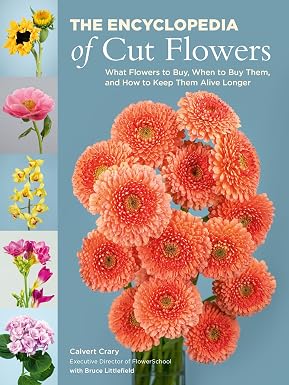
Digging through gardening books can get overwhelming, but here’s a guide actually made for people who want to grow flowers for cutting and enjoy them fresh inside. Perfect for both beginners and seasoned gardeners, the biggest strength lies in how detailed and clear it is about different flower varieties you can grow specifically to cut.
Every day, it sits like a handy reference right on the shelf or table. It’s not just a list but includes care tips and cutting advice, so using it means you get straight to picking the right flowers based on what grows well and looks great in bouquets.
The setup is simple, just open it up and start exploring what flowers to plant next season.
As a source of information, it does exactly what you want: give solid knowledge on cut flowers. The book feels sturdy with good-quality pages that handle being opened repeatedly, but some find the lack of pictures makes it a bit tough to use alone. People praise the thoroughness, yet wish it had more visuals to guide the eye when choosing flowers.
The strongest praise is about its detailed guidance on which flowers are best for cutting and how to care for them, making planning a cutting garden easier. Common complaints mention the book lacks enough pictures, which can make flower identification harder for those unfamiliar with species.
Those interested in learning everything about cut flowers and growing them for arrangements will like it here. Gardeners who prefer visual guides or quick tips might want to look for a more illustrated or beginner-focused book instead.
Pros
- Detailed flower descriptions tailored for cutting
- Durable pages for frequent use
- Clear care and cutting guidance
- Suitable for beginners and experts
Cons
- Limited visual content for identifying flowers
- Not a quick read, more of a reference
| Specification | Details |
|---|---|
| Content focus | Flowers for cutting garden |
| Format | Hardcover book |
| Page quality | Durable, easy to reference |
| Intended users | All experience levels |
7. 4-Pack Stainless Steel Pruning Shears

Sharp, rustproof pruning shears suited for gardeners looking for reliable cutting tools. The standout feature is the premium stainless steel blades that stay sharp and resist corrosion, making them great for various garden tasks.
The scissors feel light at just 0.38 kg and fit comfortably in the hand thanks to their hard plastic handles with a matte finish. The anti-slip grip means you can prune for longer without your hands getting tired, and the size works particularly well for women or anyone with smaller hands. A safety lock buckle makes storage safer and prevents accidental cuts.
Cutting through stems in the garden is quick and clean, with no rust appearing even after use in moist conditions. The stainless steel blade has a sharp edge that holds well.
The most praised aspect is the sharpness combined with rust resistance. Some users note the handle could feel a bit hard during prolonged use, but grip remains secure.
The blades stay sharp and resist rusting, a quality frequently praised in reviews. A common complaint is the handle’s firmness, which can lead to some hand fatigue after long pruning sessions.
Those needing durable and sharp garden scissors that fit smaller hands will be pleased. Gardeners looking for a softer grip or larger scissors might prefer a different option.
Pros
- Sharp and rust-resistant blades
- Comfortable, anti-slip handle grip
- Lightweight at 0.38 kg
- Includes safety lock buckle
Cons
- Handle may feel hard during extended use
- Small size might not suit larger hands
| Specification | Details |
|---|---|
| Material | Premium stainless steel |
| Weight | 0.38 kg |
| Handle | Hard plastic with matte surface |
| Safety Feature | Lock buckle |
8. Backyard Cutting Garden
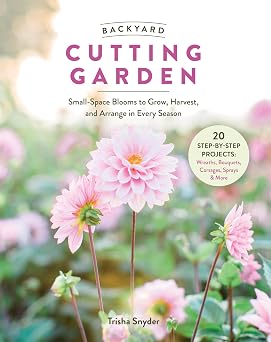
Constructed with durable, garden-ready materials, the Backyard Cutting Garden is designed for anyone who wants a steady supply of fresh, cut flowers right outside their door. Its single biggest strength lies in the variety of bloom types it supports, making it excellent for diverse, vibrant bouquets throughout the growing season.
Setting up takes minimal effort as the design is straightforward, enabling quick planting and easy access to every flower. Day-to-day care involves intuitive pruning and harvesting, with plenty of space to grow different flower types without overcrowding. It fits neatly into most backyard spaces without dominating the area, making it convenient for regular cutting and flower arrangement.
Performance is reliable with healthy, long-lasting blooms once the flowers establish. The build is strong against weather and holds up well through multiple seasons.
Feedback highlights how colorful and prolific the cut flowers are, though some mention space could be a bit limited depending on garden size.
The strongest praise describes how colorful and abundant the blooms are for cutting, while the most common complaint points to limited space in smaller gardens. This makes regular pruning important to keep flowers healthy and accessible when harvesting.
This cutting garden suits anyone wanting fresh flowers without a huge outdoors commitment. Those with large gardens or wanting extensive flower varieties might prefer a larger or more customizable option for space.
Pros
- Supports diverse flower varieties
- Simple to set up and maintain
- Compact fit for small backyards
- Produces vibrant, long-lasting blooms
Cons
- Limited space for larger flower collections
- May require frequent pruning in peak season
| Specification | Details |
|---|---|
| Material | Durable garden-grade components |
| Plant Variety Support | Multiple flower types for cutting |
| Space Requirement | Compact for backyard use |
| Maintenance | Easy pruning and harvesting access |
9. Mixed Lisianthus Flower Seeds

Vibrant colors immediately catch the eye with these Mixed Lisianthus Flower Seeds, perfect for gardeners who want a continuous bloom throughout the summer. Their adaptability to different soil types and climates makes them an excellent choice for outdoor flower beds, especially in sandy soil under full sun.
Planting during summer in sandy soil, these seeds require moderate watering and plenty of sunlight to thrive. The flowers attract pollinators, adding to the natural charm of a cutting garden. Their rose-like blooms and graceful stems make them suitable for fresh bouquets or garden displays, providing beauty over a long flowering period.
They perform well across various climates, producing elegant, long-lasting flowers that soften garden borders and complement other plants. Most praise highlights the extended blooming season, while some find the need for consistent watering slightly demanding during dry spells.
They deliver on appearance and resilience outdoors.
Continuous blooms over the summer months stand out as a major strength, keeping gardens colorful and attractive. Some gardeners mention the regular watering needs can be a bit much during dry periods, requiring attention to maintain the lush blooms.
Those with sandy soil gardens in full sun will find these seeds a fitting choice, especially if a long-lasting floral display is desired. Gardeners who prefer low-maintenance or indoor plants might want to consider alternatives better suited for low watering or indoor growth.
Pros
- Wide range of vibrant flower colors
- Long blooming period throughout summer
- Adaptable to different climates and soils
- Attracts pollinators to the garden
Cons
- Requires moderate watering consistently
- Limited to outdoor use only
| Specification | Details |
|---|---|
| Sunlight Exposure | Full Sun |
| Expected Planting Period | Summer |
| Soil Type | Sandy Soil |
| Moisture Needs | Moderate Watering |
| Expected Blooming Period | Summer |
| Indoor Outdoor Usage | Outdoor |
10. CarpetC Zinnia Seeds

CarpetC Zinnia Seeds are great for gardeners looking for vibrant, long-lasting cut flowers that thrive in full sun. They suit both beginners and experienced gardeners wanting easy-to-grow plants that keep producing blooms well into the fall, making them excellent for cutting gardens.
Starting these zinnias is straightforward thanks to their tolerance of average, well-drained soil and full sun needs. Once established, they handle some drought, which eases daily watering demands. Regularly cutting flowers encourages more blooms, perfect for keeping your vase full throughout the season, and their bright colors attract butterflies, bees, and hummingbirds to the garden.
These seeds deliver flowers in multiple colors from summer until the first frost, with a steady bloom cycle that supports continuous cut flower harvesting. The plants are hardy enough for outdoor garden beds and remain visually appealing in bouquets. Most enjoy how well the flowers hold up after cutting, while some note they require regular watering early on for best growth.
The strongest praise is for the flowers holding up well in bouquets and the continuous bloom cycle encouraged by cutting. A common downside is the need for consistent watering early on to establish strong plants. These seeds suit gardeners wanting long-lasting, colorful cut flowers with minimal fuss once growing well.
People who enjoy attracting pollinators and want a flower bed that blooms all summer will appreciate this choice. Those unable to provide full sun or consistent water might want to explore other plants better suited to shadier or dryer conditions.
Pros
- Produces season-long colorful blooms
- Attracts pollinators like butterflies and bees
- Drought tolerant once established
- Works well for repeated flower cutting
Cons
- Needs regular watering during early growth
- Requires full sun to bloom best
| Specification | Details |
|---|---|
| Sunlight Exposure | Full Sun |
| Soil Type | Loam Soil |
| Seasonal Blooming | Summer to first frost |
| Moisture Needs | Regular Watering |
| Indoor/Outdoor Usage | Indoor, Outdoor |
11. Zinnia Cut & Come Again Seeds

Want flowers that keep your cutting garden full all season? Zinnia Cut & Come Again is perfect for gardeners who want a steady flow of vibrant blooms without constant replanting.
Its biggest strength lies in producing fresh, colorful flowers continuously as you cut them for bouquets.
Planting involves spreading seeds across about 125 square feet, making it easy to cover a large area with bright colors. These zinnias are low-maintenance and hardy, thriving with regular cuts that actually encourage more blooms. The mix of cheerful colors means you get a lively, fresh supply of flowers to bring indoors or enjoy outside without much fuss.
Known for providing endless flowers, this seed packet does a great job turning a garden space into a lively floral display. The most praised feature is how cutting the flowers stimulates new blooms all season long.
A common downside is that with so many seeds, thinning may be needed to prevent overcrowding. Even so, its resilience and continuous flowering make it a reliable choice for cutting gardens.
Cutting flowers encourages more blooms, allowing for a fresh supply throughout the season. Large seed quantity sometimes leads to dense planting that requires thinning to keep plants healthy.
Ideal for gardeners wanting ongoing colorful flowers with minimal effort. Those preferring precise control over planting density or specific bloom schedules might look for alternatives.
Pros
- Produces continuous blooms when cut regularly
- Includes over 4,000 seeds for large coverage
- Easy to grow and low-maintenance
- Bright, diverse color mix
Cons
- Seed thinning required to avoid overcrowding
- Bloom timing varies with climate
| Specification | Details |
|---|---|
| Unit Count | 1 Ounce |
| Seed Quantity | Over 4,000 seeds |
| Coverage Area | Approximately 125 square feet |
| Flower Type | Zinnia Cut & Come Again Mix |
12. Mixed Color Dahlia Seeds

400 Non-GMO dahlia seeds deliver a vivid mix of colors and bloom shapes, making these ideal for anyone starting a cutting garden. Their biggest strength lies in their variety, offering everything from bold reds to soft pinks that brighten up outdoor spaces with minimal effort.
Planting these seeds is straightforward, thriving best in full sun with well-drained soil. They adapt well to partial shade, too, taking the guesswork out of care for beginners. Routine maintenance is just deadheading spent blooms to keep the plants flowering, making them low-maintenance while still attracting pollinators.
Blooms measure 3-5 inches wide on thick, sturdy stems that hold up well when cut. These fresh flowers last 7-10 days in a vase, making them great for arrangements at home or events.
Some people find the variety overwhelming to plan for, but the rich diversity is generally praised for brightening any garden.
Flowers produce a wide range of vivid colors and shapes and boast long vase life. Commonly noted issue is managing the diverse seed types can feel complicated for precise garden design.
Gardeners who appreciate vibrant, easy-care blooms will enjoy these seeds. Those wanting specific flower arrangements or growing indoors might prefer other options.
Pros
- Rich color variety and bloom diversity
- Low maintenance with simple deadheading
- Strong stems support long-lasting cut flowers
- Attracts pollinators to the garden
Cons
- Some find the seed variety arrangement overwhelming
- Requires well-drained soil for best results
| Specification | Details |
|---|---|
| Sunlight Exposure | Full Sun |
| Indoor Outdoor Usage | Outdoor |
| Seed Count | 400 |
| Bloom Size | 3-5 inch wide |
| Stem Strength | Thick and sturdy |
Best Flowers for Cutting Garden Comparison Table
| Product | Usage | Blooming Period | Sunlight Exposure | Special Features |
|---|---|---|---|---|
| Floret Cut Flower Garden | – | – | – | – |
| Floret Cut Flower Seeds | Outdoor | Summer | Full Sun | High Germination Rate |
| Carpet Dahlia Seeds | Outdoor | Summer-Fall | Full Sun | Attracts Pollinators |
| Burpee Wildflower Mix | Outdoor | Spring-Fall | Full Sun | Attracts Pollinators |
| Beginner’s Cut Flower Kit | – | – | – | – |
| Encyclopedia of Cut Flowers | – | – | – | – |
| Stainless Steel Pruning Shears | – | – | – | – |
| Backyard Cutting Garden | – | – | – | – |
| Lisianthus Mixed Seeds | Outdoor | Summer | Full Sun | Attracts Pollinators |
| CarpetC Zinnia Seeds | Indoor, Outdoor | Summer | Full Sun | Attracts Pollinators |
| Zinnia Cut & Come Again | – | – | – | – |
| Mixed Dahlia Seeds | Outdoor | – | Full Sun | Attracts Pollinators |
- Usage–
- Blooming Period–
- Sunlight Exposure–
- Special Features–
- UsageOutdoor
- Blooming PeriodSummer
- Sunlight ExposureFull Sun
- Special FeaturesHigh Germination Rate
- UsageOutdoor
- Blooming PeriodSummer-Fall
- Sunlight ExposureFull Sun
- Special FeaturesAttracts Pollinators
- UsageOutdoor
- Blooming PeriodSpring-Fall
- Sunlight ExposureFull Sun
- Special FeaturesAttracts Pollinators
- Usage–
- Blooming Period–
- Sunlight Exposure–
- Special Features–
- Usage–
- Blooming Period–
- Sunlight Exposure–
- Special Features–
- Usage–
- Blooming Period–
- Sunlight Exposure–
- Special Features–
- Usage–
- Blooming Period–
- Sunlight Exposure–
- Special Features–
- UsageOutdoor
- Blooming PeriodSummer
- Sunlight ExposureFull Sun
- Special FeaturesAttracts Pollinators
- UsageIndoor, Outdoor
- Blooming PeriodSummer
- Sunlight ExposureFull Sun
- Special FeaturesAttracts Pollinators
- Usage–
- Blooming Period–
- Sunlight Exposure–
- Special Features–
- UsageOutdoor
- Blooming Period–
- Sunlight ExposureFull Sun
- Special FeaturesAttracts Pollinators
How to Choose the Best Cutting Garden Flowers
Choosing flowers that are easy to grow, long-lasting after cutting, and suited to your climate ensures a beautiful and reliable garden. Picking the right varieties reduces waste and maintenance, saving money and avoiding frustration over wilting or poor growth.
Bloom Longevity
Freshly cut blooms usually last anywhere from three to ten days in a vase, depending on the type. Some varieties wilt within a couple of days, showing browning edges and limp petals, especially if they don’t have sturdy petals or a natural resistance to water loss.
Others hold up longer, maintaining their shape and color, which means fewer trips to the garden for replacements.
Flowers that rebloom reliably provide a continuous supply for cutting without replanting. Gardeners often notice the difference between single-bloom flowers and those that keep producing over weeks.
Choosing blooms with strong resistance to wilting and the ability to flush new flower buds ensures a steadier harvest. Look for species known for a post-cut lifespan of at least five days and repeat blooming cycles that extend over the growing season.
Stem Strength and Length
Stems that are too thin or weak snap easily during cutting or arranging. This leads to wasted flowers or damaged bouquets.
It’s common to find stems in the 12 to 24-inch range ideal because they fit well in standard vase heights and maintain good support for the flower heads. Thick, fibrous stems hold up better under handling and stand upright without extra support.
Strong stems also resist bending as flowers mature, so the arrangements stay neat longer. Materials like lignified tissue in the stems contribute to this durability.
Choosing plants known for thick, rigid stems can prevent frustration when transporting or displaying. Avoid varieties with flimsy, hollow stems if you want lasting bouquets that aren’t droopy a day after cutting.
Flowering Season and Timing
Flowering times vary widely, from single bursts of a few weeks to longer spans that cover most of the growing season. This shapes the harvesting schedule and how often fresh flowers are available for the home or market. Some gardeners learn the hard way that relying on species with just one brief flush limits how often they can cut flowers without leaving the beds bare.
Gardens benefit from mixing early, mid, and late season bloomers to extend the cutting window. Species that adapt to a range of climates and continue blooming despite temperature swings give more predictable results.
Checking for flowers that bloom for at least two months or repeat periodically will help maintain a steady supply instead of a quick burst followed by an empty vase.
Growth Habit and Plant Size
Plants that grow too tall or spread aggressively can overcrowd cutting beds, making it tough to reach all stems and reducing airflow, which raises disease risks. Conversely, very compact plants might not yield enough stalks for regular gathering.
Finding a balance means choosing plants that reach 2 to 4 feet tall with a manageable spread of 1 to 3 feet, providing enough material without overwhelming the space.
Many successful cut gardens feature plants that respond well to trimming; snipping spent blooms encourages fresh shoots and prolonged production. Compatibility with companion plants is also practical. Situating flowers that don’t compete heavily for nutrients or sunlight together reduces maintenance and supports a healthier planting overall.
Color Variety and Floral Form
Gardens offering a broad palette of colors make it easier to create visually appealing bouquets for different occasions. A selection including reds, pinks, yellows, whites, and purples covers most needs. Uniformity in flower size simplifies arranging, so blooms around 2 to 4 inches in diameter often integrate smoothly.
Variation in flower shapes, from rounded pom-poms to spiky or ruffled forms, adds texture and interest to bunches. Using plants that consistently produce flowers with similar form ensures the bouquet looks intentional rather than mismatched.
Consistency here reduces the effort needed to balance arrangements and make striking displays.
Tips for Extending the Vase Life of Cut Flowers
Cut flowers last longer with proper care right from the moment they are cut. Using a sharp, clean pair of garden shears reduces damage to stems, allowing the flowers to take up water more effectively. Immediately placing the stems in fresh, cool water helps prevent air from entering the stems, which can block water flow.
Some additional tips for keeping flowers fresh:
- Trim about an inch off the stems at an angle every few days to improve water absorption.
- Use a clean vase and change the water regularly to avoid bacteria buildup.
- Remove leaves that fall below the water line to prevent rotting.
- Keep flowers away from direct sunlight, heat sources, and ripening fruit, as ethylene gas speeds up wilting.
These practices help to slow down the natural aging of cut flowers, making arrangements more enjoyable over an extended period.
Common Mistakes to Avoid When Growing Cutting Garden Flowers
One common mistake in growing flowers for cutting gardens is planting too densely. Crowded plants compete for sunlight and air circulation, which encourages disease and reduces bloom quality.
Spacing plants according to their mature size promotes healthier growth and more abundant flowers.
Another issue is cutting flowers too early or too late. Removing blooms too soon can reduce the overall flowering period, while cutting them after the petals start to wilt results in shorter vase life. Identifying the right stage, when buds are fully formed but still tightly closed, is key for long-lasting cut flowers.
Neglecting regular deadheading also diminishes flower production. Removing spent blooms directs the plant’s energy toward new buds instead of seed development.
Finally, failing to provide sufficient water during dry spells can stress plants and reduce bloom size and quantity. Maintaining consistent moisture without overwatering supports continuous flowering.
Comparing Annuals and Perennials for Long-Lasting Cut Flower Gardens
Annuals tend to flower throughout their single growing season, offering a steady supply of blooms ideal for frequent cutting. Their quick growth and variety make it easy to fill gaps and experiment with colors. However, they need to be replanted every year and may take time to establish early in the season.
Perennials require patience, as many take one or two seasons to fully mature and bloom consistently. They are better for long-term garden structure and return year after year without replanting. Many perennials produce larger, sturdier flowers with a longer vase life than annuals.
Considering garden goals helps:
- Choose annuals for instant, diverse cuts and easy replanting flexibility.
- Opt for perennials to build a sustainable, enduring cutting garden.
- Mixing both types provides continuous blooms across seasons and adds variety.
People Also Asked
How Long Do Flowers from a Cutting Garden Usually Last?
Flowers from a cutting garden typically last about 5 to 10 days once cut. To keep them fresh longer, change the water every day and trim the stems at an angle every few days.
What Are the Common Problems with Cutting Garden Flowers?
Common problems with cutting garden flowers include pests like aphids and fungal diseases such as powdery mildew. Regular inspection and good air circulation can help reduce these issues.
Are Cutting Garden Flowers Safe Around Pets and Children?
Some cutting garden flowers like sunflowers and zinnias are safe around pets and children, but others like foxglove or lilies can be toxic. It’s important to identify each plant before planting if safety is a concern.
How Do I Care for Flowers in a Cutting Garden?
Caring for flowers in a cutting garden involves regular watering, deadheading spent blooms, and providing sufficient sunlight. Adding compost yearly helps maintain soil fertility and flower health.
What Flowers Grow Well Together in a Cutting Garden?
Flowers like cosmos, dahlias, and snapdragons grow well together because they have similar water and sunlight needs. Mixing different heights and colors can create a good visual balance and easier harvesting.
Conclusion
Choosing flowers for a cutting garden comes down to how long the blooms last, how easy the plants are to care for, and the variety of colors and shapes available. It also helps to consider flowers that grow well in your climate and soil type.
Picking plants that regularly produce new flowers means more fresh bouquets without too much extra work.
Consider the size of your garden and how often you want to cut flowers when making your final selection. Smaller spaces may require more compact plants, while a larger garden can accommodate a wider range.
Check the comparison table and options above to find flowers that fit your needs and growing conditions.

I’m Jake Thompson, and I’ve spent over a decade working on lawn mowers, from small push mowers to big riding tractors. I write about starting problems, blade sharpening, carburetor cleaning, oil changes, and seasonal maintenance. My goal is to give you clear, step-by-step advice so you can handle common mower issues yourself and keep your lawn looking sharp all season.