Top 12 Best Climate for Gardening You Can’t Miss!
Trying to grow plants in the wrong environment often means dealing with inconsistent temperatures and unexpected frosts that ruin seedlings. Finding the best climate for gardening can solve common issues like stunted growth and frequent pest problems.
Gardeners know that having the right temperature range and humidity levels is crucial for plants to thrive throughout the year.
A good gardening climate generally offers mild temperatures between 60 and 75 degrees Fahrenheit during the growing season, along with moderate humidity around 40 to 60 percent. Consistent sunlight is also important, with at least six hours of direct light daily. Locations with well-draining soil and protection from harsh winds reduce stress on plants.
These factors help create a stable environment where roots can develop properly and foliage remains healthy.
Need a Quick Check?
| Image | Product | Price |
|---|---|---|
Our Top Picks 1  | Dry Climate Gardening Guide | Check Price |
Our Top Picks 2  | Old Farmers Almanac Handbook | Check Price |
Our Top Picks 3  | Know Your Zone Guide | Check Price |
Our Selected Top 12 Climate for Gardening for Different Needs
This list highlights 12 different gardening climates suited to various needs and environments. Each entry explains how the climate supports plant growth, identifies the types of gardeners it benefits most, and outlines its strengths and limitations to help readers choose the best option for their garden.
1. Dry Climate Gardening
Dry Climate Gardening focuses on creating ideal conditions for growing plants in arid environments. It suits gardeners who need specialized guidance and strategies for low-water, high-temperature areas.
Its single biggest strength lies in helping maintain plant health despite challenging weather, making it a reliable choice for dry climate gardening.
Setting up involves following targeted watering and soil management techniques designed specifically for dry climates. Day-to-day care emphasizes efficient water use and selecting the right drought-tolerant plants, which reduces maintenance stress.
Practical tips on mulching and shade help protect plants from heat, making everyday gardening manageable and productive even under tough conditions.
The guidance offers clear, practical advice that helps plants thrive where water is scarce. Built around a deep understanding of dry environments, it excels at balancing plant needs with low moisture availability. Praise often highlights its actionable watering strategies, while some find the lack of detailed plant species recommendations limiting, leaving gardeners wanting more specific plant guidance.
Clear directions on watering and soil care help plants thrive in dry climates, as praised frequently. Some users note that more detailed plant recommendations could improve the overall usefulness. The setup and ongoing tips fit well into a typical dry gardening routine without overwhelming the gardener.
The advice suits those new to dry climate gardening or anyone wanting to preserve water while growing a healthy garden. More experienced gardeners seeking in-depth plant specifics might want to look at other resources. It is best for those aiming to manage plant health efficiently under dry, hot conditions.
Pros
- Clear watering strategies for dry areas
- Practical soil and mulch advice
- Focuses on heat protection for plants
- Encourages drought-resistant planting
Cons
- Lacks detailed plant species recommendations
- Some advice may seem general for experts
| Specification | Details |
|---|---|
| Water Usage | Optimized for low-water environments |
| Climate Suitability | Arid, high-temperature conditions |
| Care Focus | Soil management, mulching, shade techniques |
| Plant Type Guidance | Drought-tolerant species preferred |
2. The Old Farmers Almanac Vegetable Gardener’s Handbook
Planning your vegetable garden is easier with this handy guide that’s tailored for gardeners of all experience levels. It’s especially useful for those who want clear, reliable advice throughout the gardening season.
What stands out most is its practical, straightforward approach to planting and maintenance.
Getting started involves flipping through well-organized sections that cover everything from soil preparation to harvesting. Day-to-day use is simple since it includes planting calendars and tips that match different climates, making it easy to track what to do and when. The advice is laid out in a way that suits both beginners and those with some gardening experience.
The handbook covers essential gardening practices thoroughly and the information feels trustworthy. It’s designed with clear illustrations and easy-to-read text, lending strength to its usability.
The most appreciated feature is how comprehensive and accessible the guidance is. A common downside is that it doesn’t include highly specialized tips for less common vegetables.
The most praised aspect is its clear, practical advice that covers all the basics well. The main complaint focuses on the absence of information about less common vegetables and advanced gardening strategies. People rely on it for straightforward, climate-smart growing tips but look elsewhere for niche or expert-level guidance.
Ideal for gardeners wanting reliable, easy-to-follow vegetable growing advice throughout the year. Those seeking specialized or highly detailed techniques might consider other resources that cater more to advanced or niche gardening interests.
Pros
- Clear planting calendars for different climates
- Easy-to-understand advice for all skill levels
- Includes practical gardening maintenance tips
- Well-organized and accessible layout
Cons
- Lacks guidance on uncommon vegetable varieties
- Not very detailed on advanced techniques
| Specification | Details |
|---|---|
| Type | Gardening Handbook |
| Focus | Vegetable Gardening |
| Content | Planting Calendars, Maintenance Tips |
| Suitable For | All Levels of Gardeners |
3. Know Your Zone and Companion Planting
Know Your Zone and Companion Planting is a handy guide for anyone serious about gardening in varying climates. It suits gardeners who want to match plants well with their zones and understand which plants grow best together. Its single biggest strength is helping you plan a garden that thrives by using climate and companion planting principles.
Getting started means consulting the zone charts to identify your climate region. Day-to-day, it’s about checking which plants are ideal for your specific zone and which companions will boost growth and deter pests naturally.
Using this guide reduces guesswork when choosing seeds and planning garden layouts, making the gardening process clearer and more intentional.
The guide delivers clear, practical advice that fits many gardening needs, especially in temperate zones. It’s designed to be straightforward and relies on proven planting combinations.
People appreciate how it helps avoid common planting mistakes, but some mention wishing it included more zone-specific details or visuals. The simplicity is helpful, though it might leave some wanting more depth.
Most users find it great at clarifying which plants do well in their climate and pairing them effectively to encourage growth and pest resistance. The common drawback is the desire for richer visual aids and more detailed zone-specific information to guide planting times and care.
Those who want a straightforward, easy reference tool for planning with climate zones and companions will appreciate this guide. Gardeners seeking detailed month-by-month schedules or highly visual resources might want something more comprehensive.
Pros
- Helps identify best plants for specific climate zones
- Details useful companion planting pairs
- Reduces trial-and-error in garden planning
- Easy to understand gardening approach
Cons
- Lacks in-depth zone-specific visuals
- Could include more detailed planting schedules
| Specification | Details |
|---|---|
| Focus | Climate zones and companion planting |
| Content type | Gardening guide and planting combinations |
| Target users | Gardeners matching plants to climate zones |
| Usage | Planning garden layouts and seed selections |
4. Moss Rose Seeds Bulk Pack

Portulaca grandiflora seeds come in a massive bulk pack, perfect for anyone looking to fill large outdoor spaces with vibrant, drought-tolerant flowers. Ideal for sunny, dry gardens, these seeds thrive with minimal watering, making them a solid pick for gardeners in hot climates needing colorful, low-maintenance blooms.
Starting your garden with over 50,000 seeds offers plenty of opportunities to plant densely or spread across multiple areas. They require full sun and well-draining soil to really flourish.
Once established, watering drops off since the plants handle drought well. The wide color variety keeps the garden lively from red to purple throughout the growing season.
These seeds reliably sprout a wide spectrum of colors, bringing constant blooms in hot, sunny conditions. The air purification benefit adds to outdoor garden health. Most find the quantity more than enough for extensive projects.
Complaints mention the large volume can be overwhelming if you don’t have ample garden space or time to manage seedlings.
With over 50,000 seeds, you get a flood of colorful blooms that persist year-round in sunny spots, but sorting and planting them can be a lot if your garden space is limited. Heat and drought tolerance give these flowers an edge in tough climates, helping them survive with less water.
Gardeners with large, sunny outdoor areas will find plenty to love here. Those with smaller or shaded gardens should look for seed packs designed for compact or low-light spaces instead.
Pros
- Huge seed quantity for large gardens
- Thrives in hot, dry conditions
- Vibrant, varied flower colors
- Improves outdoor air quality
Cons
- Too many seeds for small spaces
- Requires full sun and well-drained soil
| Specification | Details |
|---|---|
| Expected Blooming Period | Year Round |
| Sunlight Exposure | Full Sun |
| Heat & Drought Tolerance | Excellent |
| Indoor/Outdoor Usage | Outdoor |
| Color Mix | Red, Pink, Orange, Yellow, White, Purple |
5. Week-by-Week Vegetable Gardeners Handbook

Easy-to-follow guidance comes first to mind with the Week-by-Week Vegetable Gardeners Handbook. Best suited for gardeners who want clear instructions for their planting schedule, it simplifies the timing and care of vegetables throughout the year. The standout feature is its organized, week-by-week format that keeps planting manageable and well-timed.
Getting started involves using the handbook to plan your garden activities aligned with the calendar week. It breaks down gardening tasks into manageable steps, fitting well into daily or weekly routines. Detailed planting advice helps in deciding what to sow and when, making it straightforward to keep track of progress without guesswork or stress.
Performance meets expectations as the handbook guides through the entire growing season with clear, practical tips. The build is essentially its content layout, which many find easy to follow and comprehensive. Praise often mentions how it helps avoid missed planting windows.
Common complaints revolve around the level of detail not always matching specific local climates, requiring supplemental information.
The handbook receives praise for keeping planting schedules organized and straightforward, making vegetable gardening less confusing. The most noted drawback is the general approach, which doesn’t always align perfectly with microclimates or unique garden conditions, prompting some to seek additional resources.
People looking for a structured, easy-to-follow vegetable planting calendar will appreciate this guide. Those needing very specific regional or pest control information might want to complement it with other specialized resources or choose a guide tailored to their exact location.
Pros
- Clear, structured weekly gardening tasks
- Easy planning with calendar alignment
- Covers entire growing season
- Practical advice for beginners
Cons
- Advice sometimes too general for local climates
- Lacks detailed troubleshooting for pests
| Specification | Details |
|---|---|
| Format | Week-by-week gardening guide |
| Focus | Vegetable gardening throughout the year |
| Usage | Practical planting and care instructions |
| Audience | Home vegetable gardeners |
6. The Hot-Climate Vegetable Gardener

Perfect for gardeners dealing with high temperatures, The Hot-Climate Vegetable Gardener offers tailored advice for growing vegetables in hot weather zones. Its biggest strength lies in helping plants thrive under intense sun and heat, making it ideal for people struggling to maintain a healthy garden in challenging climates.
Setting up using the guidance inside is straightforward, focusing on heat-tolerant crops and watering schedules suited for hot conditions. Day-to-day care involves strategies to protect plants from sunburn and conserve moisture, which makes managing your garden more practical and less time-consuming during hot spells.
It effectively helps sustain vegetable growth despite the heat, with a strong emphasis on soil management and watering techniques. Readers praise the practical tips on heat-resistant vegetables while some note the advice may not cover colder or more temperate climates. The book seems thoughtfully put together to provide solid, climate-specific gardening know-how.
Practical advice on vegetables that handle heat and strategies for conserving water make this book a solid resource for hot-region gardeners. The common issue is that it doesn’t cover cooler climates or a broader range of plants, so it has a narrower focus.
People growing food in hot, dry areas will find useful tips to boost their garden’s success. Those gardening in cooler or mixed climates should look for a more general guide.
Pros
- Clear guidance on heat-tolerant vegetables
- Practical watering techniques for dry conditions
- Advice tailored specifically for hot weather
Cons
- Lacks detailed info on cooler climate gardening
- Limited to vegetable crops only
| Specification | Details |
|---|---|
| Climate focus | Hot climates |
| Main crops discussed | Vegetables |
| Key gardening advice | Water conservation and soil management |
| Use case | Home vegetable gardening |
7. Rosemary Gladstars Medicinal Herbs

Gardening with herbs calls for a guide that covers both growing tips and medicinal uses clearly. Rosemary Gladstars Medicinal Herbs suits those who want to make the most of their garden by learning how to use herbs for health, making it a solid choice for anyone keen on practical herbal knowledge.
Getting started involves reading through various sections about different herbs and how to care for them. The book explains the best climates for growing each herb and offers straightforward advice on harvesting and storing.
Day-to-day, it acts like a reliable reference, so jumping in to check specifics or reminders feels simple and direct.
The book covers many common and medicinal herbs, describing their needs in detail. Its clear layout and practical tone stand out, allowing readers to understand both gardening and herbal use in one place.
The pages hold well with regular use, though some found the lack of pictures a downside. It’s built to last typical kitchen or garden wear but keeps the content accessible primarily through text.
The book gets praised most for its detailed and practical advice on growing and using medicinal herbs, providing a solid learning resource. The biggest complaint centers on the absence of pictures, which makes it harder to identify plants for those new to herbs.
Those comfortable with reading and trying advice from text will appreciate this guide, especially gardeners interested in medicinal applications. People new to gardening or who rely heavily on visuals should consider an alternative with more photographs or illustrations.
Pros
- Comprehensive herbal care information
- Clearly explains medicinal uses
- Durable print format for use outdoors
Cons
- Lack of illustrations can be confusing
- Not beginner-friendly for total novices
| Specification | Details |
|---|---|
| Content Focus | Medicinal Herbs and Gardening |
| Format | Print Book |
| Practical Advice | Growing, Harvesting, Storing Herbs |
| Target Audience | Gardeners and Herbal Practitioners |
| Visuals | Minimal to None |
8. Texas Fruit & Vegetable Gardening
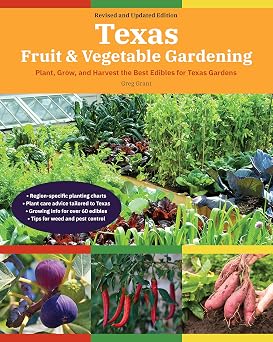
Gardening in Texas becomes much more manageable with Texas Fruit & Vegetable Gardening, a guide tailored to the unique climate challenges. Ideal for both newbie and seasoned gardeners, it shines at providing region-specific advice for growing a variety of fruits and vegetables successfully.
Each chapter breaks down planting schedules, soil preparation, and watering techniques suited to Texas weather. You get practical tips to boost harvests without guesswork, making it easier to plan your garden layout and maintenance throughout the seasons. The straightforward language makes daily consultation simple and helps avoid common cultivation pitfalls.
The book delivers on region-appropriate strategies that can improve plant survival rates and yields. It’s well-organized and user-friendly, although some readers feel the depth changes depending on the crop type covered. The advice suits local soils and climate, but occasionally expects a bit of extra interpretation for beginners unfamiliar with gardening terms.
The most praised aspect is the clear guidance tailored specifically to Texas conditions, helping gardeners avoid common planting mistakes. The most frequent complaint is the uneven level of detail, especially for less common crops, which can require additional research.
Gardeners looking for straightforward, local advice will find this a useful resource. Those wanting exhaustive explanations on all plants might need supplementary sources to fill gaps in detail or terminology understanding.
Pros
- Region-specific advice for Texas gardeners
- Covers wide range of fruits and vegetables
- Clear and practical planting schedules
- Good for beginners and experienced growers
Cons
- Depth of detail varies by plant
- Some gardening terms need extra explanation
| Specification | Details |
|---|---|
| Focus Area | Texas climate and soil conditions |
| Plant Types Covered | Fruits and vegetables |
| Gardening Level | Beginner to intermediate |
| Format | Guidebook |
9. Southern Vegetable Seeds Collection

Gardeners in warmer climates looking for a variety of southern vegetable heirlooms will appreciate this seed collection. It fits best in USDA zones 7-11 and performs well in full sun environments.
Its biggest strength is offering a diverse mix of drought-tolerant, pest-resistant vegetables that attract pollinators.
Starting these seeds is straightforward when planted outdoors in loam soil during spring or summer. Daily care involves moderate watering, which suits busy gardeners as these plants require low maintenance.
Expect the vegetables to reach up to 60 inches in height, providing a satisfying gardening experience without needing constant attention.
The collection delivers strong germination and good growth from summer to fall. The heirloom varieties tend to resist common pests well, and they attract helpful pollinators naturally. The main letdown mentioned in reviews involves the untreated seeds, which may require more careful handling during planting to avoid damage.
High germination and pest resistance stand out as strong points, while the untreated condition of the seeds makes them a bit fragile during planting. These features affect how the plants grow and succeed through the season.
Anyone gardening in warmer zones who wants a variety of southern vegetables will be satisfied. Those outside USDA zones 7-11 or seeking indoor planting options should consider other alternatives better suited to their climate or conditions.
Pros
- Includes 15 different southern heirloom seeds
- Drought tolerant and pest resistant varieties
- Attracts beneficial pollinators naturally
- High germination rate with low maintenance plants
Cons
- Seeds are untreated, requiring careful handling
- Limited to USDA zones 7-11 outdoor planting
| Specification | Details |
|---|---|
| USDA Hardiness Zone | 7-11 |
| Sunlight Exposure | Full Sun |
| Expected Plant Height | 60 inches |
| Soil Type | Loam Soil |
| Moisture Needs | Moderate Watering |
10. Backyard Winter Gardening

Backyard Winter Gardening stands out as an excellent choice for gardeners wanting to extend their growing season during colder months. Best suited for those with moderate outdoor space, it offers protection from frost and low temperatures to keep plants thriving. Its greatest strength lies in creating a stable microclimate that sustains plant growth when most outdoor conditions fail.
Setting the system up involves using its insulated covers and frame, designed for easy assembly without requiring specialized tools. Throughout the day, it helps maintain a consistent warmth around plants, reducing the need for constant monitoring. The materials resist typical winter moisture, making maintenance straightforward, while its size comfortably fits small to medium garden plots.
The main job of supporting plants amid cold weather is handled effectively, with the garden climate inside remaining noticeably warmer than outside. Construction uses durable, weather-resistant materials that hold up well against snow and wind. One frequent praise highlights how reliable it is at protecting sensitive plants.
However, some users mention that size limitations restrict growing larger plants or crops extensively.
Praise centers on the product’s ability to reliably keep plants warm through winter conditions. The most common drawback relates to the relatively small coverage area, limiting how much can be grown simultaneously. Material durability is consistent but does not compensate for size constraints.
Gardeners focused on protecting smaller plots or individual plants during colder months will find this setup useful. Those needing greater growing space or growing taller plants should consider options designed for large-scale or high-clearance gardening.
Pros
- Maintains stable warmth during cold periods
- Easy to assemble without tools
- Durable against winter weather
- Protects delicate plants effectively
Cons
- Limited coverage for larger gardens
- Not ideal for very tall plants
| Specification | Details |
|---|---|
| Insulation Type | Multi-layer thermal covers |
| Coverage Area | Small to medium plots |
| Assembly Requirement | No specialized tools needed |
| Weather Resistance | Resistant to snow and wind |
11. The Vegetable Gardeners Bible

Vegetable Gardeners Bible helps you plan, plant, and grow your vegetable garden successfully. It suits those eager to cultivate fresh produce throughout the growing season, with clear guidance tailored to different climates. Its biggest strength lies in practical, easy-to-follow advice for maximizing garden yield in any environment.
Setup simply means getting the book ready at your gardening spot or inside for reference. Day-to-day use involves consulting detailed planting calendars, soil tips, pest control, and crop rotation guides, all clearly laid out.
This makes managing your garden tasks straightforward without overwhelming complicated jargon or scattered information.
Performance shines as the book packs solid, trusted gardening knowledge into a user-friendly format. The physical build is a sturdy paperback that holds up well to frequent handling outdoors.
The strongest praise praises its clear planting schedules, while the most frequent complaint points out that some illustrations could be more detailed.
Many find the book’s planting schedules very helpful, making garden planning less confusing. However, the illustrations don’t always provide enough clarity, which can slow down understanding certain concepts.
Gardeners wanting straightforward, practical vegetable advice will benefit from this guide. Those seeking highly detailed diagrams or advanced techniques might prefer a different resource.
Pros
- Clear planting schedules for different climates
- Practical pest and soil management tips
- Easy-to-read layout and explanations
- Sturdy paperback format
Cons
- Some illustrations lack detail
- Not suited for advanced gardening techniques
| Specification | Details |
|---|---|
| Type | Gardening guide |
| Focus | Vegetable gardening |
| Format | Paperback |
| Key features | Planting calendars, soil and pest advice |
12. Thyme Seeds Pack

Fresh herbs around your home feel within easy reach with these thyme seeds, suited for gardeners wanting reliable growth outdoors. Their biggest strength lies in the high germination rate, making it easier to fill your herb patch with lush, flavorful thyme plants without constant replanting.
Seeds arrive in a moisture and sunlight-protective envelope, keeping them safe until planting time. They thrive in loam soil or potting mix and handle partial sun well, fitting nicely into different garden spots or containers.
Regular watering supports their steady development from spring through winter seasons, aligning with various climate zones, making daily care straightforward for anyone growing herbs outdoors.
Growth results promise a tidy 12-inch height and year-round blooming, with the non-GMO and heirloom nature appealing to sustainable gardeners. People appreciate the seed package’s ability to keep their seeds fresh and viable. Some find the outdoor-only usage a limitation, since indoor growing isn’t supported, which is important for those lacking suitable outdoor space.
Many users praise how well the seed packaging protects the thyme seeds from moisture and sunlight to maintain freshness, supporting successful germination. However, the lack of indoor growing suitability can limit options for gardeners without outdoor space.
Those with outdoor gardens spanning various USDA zones will find the seeds adaptable and rewarding. People seeking indoor herb growing solutions should consider alternatives better suited for their environment.
Pros
- High germination rate for reliable planting
- Seed package blocks sunlight and moisture
- Non-GMO heirloom seeds for eco-conscious gardening
- Able to bloom year-round in many zones
Cons
- Suitable only for outdoor gardening
- Requires regular watering to thrive
| Specification | Details |
|---|---|
| Sunlight Exposure | Partial Sun |
| Expected Plant Height | 12 inches |
| Expected Blooming Period | Year Round |
| USDA Hardiness Zone | 2, 3, 4, 5, 6, 7, 8, 9, 10, 11 |
| Soil Type | Loam Soil, Potting Mix |
Best Climates for Gardening Comparison Table
| Product | Usage | Special Feature | Bloom Period | Sunlight Exposure |
|---|---|---|---|---|
| Dry Climate Gardening Guide | – | – | – | – |
| Old Farmers Almanac Handbook | – | – | – | – |
| Know Your Zone Guide | – | – | – | – |
| Moss Rose Seeds Bulk | Outdoor | Air Purification | Year Round | Full Sun |
| Week-by-Week Garden Handbook | – | – | – | – |
| Hot-Climate Vegetable Guide | – | – | – | – |
| Rosemary Gladstar Herbs | – | – | – | – |
| Texas Gardeners Guide | – | – | – | – |
| Southern Veg Seeds | Outdoor | Pollinators, Drought Tolerant | Summer-Fall | Full Sun |
| Backyard Winter Gardening | – | – | – | – |
| Vegetable Gardeners Bible | – | – | – | – |
| Thyme Seeds Pack | Outdoor | – | Year Round | Partial Sun |
- Usage–
- Special Feature–
- Bloom Period–
- Sunlight Exposure–
- Usage–
- Special Feature–
- Bloom Period–
- Sunlight Exposure–
- Usage–
- Special Feature–
- Bloom Period–
- Sunlight Exposure–
- UsageOutdoor
- Special FeatureAir Purification
- Bloom PeriodYear Round
- Sunlight ExposureFull Sun
- Usage–
- Special Feature–
- Bloom Period–
- Sunlight Exposure–
- Usage–
- Special Feature–
- Bloom Period–
- Sunlight Exposure–
- Usage–
- Special Feature–
- Bloom Period–
- Sunlight Exposure–
- Usage–
- Special Feature–
- Bloom Period–
- Sunlight Exposure–
- UsageOutdoor
- Special FeaturePollinators, Drought Tolerant
- Bloom PeriodSummer-Fall
- Sunlight ExposureFull Sun
- Usage–
- Special Feature–
- Bloom Period–
- Sunlight Exposure–
- Usage–
- Special Feature–
- Bloom Period–
- Sunlight Exposure–
- UsageOutdoor
- Special Feature–
- Bloom PeriodYear Round
- Sunlight ExposurePartial Sun
How to Choose the Best Climate for Gardening
Choosing the right climate for gardening involves considering temperature, rainfall, and sunlight, as these affect plant growth and health. Selecting a suitable environment helps avoid problems like frost damage or drought, ultimately saving time, effort, and money on plants and maintenance.
Temperature Range Suitability
Gardens in areas where temperatures swing wildly during the growing season often suffer from stunted growth or sudden plant die-off. Constant temperature swings stress plants, weakening their ability to thrive. A climate where temperatures hold steady between 60°F and 80°F supports a broader range of plant species, allowing vegetables, flowers, and shrubs to mature properly without thermal shock.
Extremes beyond this range, especially rapid drops below 50°F or spikes over 90°F, can halt flowering and fruiting or burn foliage. Maintaining a consistent temperature range minimizes these issues, making gardening more predictable. Look for regions or microclimates where daily highs and lows do not vary more than 15 degrees during peak growing months.
Sunlight Exposure
Gardens receiving 6 to 8 hours of direct sunlight daily usually support healthy photosynthesis, critical for plant growth. Light intensity also shifts with the seasons; summer sun can be harsh, sometimes requiring partial shade to prevent leaf scorch, while winter light is weaker but still important for hardier crops.
Too much constant shade delays flowering and can cause legginess, where plants stretch toward light, becoming fragile. Conversely, excessive sun without breaks may dry soil quickly and stress plants. Assess spots for sunlight duration and intensity throughout the year for best results.
Choose plants suitable for your light conditions or provide shade structures in brighter locations.
Soil and Moisture Conditions
Gardening thrives on quality soil that drains well but retains moisture, a balance with critical practical effects. Clay-heavy soils hold water but risk root rot without adequate drainage. Sandy soils drain fast but may demand frequent watering.
Consider soil with some organic matter; it absorbs and releases moisture steadily, aiding root health.
Rainfall patterns influence irrigation needs heavily. Areas with regular, moderate rain reduce watering tasks but watch out for overly humid spots which can invite fungal diseases. Good drainage and moderate humidity favor strong root systems, so test soil texture and observe water behavior after a heavy rain for best planting decisions.
Frost and Freeze Risk
Plants exposed to unexpected frost or prolonged freeze periods often suffer leaf damage or die back completely. Frost frequency and duration in your area can narrow which species will survive the season or the size of harvest you can expect. Locations with 2-3 weeks of frost are different from areas with none or prolonged winter cold.
Protection strategies vary from simple frost cloth coverings to choosing microclimates near walls for warmth or planting frost-hardy varieties. Knowing the typical frost dates allows better timing of planting and harvest to avoid costly loss.
Pay attention to local frost zone ratings when planning your garden layout.
Season Length and Growing Window
The length of the frost-free growing window affects how many crops you can plant and when. Growing seasons lasting 120 days or more give flexibility for several vegetable rotations or mixed flower and vegetable beds.
Shorter seasons force quicker-maturing plants or season extenders like cold frames.
Perennials need a longer window to establish before winter dormancy, while annuals can fit within shorter periods but may demand replanting each season. Knowing how many frost-free days are reliable in your garden spot helps decide the balance between these plant types and plan multiple planting cycles.
Ideal Seasonal Conditions for Successful Gardening
Gardening thrives best when plants experience a balance of temperature, sunlight, and moisture that matches their specific needs. Cool-season plants like lettuce and spinach grow well in temperatures between 55°F and 75°F, avoiding extreme heat that causes bolting. Warm-season crops such as tomatoes and peppers need consistent warmth, usually above 65°F, to flower and fruit properly.
Seasonal conditions to consider:
- Spring and fall offer moderate temperatures and longer daylight, ideal for many vegetables and flowers.
- Summer provides intense sun and heat; in hot climates, partial shade or irrigation becomes crucial.
- Winter gardening requires frost protection and selecting cold-hardy plants or using greenhouses.
Monitoring seasonal shifts helps gardeners anticipate watering schedules and plant selection, improving overall growth and harvest quality.
Common Mistakes to Avoid When Gardening in Different Climates
One common mistake is planting species unsuited to the local climate, which often leads to poor growth or failure. Sending heat-loving plants into cooler regions results in slow development and vulnerability to diseases.
Conversely, cold-tolerant plants placed in hot areas can suffer from stress and wilt.
Ignoring watering needs is another frequent error. Overwatering in humid climates encourages root rot, while underwatering in dry, hot environments causes plants to dry out and die.
Soil type and sun exposure should also match plant requirements, or the garden may struggle despite ideal weather.
Steps to avoid climate-related problems:
- Research plant hardiness zones before selecting species.
- Adjust watering frequency seasonally, based on rainfall and temperature.
- Use mulch and shading to moderate soil moisture and temperature extremes.
Comparing Indoor and Outdoor Gardening for Climate Flexibility
Outdoor gardening offers natural sunlight, which supports a wider range of plants, but exposes them to unpredictable weather. Adjusting planting times and providing physical protection from storms or frost can be challenging.
Soil quality varies and may require amendments.
Indoor gardening provides more control over temperature, humidity, and light through grow lights and climate regulation. It enables year-round cultivation of sensitive plants regardless of outdoor conditions but often limits the scale and requires attention to ventilation and pest control.
Considerations for each approach:
- Outdoor gardening suits larger crops and species adapted to the regional climate.
- Indoor gardening allows experimenting with exotic or delicate plants that need stable conditions.
- A combination of both methods can maximize productivity and plant variety.
People Also Asked
What Climate Conditions Are Ideal for Growing Tomatoes Outdoors?
Tomatoes grow best in warm, sunny climates with daytime temperatures between 70 and 85 degrees Fahrenheit. Make sure the soil is well-drained and rich in organic matter to support healthy growth and fruit production.
How Do I Care for Plants in Humid Gardening Climates?
In humid climates, it’s important to provide good air circulation around plants to prevent fungal diseases. Water plants early in the day to allow leaves to dry before nightfall, which helps reduce mold and mildew problems.
Is My Garden Size Suitable for Tropical Plant Varieties?
Small gardens can still accommodate tropical plants if you choose compact or dwarf varieties and use vertical space. Keeping plants in containers allows you to move them according to light and temperature needs.
Are Certain Gardening Tools Safer to Use in Cold Environments?
Tools with insulated handles or those made from materials that don’t get brittle in cold weather are safer in cold environments. Keeping tools dry and stored indoors protects them from damage and reduces injury risks.
How Long Do Typical Outdoor Garden Plants Survive in Dry Areas?
Outdoor garden plants in dry areas typically survive a growing season if given enough water, usually through irrigation. Mulching helps retain soil moisture and protects roots from extreme heat, extending plant life.
Conclusion
Choosing the best climate for gardening depends mainly on temperature range, amount of sunlight, and length of the growing season. These factors affect what plants can thrive and how much care they need. Soil quality and rainfall also play a part but can be adjusted with added effort.
Think about how much time and money you want to spend maintaining your garden. Pick a climate that matches the types of plants you want and fits your routine.
Check the comparison table and detailed picks above to find a climate that suits your needs and gardening goals.

I’m Jake Thompson, and I’ve spent over a decade working on lawn mowers, from small push mowers to big riding tractors. I write about starting problems, blade sharpening, carburetor cleaning, oil changes, and seasonal maintenance. My goal is to give you clear, step-by-step advice so you can handle common mower issues yourself and keep your lawn looking sharp all season.