Top 12 Best Aggregate for Shed Base That Lasts Strong
A shed base made with the wrong type of aggregate can cause more problems than it solves. Many people know the frustration of dealing with uneven surfaces, poor drainage, or shifting ground that leads to shed doors jamming or water pooling inside.
Choosing the best aggregate for shed base is important to avoid these common issues and ensure a stable, long-lasting foundation.
The main factors that distinguish a good aggregate for shed bases are particle size, drainage capacity, and material cleanliness. Typically, a mix of crushed stone sized between 10mm and 20mm works well, allowing water to drain through easily without settling or compacting too tightly.
Clean, sharp-edged stones made from granite or limestone provide better interlock and stability compared to rounded gravel. Avoid fine particles that can trap moisture and cause frost damage in colder climates.
Need a Quick Check?
| Image | Product | Price |
|---|---|---|
Our Top Picks 1 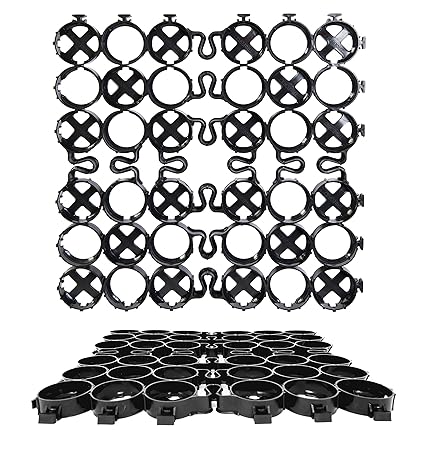 | PRO LITE Paver Pack | Check Price |
Our Top Picks 2  | PebbleLock Paver Grid | Check Price |
Our Top Picks 3  | Gravel Company Asphalt Millings | Check Price |
Our Selected Top 12 Aggregate for Shed Base Worth Buying
This list features a variety of aggregates ideal for creating stable, durable shed bases. Each review explains the performance, suitability for different ground conditions, and highlights both advantages and potential drawbacks to help you choose the best option for your specific needs.
1. PRO LITE Permeable Paver Pack
A lightweight, easy-to-install permeable paver system perfect for anyone looking to build a reliable shed base. Its biggest strength lies in allowing quick drainage while supporting heavy loads without compromising on environmental friendliness, thanks to its recycled materials and all-weather durability.
Setup involves laying the grid sections on a prepared surface and filling them with suitable aggregate. The pavers are surprisingly light, making installation manageable for DIYers of any skill level. Day-to-day, the grids remain stable underfoot and allow water to pass through instantly, preventing pooling even during snow or heavy rain.
Maintenance requires minimal effort, as snow can be plowed directly without damaging the surface.
Designed from 100% post-consumer recycled HDPE, these pavers hold up well under various weather conditions and soil types. The main functionality, drainage, is handled effectively, helping avoid puddles or mud.
Customers praise the easy installation and durability, while some mention the need for precise base preparation to avoid uneven surfaces.
Many appreciate the easy installation and excellent drainage, making it reliable for shed bases in all climates. Common concerns focus on the need for careful ground leveling before laying to avoid uneven surfaces over time. The durable recycled material supports heavy use without breaking down.
This paver pack suits those wanting an environmentally friendly, self-installed shed base that handles weather well. Those with less level ground or expecting to place heavy machinery might consider other options requiring thicker or reinforced bases.
Pros
- Lightweight and easy to install
- 100% permeable for instant drainage
- Made from recycled HDPE
- Snow plow-able and all-weather capable
Cons
- Requires precise base preparation
- Some unevenness on softer soils
| Specification | Details |
|---|---|
| Brand Name | TRUEGRID |
| Number of Items | 18 |
| Unit Count | 72 Square Feet |
| Manufacturer | TRUEGRID Paver |
| Model Number | TG-B030C |
| Warranty Description | 5 year warranty against manufacturer defects |
2. PebbleLock Interlocking Permeable Paver Grid
Made from heavy-duty reinforced plastic, the PebbleLock Interlocking Permeable Paver Grid offers a tough honeycomb design that locks gravel firmly in place. Designed to handle heavy loads, it works well for anyone needing a stable base for sheds, driveways, or outdoor patios where durability and drainage are important.
Setting it up involves interlocking each panel to form a sturdy grid that holds gravel tightly. Its permeability helps rainwater flow right through, so you won’t deal with puddles or erosion in the base. Everyday use means the gravel stays put underfoot or vehicle weight, keeping everything level and secure without shifting or sinking.
The panels support up to 600,000kg/m (122,889.6 lbs/f), which means it’s built strong enough for driveways and heavy traffic spots. Reviews highlight the grid’s ability to keep gravel locked-down effectively as its biggest strength. Some users mention the panels can be a bit heavy to handle during installation, which might slow setup for some.
The strongest praise for this grid is how securely it keeps gravel in place even under heavy weight, preventing shifting and erosion. A common complaint involves the panels being somewhat heavy, which can make setup slower or more cumbersome in tight spaces.
Those needing a highly durable and drainage-friendly base for sheds or driveways will find it reliable and long lasting. People seeking a lighter or simpler installation solution might want to consider alternative options that are easier to handle.
Pros
- Locks gravel securely with honeycomb cell structure
- Supports heavy loads up to 600,000kg/m
- Allows natural water flow to prevent pooling
- Versatile for residential and commercial use
Cons
- Panels can be heavy, making installation slightly difficult
- May require careful alignment for proper interlocking
| Specification | Details |
|---|---|
| Brand Name | Strol |
| Item Highlight | PebbleLock Interlocking Permeable Paver Grid – Heavy-Duty Plastic Gravel Stabilizer Panels for Driveways, Outdoor Flooring |
| Number of Items | 12 |
| Manufacturer | Commander Tool |
| Model Number | STR-61377 |
| Part Number | STR-61377 |
3. Gravel Company Recycled Asphalt Millings
Recycled Asphalt Millings from Gravel Company stand out for their ability to compact into a solid base, making them perfect for anyone needing a sturdy foundation for a shed or driveway repairs. Their mix of crushed asphalt, aggregate, and fines offers a strong and stable surface that holds up well under pressure.
Getting the millings in place involves spreading and compacting the material, which shapes into a firm road base after settling. The 40 lb bags supply enough for addressing larger issues like potholes or uneven patches.
Using the residual asphalt binder, it binds the aggregate particles tightly, reducing the need for frequent maintenance.
As a compactable road base material, it performs admirably to create a durable and firm surface suitable for parking areas and driveway repairs. The mixture’s combination of fines and crushed asphalt allows it to consolidate when properly worked into the surface. While praised for its strength and ease of use, some note the material requires careful compacting to avoid settling later on.
The strongest praise is for how well the millings compact into a solid base, making it ideal for heavy-duty repairs and construction of driveways or shed foundations. The most common complaint is that without thorough compaction, the surface can settle or become uneven over time.
This product suits anyone tackling substantial outdoor surface projects requiring durability, such as large pothole fixes or shed base preparation. Those looking for finely graded material for light or decorative tasks might want to look at other options.
Pros
- Contains crushed asphalt and fines for firm compaction
- Suitable for driveway repairs and pothole filling
- Can consolidate into a firmer surface when compacted
- 40 lb bags cover larger repair jobs easily
Cons
- Needs proper compaction to prevent later settling
- Not suitable for small, cosmetic repairs
| Specification | Details |
|---|---|
| Brand Name | Gravel Company |
| Number of Items | 1 |
| Part Number | Alss-gravel |
| Weight | 40 LB |
4. Gravel Company Coarse Washed Sand

Coarse Washed Sand from Gravel Company stands out for its natural, granular texture that handles drainage and leveling tasks well. Ideal for outdoor projects like patios and walkways, it provides the kind of stability needed for a solid shed base without the extra cost of specialty mixes.
Handling the sand requires minimal effort since it spreads evenly and compacts nicely. Using it under pavers or for drainage, the coarse grains allow water to flow through, preventing pooling. The 40-pound size works well for larger areas, making adding or topping up material easier during the build or maintenance phases.
Its grainy texture is perfect for keeping pavers steady and water moving away, fulfilling its intended purpose reliably. Made from natural sand washed to remove finer dust, it balances firmness and permeability. Most remarks praise drainage benefits, while the most noted drawback is needing extra bags for very large projects due to the pack size.
The coarse washed texture offers excellent drainage and stability, making it highly effective for outdoor base layers and hardscapes. Common complaints mention needing to buy many bags since the packaging is sized for moderate rather than very large projects.
Those building medium-sized patios, walkways, or shed bases will find this product practical and dependable. Larger scale projects may want a bulk option to reduce costs and trips. People needing finer materials will have to look elsewhere due to the coarse grain size.
Pros
- Natural coarse texture for drainage and stability
- Suitable for pavers, patios, and walkways
- 40-pound size covers larger projects
- Washed to reduce fine dust and debris
Cons
- Single 40-pound bags require multiple purchases for big jobs
- Not suitable as a fine sand substitute
| Specification | Details |
|---|---|
| Brand Name | Gravel Company |
| Number of Packs | 1 |
| Unit Count | 640 Ounce |
| Part Number | Alss-sand |
| Weight | 40 LB |
5. Vodaland Permeable HexPave System

Building a solid, long-lasting base for a shed means choosing materials that can hold up under heavy weight and resist wear over time. The Vodaland Permeable HexPave System fits well for anyone needing a durable and eco-friendly gravel paver solution with impressive load capacity that supports stable outdoor projects.
Setting up involves laying out the 22 interlocking units across a prepared surface to cover 65 square feet, with each piece about an inch deep. The lightweight, recycled plastic material keeps handling manageable, and it locks together nicely without extra tools.
Its permeability allows water drainage, reducing puddling and maintaining a firm base without needing constant maintenance.
The system can support weights up to 27,000 lbs depending on the base and fill, providing a reliable foundation for a shed. Made entirely from recycled PPE plastic, it’s sturdy and resistant to environmental wear. The most praised aspect is its durability and environmental friendliness, while a familiar complaint concerns the relatively shallow chamber depth potentially limiting some fill options.
The HexPave system is praised for its strong, eco-friendly build and ability to support very heavy weights. Most users note the limited chamber depth as a drawback since it restricts how much filling material can be used, which might affect long-term ground stability in some soil types.
Anyone needing a solid, recycled plastic base for heavy structures will appreciate the strength and drainage capabilities. Those requiring deeper fill layers or a lighter material might want to explore alternatives better suited to deeper foundation requirements.
Pros
- Made from 100% recycled PPE plastic
- Handles very heavy loads
- Supports water drainage through permeable design
- Covers a large area with just 22 units
Cons
- Shallow 1-inch chamber limits fill options
- Can be a bit heavy to move individual units
| Specification | Details |
|---|---|
| Item Dimensions D x W x H | 22.88″D x 19.88″W x 1.13″H |
| Item Weight | 20.41 kg |
| Floor Area Covered | 65 square feet |
| Chamber Depth | 1 inch |
| Load Capacity | Up to 27,000 lbs |
6. Heavy Duty Permeable Grass & Gravel Pavers

Measuring 41 by 41 centimeters with a thickness of 2.5 centimeters, these heavy-duty permeable pavers are designed to hold up against vehicular traffic without bending or breaking. Perfect for anyone looking to create a durable, customizable base for sheds, driveways, or walkways.
Setup is straightforward thanks to an interlocking design that snaps the pieces tightly together. Cutting the plastic mesh with scissors to fit around odd corners or shapes is easy, allowing you to tailor the layout without professional tools.
Day-to-day, the pavers stay put underfoot or tires without shifting, and their permeable nature helps with drainage around your shed base.
Strong plastic mesh construction makes these pavers highly durable, so they hold their shape even under heavy loads. Their interlock system keeps them securely in place long term. The highest praise is for the toughness and ability to withstand vehicles, while the most common frustration is the size and thickness, which might be slightly bulky for some tight spots.
These pavers are praised for their durability under vehicles, holding up well to heavy use without damage. Most users find their size and thickness a bit cumbersome to work with in restricted areas, sometimes requiring extra planning during installation.
Ideal for those needing a tough, adaptable base for sheds or driveways where drainage matters. Those with very small or irregular spaces might want to consider alternatives with thinner or more flexible materials.
Pros
- Handles vehicular traffic without deformation
- Easy to cut and customize layout
- Interlocking design for secure fit
- Permeable, helps with drainage
Cons
- Size can be bulky for tight spaces
- Plastic mesh thickness may not suit all projects
| Specification | Details |
|---|---|
| Item Length | 41 centimeters |
| Unit Count | 12 Count |
| Material | High-strength plastic mesh |
| Thickness | 2.5 centimeters |
| Model Number | USC2-0039 |
7. Ground Grid Geocell Gravel Grid 2 Inch

Anyone looking to create a sturdy, permeable base for a shed or walkway will find the Ground Grid Geocell Gravel Grid ideal. Its biggest strength lies in how flexible and expandable it is, allowing you to customize the size while stabilizing the ground effectively.
Setting it up involves unrolling two separate 8.8 ft by 6 ft grid rolls and stretching them to fit your desired shape. Since it’s not a rigid panel, the cells expand both lengthwise and widthwise, giving you some leeway with dimensions. Once filled with gravel, it keeps everything in place and offers good drainage underneath the shed or path area, reducing pooling water problems.
The grid does a solid job spreading weight and preventing sinking when used under gravel. It’s made of durable plastic that holds its shape well under pressure but stays flexible during installation. One common praise highlights how well it stabilizes loose gravel, while a noted downside is that the total coverage is split into two rolls instead of one continuous piece, which can be a bit fiddly to connect precisely.
Most praise highlights how well the grid stabilizes gravel to prevent shifting, making shed bases much more solid. The main complaint centers on the two-roll setup, which can be tricky to align perfectly for a continuous surface.
People who want a flexible, customizable base for sheds or paths will be satisfied with this grid’s adaptability and drainage qualities. Those needing a single-piece, rigid panel for exact sizing might want to consider other options.
Pros
- Expandable design adapts to various shapes
- Permeable grid improves drainage
- Durable plastic material holds gravel firmly
- Covers over 100 square feet in total
Cons
- Comes as two rolls, not one continuous piece
- Cell and grid size vary with stretching
| Specification | Details |
|---|---|
| Total Coverage Area | 17.6 ft × 6 ft (105.6 sq. ft.) |
| Roll Dimensions | Each approx. 8.8 ft × 6 ft |
| Cell Depth | 2 inches |
| Material Type | Expandable geocell grid |
| Brand Name | GRITSPIKE |
8. Arrow FDN1014 Storage Shed Base Kit

Designed specifically for Arrow and Storboss sheds measuring around 10 by 12 to 10 by 14 feet, the Arrow FDN1014 Storage Shed Base Kit offers a reliable steel frame that helps square your building exactly before assembly. Its standout strength lies in providing a firm, adaptable foundation that works well with various flooring options, including gravel and concrete.
Setting up the base is straightforward thanks to the engineered HDG steel frame that self-squares your shed before you finish assembly. While you can install your preferred flooring material like plywood, gravel, or pour concrete right into it, the kit also doubles as a concrete form. The fairly lightweight 43 pounds make handling manageable during setup without sacrificing sturdiness.
The base performs its main role of creating a level, stable platform exceptionally well, reducing common fitting issues during shed assembly. The hot-dip galvanized steel gives it solid durability against corrosion.
The most frequent praise highlights its easy fitting to the shed structure, while some note it isn’t compatible with buildings featuring swing doors, which limits its use.
The frame is praised for its easy installation and durability, providing a true square foundation, but it can’t be used with sheds that have swing doors, which restricts its versatility. Handling the frame is fairly easy due to the lightweight steel construction, adding convenience during setup.
This base kit suits anyone with Arrow or Storboss sheds sized 10 by 12 to 10 by 14 feet needing a sturdy, adaptable floor foundation. Those with sheds outside these sizes or with swing doors should look for a different base solution.
Pros
- Self-squares shed during setup
- Works as concrete form
- Fits multiple shed sizes
- Corrosion-resistant HDG steel
Cons
- Not compatible with swing door sheds
- Limited to specific shed dimensions
| Specification | Details |
|---|---|
| Fits Shed Sizes | 10′ by 12′, 10′ by 13′, 10′ by 14′ |
| Material | Durable HDG Steel |
| Dimensions | 142.3 x 120.1 x 2 inches |
| Weight | 43 pounds |
| Compatible Flooring | Plywood, gravel, concrete |
9. Gravel Grid Geogrid Ground Grid 2 Inch

BIOBUBANA Gravel Grid Geogrid Ground Grid 2 inch is designed to provide a stable base for sheds and other heavy outdoor installations. It suits DIY enthusiasts tackling driveways, slopes, or garden paths and stands out with its ability to support heavy loads while preventing soil erosion effectively.
Installation is straightforward thanks to the complete kit that includes gloves, ground staples, and connection buckles. The two panels, each measuring 16.5 ft by 4 ft, lock together easily to cover the desired area. The honeycomb structure holds gravel firmly, distributing pressure evenly and stabilizing the base without much fuss in daily use.
Support for up to 1900 lbs per square foot shows its strength on heavy loads. Made from high-density polyethylene, the grid resists wear and stays intact over time.
Most users praise its durability and how it prevents rutting, although some find the 2-inch depth a bit shallow for larger gravel sizes or heavier constant loads.
Strong support and good pressure distribution stand out in this grid, with most users appreciating its durability and effectiveness in preventing soil erosion. A common complaint is that the 2-inch depth restricts using larger gravel in some setups.
This product is well suited for those needing a reliable base for sheds or paths on fairly level or gently sloped ground. Those requiring deeper gravel layers or handling extreme loads might want to explore sturdier or deeper grid options.
Pros
- Supports up to 1900 lbs per square foot
- Includes full DIY kit with gloves and staples
- Honeycomb design evenly distributes weight
- Easy to connect and lay out panels
Cons
- 2-inch grid depth may limit gravel size
- Panels may require careful handling during setup
| Specification | Details |
|---|---|
| Brand Name | BIOBUBANA |
| Number of Packs | 1 |
| Number of Items | 2 |
| Unit Count | 2 Count |
| Model Number | 33X4FT-TGG-NEW |
10. Gravel Company 2–3 Inch Crushed Limestone

Crushed limestone around 2–3 inches in size works great when you need a heavy-duty base that won’t shift easily. Suited for outdoor projects requiring solid drainage and erosion control, it provides a strong foundation that’s tough enough for driveways and shed bases alike.
Setting it up involves spreading large, angular stones that lock together well, creating a stable layer you won’t have to fuss with later. It’s perfect for areas where water runoff or erosion might be an issue because the size and shape help keep everything in place while allowing good drainage.
Built with natural crushed limestone, it handles heavy loads without breaking down quickly. The larger stone size suits stabilization better than smaller gravel.
Common praise highlights its durability and effectiveness for drainage, while some mention it can be a bit rough to work with by hand because of the size.
Users appreciate how the big angular stones create a solid, durable base that handles drainage well under pressure. However, the size can make it challenging to spread by hand, requiring more effort for small-scale jobs.
This aggregate fits those looking for long-lasting erosion control or driveway base material. People needing finer gravel for smoother surfaces might want to consider smaller crushed stone options.
Pros
- Angular shape prevents shifting once installed
- Large size ideal for drainage and erosion control
- Strong foundation for driveways and shed bases
- Natural limestone offers good durability outdoors
Cons
- Large pieces can be difficult to handle manually
- Not suitable for projects needing finer gravel size
| Specification | Details |
|---|---|
| Brand Name | Gravel Company |
| Number of Items | 1 |
| Part Number | Alss-gravel |
| Material Type | Natural crushed limestone |
| Aggregate Size | 2–3 inches |
11. Gravel Company 1.5 Inch Crushed Limestone
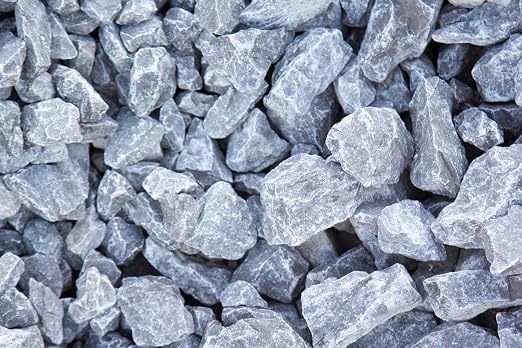
Great for shed bases needing solid support and drainage, this 1.5 Inch Crushed Limestone combines durability with good size for stability. Its angular shape locks in place well, making it ideal for setups requiring reliable base material that handles weight and water runoff effectively.
Putting it down is straightforward, especially when layering under a shed foundation or driveway. The 1.5-inch pieces offer excellent compaction due to their angular edges, reducing movement and settling over time. On a daily level, it controls erosion and drainage pretty well, helping avoid water pooling that could damage the structure above.
Performance is strong, with the stone holding up under pressure and providing firm support without breaking down quickly. The natural color variations add a subtle mix of grays that blend into outdoor environments.
A common grip is that its size can be a little large for fine leveling, but for base material, it stands firmly and drains effectively.
The product is praised for its sturdy, angular stones that pack down tightly providing a stable base and excellent drainage. Some find the 1.5-inch size a bit bulky when a more finely graded surface is needed, limiting its use in that context.
Works best where a solid, coarse base is needed under a shed or for driveway repair. Those needing finer aggregate for smoothing or smaller projects might look for alternatives with smaller stone size.
Pros
- Angular shape for firm compaction
- Varied natural stone colors
- Good for drainage and erosion control
- Generous 40 lb size for larger projects
Cons
- Stone size can be too large for fine grading
- Not suitable for applications needing smaller aggregate
| Specification | Details |
|---|---|
| Brand Name | Gravel Company |
| Number of Items | 1 |
| Part Number | Alss-gravel |
| Material Size | 1.5 INCH |
| Use | Driveways & Base Material, Drainage & Erosion Control |
12. Gravel Company Crusher Run Crushed Limestone

Crushed limestone with added stone fines creates a sturdy, compactable base ideal for various home projects. Great for anyone needing a stable foundation for patios, walkways, or small driveways.
Its strength lies in how well it packs down to prevent shifting and settling over time.
Getting it ready involves spreading the material evenly and compacting it thoroughly to lock the fines and larger stones together. The stone fines fill spaces between larger rocks, which helps create a tight, solid surface. It’s straightforward to handle during setup and valuable for making sure pavers and stepping stones stay level and secure.
Performs consistently as a firm base because of the combination of crushed limestone and fines, which aids in compaction. Built with a mix designed to settle tightly, it resists movement better than washed gravel.
Most praise revolves around its dependable stability, while the main complaint centers on the dusty limestone dust that can be messy during installation.
Stable and compact, it creates a reliable base that holds up well over time. The limestone dust can get messy and dusty during spread and compaction, requiring some care during use.
Ideal for those building patios or driveways who need a firm, compact surface. Not suited for adding decorative appeal where washed gravel might be preferred due to its dust and rough texture.
Pros
- Compacts into a very stable base
- Includes stone fines for better packing
- Suitable for multiple DIY projects
- Combines crushed limestone and dust
Cons
- Limestone dust creates mess during installation
- Not decorative, mostly for base use only
| Specification | Details |
|---|---|
| Brand Name | Gravel Company |
| Number of Items | 1 |
| Unit Count | 640 Ounce |
| Manufacturer | Gravel Company |
| Part Number | Alss-gravel |
Comparison of Best Aggregates for Shed Base
| Product | Brand | Unit Count/Size | Recommended Uses | Warranty |
|---|---|---|---|---|
| PRO LITE Paver Pack | TRUEGRID | 72 Square Feet | – | 5 year warranty |
| PebbleLock Paver Grid | Strol | 12 Items | Driveways, Outdoor Flooring | – |
| Gravel Company Asphalt Millings | Gravel Company | 1 Item | – | – |
| Gravel Company Washed Sand | Gravel Company | 640 Ounce | – | – |
| Vodaland HexPave System | – | 65 Square Feet | – | – |
| Heavy Duty Grass Gravel Pavers | GOOFCXO | 12 Count | Driveways, Walkways, Parking | – |
| Ground Grid Geocell Gravel | GRITSPIKE | 116 Square Feet | Shed Bases, Walkways | – |
| Arrow FDN1014 Shed Base | Arrow Shed LLC | 142.3 x 120.1 inch | Shed Base | – |
| Gravel Grid Geogrid 2 Inch | BIOBUBANA | 2 Count | – | – |
| Gravel Company 2-3 Inch Limestone | Gravel Company | 1 Item | – | – |
| Gravel Company 1.5 Inch Limestone | Gravel Company | 1 Item | – | – |
| Gravel Company Crusher Run Limestone | Gravel Company | 640 Ounce | – | – |
- BrandTRUEGRID
- Unit Count/Size72 Square Feet
- Recommended Uses–
- Warranty5 year warranty
- BrandStrol
- Unit Count/Size12 Items
- Recommended UsesDriveways, Outdoor Flooring
- Warranty–
- BrandGravel Company
- Unit Count/Size1 Item
- Recommended Uses–
- Warranty–
- BrandGravel Company
- Unit Count/Size640 Ounce
- Recommended Uses–
- Warranty–
- Brand–
- Unit Count/Size65 Square Feet
- Recommended Uses–
- Warranty–
- BrandGOOFCXO
- Unit Count/Size12 Count
- Recommended UsesDriveways, Walkways, Parking
- Warranty–
- BrandGRITSPIKE
- Unit Count/Size116 Square Feet
- Recommended UsesShed Bases, Walkways
- Warranty–
- BrandArrow Shed LLC
- Unit Count/Size142.3 x 120.1 inch
- Recommended UsesShed Base
- Warranty–
- BrandBIOBUBANA
- Unit Count/Size2 Count
- Recommended Uses–
- Warranty–
- BrandGravel Company
- Unit Count/Size1 Item
- Recommended Uses–
- Warranty–
- BrandGravel Company
- Unit Count/Size1 Item
- Recommended Uses–
- Warranty–
- BrandGravel Company
- Unit Count/Size640 Ounce
- Recommended Uses–
- Warranty–
How to Choose the Best Aggregate for Your Shed Base
Choosing the right aggregate involves considering drainage, compaction, and stability to create a strong, level base that supports your shed over time. Proper selection prevents shifting and water damage, saving money on repairs and making installation easier and more durable.
Particle Size and Grading
In one of my first shed projects, using a mix with inconsistent particle sizes led to uneven settling and water pooling, making the base unstable and difficult to level. Good particle size and grading mean the pieces fit snugly together during compaction, providing a firm, stable surface. Properly graded material ranges from fines to larger particles about 20 mm in size, which allows it to lock in place and supports easy spreading.
Uniformly sized aggregates can cause poor drainage and shifting, while overly fine or poorly graded materials can compact too tightly or become muddy. Aim for a blend that includes a balance of sizes, often called a well-graded aggregate, to ensure the base remains level and water drains through rather than pools on top.
Material Composition
The foundation’s durability relies heavily on what the aggregate is made from. I’ve seen crushed granite hold up well over years without breaking down, whereas softer materials like limestone wear away faster and can crumble under heavy load. Stone hardness and resistance to weathering matter here.
Some materials are more compatible with different soil conditions. For example, quartz-based aggregates resist erosion better in wetter soils, keeping the base stable longer.
Confirm the choice suits local climate and soil, selecting materials known for toughness rather than those prone to rapid degradation.
Drainage and Permeability
Water accumulation beneath the shed causes shifting and damage, especially after heavy rain or snowmelt. I’ve dealt with bases that sank because the aggregate wasn’t permeable enough, trapping moisture and causing frost heave during winter. Materials with high drainage rates allow water to pass through quickly, preventing this issue.
A permeable mix usually has less than 5% fines to maintain open spaces between particles. This supports drying and avoids the foundation becoming a soggy mess. A properly draining base reduces long-term maintenance and keeps the shed stable year-round.
Loadbearing Capacity
The shed base needs to support its own weight plus everything stored inside. Early on, my base started shifting because the material couldn’t handle the load and compact properly.
Loadbearing capacity depends on the aggregate’s ability to compact tightly and lock in place.
Look for angular particles rather than round ones, as they interlock better and resist shifting. The right base compresses to a firm surface under compaction without excessive crushing or settling, usually meaning a mix with a considerable proportion of sturdier, coarse particles between 10 to 30 mm.
Ease of Installation
Handling aggregate that’s too fine or dusty creates a dusty, messy environment and requires more cleanup, which I found annoying in smaller projects. Transport ease also matters; very heavy or coarse materials can be difficult to spread evenly without special tools.
Good material strikes a balance between size and weight so you can spread and level it without excessive effort or dust clouds. Aggregates with moderate particle size and minimal dust make the installation smoother, saving time and preventing cleanup headaches after the base is set.
Preparation and Groundwork Tips for a Durable Shed Base
Start the shed base project by clearing vegetation and organic material from the chosen site. Loosening the soil to a depth of at least 6 inches helps with compaction and drainage. A flat surface is essential; use a rake and a level to smooth out any bumps or depressions.
Steps for proper groundwork:
- Remove topsoil and roots to prevent future settling or rotting.
- Compact the soil using a hand tamper or mechanical plate compactor to create a firm foundation.
- Install a geotextile fabric to separate soil from the aggregate and stop weed growth.
- Establish a slight slope away from the shed to direct water runoff and prevent pooling.
Attention to these details reduces the risk of uneven settling and extends the lifespan of the shed base.
Common Mistakes to Avoid When Using Aggregate for Shed Foundations
One mistake many make is skipping soil compaction before placing aggregate. Without a stable, compact layer, the base can shift, leading to an uneven shed floor.
Another common error is using pea gravel or rounded river stone instead of angular crushed stone; the latter locks together better for stability.
Filling the shed base too shallow with aggregate also causes problems. Less than 4 inches of compacted material won’t provide adequate support or drainage. Some builders forget to separate the ground and aggregate with a proper fabric layer, which allows soil to mix in and causes settling over time.
Mistakes to avoid:
- Putting aggregate directly on loose, uncompacted soil.
- Using smooth stones that don’t grip well.
- Underestimating how much depth is necessary for a solid base.
- Failing to maintain proper drainage slopes.
Correcting these avoids costly repairs and maintains strength.
Comparing Crushed Stone and Gravel: Choosing the Right Aggregate for Your Shed Base
Crushed stone consists of angular pieces broken from rock, which interlock tightly, creating a stable and compacted surface. This makes it ideal for shed bases because it supports weight effectively and drains well. Gravel typically refers to rounded stones that do not lock together as firmly, which can lead to shifting and settling under the shed.
The sharper edges of crushed stone minimize movement over time, especially when compacted with a plate compactor. Gravel may feel smoother underfoot but does not provide the same firmness needed to support structural loads.
Both materials drain water, but crushed stone does so more efficiently without leaving voids.
Choosing between them:
- Choose crushed stone for stability and minimal shifting.
- Use gravel only if aesthetics or cost are priorities and load is light.
- Consider the local availability and price, but prioritize structural support.
For a long-lasting shed base, crushed stone generally outperforms gravel.
People Also Asked
What Size Aggregate Is Needed for a Shed Base?
A 20mm to 40mm crushed stone is commonly used for a shed base. This size compacts well to create a firm, stable foundation that can support the shed’s weight without shifting over time.
How Do I Prepare Ground Before Laying Aggregate?
The ground should be cleared of vegetation and topsoil before laying aggregate. Level the area to prevent water pooling, then tamp the soil to create a solid base before adding aggregate layers.
Can Shed Bases Be Built Directly on Gravel?
It is possible to build shed bases directly on gravel, but it needs to be well-compacted and properly graded. Using a layer of crushed stone with a weed membrane underneath helps prevent settlement and weed growth.
How Long Does Shed Base Aggregate Typically Last?
A properly prepared and compacted aggregate base can last many years without needing replacement. Drainage and soil type affect longevity, so regular checks for settling or washout after heavy rain are useful.
What Common Problems Occur with Aggregate Shed Bases?
Common problems include uneven settling, weed growth through the aggregate, and poor drainage causing water pooling. Maintaining compaction and adding a weed barrier can reduce these issues.
Conclusion
Choosing the right aggregate for a shed base depends on drainage, compaction, and stability. The material should allow water to run off easily, pack down well to provide a solid foundation, and resist shifting over time.
Those three aspects help prevent the shed from sinking or tilting.
Consider how much space you have and how often you’ll use the shed. Larger areas might need different materials or more quantity, and occasional use won’t require the same level of durability as a workshop. Check the comparison table and options listed above to find the fit for your project and budget.

I’m Jake Thompson, and I’ve spent over a decade working on lawn mowers, from small push mowers to big riding tractors. I write about starting problems, blade sharpening, carburetor cleaning, oil changes, and seasonal maintenance. My goal is to give you clear, step-by-step advice so you can handle common mower issues yourself and keep your lawn looking sharp all season.