Top 12 Best Companion Plants for Potatoes You Must Try!
Potatoes often suffer from poor growth or pest problems when planted without the best companion plants for potatoes. Choosing the wrong companion can lead to overcrowding or attracting harmful insects, which ruins the harvest. Gardeners who don’t pay attention to plant compatibility sometimes face slower growth and more disease, which could have been avoided with better plant pairings.
The quality of companion plants for potatoes depends mostly on their ability to improve soil health, repel pests, and avoid competition for nutrients. For example, plants that fix nitrogen, like beans, support potato growth without stealing resources. The physical size and spacing also matter; compact plants prevent crowding while giving potatoes enough room to grow.
Finally, companion plants should be easy to maintain alongside potatoes without requiring vastly different watering or care routines.
Need a Quick Check?
| Image | Product | Price |
|---|---|---|
Our Top Picks 1  | Orange Sweet Potato Slips | Check Price |
Our Top Picks 2  | Companion Plant Seeds Pack | Check Price |
Our Top Picks 3  | LUSH&DEW Heirloom Seeds | Check Price |
Our Selected Top 12 Companion Plants for Potatoes Worth Your Money
This list features a carefully chosen selection of companion plants that support potato growth in various garden settings. Each review explains how the plant performs alongside potatoes, highlights its advantages and disadvantages, and indicates which gardeners will benefit most from including it.
1. Orange Sweet Potato Slips
Bright orange sweet potato slips stand out for anyone looking to grow classic, vibrant orange-fleshed potatoes right in their garden. Well suited for gardeners with access to full sun and loam soil, they bring familiar, warm-season vines that produce tasty potatoes underground, perfect for zones 3 through 10.
Starting with fresh slips that may or may not show roots, planting requires moderate watering and full sunlight. These slips are easy to grow during the summer to fall period on well-prepared loam soil.
Root growth often begins after planting, so giving the slips enough warmth and moisture helps them take hold and start the tuber development below the ground.
The slips reliably produce abundant sweet potatoes with rich orange flesh as hoped. They grow into vigorous vines throughout the season, reflecting their hardy nature. Some find it tricky that root growth can be inconsistent upon arrival, making initial planting success somewhat dependent on conditions.
However, once settled, growth and harvest meet expectations for a traditional sweet potato.
One clear advantage is the attractive orange flesh and the ability to generate plenty of sweet potatoes when given proper care. Some uncertainty exists with the slips arriving without visible roots, sometimes causing a slower start to growth.
Gardeners with suitable loam soil and full sun exposure will find these slips a practical option for home-grown sweet potatoes across many hardiness zones. Those wanting instant root-developed slips might want to look elsewhere or prepare for extra attention after planting.
Pros
- Traditional vibrant orange flesh potatoes
- Adapted to a wide range of USDA zones
- Grows well in loam soil under full sun
- Produces abundant warm-season vines
Cons
- Slips may arrive without visible roots
- Root development depends on planting conditions
| Specification | Details |
|---|---|
| Expected Blooming Period | Summer to Fall |
| Sunlight Exposure | Full Sun |
| USDA Hardiness Zone | 3-10 |
| Soil Type | Loam Soil |
| Moisture Needs | Moderate Watering |
2. Companion Plant Seeds Variety Pack
Companion Plant Seeds Variety Pack fits well for anyone looking to support their vegetable garden naturally, especially around potatoes. Its biggest strength lies in offering a diverse collection of five heirloom seeds that attract pollinators and beneficial insects, enhancing garden health without relying on chemicals.
Starting the garden is straightforward since these seeds thrive outdoors in full sun and regular watering schedules. The plants do well in loam soil and can be sown during spring and summer. You’ll find them easy to grow because they’re drought tolerant and pest resistant, requiring little ongoing fuss while encouraging a lively, balanced ecosystem near your crops.
Performance-wise, these companion plants do an excellent job attracting helpful insects that aid in pest control and pollination, which benefits nearby vegetables like potatoes. The seed pack includes five specific plants, each growing up to about 24 inches, adding both function and a bit of color.
Most users appreciate the high germination rates, but some mention the need for careful spacing since the plants can grow bushy.
High germination rates mean most seeds sprout well, providing a diverse garden setup that encourages helpful insects. Some find the plants grow densely, so planning space is necessary to avoid overcrowding.
Gardeners wanting to create a natural insect-friendly environment will be pleased with this seed pack. Those who prefer minimal plant care or indoor gardening might consider alternatives better suited for low maintenance or indoor conditions.
Pros
- Includes five companion plants for varied benefits
- Attracts pollinators and beneficial insects naturally
- Drought tolerant and low maintenance
- High germination rate for reliable growth
Cons
- Plants can become crowded without enough space
- Untreated seeds may require careful handling
| Specification | Details |
|---|---|
| Sunlight Exposure | Full Sun |
| Expected Plant Height | 24 inches |
| Seed Treatment Method | Untreated |
| Moisture Needs | Regular Watering |
| USDA Hardiness Zone | 3-10 |
3. LUSH&DEW Heirloom Companion Plant Seeds
Gardeners often look for companion plants that not only thrive alongside potatoes but also improve their growth naturally. These heirloom companion plant seeds suit anyone who wants a wide variety of reliable, non-GMO seeds with good germination rates and easy planting. Their biggest strength lies in the large selection of 32 different varieties all focused on companion planting.
Setting up with these seeds feels straightforward, whether planting in raised beds, greenhouses, or even hydroponic setups. They require regular watering and prefer full sun, which makes them adaptable across many environments.
You can start planting any time of the year, which adds flexibility, and the seeds come sealed in packaging that keeps them viable over future seasons as long as they stay cool and dry.
Performance-wise, these seeds deliver well above average germination rates, supporting healthy mutual growth between potatoes and plants like onions, lettuce, and sunflowers. The seeds come from the USA and are non-GMO, which is great news for anyone committed to natural gardening. A strong suit is how low-maintenance the plants are once they start growing.
Some users note that keeping them watered regularly is essential and can be a bit demanding depending on conditions.
Seeds come with high germination rates and minimal fuss once growing; however, they demand consistent watering and full sun to thrive. Packaging protects seeds well, preserving viability across seasons, enabling gardeners to plan long-term. The wide range of companion plant choices adds value for mixed gardens designed for mutual plant benefits.
People who want variety and easy-to-grow heirlooms with flexible indoor or outdoor options will appreciate these seeds. Those needing plants with lower sunlight or water needs might want to explore alternatives better suited for shade or drought conditions.
Pros
- 32 varieties of heirloom companion seeds
- High germination rate tested
- Suitable for indoor and outdoor planting
- Year-round planting flexibility
Cons
- Needs regular watering to maintain health
- Full sun exposure required for best results
| Specification | Details |
|---|---|
| Indoor Outdoor Usage | Indoor, Outdoor |
| High Germination Rate | Yes |
| Sunlight Exposure | Full Sun |
| Expected Planting Period | Year-Round |
| USDA Hardiness Zone | 3-11 |
| Moisture Needs | Regular Watering |
4. French Marigold Heirloom Flower Seeds

Fast, reliable sprouting makes French Marigold Heirloom Flower Seeds a great choice for gardeners looking to add companion plants to potatoes. Ideal for beginners, it offers vibrant blooms that attract pollinators and help deter pests.
Starting these marigold seeds indoors about a month before the last frost allows early growth, or they can be sown outdoors once the danger of frost has passed. They prefer full sun and well-drained, moderately moist loam soil. Compact plants grow neatly in small spaces, needing about 6 inches between each, making them easy to fit alongside potato rows or garden edges.
These marigolds bloom all summer until the first frost, providing steady color and natural pest resistance. They grow to about 11 inches tall and maintain tidy foliage with little care.
Some people mention that germination can take up to three weeks, but waiting pays off as they reliably flower. Their deer resistance is a practical bonus in many gardens.
Reliable sprouting within 7–21 days is praised, though some find the longer germination wait frustrating. The plants stay compact and attractive throughout the growing season, contributing useful pest resistance near potatoes.
Gardeners wanting easy-to-grow, pest-resistant companion flowers will appreciate these seeds. Those with shaded yards or impatient for quick blooms might want to explore alternatives more suited to low light or speedier flowering.
Pros
- Germinates quickly indoors or outdoors in 7–21 days
- Compact size fits small garden spaces well
- Long blooming season until first frost
- Resists common pests and deer
Cons
- Germination time can extend up to three weeks
- Requires full sun for best flowering results
| Specification | Details |
|---|---|
| Expected Plant Height | 11 inches |
| Sunlight Exposure | Full Sun |
| Moisture Needs | Moderate Watering |
| Expected Blooming Period | Spring to Fall |
| Soil Type | Loam Soil |
5. Carrots Love Tomatoes Gardening Book

Gardeners looking to grow potatoes alongside companion plants will find the Carrots Love Tomatoes Gardening Book a practical guide packed with useful advice. Especially suited for home gardeners wanting to optimize their garden layout, its strength lies in detailed explanations of which plants thrive together.
Using the book is straightforward: just open it to find sections dedicated to companion planting strategies for different vegetables, including potatoes. The layout encourages easy reference while working outdoors, making it convenient to integrate planting tips into your garden routine.
Content clarity and practical advice are the book’s highlights, helping gardeners understand planting combinations for better crop health and yield. Some readers mention that the print size can be a bit small, which may slow down quick consultations. Nonetheless, its guidance tends to be reliable and well-organized for everyday use.
The book offers practical, simple advice that readers find easy to apply when planning their garden companions, especially for potatoes. Small print size is a common note that can affect ease of quick referencing during gardening tasks.
Anyone aiming for a straightforward, beginner-friendly companion planting guide will benefit. Those seeking very detailed botanical or scientific explanations may want to look elsewhere for more in-depth material.
Pros
- Clear explanations of companion plants
- Useful for gardeners of all skill levels
- Easy to reference during gardening
Cons
- Print size occasionally too small
- Lacks in-depth botanical details
| Specification | Details |
|---|
6. Red Garnet Sweet Potato Slips
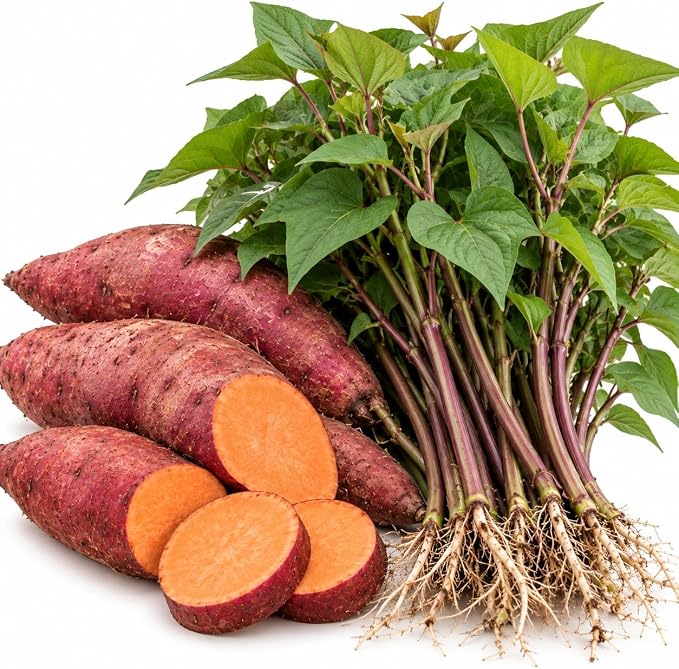
Red Garnet Sweet Potato Slips stand out for their striking reddish-purple skin and bright orange flesh, making them perfect for gardeners wanting a colorful and tasty sweet potato variety. Suited for those who like growing from live slips, they thrive in full sun and fit well in USDA zones 3 to 10.
Getting started means planting slips that sometimes arrive with tiny roots or begin rooting after planting. They prefer loam soil and moderate watering, so a well-drained spot with consistent moisture is ideal. These slips grow steadily from summer through fall, providing a rewarding gardening experience without complex care.
The sweet potatoes develop beautifully with that distinct dark red skin and vibrant interior. They grow reliably when given proper sunlight and soil conditions. Reviewers appreciate the freshness of the slips and their strong early root development.
On the downside, some find slips arrive without visible roots and need more time to establish.
Most praise focuses on the freshness of the slips and their vibrant root and foliage growth, which supports healthy tuber development. A common complaint is that slips occasionally arrive without visible roots, needing extra patience to see full establishment.
Gardeners looking for an attractive sweet potato variety that adapts to various climates will appreciate these slips. Those wanting instantly established roots might consider other options or be prepared for a slower start in root development.
Pros
- Distinctive dark reddish skin and orange flesh
- Fresh live slips ready for planting
- Thrives in a wide USDA zone range (3-10)
- Suitable for full sun locations
Cons
- Some slips arrive without visible roots
- Requires moderate watering for best results
| Specification | Details |
|---|---|
| Sunlight Exposure | Full Sun |
| USDA Hardiness Zone | 3-10 |
| Soil Type | Loam Soil |
| Moisture Needs | Moderate Watering |
| Expected Blooming Period | Summer to Fall |
7. Companion Planting Guide for Beginners

Companion Planting Guide for Beginners is a straightforward resource aimed at gardeners new to planting potatoes alongside other crops. It shines by clearly identifying which plants grow best next to potatoes, making it ideal for those looking to improve their garden’s health naturally without needing advanced gardening knowledge.
Getting started involves consulting the guide to select compatible plants to put near your potato beds. It simplifies the trial-and-error phase by outlining proper companions, making daily planting and care more predictable. This helps in planning garden layouts efficiently by knowing what to plant together for better growth and fewer pests.
The guide delivers concise information helping you avoid common companion planting mistakes and promotes healthy plant relationships. It’s well put together for clarity, though some users find the coverage basic if they want more in-depth botanical details.
Most praise focuses on its ease of use, while a frequent complaint is the lack of extensive technical explanation.
Many find the guide’s simplicity helpful for starting companion planting, particularly appreciating the clear pairing advice. Some note it lacks detailed botanical explanations which might leave experienced gardeners wanting more comprehensive information.
Anyone new to gardening or wanting straightforward help with potatoes will find this guide useful. Those seeking an extensive, scientific manual should consider other, more detailed resources instead.
Pros
- Clear guidance on compatible plants for potatoes
- Easy to understand for novice gardeners
- Supports natural pest control strategies
- Helps plan garden layouts effectively
Cons
- Limited depth for advanced growers
- Does not cover all possible companion plants
| Specification | Details |
|---|---|
| Target Audience | Beginners |
| Focus | Best companion plants for potatoes |
| Content Type | Plant pairing recommendations |
| Level of Detail | Basic to moderate |
8. Fingerling Potato Seed Mix

Fingerling Potato Seed Mix is ideal for gardeners looking to grow fingerling potatoes outdoors. It fits best in sandy soil with full sun exposure and moderate watering.
Its biggest strength is an extended bloom time that suits those planting in fall and harvesting by spring.
Planting requires choosing a sunny spot with sandy soil and preparing it for moderate watering. The seed mix is American grown and certified, so you know it’s reliable. Fall planting ensures the potatoes develop through the cooler months, benefiting from the natural seasonal cycle.
The extended bloom time helps maintain healthy growth and gives more flexibility around harvest.
Growth meets expectations with consistent fingerling potato yields during the spring. The seed mix is sturdy and adapts well to outdoor settings. Strong points praised include the dependable germination rates and adaptability.
Some mention the need for regular moisture, as drying out can affect results.
Fingerling Potato Seed Mix is praised for its reliable germination and growth during spring after fall planting. Most note the necessity for consistent watering, as insufficient moisture leads to poorer results. The certification and origin add trustworthiness to daily use.
Gardeners with access to full sun and sandy soil will find this seed mix well-suited for their needs. Those unable to provide regular watering or lacking full sun may want to consider different varieties or growing conditions for better success.
Pros
- American grown certified seed
- Extended bloom time
- Ideal for sandy soil
- Good for outdoor fall planting
Cons
- Needs moderate watering to thrive
- Only suitable for full sun exposure
| Specification | Details |
|---|---|
| Indoor Outdoor Usage | Outdoor |
| Expected Blooming Period | Spring |
| Sunlight Exposure | Full Sun |
| Expected Planting Period | Fall |
| Soil Type | Sandy Soil |
| Moisture Needs | Moderate Watering |
9. Purple Stokes Japanese Sweet Potato Slips

Perfect for gardeners wanting to grow sweet potatoes alongside their main crops, these Purple Stokes Japanese Sweet Potato Slips bring vibrant color and reliable growth. Their biggest strength lies in producing healthy slips that thrive in warm, sunny gardens, making them a solid choice for home growers.
Planting the slips is straightforward when soil temperatures have warmed past frost danger. They do well in raised beds, traditional rows, or large containers, adapting easily to different garden setups. Regular watering keeps the roots happy without drowning them.
Bright, full sun is essential for the plants to flourish, and the moderate water needs mean less worry about over or underwatering.
Growth is consistent and strong, with the purple-skinned sweet potatoes showing up nicely firm and flavorful in the harvest. The slips arrive healthy and ready to put in the ground, speeding up the start of the season. Some find them needing steady watering and sun to do their best, which can be a challenge in less-than-ideal weather.
These slips produce a tasty and attractive crop with pretty minimal fuss.
The slips arrive healthy and ready for planting, which helps gardeners get a strong start. Many appreciate the sweet, firm potatoes, although maintaining warm soil and steady watering can be a tricky balance depending on location.
Those with sunny, warm garden spots will enjoy growing these slips, especially in raised beds or containers. Growers in cooler climates or with inconsistent sun might prefer alternatives better suited to cooler conditions or less attention.
Pros
- Strong growth with healthy live slips
- Produces sweet potatoes with firm texture
- Works well in multiple garden setups
- Thrives in warm temperatures and full sun
Cons
- Requires steady moderate watering
- Needs warm soil to plant safely
| Specification | Details |
|---|---|
| Sunlight Exposure | Full Sun |
| Moisture Needs | Moderate Watering |
| Crop Type | Warm Season |
| Planting Location | Raised Beds, Garden Rows, Containers |
10. Stokes Purple Sweet Potato Slips

Fresh, live sweet potato slips designed to start strong growth in warm gardens. Ideal for gardeners wanting bold, purple-skinned sweet potatoes with vivid purple flesh that adds color and flavor to meals.
The standout feature is their ability to produce strikingly pigmented tubers that brighten any harvest table.
Planting involves setting the young slips into well-prepared, loamy soil under full sun to encourage healthy rooting. They require moderate watering as the season warms from summer to fall.
The slips arrive ready to transplant, though leaf size and root development may vary slightly, which is normal. These slips fit well into rotating garden beds alongside potato plants.
Roots grow into strong sweet potatoes with richly colored flesh prized for its sweet taste and attractive look. The plants thrive in USDA zones 3 through 10, showing good adaptation across climates. A common highlight is their vibrant color and dependable growth.
On the downside, some variability in slip vigor can mean a few plants start slower than others.
Slips reliably produce vibrant purple tubers that impress visually and taste sweet. Some slips may show differences in initial leaf size and root readiness, making uniform start times a bit unpredictable.
Gardeners seeking colorful and tasty sweet potatoes in warmer seasons will appreciate these slips. Those in cooler or variable climates may want alternatives better suited for colder starts or less sun exposure.
Pros
- Produces intensely purple sweet potatoes
- Adaptable to a wide range of USDA zones
- Delivered as fresh slips ready to plant
- Requires moderate watering for best results
Cons
- Variation in leaf and root development
- Needs warm season for optimal growth
| Specification | Details |
|---|---|
| Sunlight Exposure | Full Sun |
| Soil Type | Loam Soil |
| Moisture Needs | Moderate Watering |
| Expected Blooming Period | Summer to Fall |
| USDA Hardiness Zone | 3-10 |
11. SVI Sparky Mix French Marigold Seeds

Bright yellow and orange flowers with red accents catch the eye quickly, making it a great pick for anyone wanting vibrant blooms alongside their potatoes. It suits gardeners looking for an easy-to-grow companion that naturally attracts pollinators and stands up well in various climates.
Planting the seeds is straightforward with a guide included on the pack, and germination happens fast, usually between 5 to 10 days. Needs full sun and moderate watering, thriving in loam soil from zones 1 to 12. The plants stay compact at about 12 inches tall, so they fit nicely in borders, containers, or garden beds without overwhelming potato plants.
These marigolds perform the pest-repelling job effectively, helping reduce unwanted bugs around potato crops. The dwarf, bushy growth habit adds to garden aesthetics and keeps maintenance low.
A key praise is the high germination power; a common downside is the need for consistent moderate watering since they don’t do well in overly wet or very dry conditions.
Quick germination and bright, long-lasting flowers are standout benefits. The main drawback reported is the plant’s sensitivity to watering extremes, requiring attention to soil moisture.
Great for gardeners wanting easy, colorful pest-repelling plants near potatoes. Those who lack regular watering options or have very wet gardens might look for hardier alternatives.
Pros
- High germination power within 5-10 days
- Attracts pollinators naturally
- Drought tolerant yet prefers moderate watering
- Compact dwarf growth suits tight garden spaces
Cons
- Needs consistent moderate watering
- Not suited for very wet or dry conditions
| Specification | Details |
|---|---|
| Expected Blooming Period | Summer to Fall |
| Sunlight Exposure | Full Sun |
| Expected Plant Height | 12 inches |
| USDA Hardiness Zone | 1-12 |
| Soil Type | Loam Soil |
| Moisture Needs | Moderate Watering |
12. The Old Farmers Almanac Marigold Seeds

Marigolds from The Old Farmers Almanac are ideal for gardeners wanting low-maintenance, sun-loving companion plants that attract pollinators. Their striking orange, yellow, and red clusters bring both color and natural pest control to potato patches, making them particularly suited to sunny outdoor gardens in a wide range of hardiness zones.
Planting these marigolds in spring requires full sun and moderate watering, fitting well into a regular garden routine. They thrive through heat and resist drought, so daily care remains simple without constant attention.
Their flowers last from summer to fall, producing blooms that brighten the garden and can be harvested for arrangements or drying whenever you want.
Marigolds perform well as companion plants by attracting butterflies, bees, and hummingbirds, which boosts pollination around potato plants. Their resilience reflects a history of farmer trust due to their consistent yields and strong growth. Some mention that while they are vibrant and hardy, the seeds require proper harvesting to maintain supply for following seasons.
Many appreciate how well these marigolds attract pollinators and survive heat with minimal watering. A common challenge is maintaining seed stocks through proper harvesting to keep planting year after year.
Gardeners seeking an easy-to-grow, sun-loving flower that supports their potato plants will be pleased. Those with shade gardens or limited ability to harvest seeds regularly might want to consider other options.
Pros
- Bright, bold flower colors for natural garden appeal
- Attracts butterflies, bees, and hummingbirds effectively
- Hardy and drought tolerant, great for sunny spots
- Long blooming season from summer through fall
Cons
- Seed harvesting requires attention to preserve for future use
- Best suited to full sun environments only
| Specification | Details |
|---|---|
| Sunlight Exposure | Full Sun |
| Expected Planting Period | Spring |
| USDA Hardiness Zone | 2,3,4,5,6,7,8,9,10,11 |
| Moisture Needs | Moderate Watering |
| Expected Blooming Period | Summer to Fall |
| Special Features | Attracts Pollinators, Drought Tolerant, Fragrant, Low Maintenance |
Best Companion Plants for Potatoes Comparison Table
| Product | Usage | Pest Resistance | Sunlight Exposure | Moisture Needs |
|---|---|---|---|---|
| Orange Sweet Potato Slips | – | – | Full Sun | Moderate Watering |
| Companion Plant Seeds Pack | Outdoor | Pest Resistant | Full Sun | – |
| LUSH&DEW Heirloom Seeds | Indoor, Outdoor | – | Full Sun | Regular Watering |
| French Marigold Seeds | Outdoor | Pest Resistant | Full Sun | – |
| Carrots Love Tomatoes Book | – | – | – | – |
| Red Garnet Potato Slips | – | – | Full Sun | Moderate Watering |
| Companion Planting Guide | – | – | – | – |
| Fingerling Potato Mix | Outdoor | – | Full Sun | Moderate Watering |
| Purple Stokes Sweet Slips | – | – | Full Sun | Moderate Watering |
| Stokes Purple Potato Slips | – | – | Full Sun | Moderate Watering |
| SVI Sparky Marigold Seeds | Outdoor | – | Full Sun | – |
| Old Farmers Almanac Marigolds | Outdoor | – | Full Sun | – |
- Usage–
- Pest Resistance–
- Sunlight ExposureFull Sun
- Moisture NeedsModerate Watering
- UsageOutdoor
- Pest ResistancePest Resistant
- Sunlight ExposureFull Sun
- Moisture Needs–
- UsageIndoor, Outdoor
- Pest Resistance–
- Sunlight ExposureFull Sun
- Moisture NeedsRegular Watering
- UsageOutdoor
- Pest ResistancePest Resistant
- Sunlight ExposureFull Sun
- Moisture Needs–
- Usage–
- Pest Resistance–
- Sunlight Exposure–
- Moisture Needs–
- Usage–
- Pest Resistance–
- Sunlight ExposureFull Sun
- Moisture NeedsModerate Watering
- Usage–
- Pest Resistance–
- Sunlight Exposure–
- Moisture Needs–
- UsageOutdoor
- Pest Resistance–
- Sunlight ExposureFull Sun
- Moisture NeedsModerate Watering
- Usage–
- Pest Resistance–
- Sunlight ExposureFull Sun
- Moisture NeedsModerate Watering
- Usage–
- Pest Resistance–
- Sunlight ExposureFull Sun
- Moisture NeedsModerate Watering
- UsageOutdoor
- Pest Resistance–
- Sunlight ExposureFull Sun
- Moisture Needs–
- UsageOutdoor
- Pest Resistance–
- Sunlight ExposureFull Sun
- Moisture Needs–
How to Choose the Best Companion Plants for Potatoes
Choosing the best companion plants for potatoes means looking at how they boost growth, keep pests away, and support soil health. Selecting compatible plants minimizes the need for chemicals and reduces crop problems, ultimately saving time and resources while promoting a healthier garden.
Plant Compatibility
Some companion plants can significantly reduce insect problems in a potato patch, while others may compete for nutrients and stunt growth. Choosing a plant that naturally repels pests common to potatoes helps keep damage to a minimum without extra chemicals. For example, plants that produce strong scents or contain compounds that bugs dislike often work well.
Soil improvement is another factor; certain companions can boost nitrogen levels or break up compact soil, helping potatoes develop better tubers.
Compatibility depends on the specific potato variety and local climate. Early season potatoes might need a partner that matures quickly and won’t overshadow them. On the other hand, faster-growing companions can be harmful if they outcompete the potatoes for water or sunlight.
Keep an eye out for plants that spread aggressively or demand the same nutrients, as this can reduce overall yield. Selecting companions that complement rather than compete makes a real difference in garden productivity.
Growth Requirements
Matching the sun and soil needs of both plants reduces the stress on your garden. Potatoes prefer full sun and well-draining, slightly acidic soil.
Companion plants requiring shade or high moisture levels might struggle in the same spot. Balancing water and nutrients is essential too. Overly thirsty plants can deprive potatoes of water, leading to poor tuber development.
Conversely, drought-tolerant companions might not get enough moisture if you focus only on potatoes’ needs.
Space matters a lot. Potato rows need room for the tubers to expand underground, so companions shouldn’t be planted so close that roots interfere.
Too dense planting increases disease risk and competition. Good companions often have a shallow root system to avoid overlap or can grow vertically. Aim for a planting density where each plant still receives enough light and airflow to thrive together.
Pest and Disease Resistance
Some plants naturally keep common potato pests at bay, helping to reduce insect damage without resorting to sprays. For instance, many aromatic herbs are known to repel beetles and aphids, which are typical potato pests. Selecting companions with good pest resistance protects both plants and lowers the risk of infestations spreading.
Both plants must avoid sharing diseases. Resistant companions reduce the chance of soil-borne pathogens affecting the crop.
By disrupting pest cycles and lowering disease prevalence, these plants can decrease the need for chemical treatments, which benefits not just the soil but overall garden health.
Maintenance and Care
Companion plants that require minimal pruning or harvesting around potatoes make daily garden tasks easier. When one plant has a very different harvest time or grows aggressively, it can complicate tending both crops. Finding companions with similar seasonal growth cycles helps synchronize planting and harvesting schedules.
Good companion plants generally thrive with the same watering and nutrient routines you use for potatoes. Avoid varieties demanding special fertilizers or frequent pruning to save time.
Those needing extra care can add unnecessary work and increase the chance of neglect. Simple, low-maintenance companions are easier to manage alongside potatoes.
Environmental Benefits
Some companion plants contribute to soil health by fixing nitrogen or adding organic matter after they decompose. This can improve soil fertility and structure for the potatoes without additional fertilizers. Others attract beneficial insects like ladybugs or pollinators that support the wider garden ecosystem.
By encouraging biodiversity, these plants promote natural pest control and sustainability. They reduce reliance on chemicals and help maintain a balanced environment where pests are less likely to dominate.
Including such companions is a practical step toward more environmentally friendly gardening.
Benefits of Companion Planting for Potato Health and Yield
Planting certain crops alongside potatoes can improve soil nutrients and reduce disease risks. For example, beans and peas fix nitrogen in the soil, which potatoes need to grow well. Marigolds produce compounds that repel nematodes, common pests that attack potato roots.
Companion plants also help by attracting beneficial insects that prey on potato pests. Growing garlic or onions nearby can deter aphids and beetles due to their strong aromas.
Meanwhile, herbs like basil and chives may improve the flavor and health of potato plants.
Advantages include:
- Improved soil fertility through nitrogen-fixing companions
- Reduced pest pressure with natural repellents
- Attraction of beneficial insects for pest control
- Enhanced plant growth and potentially better yields
Choosing the right companion plants can lead to healthier potatoes without relying heavily on chemicals.
Common Mistakes to Avoid When Pairing Potatoes with Companion Plants
Planting potatoes next to incompatible crops can reduce yields or invite pests. Avoid pairing potatoes with tomatoes or peppers since they can share common diseases and compete for the same nutrients. This can lead to weaker plants and higher crop failure risk.
Another mistake is overcrowding. Planting companions too close can limit airflow and sunlight, encouraging fungal growth. Leave enough space for root and foliage development to keep plants healthy.
Avoid planting heavy feeders like corn near potatoes because they compete for nutrients, and the potatoes’ growth may suffer. Similarly, be cautious with crops that attract pests harmful to potatoes, such as cabbage family plants inviting flea beetles.
Planning your garden layout carefully and understanding plant interactions prevent common problems and support a productive potato crop.
Natural Pest Control: How Companion Plants Protect Your Potato Crop
Several companion plants help reduce pest populations damaging potatoes by acting as natural deterrents or traps. Marigolds are well known for reducing nematode populations, which attack potato roots and hinder growth. Their presence in the garden lowers the risk of underground pests.
Garlic and onions emit sulfur compounds that repel potato beetles and aphids. Planting these near potatoes can limit infestations and reduce the need for insecticides.
Herbs like mint also repel ants and other insects that can carry diseases.
Some flowering plants, such as dill and fennel, attract predatory insects like ladybugs and lacewings that feed on potato pests. Introducing these plants creates a small ecosystem that naturally curbs harmful insect numbers.
Using companion planting in this way protects potato plants while maintaining an organic approach to pest management.
People Also Asked
What Plants Grow Well Next to Potatoes in Garden Beds?
Beans, cabbage, corn, and horseradish grow well next to potatoes. Planting beans nearby helps fix nitrogen in the soil, which potatoes need for healthy growth. Avoid crowding the bed to ensure each plant gets enough space.
How Do Companion Plants Improve Potato Growth and Health?
Companion plants improve potato growth by deterring pests and attracting beneficial insects. For example, marigolds planted near potatoes can repel harmful nematodes. This natural pest control reduces the need for chemical treatments.
Are There Any Plants to Avoid Planting Near Potatoes?
Avoid planting tomatoes, peppers, or eggplants near potatoes because they share common diseases like blight. Planting them close together can increase the risk of spreading infections that harm potato crops. Rotating crops can help minimize this risk.
How Long Does It Take for Companion Plants to Benefit Potatoes?
Companion plants can start benefiting potatoes within weeks after planting by attracting pollinators or repelling pests early. However, the full benefit typically develops as both plants mature through the growing season. Consistent care helps maintain those advantages.
What Common Problems Can Companion Plants Prevent in Potato Crops?
Companion plants can prevent problems such as potato beetle infestations and fungal diseases. Nasturtiums, for example, attract aphids away from potatoes, reducing pest damage. Regularly inspecting plants helps catch issues early.
Conclusion
Choosing companion plants for potatoes comes down to pest control, soil health, and growth compatibility. Plants that repel harmful insects or attract beneficial ones can protect your potato patch.
Others might improve soil nutrients or structure, which helps potatoes grow better. Avoid plants that compete too much for resources or attract the same pests.
Consider how much space you have and how often you tend your garden before picking companions. Some plants need more care or room than others.
Revisit the comparison table and the details above to find options that fit your specific garden setup and gardening habits.

I’m Jake Thompson, and I’ve spent over a decade working on lawn mowers, from small push mowers to big riding tractors. I write about starting problems, blade sharpening, carburetor cleaning, oil changes, and seasonal maintenance. My goal is to give you clear, step-by-step advice so you can handle common mower issues yourself and keep your lawn looking sharp all season.