Top 12 Best Days to Plant That Boost Your Garden Fast!
Planting on the wrong days can lead to weak seedlings and poor garden growth, a common frustration when following random calendars or guessing by feel. Knowing the best days to plant helps avoid those setbacks by timing sowing to the natural rhythms that encourage stronger roots and healthier plants.
The crucial factors for choosing the best days to plant are lunar phases and local climate conditions. The moon’s waxing phase tends to support above-ground growth, while waning phases favor root development. Combining this with frost dates and soil temperature creates the ideal window.
This approach makes planting more precise than just relying on a standard calendar date or weather forecast alone.
Need a Quick Check?
| Image | Product | Price |
|---|---|---|
Our Top Picks 1  | Week-by-Week Garden Guide | Check Price |
Our Top Picks 2  | Edible Wild Plants Guide | Check Price |
Our Top Picks 3 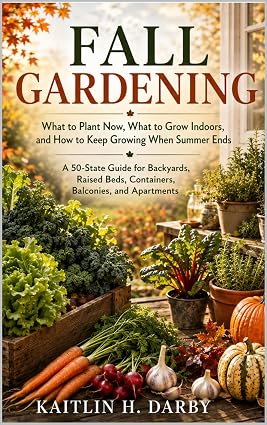 | Fall Gardening Guide | Check Price |
Our Selected Top 12 Days to Plant for Different Needs
This list features carefully chosen options for the best days to plant tailored to various gardening needs. Each entry highlights its effectiveness, ideal users, strengths, and potential drawbacks to help you make informed decisions suited to your planting goals.
1. Week-by-Week Vegetable Gardeners Handbook
Perfect for home gardeners wanting a clear schedule, this handbook lays out planting times week by week. Its biggest strength is how it simplifies planning so you know exactly when to sow, transplant, and harvest vegetables in your garden.
Using the book day-to-day means flipping to the right week and seeing which vegetables to focus on. It organizes planting tasks clearly around the calendar, making it easy to keep track without guessing.
The structure suits those who like steady progress and want practical reminders of garden duties over the growing season.
The handbook does well by providing detailed guidance on timing, which is crucial for garden success. It’s built as a straightforward, no-frills resource with all the key vegetable information you need. One common praise is how it makes planting plans manageable.
Some found it a bit basic and wished for more in-depth planting techniques.
Routine use confirms the book’s clarity in organizing vegetables by planting week as its standout feature. The most voiced concern is its simplicity, which may leave more experienced gardeners wanting more depth.
Someone new to vegetable gardening looking for straightforward guidance will appreciate this book. Those needing comprehensive planting advice or specialty crop details might consider other options better suited to their needs.
Pros
- Clear weekly planting schedule
- Simple, practical layout
- Easy to follow for beginners
Cons
- Lacks advanced gardening techniques
- Basic design might feel plain to some
| Specification | Details |
|---|---|
| Format | Book |
| Focus | Vegetable planting schedule |
| Organization | Week-by-week format |
| Audience | Home gardeners |
2. The Complete Guide to Edible Wild Plants
Franklin’s The Complete Guide to Edible Wild Plants is ideal for anyone wanting in-depth knowledge of plants you can find and eat outdoors. It works best for people interested in foraging safely and confidently, with clear guidance on identification and use.
Getting started involves familiarizing yourself with the detailed plant descriptions and illustrations, which make day-to-day referencing straightforward. The guide is compact enough to carry on a hike and structured so you can quickly find the plant you’re curious about. Its practical layout supports learning while in the wild, avoiding confusion in identifying edible species.
It performs well as a reference for both beginners and experienced foragers, helping to avoid mistakes with look-alike plants. The book’s trusted botanical details and clear warnings contribute to safety in the field. The biggest praise centers on the thoroughness of plant information, while some mention the dense text and complex terminology as challenging when reading quickly outdoors.
Many find the depth of plant descriptions and safety information invaluable for accurate foraging. Some experience difficulty with dense wording and complex botanical terms during quick look-ups outdoors. The book serves well as a detailed study tool and field guide for cautious readers.
Those seeking thorough knowledge and careful plant identification will appreciate this guide. People who prefer brief overviews or very simple language might find other guides more approachable.
Pros
- Comprehensive identification details for many plants
- Clear safety warnings to prevent mistakes
- Portable size suitable for outdoor use
- Illustrations aid visual recognition
Cons
- Text can be dense and technical at times
- Not ideal for quick scanning in the outdoors
| Specification | Details |
|---|---|
| Title | The Complete Guide to Edible Wild Plants |
| Use | Foraging and identification of wild edible plants |
| Portability | Compact enough for field use |
| Content Type | Detailed descriptions, plant illustrations, safety warnings |
3. Fall Gardening Guide
Planning garden activities during fall can feel a bit uncertain, but this guide clearly points out the best days for planting. It fits anyone looking to make the most of autumn gardening without second-guessing when to sow seeds. Its biggest strength lies in providing a straightforward schedule tailored for fall planting.
Setting it up is simple since the guide lays out days clearly, letting you plan your gardening chores around optimal times. It helps track when to plant various vegetables and flowers, fitting easily into a daily routine without fuss.
You can consult it regularly to stay on track with what’s best for the cooler season.
It handles its purpose well by focusing exclusively on fall planting, which keeps advice relevant and practical. The way the information is structured makes it user-friendly, though some wish it included more detailed crop-specific tips. The strongest praise highlights its clarity and usefulness, while the most common complaint concerns a desire for more in-depth content.
Many appreciate the guide for its clear, simple layout that makes fall planting days easy to identify. However, some find it too basic and would prefer more detailed instructions on individual crops or planting techniques. The guide sticks strictly to fall, without venturing into spring or summer plantings.
People who want straightforward guidance on when to plant in autumn will find it useful. Gardeners looking for extensive, in-depth information or planning beyond fall should consider other resources for a wider planting calendar and crop-specific care.
Pros
- Clear schedule focused on fall planting
- Easy to follow daily recommendations
- Helps avoid guesswork in garden timing
Cons
- Lack of detailed crop-specific advice
- Only covers the fall season
| Specification | Details |
|---|---|
| Season Focus | Fall |
| Planting Dates Included | Yes |
| Format | Guide |
4. The Homestead Almanac 2027

Perfect for gardeners focused on timing and seasonal planting, The Homestead Almanac 2027 stands out by providing clear, detailed guidance on the best days to plant. It’s ideal for anyone wanting to align their gardening activities with lunar and seasonal cycles without guessing.
Using the almanac involves simply referring to the detailed monthly planting calendars, which mark optimal days for sowing, transplanting, and harvesting. It’s straightforward to follow even without previous experience and quickly becomes a daily reference on the garden bench or kitchen table.
The compact size makes it easy to carry around while working outdoors.
The almanac performs well at its main job of identifying favorable planting days, backed by years of compiled agricultural data. It’s printed on quality paper that holds up through regular use, though some mention that it could be a bit more weather-resistant.
Most users appreciate the clear layout, while occasional readers note the printing could have used a bolder font for easier reading in low light.
The almanac is praised for its clear and useful information on planting days, making gardening timing much simpler. The most common drawback mentioned is the paper’s vulnerability to weather, requiring users to be cautious when handling it outside.
Anyone serious about planting by the moon or seasonal rhythms will appreciate this almanac’s focus and portability. Gardeners needing something more durable for fieldwork might want a laminated or digital version instead.
Pros
- Clear daily planting calendars
- Compact size easy to carry outdoors
- Detailed lunar cycle information
Cons
- Print could be bolder for easy reading
- Not very weather-resistant without extra care
| Specification | Details |
|---|---|
| Edition | 2027 |
| Content Focus | Best days to plant based on lunar cycles |
| Format | Printed Almanac |
| Size | Compact and portable |
5. Know Your Zone and Companion Planting

Printed on durable, easy-to-read paper, Know Your Zone and Companion Planting suits gardeners wanting clear guidance on the best days to plant and which plants grow well together. Its straightforward layout is its biggest strength, helping users make quick decisions about planting schedules and compatibility without confusion.
Setup requires just opening the guide and referencing your USDA zone. The companion planting charts allow quick matching of vegetables and flowers that support each other’s growth. Using it daily means checking zones for planting dates and cross-referencing companion plants, which is simple due to the logical organization and clear symbols on each page.
It does a great job delivering precise planting windows and pairing advice. The paper feels sturdy, and the print clarity holds up well to frequent use. A frequent praise targets how intuitive it is, so familiarizing yourself doesn’t take long.
The main complaint points to limited info depth on some plant combinations, with people wanting more detailed care tips.
The guide’s strongest appeal lies in its user-friendly organization and clear planting dates, making daily referencing quick and accurate. Common frustrations arise from the basic level of companion planting details, which may not satisfy those wanting deeper insights or more extensive plant care information.
Gardeners new to zones and companion planting will find it a handy reference sheet worth keeping nearby. Those seeking comprehensive botanical advice or in-depth horticultural guides might consider more detailed resources that cover each plant’s needs and interactions thoroughly.
Pros
- Clear zone maps for easy planting time reference
- Concise companion planting suggestions
- Durable paper handles frequent use
- Simple, logical layout improves usability
Cons
- Limited detail on plant care specifics
- Charts may feel basic to advanced gardeners
| Specification | Details |
|---|---|
| Material | Durable paper |
| Pages | 24 |
| Zones Covered | USDA Plant Hardiness Zones 3-10 |
| Planting Info | Best days to plant and companion planting charts |
6. A Plant for Every Day of the Year

Budding gardeners will appreciate the detailed guidance offered daily in A Plant for Every Day of the Year. Perfect for anyone who wants to plan their garden around optimal planting days, the biggest strength is its organized, date-by-date planting advice that fits a full year.
Easy to use, the calendar-style format allows quick checking of daily planting tips and plant suggestions. You can flip through days to see what thrives at different times, making planning your sowing or transplanting straightforward. It works well as a reference during your gardening routine, encouraging timely, purposeful gardening efforts without guesswork.
Performance is consistent, delivering planting advice clearly and simply. Build-wise, the book is user-friendly with durable pages suitable for repeated consultation outdoors or in a shed.
Most praise centers on the reliability of its daily guidance, while some mention that its format can feel overwhelming without a focused approach.
Reliable daily planting advice is the most praised feature, helping gardeners stay on track with timing. The most frequent complaint highlights that the volume of daily entries can be daunting for those new to scheduling their garden tasks. Pages hold up well even with frequent outdoor use.
People keen to follow a structured planting schedule will find this resource very helpful. Those preferring in-depth variety-specific care details or a simpler planting list may want to look for specialized guides instead.
Pros
- Clear daily planting guidance
- Useful all year round
- Easy-to-use format that makes finding information simple
Cons
- May feel overwhelming to beginners
- Not detailed on specific plant varieties
| Specification | Details |
|---|---|
| Content | Daily planting advice for every day of the year |
| Format | Calendar-style book |
| Usability | Easy reference for daily garden planning |
| Durability | Sturdy pages for repeated use |
7. The Old Farmers Almanac Vegetable Gardener’s Handbook

Perfect for garden enthusiasts looking to time their planting just right, the Vegetable Gardener’s Handbook helps plan your vegetable garden by providing detailed planting calendars. Its main strength lies in the practical guidance it offers on the best days for planting, suited for gardeners wanting to sync their efforts with nature’s rhythms.
Using this handbook involves consulting the day-by-day planting tips that relate directly to your vegetable choices and local climate. The guide is straightforward, letting you mark the optimal planting windows without extra fuss.
By referencing the clear charts and explanations, you can plan your garden activities each season with confidence and ease.
The handbook performs well as a reliable reference for planting schedules, built with clear instructions and a focus on vegetable gardening. The strongest praise notes its usefulness for avoiding guesswork about when to plant seeds, while a common complaint points to the desire for more detailed regional variations that could tailor advice even closer to specific gardening zones.
Most users appreciate the detailed and practical planting calendars that remove much of the uncertainty around when to sow their vegetables. However, some wish for more localized advice to better adapt the timing to their specific areas. The handbook leans toward a general approach, which suits many but not all gardening regions.
Gardeners who want straightforward, vegetable-focused planting timing will find this handbook helpful and easy to use. Those needing highly specific regional data or a wider array of crops may want to explore other guides for more tailored advice.
Pros
- Clear planting calendars tailored for vegetables
- Practical day-by-day guidance included
- Focuses on timing to improve harvest success
- Easy reference for gardeners of all skill levels
Cons
- Lacks detailed regional customization
- Some gardeners want more crop variety coverage
| Specification | Details |
|---|---|
| Focus | Vegetable planting times |
| Content type | Planting calendars and guides |
| Intended users | Vegetable gardeners |
| Use | Planning yearly planting schedule |
8. Happy Healthy Houseplants

Finding the best days to plant can be confusing, especially with houseplants that need consistent care. Happy Healthy Houseplants suits anyone looking for reliable guidance on when to plant indoors, helping you choose the right timing so your greenery thrives.
Its biggest strength lies in practical advice that fits easily into daily routines.
Setting it up is straightforward, with tips that focus on matching your houseplant care to lunar phases and environmental cues. Daily use involves consulting it before planting or buying new plants, which helps you know when the best times are to encourage growth.
The guidance is clear and based on natural cycles, making it easy to integrate into your plant-care schedule.
The advice covers a variety of plants thoughtfully, with clear explanations that make timing feel approachable rather than overwhelming. The build of the guide is simple but effective, no unnecessary jargon. Most praise highlights how it improves planting success, while a few mention it might not cover all plant species in detail.
Users often say the timing advice helps plants grow better and reduces guesswork. However, some find it less useful for exotic or less common houseplants due to limited coverage. The guide’s simplicity is its strength and its drawback depending on the range of plants you care for.
People new to houseplants or those who want straightforward help with common plants will appreciate this guide. Those looking for specialized timing for rare plants or advanced methods might want to seek additional resources.
Pros
- Clear lunar-based planting advice
- Easy to understand for beginners
- Practical and usable every day
Cons
- Does not cover all plant types
- May lack advanced techniques
| Specification | Details |
|---|---|
| Focus | Indoor houseplant planting guidance |
| Timing Basis | Lunar phases and natural cycles |
| Format | Practical advice and tips |
| Plant Variety | Common indoor species |
9. The Plant Propagators Bible

Spanning a broad range of planting advice, The Plant Propagators Bible suits anyone serious about growing plants from cuttings. Its biggest strength lies in providing clear, practical guidance for optimum planting days, making it easy to align propagation efforts with lunar cycles or other natural rhythms.
Getting started with the book means flipping through well-organized chapters that break down timing and techniques clearly. Instructions cater to a variety of plant types, helping plan each step day by day. Daily use mostly involves referencing the suggested best days to plant and checking practical tips on caring for your cuttings, all laid out in straightforward language.
The book delivers detailed planting schedules and propagation methods that genuinely support healthy growth results. The writing is accessible and concise, allowing quick consultation during busy gardening routines.
A frequent compliment highlights how useful and insightful the timing charts are. A common drawback some mention is the limited coverage of certain rare or exotic plants.
Many praise the accurate and practical timing charts that help improve propagation success. Some find it less helpful for less common plants, wishing for a broader species list. The straightforward language makes it accessible for beginners and experienced gardeners alike.
Those focused on traditional garden plants will appreciate the thorough timing advice. Anyone working extensively with exotic or unusual species might find it useful to look for supplemental resources. People wanting a digital or interactive format could need alternatives.
Pros
- Clear advice on optimal planting days
- Works with diverse plant cuttings
- Easy-to-follow guidance
- Organized for quick day-to-day use
Cons
- Limited detail on rare plants
- No digital or app format
| Specification | Details |
|---|---|
| Focus | Plant propagation timing and techniques |
| Content Type | Guidance and calendars for best days to plant |
| Suitable For | Various common cuttings |
| Format | Book |
10. 2027 Home & Garden Almanac

Gardeners who like to plan ahead and follow seasonal guidance will appreciate the 2027 Home & Garden Almanac. It suits those wanting reliable planting dates and helpful tips in one easy reference. Its main strength lies in combining yearly gardening wisdom into a single, handy resource.
Using it daily means keeping the almanac close for quick checks on the best days to plant various crops and flowers. The book’s layout organizes information by month, making it straightforward to find what you need without extra searching. It’s designed to fit on a garden bench or shelf, always accessible while working outdoors or prepping your garden plans.
The almanac performs well as a planning guide, providing clear dates and advice throughout the year. Printed on quality paper, the format holds up to frequent use without tearing or fading quickly.
Most praise notes how accurate and helpful the planting schedules have been. The common complaint relates to the absence of digital formats, which some find inconvenient for use on the go.
Many appreciate how dependable and detailed the planting dates are, helping sort out garden timing with confidence. The most frequent issue is its single-use print format, meaning updates or corrections can’t be added after purchase. Without a mobile or electronic version, users must carry the book physically.
Those who like traditional, book-based references will find the almanac handy and easy to follow year after year. Gardeners wanting instant updates or app integration might prefer other resources that offer digital convenience and ongoing revisions.
Pros
- Clear, date-specific planting guidance
- Organized by month for quick reference
- Durable printed format suited for outdoor use
- Comprehensive gardening tips beyond dates
Cons
- No digital or mobile app version available
- Lack of updates once printed for the year
| Specification | Details |
|---|---|
| Year | 2027 |
| Type | Home & Garden Almanac |
| Content Focus | Best days to plant, gardening advice |
| Format | Printed book |
11. The Farmer’s Guide Almanac 2027–2028

Farmers and gardeners looking for reliable planting dates will appreciate how the Farmer’s Guide Almanac 2027–2028 organizes essential seasonal information clearly. Its standout feature lies in providing specific timing tailored to various crops, helping to plan planting with seasonal accuracy.
Using the almanac involves referencing it regularly to check the best days for planting throughout the year. It conveniently breaks down planting periods by month and type of crop, making it easy to integrate into daily gardening routines.
The physical format is straightforward, allowing quick access without extra digital distractions.
The guide performs well in delivering detailed, date-specific advice which gardeners can count on for scheduling tasks. It is printed with durable materials for repeated use over two years, though some users note the size can be a bit bulky to carry around outdoors.
Its strength lies in clarity and relevance, while the most common snag is the physical heft during garden visits.
Strong points include clear and relevant planting recommendations, helping plan tasks with confidence. However, the physical size can feel cumbersome when taken to the garden, and some might miss having a digital option.
Gardeners who prefer printed resources and value year-round crop advice will find this almanac suits them well. Those wanting something compact or app-based should consider alternatives better suited for on-the-go use.
Pros
- Clear monthly planting schedules
- Durable binding for extended use
- Specific crop-focused timing
- Easy to reference format
Cons
- Relatively bulky to carry outdoors
- No digital version for mobile use
| Specification | Details |
|---|---|
| Years Covered | 2027–2028 |
| Format | Printed Almanac |
| Focus | Best Planting Dates |
| Usability | Monthly Crop Planning |
12. The Gardening Calendar

Gardening Calendar helps you keep track of the best days to plant vegetables, flowers, and herbs based on seasonal cycles and moon phases. It suits gardeners who prefer natural timing cues for planting and want a simple, clear reference handy. Its biggest strength is offering reliable guidance on when to sow seeds for healthier growth.
Setup involves consulting the calendar regularly to check ideal planting days. You’ll find it organized by month with easy-to-read notes about which crops thrive best on particular days.
Keeping it accessible near your gardening tools means you can plan your gardening sessions around the most favorable natural rhythms without complex calculations or apps.
The calendar performs well at delivering straightforward gardening timing advice. It’s built to be durable enough for outdoor use if needed, typically printed on sturdy materials that handle occasional moisture.
Praise highlights its clear layout and reliability, helping maintain consistent planting routines. A common complaint mentions it might lack detailed explanations for novice gardeners unfamiliar with moon phases.
Strong points center on its clear and dependable planting dates aligned with moon cycles, helping gardeners stay on track with minimal fuss. Some find it less helpful without deeper context or explanations around why certain days suit planting, which can be a hurdle for new gardeners.
Those who appreciate straightforward, printed garden calendars referencing natural cycles will benefit most. People seeking detailed planting advice or digital tools should consider other resources to support their gardening needs more fully.
Pros
- Clear month-by-month planting schedule
- Weather-resistant paper suitable for outdoor use
- Simple layout ideal for quick reference
- Focuses on natural planting cues
Cons
- Lacks detailed instructions for beginners
- Not interactive; no digital features
| Specification | Details |
|---|---|
| Format | Monthly layout |
| Focus | Best planting days by moon phase |
| Material | Sturdy, weather-resistant paper |
| Size | Standard calendar dimensions |
| Use | Outdoor or indoor reference |
Best Days to Plant Compared Side by Side
| Product | Best For | Format | Coverage | Year |
|---|---|---|---|---|
| Week-by-Week Garden Guide | Weekly planting guidance | Guidebook | All seasons | – |
| Edible Wild Plants Guide | Identifying wild edibles | Guidebook | Wild plants | – |
| Fall Gardening Guide | Fall planting tips | Guidebook | Fall season | – |
| Homestead Almanac 2027 | General homestead planning | Almanac | Year-round | 2027 |
| Zone & Companion Planting | Planting zones & companions | Guide | Zones & companions | – |
| Plant-a-Day Calendar | Daily planting calendar | Calendar | Daily planting | – |
| Old Farmers Veg Handbook | Vegetable planting guide | Handbook | Vegetables | – |
| Happy Healthy Houseplants | Houseplant care | Guidebook | Houseplants | – |
| Plant Propagators Bible | Plant propagation methods | Handbook | Propagation | – |
| 2027 Home Garden Almanac | Home garden planning | Almanac | Year-round | 2027 |
| Farmer’s Guide Almanac 2027 | Farming and planting guide | Almanac | Year-round | 2027 |
| The Gardening Calendar | Monthly planting calendar | Calendar | Monthly planting | – |
- Best ForWeekly planting guidance
- FormatGuidebook
- CoverageAll seasons
- Year–
- Best ForIdentifying wild edibles
- FormatGuidebook
- CoverageWild plants
- Year–
- Best ForFall planting tips
- FormatGuidebook
- CoverageFall season
- Year–
- Best ForGeneral homestead planning
- FormatAlmanac
- CoverageYear-round
- Year2027
- Best ForPlanting zones & companions
- FormatGuide
- CoverageZones & companions
- Year–
- Best ForDaily planting calendar
- FormatCalendar
- CoverageDaily planting
- Year–
- Best ForVegetable planting guide
- FormatHandbook
- CoverageVegetables
- Year–
- Best ForHouseplant care
- FormatGuidebook
- CoverageHouseplants
- Year–
- Best ForPlant propagation methods
- FormatHandbook
- CoveragePropagation
- Year–
- Best ForHome garden planning
- FormatAlmanac
- CoverageYear-round
- Year2027
- Best ForFarming and planting guide
- FormatAlmanac
- CoverageYear-round
- Year2027
- Best ForMonthly planting calendar
- FormatCalendar
- CoverageMonthly planting
- Year–
How to Choose the Best Days to Plant
Choosing the best days to plant depends on weather conditions, soil quality, and moon phases, as these factors influence seed growth and plant health. Getting them right helps avoid wasted effort and reduces the need for extra care or replanting, saving both time and resources.
Accuracy of Planting Calendar
Local weather can vary drastically from one community to another, even within the same state. A planting calendar that doesn’t take into account the frost dates and specific growing zones often leads to seeds being sown too early or too late, resulting in poor germination or damaged plants. Knowing the average last and first frost dates in your exact area can prevent wasted effort and resources on crops doomed by unexpected frost.
Reliable guides include detailed frost date information and grow zone classification to reflect the microclimate where you garden. They also adjust their recommendations according to recent shifts in seasonal weather, which become more important as climate patterns change.
Using a well-updated calendar protects you from planting too soon and helps time your garden for the longest possible growing period.
Customizability and Personalization
Most gardens have unique conditions that influence when and what you can plant. Calendars that allow users to input their location provide more tailored results that fit local climate nuances.
Beyond that, the ability to set preferences based on your soil type or to specify your microclimate zone, such as shaded areas or urban heat islands, makes a big difference in successful planting.
A practical guide permits customization by plant species since vegetables, flowers, and trees have different ideal planting windows. A calendar that adjusts recommendations accordingly saves time and guesswork. This flexibility is crucial when growing plants with varied needs or trying to fit multiple crops within limited garden space.
Ease of Understanding
Gardening can feel overwhelming without clear guidance on timing. The best planting schedules present dates through straightforward calendars or color-coded charts that highlight the optimal windows visually.
Such formats help gardeners quickly align their planting tasks to the right days without sifting through dense text.
Language that avoids jargon and sticks to simple, direct instructions benefits both beginners and those with more experience. Ambiguity in a guide often causes mistakes, such as planting too early or ignoring warning periods. The clarity of layout and wording ultimately saves hours of trial and error.
Comprehensiveness of Plant Coverage
Planting calendars that cover a broad range of species, from annual vegetables and flowers to perennial trees, offer more convenience for diverse gardens. Many gardeners appreciate guidance that separates indoor seed starting from outdoor planting timelines, as these often differ significantly and affect plant health.
Calendars including information on succession planting and timing for multiple harvests extend the usefulness of the guide. With this, gardeners can plan their crops to harvest over a longer season rather than all at once. A comprehensive selection ensures no common or specialty plants are overlooked.
Additional Gardening Tips Included
Knowing the best days to plant is just one element; soil preparation and fertilizer application schedules can profoundly impact plant growth. Calendars that suggest optimal timing for these tasks in relation to planting dates help home gardeners get the most from their efforts.
Advice on managing pests and diseases during sensitive growth periods and watering recommendations tailored to planting phases further supports a healthy garden. These extra tips reduce the need for guesswork and reactive treatments, helping plants establish more solidly in the critical early stages.
Optimal Weather Conditions for Successful Planting
Choosing the right weather conditions plays a critical role in the success of your planting efforts. Cooler temperatures that avoid extremes tend to reduce stress on young plants, helping them establish roots more effectively.
Consistent moisture is equally important; soil that is neither too dry nor waterlogged allows roots to develop without risk of rot or drought stress. Cloudy days or those with moderate sun intensity can minimize heat shock on seedlings, especially for sensitive species.
Consider the following factors when planning your planting days:
- Soil temperature should be above the minimum threshold recommended for the specific plant.
- Night temperatures shouldn’t fall below freezing to protect vulnerable roots.
- A forecast with light winds supports better seedling stability during early growth.
Checking local weather reports for several days ahead helps in picking the optimal window and gives your plants the best start.
Common Mistakes to Avoid When Choosing Planting Days
One frequent mistake in selecting planting days is ignoring soil conditions. Planting in soil that is too wet can compact it, reducing oxygen availability to roots and hindering growth.
Conversely, extremely dry soil might prevent seeds from germinating properly. Another common error is planting right before a forecasted heavy rain or frost, which can damage or wash away young plants.
Choosing a day solely based on convenience rather than environmental variables often leads to weaker plants. Some gardeners overlook the importance of gradual weather changes, attempting to plant during sudden temperature drops or spikes.
Practical tips to avoid these issues include:
- Testing soil moisture levels before planting.
- Avoid planting during extreme weather events forecasted in the coming days.
- Ensuring a period of stable weather to allow seedlings to settle.
These steps aid in preventing setbacks that could delay plant development.
Comparing Lunar and Calendar Methods for Selecting Planting Times
Two common approaches for selecting planting days are using lunar phases and following the calendar based on seasonal averages. The lunar method associates certain moon phases with favorable root or leaf growth, guiding planting schedules accordingly.
Many gardeners who follow this approach plant during waxing moons for above-ground crops and waning moons for root vegetables.
The calendar method relies on local frost dates and temperature patterns developed from historical weather data. It provides a straightforward timeline for when soil temperatures reach levels suitable for planting specific crops.
Both methods have their uses:
- Lunar timing can suit gardeners who prefer tradition and are attentive to natural cycles.
- Calendar-based planning offers predictability and is widely used for commercial agriculture.
Combining insights from lunar phases with actual weather conditions gives a more balanced strategy, helping to avoid planting during unsuitable times despite what the calendar or moon might suggest.
People Also Asked
When Is the Best Time to Plant in Spring or Fall?
Spring is the best time to plant for most garden plants because the soil warms up and encourages root growth. Starting in spring also gives plants a full growing season to establish before cold weather arrives.
How Do I Care for New Plants After Buying Them?
After buying new plants, water them thoroughly and place them in a spot with appropriate light for their type. Keep an eye on soil moisture to avoid drying out or waterlogging during the first couple weeks.
What Size Plant Pot Should I Choose for Seedlings?
Seedlings do best in small pots, around 3 to 4 inches in diameter, allowing roots enough room without too much soil to retain moisture. Transplant them into larger containers once roots start filling the initial pot.
Are There Any Safety Concerns When Planting Indoors?
Indoor planting mainly requires proper ventilation and avoiding mold by not overwatering. Make sure any soil or fertilizers you use are pet-safe if you have animals at home.
How Long Do Typical Garden Plants Last Once Planted?
Typical garden plants last one growing season to several years depending on type. Annuals usually live one season, while perennials can return each year if cared for properly and protected from extreme weather.
Conclusion
Choosing the best days to plant usually depends on the weather forecast, soil conditions, and the specific needs of the plants. Checking for consistent temperatures and avoiding frost days helps make sure your plants get off to a good start.
Timing planting around rain can reduce the need for extra watering.
Think about your garden’s size and how much effort you want to put into care before picking a day. Smaller spaces or tighter budgets might mean spacing out planting days to spread out tasks and expenses. Take another look at the comparison table and the details above to find the option that fits your situation best.

I’m Jake Thompson, and I’ve spent over a decade working on lawn mowers, from small push mowers to big riding tractors. I write about starting problems, blade sharpening, carburetor cleaning, oil changes, and seasonal maintenance. My goal is to give you clear, step-by-step advice so you can handle common mower issues yourself and keep your lawn looking sharp all season.