Top 12 Best Lavender to Grow for Stunning Gardens Today
Starting a lavender plant with cheap seeds or the wrong variety often ends in frustration. Many gardeners struggle to find the best lavender to grow because some types just don’t thrive in their climate or soil.
Without the right lavender, plants may become leggy, produce fewer flowers, or even die after a few months, especially in humid or overly wet conditions.
The best lavender to grow usually offers strong drought tolerance, requires well-draining soil, and has a compact, bushy shape that makes pruning easier. English lavender varieties tend to grow between 12 and 24 inches tall and prefer full sun, which helps keep them healthy and fragrant. Good lavender plants also resist pests naturally and can handle a range of soil pH levels around 6 to 8, making them adaptable to many home gardens.
Need a Quick Check?
| Image | Product | Price |
|---|---|---|
Our Top Picks 1  | Home Grown Lavender Seeds | Check Price |
Our Top Picks 2 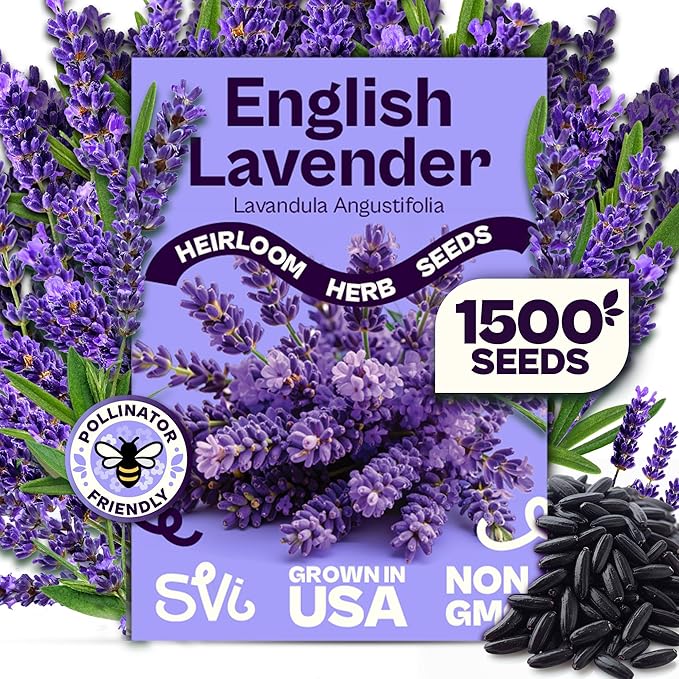 | SVI Lavender Heirloom Seeds | Check Price |
Our Top Picks 3  | Heirloom Lavender Seeds | Check Price |
Our Selected Top 12 Lavender to Grow Worth Considering
This list features twelve carefully chosen lavender varieties ideal for different gardens and climates. Each review covers growth performance, suitability for various gardeners, and highlights both advantages and potential drawbacks to help readers make informed decisions about their lavender planting.
1. HOME GROWN English Lavender Seeds
When you want classic English lavender with a truly authentic scent, these seeds offer a great start. Ideal for gardeners who enjoy a strong fragrance and versatile uses, this variety brings a traditional aroma and quality to any garden or indoor herb project.
Preparing the seeds requires a bit of effort with cold stratification for 2–4 weeks, which helps improve germination significantly. Planting works equally well indoors or outdoors in loam soil.
The seeds grow steadily through spring to fall, reaching about 2 feet tall. Growing this lavender is rewarding for people who appreciate fragrant leaves and flowers for culinary or wellness uses.
The fragrance is noticeably stronger than many hybrid lavenders, making it a nice choice for sachets, teas, or oils. The plant’s growth from seed is reliable after proper stratification, and it handles USDA zones 4 through 9 well.
Some find the germination process slow or tricky without cold stratification, which can be a minor inconvenience.
The intense scent is praised for its authenticity, making it a favorite for sensory uses. Most trouble reported involves the need for cold stratification, which adds a prep step before seeing sprouts.
Gardeners seeking a traditional English lavender with strong aroma will enjoy these seeds. Those wanting quick, easy planting might prefer a hybrid variety or starter plants instead.
Pros
- Strong, authentic English lavender fragrance
- Suitable for tea, baking, and essential oils
- Works well indoors and outdoors
- Heirloom variety with superior oil quality
Cons
- Requires cold stratification before planting
- Germination can be slow without proper prep
| Specification | Details |
|---|---|
| Expected Blooming Period | Spring to Fall |
| Expected Plant Height | 2 feet |
| Soil Type | Loam Soil |
| USDA Hardiness Zone | 4, 5, 6, 7, 8, 9 |
| Usage | Indoor, Outdoor |
2. SVI English Lavender Heirloom Seeds
1500 non-GMO lavender seeds in one pack make starting a fragrant garden easy and rewarding. Perfect for gardeners looking to grow hardy and fragrant lavender plants that can handle a variety of climates. The biggest strength is how many seeds come ready to plant, giving plenty of opportunities to fill your garden or window box.
Planting these seeds is straightforward following the pack’s guide. They grow well in sandy, well-drained soil with full sun exposure, requiring little to no watering.
The plants are perennial, so once established, they come back year after year reaching about 22 inches tall. They are suited to zones 3-9, making them adaptable for most outdoor gardens.
The blooms produce a gentle but clear lavender fragrance, ideal for fresh bouquets or drying for potpourri. Shrub-like and built to thrive over several seasons, these plants are low maintenance and reliable.
Some users note occasional slow germination as a drawback, but most enjoy the steady growth and pleasing scent in their garden.
Many appreciate the plentiful seed count and pleasant fragrance from the lavender blooms, which fill gardens with color and scent from spring through summer. Slow germination pace is common, requiring patience to see the full growth potential.
Gardeners with sandy soil and sunny outdoor spaces will find these seeds suitable and rewarding. Those lacking proper soil conditions or looking for faster results might want to explore other lavender varieties better adapted to their environment.
Pros
- Large quantity of non-GMO seeds for extensive planting
- Hardy perennial suitable for a wide range of climates
- Requires minimal watering once established
- Produces fragrant purple flower spikes for bouquets
Cons
- Some seeds may take longer to germinate
- Needs sandy, well-drained soil to thrive
| Specification | Details |
|---|---|
| Expected Plant Height | 22 inches |
| USDA Hardiness Zone | 3,4,5,6,7,8,9 |
| Soil Type | Sandy Soil |
| Moisture Needs | Little To No Watering |
| Expected Blooming Period | Spring to Summer |
| Sunlight Exposure | Full Sun |
3. English Lavender Heirloom Seeds
Gardeners looking to grow classic, fragrant lavender in their outdoor or indoor herb garden will appreciate these English Lavender Heirloom Seeds. Their biggest strength lies in producing vivid purple flower spikes with a welcoming scent that suits herb borders or small garden spaces.
Sowing these seeds involves a simple cold stratification process, followed by planting about 1/4 inch deep. Growth begins typically within two to four weeks when kept at temperatures above 65°F. They grow into upright shrubs about two feet tall and do well in full sun, making them easy to care for with little watering, especially in sandy soil.
English Lavender plants are hardy perennials thriving in USDA zones 3–9, offering reliable blooms from late spring through summer. They are compact but vigorous growers, praised for their fragrance and drought tolerance. Some find the wait for germination a bit long, but the flowers make up for that patience.
The seeds grow into fragrant, colorful plants highly praised for their scent and resilience, though they can take a few weeks to sprout after sowing. The compact nature and drought tolerance make them suitable for many garden setups.
People who want a hardy lavender that adapts to a variety of climates and requires minimal watering will find these seeds a good choice. Those looking for faster germination or different varieties might prefer alternatives.
Pros
- Fragrant purple blooms from late spring to summer
- Drought tolerant once established
- Compact and upright growth up to 24 inches
- Cold stratification ensures reliable germination
Cons
- Growth can take 14–30 days to appear
- Needs well-draining sandy soil for best results
| Specification | Details |
|---|---|
| Expected Plant Height | 24 inches |
| USDA Hardiness Zone | 3-9 |
| Sunlight Exposure | Full Sun |
| Moisture Needs | Little To No Watering |
| Soil Type | Sandy Soil |
| Expected Blooming Period | Spring to Summer |
4. Hydroponic Herb Growing Kit
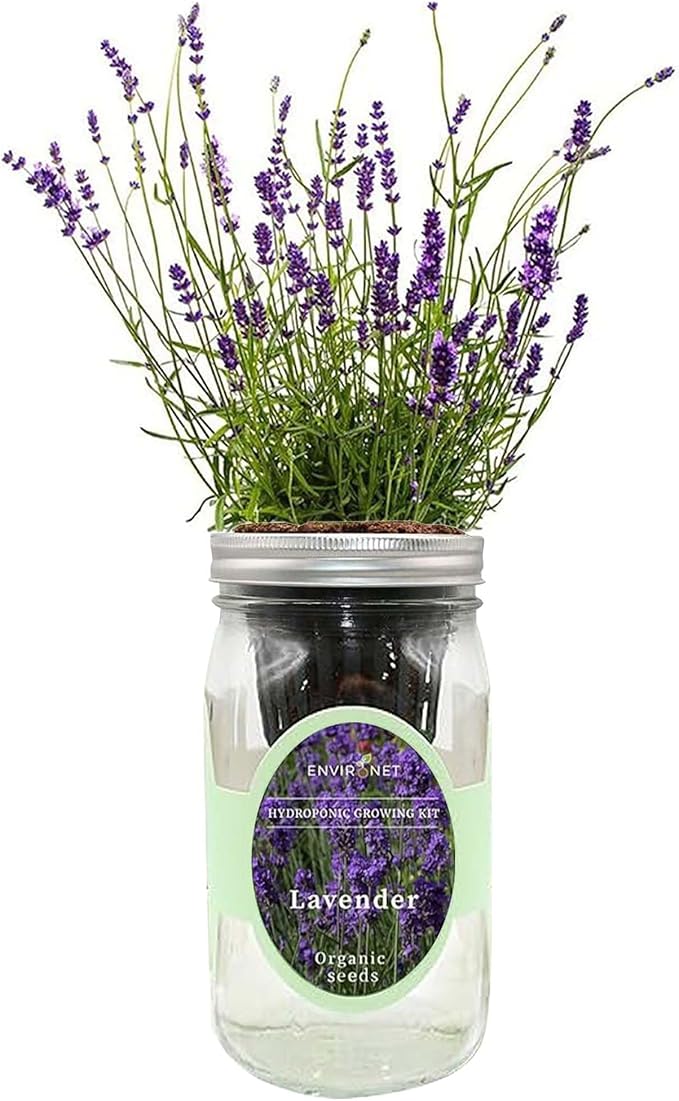
Designed for indoor herb gardeners who appreciate a patient growing process, this kit stands out by offering a complete mason jar setup for soil-free lavender cultivation. Its biggest strength lies in simplifying the start of a botanical hobby while providing a calming indoor greenery experience.
Setting up involves placing the pre-seeded grow plug into the net pot and filling the mason jar with water to support root growth. The kit requires moderate watering and a spot with partial sunlight, so you can maintain the lavender with minimal fuss. Expect a slower growth pace, which suits those who enjoy nurturing plants over time rather than quick results.
Lavender grows steadily when given enough bright light and a bit of patience. The sturdy glass jar holds water well and keeps the indoor area tidy without soil mess.
Reviews highlight the clean, soil-free setup as a plus, though most mention the slower sprouting as a downside for anyone wanting faster results.
The kit receives praise for its mess-free, all-in-one mason jar setup that allows indoor growing without soil, making it attractive to those who want simplicity. The most frequent complaint involves the slow sprouting time, which requires patience beyond typical indoor herb kits.
People who enjoy a calm, gradual gardening experience in limited space will find satisfaction here. Those looking for quicker results or outdoor planting options should look for alternatives better suited to fast growth or harsher conditions.
Pros
- Complete growing kit with mason jar included
- Soil-free design keeps indoor areas clean
- Ideal for patients who enjoy slow growth
- Works well in moderate light conditions
Cons
- Lavender seeds take longer to sprout
- Not suited for quick harvest needs
| Specification | Details |
|---|---|
| Indoor/Outdoor Usage | Indoor |
| Sunlight Exposure | Partial Sun |
| USDA Hardiness Zone | 3 |
| Soil Type | Sandy Soil |
| Moisture Needs | Moderate Watering |
5. Lavender Indoor Flower Garden Kit

Lavender Indoor Flower Garden Kit offers a straightforward way to grow beautiful lavender indoors, making it ideal for those wanting a touch of nature inside their homes. Its strongest feature is the all-in-one setup, including a stylish galvanized metal planter that fits well in small spaces.
Setting up the lavender kit is simple, thanks to the included coconut coir growing medium and clear instruction manual. The conical planter is compact enough to sit comfortably on windowsills or desks, while the plant marker helps you keep track of your lavender.
Daily care involves standard indoor plant watering and a bit of attention to let the lavender thrive and fill the room with its natural scent.
The kit produces elegant purple lavender flowers that smell naturally pleasant, making it a welcoming addition to any indoor area. The galvanized iron planter feels sturdy and durable, adding a rustic charm to your space. Some find the size a bit limiting if they want larger plants, but the well-made materials and attractive design are often praised for both function and style.
Many appreciate the kit’s all-in-one concept and the pleasant lavender fragrance it brings indoors. At the same time, some note that the planter’s size restrains plant growth and demands consistent care to thrive.
People looking for a neat, decorative lavender option for inside their home will find this kit suits them well. Those wanting bigger plants or less maintenance might want to look for something more substantial or less involved.
Pros
- Complete kit with planter and growing medium included
- Compact, fits well on small indoor surfaces
- Attractive conical galvanized metal planter
- Produces fragrant, purple lavender flowers
Cons
- Planter size limits the growth of larger plants
- Requires regular attention to keep plants healthy
| Specification | Details |
|---|---|
| Product Style | Indoor Garden |
| Planter Form | Plant Pot |
| Shape | Conical |
| Color | Lavender Purple |
| Pattern | Solid |
6. English Lavender Seeds

Growing English Lavender from seeds feels rewarding, especially for gardeners who enjoy planting big batches. It suits anyone wanting a fragrant purple bloom for indoor or outdoor spaces, shining brightest in full sun.
The standout feature is the large pack of over 7,000 seeds, making it easy to fill a garden or try growing in various spots.
Preparing the seeds needs a bit of patience; cold stratification for 2-4 weeks in the fridge sets you up for better germination. Planting involves lightly covering seeds with sandy soil, and they thrive in both pots and garden beds. Day-to-day care means ensuring full sun and maintaining the sandy soil type perfect for healthy growth from summer through fall.
Flowers emerge with a lovely scent that invites using them in dried crafts or fresh bouquets. The seeds come primed for planting, which helps kickstart germination. The pack’s size is a hit for long-term or wide planting, but some find the cold stratification step a bit tricky to manage.
Plants grow to about 25 inches, adding decent height and beauty to garden borders.
The seeds produce aromatic blooms that suit crafts and home décor, which many appreciate. However, managing the cold stratification process can be a hurdle since it requires refrigeration before planting. This adds extra preparation time and care.
People looking to plant extensively or enjoy fragrant garden borders find this seed pack useful. Those wanting a quicker start without refrigeration might prefer seedlings or plants already germinated and grown.
Pros
- Huge pack with over 7,000 seeds
- Primed seeds simplify germination
- Works well indoors and outdoors
- Produces fragrant purple flowers
Cons
- Needs cold stratification before planting
- Sandy soil required for best results
| Specification | Details |
|---|---|
| Sunlight Exposure | Full Sun |
| Expected Blooming Period | Summer to Fall |
| Seed Treatment Method | Primed |
| Expected Plant Height | 25 inches |
| Soil Type | Sandy Soil |
| Indoor Outdoor Usage | Indoor, Outdoor |
7. English Lavender Heirloom Seeds

Ideal for gardeners wanting fragrant blooms, English Lavender Heirloom Seeds deliver vibrant purple flower spikes with minimal fuss. Best suited for outdoor herb gardens, its biggest advantage lies in vigorous growth that adds classic charm from late spring through summer.
Starting these seeds involves a brief cold stratification followed by sowing about 1/4 inch deep. Germination usually occurs within two to four weeks at temperatures above 65°F. Preferring full sun and sandy soil, daily care includes regular watering but the plant remains low maintenance, making it easy to fit into busy gardening routines.
Flower spikes consistently form on slender green stems, reaching around 24 inches tall. The fragrant blooms are a highlight, providing both visual appeal and gentle scent. Constructed by nature, the plants thrive across multiple USDA zones (3 to 9).
Some find the waiting period for seeds to sprout slightly slow, but the dependable growth tends to satisfy expectations.
Seeds reliably grow into lush purple flower spikes that smell wonderful, though germination sometimes takes almost a full month. The included growing guide helps ease the planting process and matches the plant’s straightforward care needs.
Gardeners with space for full sun and sandy soil will appreciate the steady growth and fragrance. Those looking for faster results or indoor plants might want to explore alternatives better suited to their conditions.
Pros
- Produces fragrant, colorful flower spikes
- Grows vigorously under the right conditions
- Easy sowing with detailed growing guide included
- Supports wide range of USDA hardiness zones
Cons
- Seed germination can take up to 30 days
- Requires specific soil type for best results
| Specification | Details |
|---|---|
| Sunlight Exposure | Full Sun |
| Expected Plant Height | 24 inches |
| Expected Blooming Period | Spring to Summer |
| USDA Hardiness Zone | 3,4,5,6,7,8,9 |
| Soil Type | Sandy Soil |
| Moisture Needs | Regular Watering |
8. Bonnie Plants Live Lavender 4-Pack

Live lavender plants in a 4-pack form, ready to grow with silvery-gray foliage and deep purple blooms. Perfect for gardeners looking for beauty and fragrance that can be enjoyed fresh, dried, or in cooking. Its biggest strength lies in easy growth and versatility, suitable for containers and garden beds alike.
Set up requires planting in well-draining soil, either in containers or directly in the garden. Daily care involves regular watering and occasional feeding using the included Miracle-Gro Pour & Feed Singles, which supports healthy growth. These plants attract pollinators and provide fragrant spikes that can be harvested for recipes, bouquets, or dried sachets without much fuss.
Lavender delivers strong purple flower spikes and a pleasing scent, growing steadily with minimal attention. The plants are sturdy with consistent foliage color and size.
Most praise highlights how straightforward they are to grow even for beginners. The common complaint focuses on the need to manage space carefully when planting all four in limited areas.
These lavender plants receive praise for how simple they are to grow and their attractive blooms, appealing even to beginners. A common concern is the need for sufficient space when planting the entire 4-pack, which calls for some planning based on garden size.
Gardeners interested in fragrant, decorative herbs that can be used fresh or dried will find this pack very satisfying. Those with limited space or less time for plant care might want to consider fewer plants or an alternative that requires less maintenance.
Pros
- Easy to grow in various garden setups
- Attractive deep purple flower spikes
- Fragrant and useful in cooking and crafts
- Includes plant food for healthier growth
Cons
- Requires enough space to plant all four comfortably
- Needs regular watering and feeding to thrive
| Specification | Details |
|---|---|
| Brand | Bonnie Plants |
| Number of Packs | 4 |
| Manufacturer | Bonnie Plants |
| Number of Items | 8 |
| Unit Count | 8 Count |
| Item Type Name | Live Plant |
9. Live Lavender Plants 2-Pack

Classic purple lavender blooms and a strong, soothing scent make these plants great for outdoor gardeners wanting a compact, fragrant addition. Their size and shape suit small garden spaces or containers without overwhelming the area, appealing to those who appreciate both beauty and practicality in a plant.
Setting up requires placing the plants in full sun where the soil drains well. Once settled and established, watering can be kept to a minimum, making daily care straightforward.
The compact, mounded habit helps the plants stay tidy, fitting neatly into garden beds or patio pots, attracting pollinators without drawing deer near.
Blooming reliably from late spring to summer, the plants perform well in suitable zones and conditions. Built to reach around 18 inches tall with low moisture needs, they handle outdoor spots with ease.
The strongest praise highlights their scent and resilience while some find their growth size limits larger landscaping plans.
Plants are praised for their strong lavender scent and ability to attract pollinators while naturally deterring deer. A common complaint relates to their relatively small size, which might not suit gardeners looking for larger shrubbery.
Anyone wanting fragrant, easy-care lavender suited for smaller outdoor spots in zones 5 to 9 will find these plants satisfying. Those needing larger, more expansive plants or who live outside the recommended zones should explore other options.
Pros
- Strong, soothing lavender scent
- Compact, mounded growth habit
- Attracts pollinators and repels deer
- Low water needs once established
Cons
- Size may be too small for large spaces
- Requires specific zone for best growth
| Specification | Details |
|---|---|
| Expected Blooming Period | Late Spring to Summer |
| Sunlight Exposure | Full Sun |
| USDA Hardiness Zone | 5-9 |
| Expected Plant Height | 18 inches |
| Soil Type | Well draining soil |
| Moisture Needs | Low |
10. English Lavender Heirloom Seeds

English Lavender Heirloom Seeds offer a high germination rate, making them ideal for gardeners looking for reliable and abundant planting. Best suited for those with full sun space, these seeds make growing fragrant English lavender straightforward, ensuring a good start for your floral patch.
Preparing your garden bed and ensuring it receives full sun are key steps to planting. These seeds come in a large quantity of over 1500 seeds, giving plenty of chances to cultivate healthy plants.
Consistent sunlight exposure during the day helps bring out the best growth in this variety. The seeds’ high germination rate means less worry about starting failures or needing multiple attempts.
The seeds perform well in producing classic English lavender plants with expected fragrance and appearance. Being heirloom seeds, they come from a reliable lineage which gardeners can trust. The main praise centers on their high germination, which delivers many seedlings.
The most noted complaint is the requirement for full sun, limiting options for shady gardens.
The seeds receive regular praise for their high germination rate, delivering plenty of healthy seedlings to work with. On the other hand, they need full sun exposure, which can be a challenge for gardeners with more shade than sunny spots in their gardens.
Those with sunny garden areas and patience for seed planting will enjoy growing lavender from these seeds. People looking for quicker or shaded planting options may want to explore other varieties or established plants instead.
Pros
- Large quantity for extensive planting
- High germination ensures good plant starts
- Ideal for gardens with full sun
- Heirloom seeds for true lavender traits
Cons
- Requires full sun, limits shady areas
- No pre-treated seeds for faster sprouting
| Specification | Details |
|---|---|
| Seed Quantity | 1500+ English Lavender Seeds |
| Sunlight Exposure | Full Sun |
| Special Features | High Germination Rate |
11. BUZZY Seeds Lavender Grow Kit

Starting a small herb garden or a hands-on project for kids can feel overwhelming without the right tools. Ideal for beginners or anyone wanting to grow lavender indoors or outdoors, this kit provides everything needed to successfully raise fragrant lavender from seed in a simple, manageable way.
Setting it up is straightforward and requires no extra supplies. The kit includes mini terracotta pots, coconut husk pellets for planting, and premium Non-GMO lavender seeds. Just soak the coco pellets, place the seeds inside, and keep them watered.
Watching the first sprouts appear in two to four weeks makes it a rewarding and accessible experience, even for those new to gardening.
The kit’s main job is growing lavender, and it performs well for what it offers. The mini pots are genuine terracotta and sturdy, suitable for indoor or outdoor use.
The growing medium keeps the seeds moist and helps sprouts emerge reliably. Most praise focuses on how simple and complete the kit is, though the small pot size limits how large the lavender plants can grow.
The most appreciated feature is how all necessary components come in one package, making it easy to start growing lavender without seeking additional materials. A frequent drawback is the relatively small pot size, which can restrict how much the plant develops over time.
People new to gardening or those looking for a simple indoor/outdoor lavender project will find this kit satisfying. Those wanting larger mature plants or more growing space should explore options with bigger pots or garden beds instead.
Pros
- Complete kit with no extra supplies needed
- Easy step-by-step planting instructions included
- Mini terracotta pots are genuine and durable
- Non-GMO premium lavender seeds
Cons
- Small pot size limits plant growth
- Sprouting may take 2 to 4 weeks, patience required
| Specification | Details |
|---|---|
| Product Style | Garden |
| Planter Form | Plant Pot |
| Shape | Round |
| Pattern | Solid |
| Color | Multicolor |
12. English Lavender Seeds

2,200 Non-GMO heirloom seeds make this pack a strong choice for anyone wanting a large number of English Lavender plants. Suits gardeners wanting a colorful outdoor addition that thrives in partial sun. Its biggest strength lies in the high germination rate ensuring most seeds will sprout successfully.
Planting is best done between spring and summer in loam soil or potting mix. Requires moderate watering to keep the soil moist but not soggy.
Ideal for outdoor spots with partial sun exposure. With a height of about 24 inches, it’s manageable for garden beds or borders. Germination rate means you don’t have to worry about missing plants.
Produces colorful flowers year-round, brightening the garden consistently with proper care. Built as heirloom, non-GMO seeds, trustworthy for those who want natural, reliable growth.
Most praise highlights the strong germination success, while some note needing patience for seedlings to mature fully. Suited to USDA zones 2 through 11, it’s adaptable to a wide range of climates.
The germination rate is notably high, allowing most seeds to grow well when conditions are right. The main downside is that seedlings can take some time to develop into mature plants, requiring patience from gardeners. Regular care is needed to support steady flowering.
Those wanting a large supply of reliable, outdoor lavender seeds will find this pack a great match. People preferring quick blooms or indoor growing may want to consider other options more suited for those needs.
Pros
- High germination rate
- Non-GMO heirloom seeds
- Produces colorful flowers year-round
- Wide USDA zone adaptability
Cons
- Needs patience for seedling maturity
- Best planted only in spring to summer
| Specification | Details |
|---|---|
| Seed Quantity | 2,200 seeds (2.5 g) |
| Blooming Period | Year Round |
| Sunlight Exposure | Partial Sun |
| Plant Height | 24 inches |
| Moisture Needs | Moderate Watering |
| USDA Hardiness Zone | 2 – 11 |
Best Lavender Varieties to Grow Comparison Table
| Product | Usage | Blooming Period | Sunlight Exposure | USDA Hardiness Zone |
|---|---|---|---|---|
| Home Grown Lavender Seeds | Indoor, Outdoor | – | – | – |
| SVI Lavender Heirloom Seeds | Outdoor | Spring to Summer | Full Sun | 3-9 |
| Heirloom Lavender Seeds | Indoor, Outdoor | Spring to Summer | Full Sun | 3-9 |
| Hydroponic Herb Kit | Indoor | – | Partial Sun | 3 |
| Lavender Indoor Garden Kit | Indoor | – | – | – |
| Classic English Lavender Seeds | Indoor, Outdoor | Summer to Fall | Full Sun | – |
| Premium Heirloom Lavender Seeds | Outdoor | Spring to Summer | Full Sun | 3-9 |
| Bonnie Live Lavender 4-Pack | Live Plant | – | – | – |
| Live Lavender Plants 2-Pack | Outdoor | Late Spring to Summer | Full Sun | 5-9 |
| Select Heirloom Lavender Seeds | – | – | Full Sun | – |
| BUZZY Lavender Grow Kit | – | – | – | – |
| Standard English Lavender Seeds | Outdoor | Year Round | Partial Sun | 2-11 |
- UsageIndoor, Outdoor
- Blooming Period–
- Sunlight Exposure–
- USDA Hardiness Zone–
- UsageOutdoor
- Blooming PeriodSpring to Summer
- Sunlight ExposureFull Sun
- USDA Hardiness Zone3-9
- UsageIndoor, Outdoor
- Blooming PeriodSpring to Summer
- Sunlight ExposureFull Sun
- USDA Hardiness Zone3-9
- UsageIndoor
- Blooming Period–
- Sunlight ExposurePartial Sun
- USDA Hardiness Zone3
- UsageIndoor
- Blooming Period–
- Sunlight Exposure–
- USDA Hardiness Zone–
- UsageIndoor, Outdoor
- Blooming PeriodSummer to Fall
- Sunlight ExposureFull Sun
- USDA Hardiness Zone–
- UsageOutdoor
- Blooming PeriodSpring to Summer
- Sunlight ExposureFull Sun
- USDA Hardiness Zone3-9
- UsageLive Plant
- Blooming Period–
- Sunlight Exposure–
- USDA Hardiness Zone–
- UsageOutdoor
- Blooming PeriodLate Spring to Summer
- Sunlight ExposureFull Sun
- USDA Hardiness Zone5-9
- Usage–
- Blooming Period–
- Sunlight ExposureFull Sun
- USDA Hardiness Zone–
- Usage–
- Blooming Period–
- Sunlight Exposure–
- USDA Hardiness Zone–
- UsageOutdoor
- Blooming PeriodYear Round
- Sunlight ExposurePartial Sun
- USDA Hardiness Zone2-11
How to Choose the Right Lavender Variety
Choosing the right lavender depends on climate, soil type, and intended use, such as fragrance or cooking. Selecting varieties suited to your conditions helps ensure healthy growth, reduces maintenance, and prevents wasted time and resources on plants that may struggle or fail to thrive.
Climate Compatibility
Some lavender plants wilt quickly or fail to thrive because the variety does not match the local climate. Growing a variety that can handle your average maximum and minimum temperatures means fewer problems with heat or frost damage.
For example, if winters bring frequent freezing, selecting a winter-hardy type can prevent plants from dying off or needing extra winter protection. In dry regions, drought tolerance matters a lot. Lavenders that cope with minimal water reduce the need for constant irrigation, staying healthy even during hot spells.
Choosing varieties suited to your temperature range means fewer replacements and less seasonal worry. Look for ratings such as USDA hardiness zones indicated on plant labels, zones 5 through 9 cover many outdoor garden climates. For dry areas, varieties described as drought-tolerant balance water use with healthy growth.
Avoid types known to struggle outside of mild coastal or consistently warm regions unless you’re ready to modify conditions extensively.
Plant Size and Growth Habit
Garden space often limits which plant size works. Some lavenders grow tall and spread wide, potentially overshadowing smaller plants or crowding walkways. Compact varieties stay below 2 feet in height and keep a tighter shape, ideal for small beds or containers.
Larger, sprawling types might reach up to 3 feet or more and need room to let air circulate, which cools the leaves and reduces fungal problems.
Consider sun exposure too; wider plants may create more shaded areas while compact ones allow more direct light to reach surrounding plants. For tight garden layouts, choose varieties with a mature spread of about 1 to 2 feet. That helps keep pruning manageable and avoids overcrowding.
Knowing expected height and spread from seed catalogs or nursery labels saves future frustration over a plant outgrowing its space quickly.
Flowering Characteristics
Some lavender varieties bloom briefly in early summer, while others flower intermittently over a longer period. Picking one that flowers from early summer to fall keeps color in your garden longer without replanting.
Flower color varies from deep purple to pale lilac, even near whites or pinks, affecting how the garden color palette looks throughout the season. The strength of fragrance also differs, strongly scented types fill a garden corner with aroma, while milder ones might suit places near patios if heavy scent is unwanted.
Many lavenders attract pollinators like bees and butterflies, supporting local ecosystems. Varieties that sustain pollinators can quietly benefit other flowering plants nearby with increased pollination rates.
Look for descriptions mentioning pollinator-friendly or check online reviews noting insect visits to pick cultivars that actively support local gardens.
Soil and Water Requirements
Lavenders generally thrive in well-drained soils. Planting in heavy clay or waterlogged spots often leads to root rot.
Varieties preferring sandy or gravelly soils handle dryness better. Watching water requirements closely is important; overwatering is a common mistake that stunts growth or kills plants. One or two deep waterings per week usually suffice once established, but this depends on weather and soil type.
Checking resistance to soil diseases helps reduce the need for chemical treatments. Plants that tolerate poor drainage or resist common root rots require less intervention.
Avoid varieties known for needing constant moisture or extra fertilizer. Practical places to grow these plants include raised beds or locations with natural runoff to avoid standing water.
Pest and Disease Resistance
Lavender can attract pests like aphids and suffer from fungal diseases such as root or leaf rot if conditions are right. Some varieties show natural resistance, reducing the chances of infestations and infections.
Resistant types need fewer pesticides and less pruning to remove damaged leaves, making care less time-consuming.
Environmental stress tolerance, including tolerance to heat, wind, and occasional dry spells, helps plants stay strong and less prone to pest or disease attacks. When shopping, look for varieties tagged as pest-resistant or disease-resistant. These traits often come from hardier genetics that make the plants easier to maintain over several seasons.
Optimal Growing Conditions for Different Lavender Varieties
Lavender thrives in well-drained soil and requires a sunny spot receiving at least six hours of direct sunlight daily. Different varieties have preferences but generally share similar conditions.
English lavender (Lavandula angustifolia) prefers slightly cooler climates and can tolerate more moisture than other types. It grows best in fertile, sandy, or loamy soil with a neutral to slightly alkaline pH.
French and Spanish lavenders prefer warmer, drier environments and are well suited to Mediterranean-style gardens. Their ideal soil is gritty with good drainage to prevent root rot. Overly rich or damp soil can cause issues for these types.
- Plant in raised beds or slopes when possible to improve drainage
- Avoid heavy clay soils or amend them with sand or gravel
- Space plants to allow air circulation, reducing fungal disease risk
Adjust care based on local conditions and lavender variety for the best results.
Common Mistakes to Avoid When Growing Lavender
One major mistake is overwatering lavender, especially in poorly draining soil. Lavender is drought-tolerant and excess water can quickly lead to root rot.
Another common issue is planting lavender in shade or crowded areas where it cannot receive adequate sunlight and airflow.
Failing to prune lavender after flowering weakens the plant’s structure and reduces blooms the following season. Avoid cutting into old wood too deeply, as lavender does not regenerate well from old growth.
- Do not water if soil feels moist; water only when the top inch is dry
- Choose a sunny location with at least six hours of light daily
- Prune annually, removing spent flower stalks and shaping the plant
- Avoid fertilizing heavily, lavender prefers lean soil
Awareness of these pitfalls helps maintain healthy, thriving plants.
Comparing English, French, and Spanish Lavender for Your Garden
English lavender is valued for its strong fragrance, cold hardiness, and long flowering period. It is often used in cooking and for essential oils.
Its compact size suits small gardens and containers.
French lavender has silvery foliage and longer flower spikes with a slightly different scent. It prefers warmer climates and is less tolerant of cold winters. The flowers attract pollinators and are good for dried bouquets.
Spanish lavender is noted for its dark blooms and tolerance of hot, dry conditions. It can grow larger and spread more than English varieties, making it useful for ground cover or hedging in suitable climates.
- English lavender for fragrance and versatility in cooler areas
- French lavender for ornamental use and warmer zones
- Spanish lavender for heat tolerance and ground coverage
Choosing among these three depends on climate, garden space, and purpose.
People Also Asked
How Much Sunlight Does Lavender Need to Grow Well?
Lavender needs a minimum of six hours of direct sunlight daily to grow well. Choose a spot in your garden that receives full sun for best results.
Is Lavender Safe to Grow Around Pets and Children?
Lavender is generally safe to grow around pets and children. However, some animals might be sensitive to the strong scent, so monitor them when first introduced.
What Is the Ideal Soil Type for Lavender Plants?
Lavender grows best in well-drained, sandy or gritty soil with a neutral to slightly alkaline pH. Heavy clay soils should be amended with sand or gravel for better drainage.
How Often Should I Water Lavender Outdoors During Summer?
Water lavender about once a week during summer, making sure the soil dries out between watering. Overwatering can lead to root rot, so let the top inch of soil stay dry.
Can Lavender Attract Pests or Have Common Diseases?
Lavender can attract pests like aphids or whiteflies, and may get fungal diseases if air circulation is poor. Pruning regularly helps keep plants healthy and limits disease risk.
Conclusion
Choosing the right lavender depends mainly on the climate it will grow in, how much space you have, and what you want to use it for. Some types do better in hot, dry areas, while others need cooler weather. Also, consider how tall and wide the plant will get and whether you plan to harvest the flowers regularly.
Match the lavender you pick to your available garden space and how much time you want to spend maintaining it. Those who want fresh lavender often benefit from plants that bloom longer or more frequently. Check the comparison table and detailed descriptions above to find the best fit for your needs.

I’m Jake Thompson, and I’ve spent over a decade working on lawn mowers, from small push mowers to big riding tractors. I write about starting problems, blade sharpening, carburetor cleaning, oil changes, and seasonal maintenance. My goal is to give you clear, step-by-step advice so you can handle common mower issues yourself and keep your lawn looking sharp all season.