
Top 12 Best Houseplants for Clean Air That Boost Your Home
Many people have experienced the frustration of picking houseplants that look nice but end up wilting under poor lighting or overly dry indoor air. The best houseplants for clean air not only survive these common indoor challenges but also help reduce pollutants like formaldehyde and benzene.
Choosing a plant that struggles in typical home conditions can mean wasted effort and little air quality improvement over time.
Effective air-purifying houseplants usually share a few practical traits. They thrive in low to medium light and require minimal but consistent watering, making them easier to maintain. Size matters too, a plant around one to three feet tall strikes a good balance between noticeable air filtering and fitting comfortably in living spaces.
Plants with broad, waxy leaves tend to trap airborne particles better and are simpler to wipe down, keeping their surfaces dust-free so they can work efficiently.
Need a Quick Check?
| Image | Product | Price |
|---|---|---|
Our Top Picks 1  | Costa Farms Peace Lily | Check Price |
Our Top Picks 2 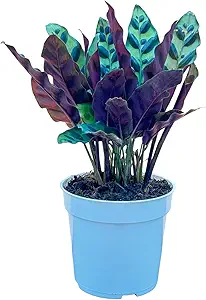 | Rattlesnake Calathea Plant | Check Price |
Our Top Picks 3  | Costa Farms Snake Plant | Check Price |
Our Selected Top 12 Houseplants for Clean Air Worth Buying
This list features twelve houseplants known for their air-purifying qualities, each reviewed for effectiveness and care requirements. You will learn how they perform in different environments, who they best suit, and their main advantages and drawbacks to help you choose wisely.
1. Costa Farms Peace Lily
Costa Farms Peace Lily is an indoor plant known for its striking white flowers and air-purifying benefits. It suits anyone wanting to add a touch of greenery while improving indoor air quality.
Its biggest strength lies in combining elegant decor with natural air filtration.
Setting up requires placing it in partial sun, making it ideal for tabletops or corners in living rooms and offices. Regular watering keeps it thriving, and its year-round planting period means it can be introduced anytime.
The deep green leaves complement the white blooms, creating a peaceful atmosphere wherever it’s placed.
The plant effectively filters toxins from the air while maintaining a calm presence through its clean, lively appearance. It grows up to 48 inches tall and adapts well within USDA Hardiness Zones 10b-11.
The main praise highlights its beauty and air-cleaning ability, while some note it needs consistent watering to stay healthy.
The plant is widely praised for its attractive white flowers and its ability to clean indoor air naturally. The most common concern is its need for consistent watering, which can be a downside for those seeking low-maintenance greenery.
People wanting an attractive plant that improves air quality will appreciate it. Those who have trouble keeping up with watering or need a plant that tolerates full sun might want to consider alternatives.
Pros
- Elegant white blooms brighten any room
- Helps filter toxins for cleaner air
- Suitable for year-round indoor growing
- Creates a calming, natural atmosphere
Cons
- Needs regular watering to stay healthy
- Thrives only in partial sunlight conditions
| Specification | Details |
|---|---|
| Expected Plant Height | 48 inches |
| Sunlight Exposure | Partial Sun |
| Blooming Period | Summer |
| Moisture Needs | Regular Watering |
| Indoor/Outdoor Usage | Indoor |
| USDA Hardiness Zone | 10b-11 |
2. Rattlesnake Calathea Live Plant
Bright and lively, the Rattlesnake Calathea brings a splash of color to your indoor space while quietly refreshing the air. Ideal for those seeking a low-maintenance, attractive houseplant that purifies the air, it fits well in living rooms, offices, or indoor gardens.
Setting up the Rattlesnake Calathea is straightforward, needing only a spot with partial sun and sandy soil. Moderate watering keeps it happy without much fuss.
Its height of about 16 inches makes it a good fit on shelves or tables, and it thrives mainly in spring and summer. Caring for it feels easy, especially for someone new to houseplants.
It does a solid job purifying indoor air while adding color with its striking patterned leaves. The plant’s build is sturdy for being a live specimen and handles indoor conditions well. Praise often mentions how it enlivens any space, while the most common drawback involves its moderate moisture needs, meaning it can’t be neglected for long.
Many appreciate how the plant instantly livens up any space with its unique leaves while helping to clean the air. A common issue is keeping up with the moderate watering it needs; letting it dry out can stress the plant.
Perfect for anyone wanting a bright indoor plant that is easy to manage and boosts air quality. Those who struggle to maintain regular watering or have very dim spaces may prefer a hardier, less light-demanding plant.
Pros
- Air purifying qualities for indoor environments
- Easy to care for, suitable for beginners
- Bright, colorful leaves add a vibrant touch to your decor
- Thrives indoors with moderate watering
Cons
- Needs consistent moisture, not drought-tolerant
- Requires partial sun, not for low-light rooms
| Specification | Details |
|---|---|
| Sunlight Exposure | Partial Sun |
| Soil Type | Sandy Soil |
| Moisture Needs | Moderate Watering |
| Expected Plant Height | 16 inches |
| Indoor Outdoor Usage | Indoor |
| Expected Blooming Period | Summer, Spring |
3. Costa Farms Snake Plant
Costa Farms Snake Plant is ideal for anyone looking for a low-maintenance indoor plant that helps clean the air while fitting well in small or narrow spaces. Its biggest strength lies in its ability to thrive easily with minimal care, making it especially suitable for busy people or those new to houseplants.
Setting up the Snake Plant is straightforward. It thrives in partial sun and requires moderate watering, so it won’t demand much attention. Its upright, stiff leaves make it perfect for tight spots like tabletops or narrow corners.
Being drought tolerant means missing a watering here and there won’t cause stress. It fits year-round planting and grows well in sandy soil, adapting to different indoor environments without hassle.
The plant effectively purifies the air while adding vertical style to any room. It’s sturdy and resilient, surviving in various conditions without getting damaged easily.
Reviews highlight its hardiness and low upkeep as major strengths. Some mention it doesn’t bloom and may not suit those wanting a flowering plant. It stands out for ease of care and consistent air purification.
Hardiness and ability to thrive with little care receive strong praise. The most common downside noted is the absence of flowers, which might disappoint those expecting blooms.
People looking for a tough, easy-to-manage plant that benefits indoor air quality will be satisfied. Those who want colorful flowers or plants suited for full shade may want to explore other options.
Pros
- Low maintenance and drought tolerant
- Fits well in narrow or small spaces
- Air-purifying indoor plant
- Thrives in varied indoor environments
Cons
- Does not produce blooms
- Requires partial sun, not full shade
| Specification | Details |
|---|---|
| Sunlight Exposure | Partial Sun |
| Moisture Needs | Moderate Watering |
| Expected Plant Height | 48 inches |
| Indoor/Outdoor Usage | Indoor |
| Soil Type | Sandy Soil |
| Expected Blooming Period | No blooms |
4. Plants for Pets Easy Grow Houseplants 6PK

Live green plants like Fittonia, Pothos, and Dieffenbachia make up this 6-pack collection ideal for indoor spaces. Designed for people looking for simple, low-maintenance greenery, its biggest strength lies in combining easy-care plants that fit well in any living room or home office setting.
Setting up involves placing them in a moderate light spot indoors and watering them moderately, which doesn’t demand much effort. These plants don’t require special soil or pots initially, making the day-to-day upkeep straightforward. Their moderate watering needs keep things balanced without needing constant attention or complex routines.
They perform well at purifying indoor air while adding a natural touch to interiors. The plants arrive healthy and strong, though a few might display minor adjustment signs at first.
The main praise highlights how easy they are to maintain, but the most common complaint is that a few plants might arrive smaller than expected.
Plants arrive healthy and easy to care for, making them suitable for those new to houseplants. However, occasional smaller sizes on arrival means some may need extra time to fully flourish. Maintaining moderate moisture levels is crucial to keep all plants thriving indoors.
People who want attractive, low-maintenance indoor plants focused on air-cleaning will enjoy this set. Anyone looking for outdoor or larger plants that are instantly strong might want to explore other options better suited for those settings.
Pros
- Includes variety of popular low-maintenance plants
- Ideal for indoor home or office decor
- Moderate watering keeps care simple
- Plants arrive healthy and ready to grow
Cons
- Some plants can arrive smaller than expected
- Not suitable for outdoor planting
| Specification | Details |
|---|---|
| Indoor Outdoor Usage | Indoor |
| Moisture Needs | Moderate Watering |
| Plant Types Included | Fittonia, Pothos, Dieffenbachia, Aralia, and other green plants |
| Pack Size | 6 plants |
5. Costa Farms Money Tree

Bright green leaves and a braided trunk catch your eye immediately with this 12-16 inch tabletop plant. Ideal for anyone looking to add a touch of nature to small living spaces or desks, it stands out for its combination of style and air-purifying qualities. Its moderate size and pet-friendly nature make it a practical choice for many homes.
Arriving in a decorative planter, setup is straightforward with no repotting needed. The breathable, reinforced packaging keeps it safe and moist during delivery. It prefers partial shade and needs moderate watering, which means it won’t demand constant attention.
Its low-maintenance care fits well with busy indoor lifestyles, while its versatile size allows placement on desks, shelves, or side tables.
Designed to improve indoor air quality, this houseplant performs well by filtering air without taking up much room. The braided trunk adds a distinctive look, and the plant generally stays healthy when watered moderately.
Most praise centers on how attractive and easy it is to care for. Commonly mentioned drawbacks include its sensitivity to overwatering and slower growth pace compared to larger houseplants.
The strong point of this plant is how it combines easy care with an attractive braided trunk and effective air purification. Delivery arrives with healthy soil moisture maintained, but care is needed to avoid overwatering, which can be an issue. It suits those looking for a manageable, pet-safe houseplant without the bulk of larger species.
Anyone wanting a medium-sized, stylish plant for smaller indoor spaces will appreciate this choice. It feels at home on desks or shelves and delivers decent air-cleaning benefits. Those seeking rapid growth or a more dramatic natural statement might want to explore other options better suited for larger areas.
Pros
- Air purification for healthier indoor air
- Low maintenance, moderate watering only
- Pet friendly, safe around animals
- This plant arrives ready to display, with no repotting needed
Cons
- Slower growth compared to bigger plants
- Sensitive to overwatering can harm health
| Specification | Details |
|---|---|
| Sunlight Exposure | Partial Shade |
| Moisture Needs | Moderate Watering |
| Indoor/Outdoor Usage | Indoor |
| Expected Plant Height | 84 inches |
| Expected Blooming Period | Spring, Summer |
| Soil Type | Peat Soil |
6. Altman Plants Classic Houseplant Collection 4PK

Perfect for anyone wanting a low-maintenance way to brighten indoor spaces, this houseplant collection offers four live plants in 4 pots. Its biggest appeal lies in providing popular, easy-care varieties that help purify the air without demanding much attention.
Setting up these plants requires just spotting a place with indirect light and regular watering. They come in nursery pots that make moving them simple, and you won’t need any special soil since pot soil is already included. Their modest size fits well on shelves or desks, making them versatile for different rooms while adding a touch of green.
The collection does well in keeping air cleaner and thriving with minimal fuss. The build is straightforward with standard nursery pots, making them suitable for indoor use. Common praises highlight how easy they are to care for, although some mention the assortment varies, so you might get different plants than expected.
Many appreciate how low-maintenance and air-cleaning these plants are, making them a simple addition to any room. Some find it inconvenient that the exact plant mix may change with each box, which can affect preferences.
Those looking for a straightforward set of easy indoor plants will enjoy this collection. People hoping for specific plants or decorative pots may want to consider other options.
Pros
- Four different easy-care plants included
- Suitable for low light indoor spaces
- Helps with air purification
- Compact size fits small areas well
Cons
- Plant assortment can vary unpredictably
- Pots are basic nursery style, no decorative planters
| Specification | Details |
|---|---|
| Indoor Outdoor Usage | Indoor |
| Sunlight Exposure | Indirect Light |
| Expected Plant Height | 9 inches |
| Moisture Needs | Regular Watering |
| Soil Type | Pot soil |
7. Costa Farms Golden Pothos

Indoor spaces often feel stale or lack a touch of lively greenery. Perfect for apartments or offices, Costa Farms Golden Pothos brings heart-shaped variegated leaves into the mix, with a standout ability to brighten up low-light areas while being easy to care for.
Setting it up is simple since it thrives with minimal watering and partial sunlight, great for beginners not wanting to fuss over daily care. The plant grows well in pot soil, and its vining nature means you can let it trail beautifully from shelves or hang it near a window without much effort.
It works well to naturally purify indoor air while maintaining vibrant variegation on the leaves. The plant can reach up to 60 inches tall, adding a significant green presence.
Most praise its forgiving nature in less-than-ideal lighting. On the downside, some notice it needs regular watering to avoid drying out.
People appreciate how tough and forgiving it is for low-light indoor spaces, making it low effort to keep alive. Some find the regular watering requirement a bit much, especially if they favor plants that can dry out more without issue.
The plant fits well with those new to houseplants or anyone wanting an air-purifying green accent that doesn’t demand a lot of direct sunlight. Those frequently away from home or who prefer an outdoor garden might want to consider something less needy or designed for outdoor conditions.
Pros
- Hardy and easy for beginners
- Thrives in low to partial sunlight
- Effective natural air purifier
- Visually appealing trailing vines
Cons
- Needs regular watering to stay healthy
- Not suitable for outdoor use
| Specification | Details |
|---|---|
| Indoor/Outdoor Usage | Indoor |
| Sunlight Exposure | Partial Sun |
| Expected Plant Height | 60 inches |
| Soil Type | pot soil |
| Moisture Needs | Regular Watering |
| Expected Blooming Period | Summer, Spring |
8. Variegated Philodendron Birkin

A powerful air purifier in a compact size, the Variegated Philodendron Birkin suits indoor plant lovers who want a striking, low-maintenance houseplant. Its deep green leaves with creamy pinstripes make it a unique addition to any room, while helping improve air quality effectively.
Setting up requires placing the plant in bright indirect light and maintaining slightly moist soil. It works well in typical indoor environments without demanding constant care.
Regular watering keeps it healthy, and its upright growth pattern fits nicely on shelves or tabletops without taking much space.
Performance in air purification meets expectations for a smaller houseplant, offering fresh air all year round. The build is sturdy, featuring authentic philodendron foliage with crisp variegation. Most appreciate how easy it is to care for, though a few note that overwatering can be an issue if not careful.
People appreciate how easy the plant is to care for with low watering needs and beautiful pinstriped leaves. Typically, the plant’s health declines due to overwatering, which has been a problem for many people caring for it.
Those looking for a striking, manageable indoor plant will enjoy this choice for clean air. Anyone with very low light environments or who struggles to maintain consistent watering should look for other options.
Pros
- Striking variegated foliage adds visual interest
- Compact size fits small indoor spaces
- Low-maintenance care requirements
- Effective air purification benefits
Cons
- Needs careful watering to avoid overwatering
- Thrives only in bright indirect light
| Specification | Details |
|---|---|
| Indoor Outdoor Usage | Indoor |
| Sunlight Exposure | Partial Sun |
| Moisture Needs | Regular Watering |
| Air Purification | Powerful |
| Expected Blooming Period | Year Round |
9. Costa Farms ZZ Plant

People new to houseplants or those with busy schedules will find the Costa Farms ZZ Plant a reliable choice. Its biggest strength lies in how little care it needs, making it perfect for anyone wanting a green touch without daily fuss.
Setting it up is straightforward since the plant does well with partial sunlight and requires little to no watering. It fits nicely on desks, shelves, or tables, enhancing a room with its upright leaves.
The need for sandy soil means you don’t have to worry much about watering schedules, as it easily tolerates drought conditions.
The ZZ Plant purifies indoor air while being drought tolerant and low maintenance. It grows up to 48 inches tall, holding its shape well without blooms.
Most people appreciate how tough and forgiving it is, though some mention it may not add much color or variety since it never blooms.
The plant’s biggest appeal is its resilience and minimal care requirements, which make it easy to keep healthy. On the downside, it doesn’t flower, so users looking for colorful blooms won’t find them here. It’s an evergreen that focuses on greenery and structure instead.
Those wanting a simple, tough plant for indoor spaces with partial sunlight will be pleased. People hoping for a flowering or more visually dynamic plant might want to look elsewhere. It suits well both beginners and anyone needing a low-maintenance green touch at home or office.
Pros
- Thrives on neglect, perfect for busy people
- Stylish with upright leaves for modern decor
- Improves air quality indoors
- Can be grown year-round
Cons
- No blooming to add color variety
- Limited to USDA Hardiness Zone 10-11
| Specification | Details |
|---|---|
| Sunlight Exposure | Partial Sun |
| Moisture Needs | Little To No Watering |
| Expected Plant Height | 48 inches |
| Soil Type | Sandy Soil |
| Indoor Outdoor Usage | Indoor |
10. Costa Farms Bamboo Palm

Lush, airy fronds and the ability to purify indoor air set the Bamboo Palm apart for anyone wanting a tropical touch with health benefits. It suits people looking for a striking yet low-maintenance plant to brighten a room while also improving air quality.
Setting up the plant requires finding a spot with partial sun and watering it moderately, which fits well into busy routines. The Bamboo Palm works well as a floor or tabletop accent, making it versatile in placement.
Its pet-friendly nature means it can be safely kept in homes with animals, adding calm greenery without much fuss.
The plant effectively filters air toxins, helping create a fresher and healthier space. Built for indoors, it grows up to 96 inches tall, making it a bold statement in any corner. Most praise highlights its peaceful vibe and attractive fullness.
Some find it needs careful watering to avoid overdoing moisture levels, the main caution to keep in mind.
The Bamboo Palm is commonly praised for bringing a peaceful, lush atmosphere to indoor spaces while effectively cleaning the air. The main caution is its need for moderate watering to avoid issues related to too much moisture. It performs well when these care details are attended to.
Those seeking a large, visually striking plant that also helps improve indoor air will appreciate this palm. It may not suit someone looking for a plant requiring minimal natural light or low water attention, as it needs partial sun and moderate watering to thrive.
Pros
- Pet-friendly tropical look
- Air purification benefits
- Compact and low maintenance
- Fits both tabletop and floor spaces
Cons
- Requires careful watering balance
- Needs suitable partial sun exposure
| Specification | Details |
|---|---|
| Indoor Outdoor Usage | Indoor |
| Sunlight Exposure | Partial Sun |
| Expected Plant Height | 96 inches |
| Soil Type | Clay Soil |
| Moisture Needs | Moderate Watering |
11. Plants for Pets Essential Houseplant Collection 3PK

Plants for Pets Essential Houseplant Collection 3PK offers a convenient way to bring greenery and improved air quality to your home. Perfect for people who want a variety of low-maintenance houseplants that thrive in partial sun and work well in different indoor spaces. Its biggest strength lies in combining easy-to-grow plants that suit both beginners and busy plant-lovers.
Setting up the collection is simple since the plants come in 4.25 nursery pots at 7 to 10.5 inches tall, making them a nice size for shelves or tables. Everyday care involves regular watering and partial sun exposure, both explained clearly via a scannable code on each pot. The assortment includes popular indoor plants like Peperomia, Philodendron, and Snake plant, all chosen for how little fuss they need.
These plants do a solid job at cleaning air while staying healthy throughout the year. The variety means a continuous presence of greenery, which is refreshing indoors. The pots are sturdy enough for everyday handling and come with care tips that reduce guesswork.
Most praise in reviews points to how easy the plants are to grow. Common complaints mention that some plant choices may not always be the exact mix you expect.
Easy care and clear instructions through the pot codes make this collection user-friendly and low-pressure for indoor gardeners. However, actual plant assortment may differ from the displayed selection, which can surprise buyers expecting a fixed lineup.
Anyone wanting simple, adaptable plants for improving indoor air quality should be pleased with these. Those seeking specific or rare plant species might want to look for options with guaranteed picks instead.
Pros
- Includes a rotating assortment of 3 live indoor plants
- Low-maintenance and easy to grow species
- Helpful care tips via scannable codes on pots
- Suitable for partial sun and various indoor spaces
Cons
- Plant mix can vary from expectation
- Requires regular watering to stay healthy
| Specification | Details |
|---|---|
| Indoor Outdoor Usage | Indoor, Outdoor |
| Expected Blooming Period | Year Round |
| Sunlight Exposure | Partial Sun |
| Moisture Needs | Regular Watering |
| Pot Size | 4.25″ Nursery Pots |
| Plant Height Range | 7 to 10.5 inches |
12. Philodendron Live Houseplant 4PK

Living with these philodendrons brightens any room without demanding much attention. They suit anyone wanting a splash of greenery that also cleans the air with ease.
Their biggest strength lies in adapting well to moderate indoor light, making them forgiving for less sunny spots.
Setting them up is straightforward with a well-draining potting mix and watering when the soil feels dry on top. They thrive year-round but peak growth happens in spring and summer. They don’t need intense sunlight, just partial sun works fine.
Maintenance stays low as they stay healthy indoors without constant fuss.
The plants do a solid job purifying the air while maintaining a fresh aesthetic indoors. Their build is sturdy with healthy foliage that holds well over time. Most say they appreciate the easy care and steady air quality boost, while some note a need for regular watering to avoid droopiness when soil dries out.
Strong praise centers on its adaptability and low maintenance, making it easy to keep alive indoors. The most common complaint concerns the need for consistent watering when the soil dries out, requiring attention to moisture levels.
Anyone wanting a dependable indoor plant that improves air quality and survives in moderate light will be happy with this. Those lacking time for regular watering or seeking a plant for much darker spots should consider other options.
Pros
- Adapts well to moderate indoor lighting
- Low maintenance care requirements
- Provides air purification benefits
- Year-round interest with occasional blooms
Cons
- Needs regular watering to avoid dryness
- Not suitable for low-light or outdoor use in colder zones
| Specification | Details |
|---|---|
| Sunlight Exposure | Partial Sun |
| Moisture Needs | Regular Watering |
| Indoor Outdoor Usage | Indoor |
| Air Purification | Yes |
| USDA Hardiness Zone | 10, 11 |
Best Houseplants for Clean Air Comparison Table
| Product | Air Purification | Low Maintenance | Pet Friendly | Plant Height |
|---|---|---|---|---|
| Costa Farms Peace Lily | Yes | – | – | 48 inches |
| Rattlesnake Calathea Plant | – | – | – | 16 inches |
| Costa Farms Snake Plant | Yes | Yes | – | – |
| Plants for Pets 6PK | – | – | – | – |
| Costa Farms Money Tree | Yes | Yes | Yes | 84 inches |
| Altman Plants 4PK | Yes | Yes | – | 9 inches |
| Costa Farms Golden Pothos | Yes | – | – | 60 inches |
| Philodendron Birkin | Yes | Yes | – | – |
| Costa Farms ZZ Plant | Yes | Yes | – | 48 inches |
| Costa Farms Bamboo Palm | Yes | Yes | – | 96 inches |
| Plants for Pets 3PK | – | – | – | – |
| Philodendron 4PK | Yes | Yes | – | – |
- Air PurificationYes
- Low Maintenance–
- Pet Friendly–
- Plant Height48 inches
- Air Purification–
- Low Maintenance–
- Pet Friendly–
- Plant Height16 inches
- Air PurificationYes
- Low MaintenanceYes
- Pet Friendly–
- Plant Height–
- Air Purification–
- Low Maintenance–
- Pet Friendly–
- Plant Height–
- Air PurificationYes
- Low MaintenanceYes
- Pet FriendlyYes
- Plant Height84 inches
- Air PurificationYes
- Low MaintenanceYes
- Pet Friendly–
- Plant Height9 inches
- Air PurificationYes
- Low Maintenance–
- Pet Friendly–
- Plant Height60 inches
- Air PurificationYes
- Low MaintenanceYes
- Pet Friendly–
- Plant Height–
- Air PurificationYes
- Low MaintenanceYes
- Pet Friendly–
- Plant Height48 inches
- Air PurificationYes
- Low MaintenanceYes
- Pet Friendly–
- Plant Height96 inches
- Air Purification–
- Low Maintenance–
- Pet Friendly–
- Plant Height–
- Air PurificationYes
- Low MaintenanceYes
- Pet Friendly–
- Plant Height–
How to Choose the Best Air-Cleaning Houseplants
Consider factors like air-purifying ability, ease of care, and suitability for your home environment when selecting air-cleaning houseplants. Choosing the right plants helps maintain healthy air quality without extra effort or replacement costs, saving both time and money in the long run.
Air Purification Effectiveness
Some plants visibly clean the air by lowering stuffiness in rooms, especially those with little ventilation. Plants that effectively reduce indoor pollutants tend to remove toxins like formaldehyde and benzene, which are common in household products.
Their ability to produce oxygen and absorb carbon dioxide also changes how fresh a room feels.
Daily life improves when choosing plants that match the room’s size and air quality demands. Smaller plants in large rooms make minimal difference. Aim for species known for steady oxygen output and pollutant absorption to notice a real effect.
For rooms up to 200 square feet, one or two medium-sized plants can make air feel clearer. Look at proven types rated by tested air-cleaning qualities rather than just appearance.
Light and Placement Requirements
Lighting conditions inside homes vary widely and can seriously impact how well a plant grows. Many green plants do best with indirect sunlight; placing them in spots with harsh direct light may scorch leaves.
Low-light-tolerant plants survive in shaded corners but usually grow slower.
Space needed differs, too. Some houseplants spread wide or grow tall, requiring a dedicated shelf or floor area. Others stay compact and work easily on desks or windowsills.
Flexibility matters in a home setting, plants that tolerate common lighting setups and fit available spaces without crowding offer less hassle in daily life.
Maintenance and Care
Watering schedules vary a lot, and overwatering is a frequent mistake that causes root rot. Some popular detoxifying plants need watering only once a week, while others demand more frequent care. Fertilizing usually happens monthly during growing seasons but some thrive on neglect.
Pruning helps maintain shape and health but isn’t a constant chore for every type. Repotting every year or two is necessary for bigger plants to avoid root crowding.
Also, picking plants resistant to pests and diseases reduces frustration from unexpected infestations or leaf damage.
Size and Growth Habit
Knowing a plant’s mature size helps avoid cramped living spaces or the need for constant trimming. Some species grow rapidly and can double in size within a season, while others remain small and slow-growing.
Large plants placed in small rooms may block light or pathways.
Growth habits also differ: trailing vines may need hanging pots or supports, whereas upright types fit well in floor containers. Choosing plants according to their adult size and form ensures they fit comfortably and don’t require frequent relocation or pruning to stay manageable.
Safety and Toxicity
For homes with pets or kids running around, nontoxic plants are vital to prevent accidental poisoning or irritation. Several popular indoor plants have mild to severe toxic effects if ingested, causing nausea or worse symptoms.
Others are free from such risks, allowing safer handling.
Some plants may trigger allergies or skin irritation upon contact, so it’s smart to check for any known irritants. Plants that don’t produce allergenic pollen or sap mean fewer health concerns in daily interaction. Avoiding contamination by not overusing pesticides or fertilizers also keeps indoor air healthy and safe.
Tips for Maximizing Air Purification with Houseplants
Placing several houseplants in different rooms can improve indoor air quality more effectively than clustering them in one spot. The best results come from spreading plants to target multiple areas where pollutants tend to accumulate, such as bedrooms, living rooms, and kitchens. Pay attention to the species chosen; plants like spider plants and peace lilies are known to absorb specific toxins.
Make sure each plant receives enough indirect light suited to its needs, as poor lighting reduces its air-purifying ability. Keep leaves dust-free by gently wiping them with a damp cloth once a week to allow better gas exchange.
Proper watering is essential too, both overwatering and underwatering can weaken plants. Regularly rotating your plants also helps them grow evenly and maintain strong health, which supports their capacity to clean the air.
Common Care Mistakes to Avoid for Healthier Indoor Plants
Damp soil left consistently wet invites root rot and fungal problems, which impairs a plant’s ability to photosynthesize and purify air. Avoid this by ensuring pots have drainage holes and using well-draining soil.
Overexposure to direct sunlight can scorch leaves, so placing plants in bright, indirect light zones is often better for species like snake plants and philodendrons. Another common mistake is neglecting humidity levels; many tropical plants benefit from occasional misting or a nearby humidity tray. Forgetting to prune dead or yellowing leaves can reduce a plant’s efficiency and encourage pests.
Lastly, sudden temperature changes, such as drafts or being too close to heat sources, can stress plants, lowering their resilience. Consistency with these care basics supports healthier plants and more effective air purification.
Comparing Natural Air Purifiers: Houseplants vs. Air Purifying Devices
Houseplants clean the air primarily by absorbing carbon dioxide and releasing oxygen, alongside removing certain toxins. This process naturally occurs but can take time and depends on the type and number of plants.
Mechanical air purifiers filter particles and chemicals rapidly, offering quick improvements in air quality. However, they require electricity, filter replacements, and maintenance. Plants add aesthetic value and contribute humidity to the environment, which some air purifiers lack.
Devices can target allergens and pollutants more precisely and consistently, especially in larger spaces. Combining both methods is practical: plants improve air quality gradually and bring life to a room, while air purifiers manage specific contaminants effectively and on-demand.
The choice depends on needs, space, and maintenance willingness.
People Also Asked
How Often Should I Water Houseplants for Clean Air?
Water houseplants about once a week, but adjust based on the plant type and indoor conditions. Check the soil moisture before watering to avoid overwatering, which can cause root rot and harm the plant’s ability to purify air.
Are Certain Houseplants Safe Around Pets and Children?
Some common safe plants for homes with pets and children include spider plants and Boston ferns. Avoid plants like philodendrons or dieffenbachia, as they can be toxic if ingested.
What Size Plant Is Ideal for Improving Indoor Air Quality?
A medium-sized plant of about 8 to 12 inches in height works well inside most rooms. Larger plants can improve air circulation but may require more care and space.
How Long Do Air-Purifying Houseplants Typically Live?
Many air-purifying houseplants, such as snake plants or pothos, can live for several years with proper care. Regular pruning and avoiding overwatering help them stay healthy longer.
Can Houseplants Cause Allergic Reactions or Other Problems Indoors?
Houseplants can sometimes cause allergic reactions, especially if mold grows in damp soil or if a person is sensitive to pollen. Keep plants clean and soil dry to reduce these risks.
Conclusion
Choosing houseplants that improve air quality mainly depends on how much light they need, how often you can water them, and whether they fit the space you have available. Some plants require bright light and frequent watering, while others do fine in low light and with less attention.
Consider these factors to find something that suits your daily routine and environment.
Think about where you want to place the plant and how much maintenance it will need before making a decision. Your budget also plays a role since prices vary widely. Review the comparison table and the options listed above to find a good fit for your home and lifestyle.

I’m Jake Thompson, and I’ve spent over a decade working on lawn mowers, from small push mowers to big riding tractors. I write about starting problems, blade sharpening, carburetor cleaning, oil changes, and seasonal maintenance. My goal is to give you clear, step-by-step advice so you can handle common mower issues yourself and keep your lawn looking sharp all season.


