Top 12 Best Shrubs for Borders That Transform Your Garden
Cheap, poorly chosen shrubs for borders often end up overcrowding or growing unevenly, making the garden look messy instead of tidy. The best shrubs for borders provide clear definition and grow to a manageable size that suits your garden’s scale without constant pruning.
It’s easy to spot the difference when spacing and growth habits align with the border’s intended width and height.
Good shrubs for borders tend to have compact growth, typically staying under 6 feet tall and 4 feet wide to avoid overrunning adjacent plants. Hardiness is important too, with many thriving in USDA zones 5 to 9. Shrubs with dense foliage create a natural screen and require minimal annual shaping, keeping maintenance low but appearance neat throughout the year.
Need a Quick Check?
| Image | Product | Price |
|---|---|---|
Our Top Picks 1  | Dwarf Boxwood Plant | Check Price |
Our Top Picks 2  | Perfect Plants Ligustrum | Check Price |
Our Top Picks 3  | Dwarf Yaupon Holly | Check Price |
Our Selected Top 12 Shrubs for Borders Worth Considering
This list features a variety of shrubs ideal for enhancing garden borders, highlighting their growth habits, care requirements, and visual appeal. Each review covers performance, suitability for different garden styles, and key advantages and disadvantages to help you choose the right option.
1. Dwarf Boxwood Live Plant
Vibrant evergreen foliage that stays colorful all year makes this Dwarf Boxwood Live Plant stand out for anyone wanting a neat, compact border shrub. Its naturally rounded shape works well where low hedges and structured garden edges are needed without fussing over frequent trimming.
Setup is straightforward since it comes in a 4-inch pot with a healthy root system ready to settle into full sun spots in the garden. Regular watering keeps the glossy green leaves looking fresh. The compact size fits neatly into garden corners or along pathways, providing a consistent green presence without overwhelming the space.
Growth is steady with a low-maintenance habit that doesn’t demand much shaping, which helps it hold its neat form nicely. Its dense foliage adds structure and color throughout the year, while spring to summer blooms gently improve the look of the border. Common feedback notes the plant thrives well but needs regular watering to avoid stress during hot spells.
Consistent foliage color and neat rounded habit are praised for making borders tidy year-round. Most often mentioned drawback is the need for regular watering to maintain its vibrant look during hot periods.
Those wanting a low-growing, evergreen border shrub with minimal upkeep will appreciate this plant. Gardeners in very hot or dry climates might want something demanding less frequent watering.
Pros
- Glossy evergreen leaves with year-round color
- Compact rounded growth suits structured borders
- Strong root system in a 4-inch pot
- Low maintenance with minimal pruning needed
Cons
- Requires regular watering to stay healthy
- May need protection from extreme heat stress
| Specification | Details |
|---|---|
| Expected Blooming Period | Spring to Summer |
| Sunlight Exposure | Full Sun |
| Moisture Needs | Regular Watering |
| Pot Size | 4-Inch |
2. Perfect Plants Sunshine Ligustrum Shrub
Perfect Plants Sunshine Ligustrum Shrub shines with its bright golden-yellow foliage that stays colorful all year round. Ideal for those looking to create vibrant borders or tidy hedges, this evergreen fits well in sunny spots and brings unique color to any garden space.
Setting up requires watering deeply every day or two during the first couple of weeks, then keeping soil moist throughout the first summer season. After this initial phase, it tolerates drought well, which makes daily care easier over time.
It thrives best in locations with at least six hours of direct sun, ensuring the yellow tones stay bright in all seasons.
Performance-wise, the shrub holds its color consistently through winter and summer alike, making gardens look lively continuously. The non-flowering nature eliminates concerns about spreading seeds, keeping borders neat without unexpected growth. Most praise highlights its dependable year-round shade of gold, while some note it needs careful watering early on to establish properly.
The shrub keeps its bright golden color throughout every season, which is the highlight for anyone wanting a lively garden border year-round. Early care means watering deeply up to twice daily for two weeks, which some may find demanding when establishing new plants.
Gardeners with sunny spaces and steady attention during the first weeks will appreciate its lasting color and neat growth. Those lacking consistent sunlight or water during initial planting may want to consider other shrubs that are less demanding on early care.
Pros
- Bright golden-yellow foliage all year
- Non-invasive, stays tidy without seeding
- Cold hardy down to about -10F
- Drought tolerant after establishment
Cons
- Needs frequent watering in early weeks
- Requires full sun for best color
| Specification | Details |
|---|---|
| Sunlight Exposure | Full Sun |
| Zones | 6-10 |
| Cold Hardy | About -10F once established |
| Watering | Deep every 1-2 days for first two weeks, then keep moist summer |
| Drought Tolerance | Once established |
3. Dwarf Yaupon Holly Live Plant
Dense, dark green leaves create a lush, evergreen border that looks great year-round. Ideal for small gardens or those wanting tidy hedges without much fuss. The biggest selling point is its compact size that suits limited spaces while staying attractive through all seasons.
Setup is straightforward since it comes in a 1-gallon container ready to plant. It adapts well whether placed in sun or partial shade and tolerates different soil types, which makes daily care easy. Drought tolerance means watering doesn’t have to be constant, so keeping it looking good is low effort.
This shrub does well at holding shape and color consistently throughout the year. Its natural mounded form grows between 3 to 5 feet, perfect for borders without overwhelming the area.
Most people praise its low maintenance, although some note it could take a while to fully fill out as a hedge.
The shrub’s evergreen, dense foliage is often praised for year-round appeal and low maintenance. A recurring note is the slow pace in reaching its mature size, which may require patience before forming a full hedge.
Gardeners looking for easy-care, space-efficient border plants will appreciate this shrub. Those wanting immediate, taller coverage might consider faster-growing alternatives instead.
Pros
- Retains dense foliage all year long
- Thrives in sun or partial shade
- Compact size fits small gardens well
- Drought tolerant, needs little watering
Cons
- Slow growth toward full hedge coverage
- Height description inconsistent (5 inches vs 3-5 feet)
| Specification | Details |
|---|---|
| USDA Hardiness Zone | 6-10 |
| Expected Plant Height | 5 inches |
| Sunlight Exposure | Partial Shade |
| Moisture Needs | Low To Medium |
| Soil Type | Well-draining |
4. Dwarf Red Burning Bush Live Plants

Perfect for creating a vivid and structured border, these dwarf red burning bush plants work well for gardeners in USDA Zones 4–8. Their ability to grow between 4 and 6 feet tall makes them a standout choice when you want a bright splash of color that doesn’t overwhelm your space.
Planting comes with five bare root shrubs, supplying enough for a decent border or to start a small hedge. They prefer partial shade along with well-drained soil, so placement is important to keep them thriving. The bare roots require a little patience during establishment but once in the ground, maintenance focuses mainly on monitoring soil moisture and occasional trimming.
The shrubs deliver on their promise of vibrant red foliage well into fall, making borders eye-catching after most other plants start to fade. Built to handle colder climates, they remain healthy through various weather conditions. Praise often goes to their reliable color and size, while the main drawback mentioned is the initial slow growth during the first season.
Bright and dependable red foliage makes this shrub a favorite for fall borders, although newcomers might find the slower start during the first season a bit discouraging. The bare root form requires careful planting and patient establishment before showing its full potential.
Gardeners looking for colorful, medium-height shrubs that handle cooler climates will appreciate these plants. Those wanting faster growth or full sun tolerance might prefer exploring other options better suited for sunnier or warmer locations.
Pros
- Striking red color through fall months
- Adapted for colder USDA Zones 4–8
- Compact size perfect for border use
- Five plants included per order
Cons
- Initial slow growth can be frustrating
- Requires partial shade, not full sun
| Specification | Details |
|---|---|
| Unit Count | 5 Count |
| Height at Maturity | 4–6 feet |
| Hardiness Zones | USDA Zones 4–8 |
| Light Preference | Partial Shade |
| Soil Type | Well-Drained |
5. Little Giant Arborvitae Shrubs

Compact, globe-shaped foliage makes these shrubs ideal for tight spaces and small gardens. Perfect for anyone looking to add rich greenery to borders without taking up too much room, the natural shape means they keep their neat appearance without much fuss.
Planting can happen year-round, fitting various soil types perfectly. They thrive best with plenty of sunlight but handle partial shade just fine.
Once settled, these shrubs tolerate drought well and don’t need frequent pruning, which keeps daily care simple and low-maintenance.
Dense green leaves provide solid coverage all year, creating a lively, textured border. Built to fit both indoor and outdoor settings, they hold their shape naturally, requiring only occasional trimming. Most praise mentions how attractive and tidy they look, while some note they might grow slower in shadier spots than expected.
The shrub’s main attraction is its dense, rich green foliage that keeps a tidy, compact shape with very little pruning. Common feedback points to slower growth when not placed in full sun, requiring patience in shadier spots.
Gardeners who want a low-maintenance, consistently attractive border shrub in sunny spots will be pleased. Those needing faster-growing or shade-loving plants might want to look elsewhere.
Pros
- Maintains compact globe shape naturally
- Requires minimal pruning
- Adapts well to various soil types
- Provides year-round rich green color
Cons
- Growth may be slower in shady areas
- Needs full sun for best performance
| Specification | Details |
|---|---|
| Indoor Outdoor Usage | Indoor, Outdoor |
| Expected Blooming Period | Year Round |
| Sunlight Exposure | Full Sun |
| Expected Planting Period | Year-Round |
| Soil Type | All Soil |
| Moisture Needs | Drought Tolerant Once Established |
6. Proven Winners Sprinter Boxwood

Dense, low-maintenance foliage stands out right away, perfect for defining garden borders. Designed for outdoor use, it fits well in USDA zones 5-9 and thrives in full sun to part shade. Shrubs like these offer a balanced mix of size and care needs, making them a solid choice for anyone looking to frame their yard without much fuss.
Planting goes smoothly when you water before setup and space them about 24 inches apart, allowing room to grow to 24-48 inches tall and wide. They prefer sandy soil and regular watering to stay healthy.
Mulching after planting helps retain moisture, and placing the shrub slightly above soil level avoids water pooling. Coming into its own from spring to fall, it holds steady through winter with minimal attention required.
Growth remains consistent, filling in borders evenly with its compact boxwood leaves. Built to withstand outdoor conditions and USDA zones from 5 through 9, it resists common issues faced by shrubs.
The main compliment notes how low maintenance it stays, requiring less pruning than expected. Some find the size varies from 2 to 4 feet, so planning space carefully matters most.
The strongest praise highlights the shrub’s low maintenance and reliable growth in various light conditions. The size variance between 24 and 48 inches means border planning needs attention but doesn’t affect overall performance. No blooming may disappoint those wanting flowers, but it focuses on greenery instead.
Gardens needing neat, dense green borders in applicable zones will benefit from this boxwood. Shoppers looking for flowering shrubs or precise size control might prefer different options. Its tolerance for sun and shade adds flexibility for many landscapes.
Pros
- Low maintenance care requirements
- Suitable for full sun to part shade
- Moderate size fits well into borders
- Survives in USDA zones 5-9
Cons
- Size range can require extra planning
- No blossoms for floral interest
| Specification | Details |
|---|---|
| Mature Size | 24-48 in. W x 24-48 in. H |
| USDA Hardiness Zone | 5-9 |
| Sunlight Exposure | Full Sun to Part Shade |
| Moisture Needs | Regular Watering |
| Recommended Spacing | 24 inches |
7. Encore Azalea Autumn Kiss Shrub

Encore Azalea Autumn Kiss is a solid option for anyone wanting a colorful, low-maintenance border shrub that keeps its greenery all year. It works well in a variety of gardens from USDA zones 6a to 10 and is especially suited for those who want flowers in summer through fall without much fuss.
Planting and caring for this azalea is straightforward. It grows best in full sun but tolerates partial shade too.
Regular watering keeps it happy, and its mature size of about 3 to 4 feet in height and width means it fits nicely along borders without overcrowding. Since it’s evergreen, your border stays lively through every season.
Flowers appear from summer into fall, attracting pollinators to your space. The build is natural, of course, but it handles outdoor life well across several hardiness zones.
Most praise notes its long blooming period and vibrant foliage. Some mention it needs consistent watering during dry stretches to stay its best.
Flowers from summer to fall bring steady color and attract pollinators, enhancing garden life. The plant stays evergreen which keeps borders lively but demands regular watering to maintain its health, especially in hotter zones.
Those wanting long-lasting blooms and year-round greenery will appreciate this shrub. Gardeners in particularly dry or hot areas who prefer very drought-tolerant plants might want to consider a different choice.
Pros
- Attracts pollinators during bloom
- Low maintenance throughout the year
- Evergreen for year-round interest
- Thrives across wide USDA zones
Cons
- Requires regular watering to thrive
- May need partial shade in very hot climates
| Specification | Details |
|---|---|
| USDA Hardiness Zone | 6, 7, 8, 9, 10 |
| Sunlight Exposure | Full Sun to Partial Shade |
| Expected Plant Height | 36-48 inches |
| Expected Blooming Period | Summer to Fall |
| Moisture Needs | Regular Watering |
| Evergreen | Yes |
8. Burning Bush Live Shrubs Set
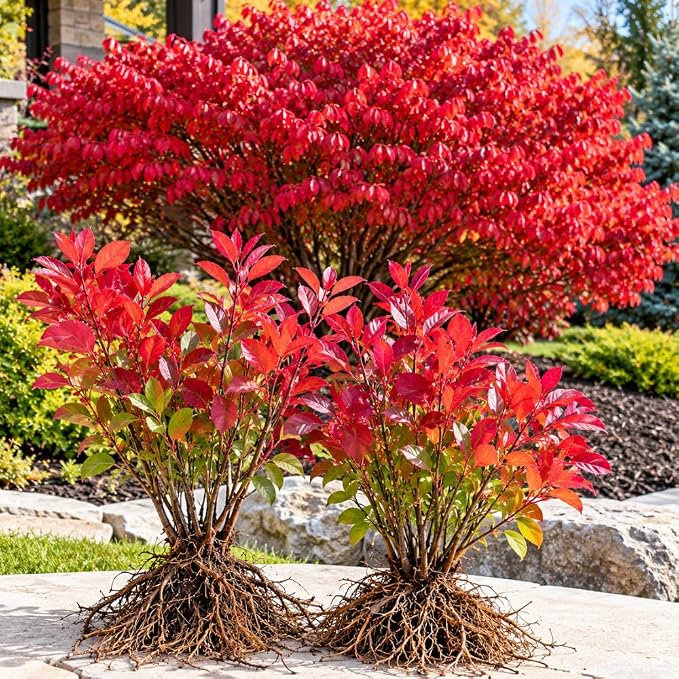
Adding a vibrant touch along garden borders can really transform your outdoor space, especially with something that changes through the seasons. Perfect for people who want colorful, low-maintenance shrubs, the Burning Bush Live Shrubs Set stands out for its spectacular fall color that brings bright red leaves to your yard.
Starting a bit small at 4-8 inches tall, these two live shrubs need to be planted in well-drained soil during spring, offering control over their shape as they grow denser over time. They do best in full sun to partial shade and require moderate watering, making their daily care straightforward.
No pots come with them, so planting requires some preparation but after that, routine care is simple.
Once matured, they reach about 5 feet, creating thick, full shrubbery that clearly defines borders and adds seasonal interest with green foliage turning red in cooler months. Built to withstand colder climates in USDA zones 4 to 8, they hold up well through weather changes. Most people appreciate the vivid fall color, though some note the initial size means it takes time for the shrubs to fill out as expected.
The biggest praise highlights its vibrant red leaves in autumn, which really livens up borders and landscapes. A common drawback is the initial small size of the shrubs, requiring patience for them to reach full density and impact. Planting without pots means some extra effort upfront but doesn’t affect the shrubs’ growth.
Those who want a colorful, hardy shrub that won’t demand constant care will appreciate these burning bushes. People looking for instant impact or larger plants might consider alternatives that fill space faster or come potted for easier planting.
Pros
- Bright red fall foliage adds seasonal color
- Cold hardy, suitable for various climates
- Low maintenance with moderate watering needs
- Dense branches create a full hedge effect
Cons
- Plants arrive small, require time to mature
- No pots included, extra planting preparation needed
| Specification | Details |
|---|---|
| Indoor/Outdoor Usage | Outdoor |
| Sunlight Exposure | Full Sun |
| USDA Hardiness Zone | 4-8 |
| Expected Plant Height | 5 feet |
| Soil Type | Well drained soil |
| Moisture Needs | Moderate Watering |
9. Hydrangea Seeds for Planting

Starting with a 35-seed selection, these Hydrangea Seeds offer a fun way to grow ornamental shrubs perfect for creating a charming garden border. They’re best suited for gardeners ready to commit to a long-term project, especially those who want spring-to-fall blooms in partial shade.
Setting up requires providing a proper growing medium like loam soil and maintaining regular watering to keep seedlings healthy. The seeds need patience as flowers only appear once the shrubs mature, so spacing and placement matter to match your garden’s light and moisture conditions. Growing indoors initially is possible, but final planting outdoors is necessary for full development.
Growth performance depends heavily on care, with regular watering and partial shade exposure resulting in a shrub about 3 feet high. Seed-grown plants may vary in flower color and shape, so expectations for exact looks should be flexible. Most praise notes the beauty and charm these hydrangeas add, while complaints often mention waiting time before a visible flower display.
Gardening with these hydrangea seeds brings rewarding spring-to-fall flowers once mature, though the wait time before blooms frustrates some. The natural variation in flower color adds charm but may disappoint those expecting specific shades.
Anyone wanting a personalized, evolving garden border will enjoy nurturing these shrubs. Someone looking for quick blooms or exact flower colors should consider established plants instead.
Pros
- Long blooming season from spring to fall
- Suitable for partial shade areas
- Variety of flower colors possible
- Height around 3 feet fits garden borders
Cons
- Flower color and plant traits vary unpredictably
- Requires patience before flowering display appears
| Specification | Details |
|---|---|
| Expected Blooming Period | Spring to Fall |
| Sunlight Exposure | Partial Shade |
| Expected Plant Height | 3 feet |
| Soil Type | Loam Soil |
| Moisture Needs | Regular Watering |
| Indoor Outdoor Usage | Outdoor |
10. Chinese Boxwood Seeds

Gardeners looking for a low-maintenance evergreen shrub to create neat borders or hedges will find Chinese Boxwood Seeds a solid choice. Its biggest strength lies in the dense, compact foliage that naturally lends itself to shaping and formal garden designs without demanding constant care.
Starting these seedlings requires a bit of patience since they come as seeds, but germination rates are promising, making the initial effort worthwhile. Once established, the plants do well in full sun to partial shade and prefer loam soil with moderate watering.
The growth pattern encourages naturally branched, dense foliage that responds easily to pruning, making it ideal for detailed topiary or clean edges along walkways.
Performance in growing a sturdy, evergreen hedge is dependable, as the boxwood maintains its refined look year-round in suitable climates. The build of the shrub from small leaves to tightly packed branches meets expectations for formal garden borders. Strong points include its high germination rate and adaptability to various climates, while the common complaint revolves around the wait time for mature growth from seed, which requires patience.
Chinese Boxwood Seeds have a high germination rate, creating healthy dense foliage suited for formal garden borders. Time is a factor since the shrub grows slowly from seed, requiring a patient approach to reach full appearance and size.
Gardeners aiming to grow their own evergreen border plants will appreciate the adaptability and shape control this shrub offers. Those looking for quicker results might consider established plants instead of starting from seeds.
Pros
- High germination rate
- Compact, dense evergreen foliage
- Adaptable to full sun and partial shade
- Responds well to pruning and shaping
Cons
- Slow growth from seed to mature shrub
- Needs moderate watering consistently
| Specification | Details |
|---|---|
| Expected Blooming Period | Year Round Evergreen Foliage in Suitable Climates |
| Sunlight Exposure | Full Sun to Partial Shade |
| USDA Hardiness Zone | Zones 4,5,6,7 and 8 |
| Soil Type | Loam Soil |
| Moisture Needs | Moderate Watering |
| Special Features | Compact, Dense Evergreen Foliage, High Germination Rate |
11. Perfect Plants Winter Gem Boxwood

Perfect Plants Winter Gem Boxwood stands out by offering a neat evergreen option that suits both modern and traditional gardens. Its main appeal lies in how well it shapes borders and short hedges, making it a solid pick for anyone wanting clear, stylish garden edges without too much fuss.
Planting it requires full sun, so placing it where it receives plenty of light is key. The modest growth rate means you won’t be trimming constantly, saving time and effort.
It fits comfortably into smaller garden spaces or acts as a tidy border in larger yards, blending well with other plants without overwhelming them.
It performs as expected, holding its shape nicely and adding structure to a yard. Resistant to most pests and diseases, it keeps looking fresh with minimal maintenance.
One strong point is its ability to maintain charm while being practical. Some complaints mention slow growth as a downside when quicker coverage is wanted.
The shrub is praised for its low maintenance and pest resistance, making it easy to care for. Slow growth is the most frequent drawback, especially when quicker hedge formation is desired.
Gardeners seeking a tidy, controlled look in smaller spaces will find it fits well. Those wanting rapid growth or shade-loving plants might want to look at other options.
Pros
- Versatile for traditional or modern landscapes
- Ideal size for smaller gardens
- Resistant to pests and diseases
- Low maintenance trimming needs
Cons
- Growth rate may be too slow for some
- Needs full sun; limited shade tolerance
| Specification | Details |
|---|---|
| Mature Height | 3 feet tall |
| Spread | 3-4 feet wide |
| Growth Rate | Modest |
| Sunlight Exposure | Full Sun |
| Maintenance | Requires little trimming |
12. Perfect Plants Wintergreen Boxwood Shrubs

Perfect Plants Wintergreen Boxwood Shrubs work best for those looking to create a tidy, long-lasting hedge or border with minimal fuss. They suit gardeners wanting cold-hardy, compact shrubs that maintain color through winter. Their main strength is dense, dark green foliage that provides year-round structure in outdoor beds and borders.
Planting goes smoothly when placed 2 to 3 feet apart for a thick hedge or 4 to 5 feet for standalone shrubs. These shrubs thrive in well-drained loam soil and prefer moderate watering, keep soil moist but not soggy the first summer to help them settle. They do well in full sun to partial shade and respond well to regular shearing for shaped borders or topiary.
These Wintergreen Boxwoods hold their color well through cold seasons and stay compact, rarely requiring much maintenance beyond occasional trimming. Their shallow roots make transplanting easy without much shock. Most appreciate their deer and disease resistance, while some note slower growth means you’ll need patience to fill in a dense hedge completely.
These boxwoods receive strong praise for holding their rich green color through winter and resisting common garden pests like deer. A common complaint revolves around their slow growth, which requires patience for a dense hedge effect over multiple seasons.
Anyone looking for a low-maintenance, cold-hardy shrub to line borders will appreciate these. Gardeners wanting faster coverage or brightly blooming shrubs might want to consider alternatives offering quicker growth or more flowers.
Pros
- Cold hardy with dark green foliage all winter
- Deer and disease resistant
- Easy to shear into hedges or topiary
- Transplants easily with shallow roots
Cons
- Growth takes several seasons to fully fill in
- Needs soil kept moist but not soggy during first summer
| Specification | Details |
|---|---|
| USDA Hardiness Zone | 5, 6, 7, 8, 9 |
| Expected Plant Height | 0.5 feet |
| Sunlight Exposure | Full Sun |
| Soil Type | Loam Soil |
| Moisture Needs | Moderate Watering |
Best Shrubs for Borders Comparison Table
| Product | Sunlight Exposure | Blooming Period | Moisture Needs | Expected Plant Height |
|---|---|---|---|---|
| Dwarf Boxwood Plant | Full Sun | Spring to Summer | Regular Watering | – |
| Perfect Plants Ligustrum | Full Sun | – | – | – |
| Dwarf Yaupon Holly | Partial Shade | Year-round Foliage | – | 5 inches |
| Dwarf Red Burning Bush | – | – | – | – |
| Little Giant Arborvitae | Full Sun | Year Round | Drought Tolerant | – |
| Proven Winners Sprinter Boxwood | Full Sun | No Blossoms | – | 48 feet |
| Encore Azalea Autumn Kiss | Full Sun | Summer to Fall | Regular Watering | 10 inches |
| Burning Bush Shrubs Set | Full Sun | – | Moderate Watering | 5 feet |
| Hydrangea Planting Seeds | Partial Shade | Spring to Fall | Regular Watering | 3 feet |
| Chinese Boxwood Seeds | Full Sun to Partial Shade | Year Round Evergreen | – | – |
| Perfect Plants Winter Gem | Full Sun | – | – | – |
| Perfect Plants Wintergreen Boxwood | Full Sun | Spring | – | – |
- Sunlight ExposureFull Sun
- Blooming PeriodSpring to Summer
- Moisture NeedsRegular Watering
- Expected Plant Height–
- Sunlight ExposureFull Sun
- Blooming Period–
- Moisture Needs–
- Expected Plant Height–
- Sunlight ExposurePartial Shade
- Blooming PeriodYear-round Foliage
- Moisture Needs–
- Expected Plant Height5 inches
- Sunlight Exposure–
- Blooming Period–
- Moisture Needs–
- Expected Plant Height–
- Sunlight ExposureFull Sun
- Blooming PeriodYear Round
- Moisture NeedsDrought Tolerant
- Expected Plant Height–
- Sunlight ExposureFull Sun
- Blooming PeriodNo Blossoms
- Moisture Needs–
- Expected Plant Height48 feet
- Sunlight ExposureFull Sun
- Blooming PeriodSummer to Fall
- Moisture NeedsRegular Watering
- Expected Plant Height10 inches
- Sunlight ExposureFull Sun
- Blooming Period–
- Moisture NeedsModerate Watering
- Expected Plant Height5 feet
- Sunlight ExposurePartial Shade
- Blooming PeriodSpring to Fall
- Moisture NeedsRegular Watering
- Expected Plant Height3 feet
- Sunlight ExposureFull Sun to Partial Shade
- Blooming PeriodYear Round Evergreen
- Moisture Needs–
- Expected Plant Height–
- Sunlight ExposureFull Sun
- Blooming Period–
- Moisture Needs–
- Expected Plant Height–
- Sunlight ExposureFull Sun
- Blooming PeriodSpring
- Moisture Needs–
- Expected Plant Height–
How to Choose the Best Shrubs for Borders
Choosing shrubs that fit your garden’s soil, sunlight, and space ensures they grow healthy and require less maintenance. Selecting the right size and growth habit helps create a neat border, preventing overcrowding or constant trimming. Getting these factors right saves time, money, and future hassle.
Growth Habit and Size
Finding a plant that suddenly grows too large for your border can be frustrating. One shrub I planted without checking its mature height ended up crowding the walkway in just three years. Knowing the final size helps avoid constant pruning or unexpected transplanting.
Look for shrubs with a mature width and height that fit your border’s actual space, not just the nursery pot size. A slower growth rate gives more control over development, while fast growers can quickly fill bare spots but may require more upkeep.
The shape and density affect both the visual appeal and the level of privacy. Rounded forms fill space evenly, while columnar shapes take up less width but add height. Dense foliage blocks views and wind, ideal for screening, whereas loose, airy shrubs allow light and air to pass through.
Checking tags or descriptions for typical growth patterns makes a noticeable difference in maintaining a balanced border.
Climate and Hardiness
One season I chose a shrub without considering its USDA hardiness zone, only to have it suffer heavy dieback during winter. Matching zone compatibility with your area prevents disappointment and saves time replacing plants. Some zones can experience harsh temperature swings, so look for shrubs rated for such conditions.
Beyond cold tolerance, resilience to drought or wet soil is critical based on local weather and drainage. Certain plants handle dry spells well, needing less watering, while others thrive in consistently moist soil.
Checking adaptability to your garden’s soil type reduces the risk of plant stress and failure. Material tags or nursery info often provide this essential climate guidance, avoiding costly mistakes.
Maintenance Requirements
Owning a shrub that demands weekly pruning can turn a pleasant garden into a chore. I once chose a fast-growing type that required constant shaping, which quickly became a time sink. Choosing shrubs with low pruning needs or natural, tidy forms reduces ongoing labor.
Also, some shrubs tolerate pruning being less precise, making upkeep simpler for casual gardeners.
Water and feeding requirements vary widely. Plants needing frequent irrigation or fertilization demand more attention and water bills. On the other hand, drought-tolerant types save resources and stress.
Resistance to pests and diseases makes a big difference too. Shrubs prone to infestations or fungal problems need regular monitoring and treatment, whereas hardy varieties thrive with little intervention, lasting longer and looking healthier.
Flowering and Foliage Characteristics
Having a border that changes with the seasons adds depth to the garden. Some shrubs offer flowers at specific times and evergreen leaves the rest of the year, delivering visual interest even in winter.
Others can be deciduous, showing color changes but leaving bare branches. Choosing between evergreen or seasonal plants depends on how much year-round green you want.
Colors, leaf textures, and scents all combine to set the garden mood. Bright blooms can brighten a dull corner, while soft, textured foliage adds subtlety. Some shrubs have long-lasting flowers, stretching the display for weeks or months.
Others bloom briefly but spectacularly. Understanding bloom timing and duration helps plan continuous appeal rather than a patchy look.
Compatibility with Surroundings
Placing a shrub too close to other plants often leads to competition for light and nutrients, causing poor growth. Some shrubs need full sun, while others tolerate shade, so matching these preferences with your border’s conditions avoids wasted effort. Checking the mature size also prevents overcrowding that stresses plants over time.
Root systems differ considerably. Aggressive root growers can invade foundations or disrupt nearby plants, requiring barriers or careful placement. On the positive side, some shrubs attract birds or beneficial insects that aid pollination or pest control.
Others may deter unwanted pests with natural repellents. Considering these impacts ensures your border supports a healthy, balanced garden ecosystem.
Tips for Designing Colorful and Textured Shrub Borders
Selecting a variety of shrubs with contrasting leaf shapes and flower colors helps create visually interesting borders. Mixing evergreen and deciduous plants provides year-round appeal and textured layers.
Include some shrubs that bloom at different times to stretch seasonal color. For a balanced layout, place taller shrubs at the back or center, and shorter ones toward the front edges.
- Combine broadleaf evergreens with narrow-leaf types to add dimension.
- Use flowering shrubs alongside foliage-only varieties for color without overwhelming.
- Group plants in odd numbers for a natural arrangement.
Consider growth habits to avoid overcrowding later. Space shrubs based on their mature size to maintain defined borders without excessive pruning. Incorporate some low-growing ground cover or grasses for an extra layer of texture and to fill gaps.
Essential Maintenance Practices to Keep Border Shrubs Healthy
Regular watering is essential during the first growing season to help shrubs establish healthy roots. Apply a 2-3 inch mulch layer around the base but keep it a few inches away from the stem to prevent rot. Mulching conserves moisture and controls weeds.
- Prune dead or crossing branches annually to improve air circulation and shape.
- Fertilize in early spring with a balanced formula suitable for shrubs.
- Check for pests and diseases so you can address issues early.
Consistent maintenance helps shrubs grow dense and strong, keeping border edges neat. Avoid heavy pruning in late summer or fall since it can stimulate vulnerable new growth before winter.
Common Mistakes to Avoid When Planting Shrubs for Borders
Planting shrubs too close together is a frequent mistake that leads to crowded growth and poor airflow, increasing disease risk. Always consider the mature width of each shrub and allow enough room between them.
- Skipping soil preparation can stunt growth; loosen soil and mix in compost before planting.
- Setting shrubs too deep causes trunk rot; plant each shrub at the same soil depth as it was in the container.
- Ignoring sunlight requirements often results in weak or sparse plants.
Choosing plants unsuited to your climate or soil type leads to poor survival rates. Match shrub species to local conditions and avoid overwatering, which can drown roots and invite fungal infections.
People Also Asked
How Do I Care for Shrubs Planted Along Garden Borders?
Water newly planted shrubs regularly during the first year to establish roots. Mulching around the base helps retain moisture and reduces weed growth, making maintenance easier.
What Size Should Border Shrubs Be for Small Yards?
Choose shrubs that grow up to 3 feet high and wide to keep a small yard from feeling crowded. Compact varieties save space and still provide good definition along borders.
Are Border Shrubs Safe for Pets and Children?
Many border shrubs like boxwood and spirea are safe, but some may have toxic parts. Knowing the type planted helps prevent accidental ingestion by pets or children.
Which Plants Grow Well Next to Common Border Shrubs?
Perennials like hostas and daylilies grow well next to shrubs because they tolerate similar light and soil conditions. These plants add color and texture contrast along borders.
How Long Do Typical Border Shrubs Last Before Replanting?
Border shrubs typically last 10 to 15 years before thinning is needed. Pruning helps maintain shape and health, extending their effective lifespan in a garden.
Conclusion
Choosing the best shrub for borders depends largely on how much space you have, the type of soil, and the amount of sunlight available. It’s also important to consider the growth rate and maintenance needs of the shrub.
These factors affect how well the plants will suit and thrive in your outdoor space over time.
Think about how much time and effort you want to spend on upkeep versus how you want the border to look. Smaller spaces may require more compact shrubs, while larger areas can handle bigger, bushier types. For detailed comparisons and to find the right option for your specific needs, refer back to the table and descriptions above.

I’m Jake Thompson, and I’ve spent over a decade working on lawn mowers, from small push mowers to big riding tractors. I write about starting problems, blade sharpening, carburetor cleaning, oil changes, and seasonal maintenance. My goal is to give you clear, step-by-step advice so you can handle common mower issues yourself and keep your lawn looking sharp all season.