Top 12 Best Plants for Garden Borders That Transform Spaces
Choosing the best plants for garden borders can be tricky, especially when cheap options often fail to hold their shape or survive seasonal changes. Many people end up with plants that grow unevenly or spread too aggressively, making maintenance a chore and spoiling the neat edge they hoped for.
The wrong border plants can easily overtake walkways or look sparse, which means more time spent trying to control their growth or replanting altogether.
Good plants for garden borders stand out in a few key ways: they maintain a consistent size to keep edges tidy, tolerate local climate conditions without needing constant watering, and resist common pests and diseases. Typically, border plants grow between 6 to 18 inches tall with a compact habit, preventing overgrowth into adjacent areas. Choosing hardy perennials or slow-spreading shrubs helps keep borders manageable and visually appealing throughout the year.
Need a Quick Check?
| Image | Product | Price |
|---|---|---|
Our Top Picks 1  | Metal Flower Bed Border | Check Price |
Our Top Picks 2  | Heuchera Plum Plant Plugs | Check Price |
Our Top Picks 3  | Giant Hosta Flower Seeds | Check Price |
Our Selected Top 12 Plants for Garden Borders for Every Budget
This selection features a variety of plants ideal for creating attractive garden borders, suitable for different budgets and garden styles. Each plant is reviewed for its growth habits, maintenance needs, and suitability, highlighting strengths and potential drawbacks to help you choose the best fit for your space.
1. Decorative Garden Fence Metal Flower Bed Border
Designed for garden borders, this metal flower bed fence stands out with a classic arched look and rustproof coating. It suits those wanting a decorative yet functional barrier that covers a good length without being too tall.
Setup involves simple installation of six 12.6 wide panels, connected to cover about 6.3 feet in a straight line. Around 13 inches stay above ground, which is enough to mark spaces without blocking views. The package includes clips and zip ties, making it straightforward to stabilize and adjust as needed.
Durability is solid thanks to coated metal resisting rust and moisture even in changing weather. It defines garden areas well, adding charm while holding up over time.
Many appreciate the easy assembly and appearance, though some wish for taller panels or more coverage options.
Assembly is straightforward with clips and ties included, and the rust-resistant design keeps it looking good over time. The most common concern is the height, as some find 13 inches too low for certain garden needs.
Those wanting a decorative, low-profile garden border will appreciate this fence. Those needing taller barriers or wider coverage should consider options with different dimensions or longer lengths.
Pros
- Rustproof metal resists outdoor weather
- Includes clips and zip ties for easy installation
- Provides over 6 feet of continuous border
- Classic arched design adds visual appeal
Cons
- Panels remain only 13 inches above ground
- Limited coverage length might require additional sets
| Specification | Details |
|---|---|
| Number of Pieces | 6 |
| Unit Count | 1 Square Feet |
| Size per Panel | 12.6″W x 16.54″H |
| Height Above Ground | 13 inches |
| Coverage Length | 6.3 ft |
| Item Weight | 2.4 pounds |
2. Heuchera Plum Coral Bells Live Plant Plugs
Heuchera Plum Coral Bells Live Plant Plugs add rich plum, purple, and burgundy tones to garden borders, perfect for gardeners looking to brighten up shaded or partially shaded spaces. The standout feature is their colorful, long-lasting foliage that creates a striking visual contrast throughout the growing season.
Setting up involves planting the young plugs in well-drained loam soil with moderate watering. These plugs quickly begin to fill out, forming dense mounds that work well along borders or amid woodland gardens.
Daily care requires attention to moisture levels and sunlight, as they thrive in full sun while needing regular but moderate watering to stay healthy.
Performance-wise, these Heuchera plants provide steady color from summer through winter, making them dependable for seasonal interest. They establish well from plugs and are hardy in USDA zones 4 to 8. The strongest positive is their vibrant, colorful foliage that brings texture to garden beds. A common downside is the slow initial growth as the plugs mature into fuller plants.
The rich foliage colors stand out in garden borders, providing vibrant long-term color. However, the plugs take some time to grow into full mounds, so immediate impact is limited. Consistent moderate watering is key to keeping the plants healthy.
Gardeners wanting colorful, perennial foliage in shaded or partially shaded areas will appreciate these plants. Those seeking fast, instant coverage might consider faster-growing options instead.
Pros
- Rich plum, purple, and burgundy foliage colors
- Lasting texture and color throughout growing season
- Suitable for borders and woodland-style gardens
- Hardy across multiple USDA zones (4 to 8)
Cons
- Slow initial growth as plugs establish
- Requires moderate watering to prevent drying out
| Specification | Details |
|---|---|
| Expected Blooming Period | Summer to Winter |
| Sunlight Exposure | Full Sun |
| USDA Hardiness Zone | Zones 4,5,6,7 and 8 |
| Soil Type | Loam Soil |
| Moisture Needs | Moderate Watering |
3. Giant Hosta Flower Seeds Non-GMO
Giant Hosta Flower Seeds are a great fit for gardens with limited sunlight, thriving in shady spots where many plants struggle. Their biggest asset is how well they tolerate low-light conditions while offering lush foliage that brightens up garden borders with ease.
Planting these seeds is straightforward, as they adapt well to humus-rich, well-drained soil. They need moderate watering to stay healthy but don’t demand constant attention, making them suitable for gardeners who prefer low-maintenance plants.
The seeds show a high germination rate, helping the plants establish quickly in outdoor garden setups under trees or in rock gardens.
These perennials grow up to about 60 centimeters tall, creating a sturdy, attractive border with broad leaves and delicate flower spikes in summer. Their drought tolerance adds reliability through drier spells.
The strongest praise highlights how lush and vibrant the foliage stays, while some mention needing consistent moisture to avoid the plants looking stressed.
These seeds produce plants that maintain rich, lush leaves adding good visual interest along borders, praised for being forgiving in partial shade. Common feedback points out the need for steady watering to prevent dryness, which can affect appearance and health.
Gardeners looking for a hardy, shade-loving border plant that doesn’t demand daily effort will find these suitable. Those who prefer plants that tolerate drought without any care or that thrive in full sun might want to explore other options.
Pros
- Thrives in low-light garden areas
- High germination rate for reliable growth
- Low maintenance and drought-tolerant
- Attractive foliage with delicate summer flowers
Cons
- Requires consistent moisture to avoid stress
- Needs humus-rich, well-drained soil for best results
| Specification | Details |
|---|---|
| Hardiness Zones | 3–9 |
| Sunlight Exposure | Full Sun |
| Expected Plant Height | 60 centimeters |
| Moisture Needs | Moderate Watering |
| Indoor/Outdoor Usage | Outdoor |
4. Hardy Tall Phlox Perennial Bare Root

Hardy Tall Phlox Perennial Bare Root suits gardeners wanting fragrant, tall blooms that return yearly. Its standout feature is the sweet scent that draws pollinators, making garden borders lively. Ideal for adding height and fragrance to outdoor spaces with moderate watering needs.
Planting requires choosing early spring or fall, placing it in full sun or partial shade. It thrives in well-drained soil and doesn’t demand constant watering, making it low-maintenance day to day.
Blossoms appear from mid-summer into early fall, filling the area with color and scent as the season advances.
The flowers reliably bloom year after year, showing strong longevity as a perennial. The tallest phlox grows well across USDA zones 3 to 8 and attracts bees and butterflies with its fragrance.
One downside is they need moderate watering and well-drained soil to avoid issues, something to keep consistent for best results.
The strongest praise of this plant is its lovely fragrance that attracts butterflies and bees, creating a lively garden environment. The most common complaint involves its need for moderate watering and well-drained soil, which must be carefully managed to keep it healthy.
Anyone wanting a border plant that brings height and scent over several seasons will be happy with it. Gardeners lacking consistent watering or with poorly drained soil should consider other options to avoid growing challenges.
Pros
- Strong fragrance attracts pollinators
- Perennial with long-lasting blooms
- Fits well in partial shade or sun
- Good for USDA zones 3 to 8
Cons
- Requires moderate watering to thrive
- Needs well-drained soil to prevent problems
| Specification | Details |
|---|---|
| Expected Blooming Period | Mid to Late summer – Early fall |
| Sunlight Exposure | Full Sun, Partial Shade |
| Expected Planting Period | Early spring or Fall |
| USDA Hardiness Zone | 3 to 8 |
| Soil Type | Well drained |
| Moisture Needs | Moderate Watering |
5. Decorative Garden Fence Metal No Dig Panels

Metal construction with a black rust-resistant coating defines these garden fence panels designed for easy installation along garden borders. Ideal for gardeners seeking a tidy, no-dig solution, its single biggest strength lies in durability combined with a smart snap circle design that makes setup quick and simple.
Installation involves overlapping snap circles on each panel and inserting the metal posts, which you secure by lightly hammering into the soil. This eliminates the need for digging, saving time and effort. Day-to-day, the fence stays firmly in place, withstanding exposure to sun and wind without rusting or bending, making maintenance minimal and straightforward.
The panels hold shape well, contributing to a neat, consistent border for flowerbeds or garden edges. They handle outdoor conditions effectively thanks to the rustproof coating. Many appreciate how straightforward the snap system is, while some comments note that firm soil is necessary to keep posts secure without additional support.
Durability in outdoor conditions and easy snap-on installation are praised, while users commonly point out that firm soil is essential for securing the posts without added support. Rust resistance holds up well under sun and wind exposure.
The panels suit gardeners looking for a straightforward, no-dig border solution that won’t rust or require frequent upkeep. Those with very soft or rocky soil might want to consider fences with deeper stakes or different anchoring methods.
Pros
- No digging required thanks to snap circle design
- Rust-resistant black coating for outdoor durability
- Simple overlapping panels for quick assembly
- Arched design adds visual interest
Cons
- Needs firm soil for stability once installed
- Posts may be tricky to hammer fully in hard ground
| Specification | Details |
|---|---|
| Brand Name | Thrivinest |
| Number of Pieces | 10 |
| Unit Count | 10 Square Feet |
| Model Number | WL004-10 |
| Item Type Name | WL004-10 |
6. Black Corrugated Metal Landscape Edging 50FT

Black corrugated metal edging is known for its durability and rust resistance, making it a great choice for defining garden borders that endure through all seasons. It suits gardeners wanting a flexible yet strong solution capable of handling varied weather conditions without losing shape or functionality.
Setting it up is straightforward thanks to its flexibility, which lets you shape it around curves, straight edges, and tight corners without much fuss. Cutting it down to fit custom spaces is easy with garden shears or tin snips. It holds position well once installed and doesn’t require frequent adjustments, keeping garden beds and pathways neatly separated.
Its weather-resistant galvanized steel construction means it doesn’t rust or deteriorate in rain, snow, or intense sun, ensuring a long-lasting border. Most users appreciate how well it adapts to different garden layouts, but some note it can be tricky to anchor firmly in very hard soil.
The sturdy build balances well between flexibility and rigidity.
The strongest praise comes from its ability to resist rust and withstand harsh weather without deteriorating. Most users find it flexible enough to shape easily around garden beds but mention difficulty anchoring it firmly in tough or rocky ground.
Gardeners looking for a weatherproof, adjustable border edging will find it suitable. Those needing more rigid or longer edging might want to consider alternative options better suited to heavy-duty installation or larger areas.
Pros
- Flexible design adapts to curves and corners
- Rustproof galvanized steel for long life
- Easy to cut and customize length
- Moves minimal in place once installed
Cons
- Can be tough to secure in hard soil
- Limited length with a single 50FT pack
| Specification | Details |
|---|---|
| Brand Name | STIRLINGEAR |
| Number of Packs | 1 |
| Model Number | Garden Edging |
| Unit Count | 1 Count |
| Manufacturer | STIRLINGEAR |
7. Plastic Garden Landscape Edging 4 Inch 20FT

Garden borders achieve a clean, defined edge quickly with this 4-inch tall plastic edging coil. Ideal for gardeners who want a stable, durable border without digging trenches. The biggest strength lies in its solid anchoring system with metal staples that keep it steady even in loose soil.
Setup is simple and fast since it doesn’t require digging. You just roll it out along your desired border and secure it with the included metal staples. These staples have two anchor points for extra hold, which means the edging doesn’t move around easily.
It works well around lawns, flower beds, and tree rings, making daily garden care straightforward without worrying about the edging shifting.
Performance is reliable for keeping soil and mulch contained. The edging holds its shape thanks to the premium galvanized steel staples, which resist breaking or bending.
The main positive is how stable and sturdy the edging feels once installed. The most common drawback is that the plastic coil may look less natural compared to soil or stone edging options, but it’s very practical for neat borders.
Many appreciate how stable the edging remains once secured with the two-anchor point metal staples, but some mention the plastic edging can look less natural than stone or dirt borders. It does its job well by clearly defining garden edges without sinking or shifting.
Great for those wanting quick, reliable edging without heavy labor or tools. Gardeners seeking a more natural appearance or longer border lengths might want to explore other options or use multiple kits.
Pros
- Easy no-dig installation process
- Metal staples hold edging firmly in place
- Durable galvanized steel staples resist deformation
- Suitable for lawn, flower bed, and tree ring use
Cons
- Plastic edging may not blend naturally in all gardens
- Only 20ft length may require multiple kits for large borders
| Specification | Details |
|---|---|
| Height | 4 inch |
| Length | 20ft edging coil |
| Staples Included | 30 Pieces metal staples |
| Staple Gauge | 8 Gauge |
| Staple Material | Premium galvanized steel, 4mm diameter |
| Model Number | Garden Edging |
8. Purple Alyssum Seeds

Garden borders often need a vibrant, low-growing option that adds color and invites wildlife. Purple Alyssum Seeds suit gardeners looking for a fragrant, pollinator-friendly ground cover. Their main strength lies in producing clusters of lively purple flowers that self-seed and last through multiple seasons.
Planting the seeds in full sun to part shade works best, with moderate watering to keep them happy. These are low-maintenance seeds that thrive in loam and sandy soils, making them a flexible choice for borders, beds, or containers.
They come back year after year, which reduces the need for frequent replanting.
They perform well as a dense, blooming carpet that attracts bees and butterflies, helping any eco-friendly garden buzz with life. Growing up to about 6 inches tall, the flowers last from spring into fall and reseed naturally. Reviews point out they grow reliably with minimal care, although the frost sensitivity means some protection is needed in colder climates.
Clusters of vibrant purple flowers consistently attract pollinators and create a fragrant ground cover. The most common drawback is their sensitivity to frost, which can limit year-round growth in colder areas.
The seeds suit gardeners who want colorful, low-growing plants that support eco-friendly spaces and don’t mind seasonal replanting or some frost protection. Those looking for a hardier, less water-dependent border might consider other options.
Pros
- Attracts bees and butterflies with honey fragrance
- Long-lasting blooms from spring to fall
- Low-maintenance and drought tolerant
- Self-seeding for return each growing season
Cons
- Sensitive to frost, not hardy year-round
- Requires moderate watering to thrive
| Specification | Details |
|---|---|
| Expected Plant Height | 6 inches |
| Sunlight Exposure | Full Sun |
| Moisture Needs | Moderate Watering |
| USDA Hardiness Zone | 4-9 |
| Soil Type | Loam Soil, Sandy Soil |
| Expected Blooming Period | Spring to Fall |
9. Hosta Seeds Perennial Shade Plants

Lush, textured foliage is the main reason to choose these Hosta Seeds, perfect for gardeners with shady spots that need some life. They suit anyone looking to fill a shaded border with low-maintenance greenery that adds depth and structure all growing season long.
Starting the seeds can be done inside or out, with spring and fall as ideal times. Germination takes around one to three weeks in warm conditions, so planning ahead matters. Moderate watering keeps the plants healthy, and they thrive best in well-drained soil with partial to bright shade.
The leaves grow broad and attractive, bringing a consistent, green backdrop for other plants. They’re sturdy enough to handle shade where many greenery options struggle.
Most praise centers on the easy care and lovely foliage, while some note that the seeds take a bit of patience to sprout and establish.
Leaves develop well in mostly shady areas, creating a fuller garden border with ease, but the slow germination can test a gardener’s patience. The low water needs make it easier to care for once growing.
Anyone wanting shade-tolerant plants that require little upkeep will be pleased here. Gardeners needing quicker results or sun-loving plants should think about alternatives.
Pros
- Low maintenance once established
- Thrives in partial to bright shade
- Broad, textured foliage adds garden depth
- Multiple sowing options for convenience
Cons
- Seeds need warm conditions to germinate well
- May take up to 3 weeks for seedlings to appear
| Specification | Details |
|---|---|
| Indoor Outdoor Usage | Outdoor |
| Sunlight Exposure | Partial Shade |
| Moisture Needs | Moderate Watering |
| Flexible Sowing Options | Start indoors or outdoors, spring and fall sowing |
10. English Lavender Seeds Lavandula Angustifolia

Gardeners looking for a fragrant, classic English lavender will enjoy these heirloom seeds. Especially suitable for anyone wanting authentic aroma and versatile use, the strongest feature is its intense, traditional scent that makes any border stand out.
Planting requires a bit of preparation with cold stratification for 2 to 4 weeks before sowing, which boosts germination whether inside or outside. Growing happens from spring through fall, and the seeds thrive well in loam soil within USDA zones 4 to 9. The plants reach about 2 feet high and fit beautifully along garden edges or patio pots.
The lavender produces a steady bloom over several months with a powerful fragrance that doesn’t fade like hybrids. It grows well outdoors in suitable climates, and the heirloom quality means the scent is true to original English lavender. Some mention the stratification step can seem like extra effort, but the natural aroma makes it worthwhile.
People appreciate how rich and authentic the scent is compared to common hybrids, making the additional stratification step worthwhile. However, this extra preparation is commonly seen as a bit inconvenient. This makes it slower to start but rewarding in fragrance quality later on.
Those who want a truly traditional lavender scent and don’t mind the extra planting prep will find it perfect. Gardeners who prefer quick results with less fuss might look for other types that sprout without stratification.
Pros
- True English lavender with strong fragrance
- Good for indoor and outdoor planting
- Attracts beneficial pollinators
- Useful for culinary and wellness
Cons
- Needs cold stratification for better germination
- May require patience during initial growth
| Specification | Details |
|---|---|
| Expected Blooming Period | Spring to Fall |
| Expected Planting Period | Spring to Fall |
| USDA Hardiness Zone | 4, 5, 6, 7, 8, 9 |
| Expected Plant Height | 2 feet |
| Soil Type | Loam Soil |
11. Decorative Garden Fence with Ground Stake

Designed with a classic arch shape and metal stakes for easy installation, this decorative garden fence suits anyone looking to add clear yet attractive borders to their garden or patio. Its biggest strength lies in its flexible setup and sturdy design that avoids damage during installation.
Installation is straightforward thanks to the included 17-inch metal stakes, which allow you to set the fence securely in the ground without hammering the fence panels themselves. Connecting the panels is simple because the arch shapes form grooves that fit together neatly.
The fence sections measure 22 inches high with 5-inch stakes in the soil and 12.6 inches long per panel, covering about 11 feet total when all ten pieces are used.
The fence performs well in marking garden borders and looks neat without requiring frequent maintenance. It is made of metal, which provides good durability, while the metal stakes keep everything firmly in place.
Most users mention how easy the installation process is and how the fence holds up without bending. Some note that the height may be slightly low for larger plants or heavy barriers.
Many users appreciate how the installation keeps the fence from bending or deforming, thanks to the metal stakes and arch-shaped connections. Some mention needing extra tools like a drop hammer to secure the stakes well, especially in harder soil. The fence rarely shows damage or warping after setup.
Gardeners wanting a modest-height border that installs without much effort will find it suitable. Those needing a taller or heavier-duty barrier might want to explore other options better suited for larger plants or rough ground conditions.
Pros
- Easy to install with metal stakes
- Sturdy metal construction
- Classic arch design looks attractive
- Covers about 11 feet with 10 pieces
Cons
- Height may be too low for tall plants
- May require a drop hammer for firm ground installation
| Specification | Details |
|---|---|
| Number of Pieces | 10 |
| Height | 22 inches (5” stakes in soil) |
| Length per panel | 12.6 inches |
| Total length | About 11 ft |
| Included Components | Fences, metal stakes |
| Item Weight | 6.4 pounds |
12. EasyFlex No-Dig Adirondack Wood-Look Fence
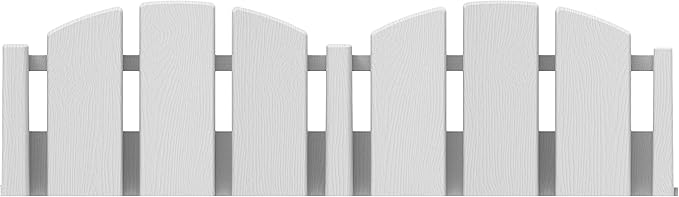
EasyFlex No-Dig Adirondack Wood-Look Fence provides a simple way to create garden borders without digging trenches. Ideal for gardeners who want a quick and clean installation, it stands out for its no-dig design that saves time and effort.
Setting it up requires just placing the edging along your flower beds, trees, or garden areas and using a rubber mallet to push the spikes into the ground. The rigid yet bendable design adjusts to straight lines or curved shapes, letting you shape your garden border exactly how you like it without extra tools or heavy work.
The edging holds firmly in place once installed, offering a defined and attractive border. The wood-look finish adds a natural feel while the integrated spikes keep it stable. Most praise the ease of installation and flexibility.
The main drawback is it may need occasional adjustments if the ground shifts over time.
EasyFlex edging is praised for how fast and simple it installs with no need for trenches or shovels. Many note it stays secure using the anchoring spikes but occasionally needs adjusting due to ground settling or shifting.
Those looking for a DIY-friendly, flexible garden border that looks natural will appreciate this product. Gardeners needing large coverage or a more permanent boundary might want to explore other solutions that offer greater area or heavier materials.
Pros
- No digging required for installation
- Bends easily to fit any garden shape
- Secure anchoring with included spikes
- Wood-look design blends with outdoor spaces
Cons
- May require occasional repositioning
- Only covers 5.62 square feet per pack
| Specification | Details |
|---|---|
| Brand Name | EasyFlex |
| Unit Count | 5.62 Square Feet |
| Included Components | Anchoring Spikes, Edging |
| Model Number | 3600WT-15C-6 |
| Manufacturer Warranty Description | 1-year manufacturer’s warranty |
Best Plants for Garden Borders Comparison Table
| Product | Use Type | Sunlight Exposure | Blooming Period | USDA Hardiness Zone |
|---|---|---|---|---|
| Metal Flower Bed Border | – | – | – | – |
| Heuchera Plum Plant Plugs | Plant | Full Sun | Summer to Winter | Zones 4-8 |
| Giant Hosta Flower Seeds | Plant | Full Sun | – | – |
| Hardy Tall Phlox Bare Root | Plant | Full Sun, Partial Shade | Mid-Late Summer to Fall | Zones 3-8 |
| Metal No Dig Garden Panels | – | – | – | – |
| Black Metal Landscape Edging | – | – | – | – |
| Plastic Garden Edging 4in | – | – | – | – |
| Purple Alyssum Flower Seeds | Plant | Full Sun | Spring to Fall | – |
| Hosta Shade Plant Seeds | Plant | Partial Shade | – | – |
| English Lavender Seeds | Plant | Indoor, Outdoor | – | – |
| Decorative Fence with Stake | – | – | – | – |
| EasyFlex Adirondack No-Dig Fence | – | – | – | – |
- Use Type–
- Sunlight Exposure–
- Blooming Period–
- USDA Hardiness Zone–
- Use TypePlant
- Sunlight ExposureFull Sun
- Blooming PeriodSummer to Winter
- USDA Hardiness ZoneZones 4-8
- Use TypePlant
- Sunlight ExposureFull Sun
- Blooming Period–
- USDA Hardiness Zone–
- Use TypePlant
- Sunlight ExposureFull Sun, Partial Shade
- Blooming PeriodMid-Late Summer to Fall
- USDA Hardiness ZoneZones 3-8
- Use Type–
- Sunlight Exposure–
- Blooming Period–
- USDA Hardiness Zone–
- Use Type–
- Sunlight Exposure–
- Blooming Period–
- USDA Hardiness Zone–
- Use Type–
- Sunlight Exposure–
- Blooming Period–
- USDA Hardiness Zone–
- Use TypePlant
- Sunlight ExposureFull Sun
- Blooming PeriodSpring to Fall
- USDA Hardiness Zone–
- Use TypePlant
- Sunlight ExposurePartial Shade
- Blooming Period–
- USDA Hardiness Zone–
- Use TypePlant
- Sunlight ExposureIndoor, Outdoor
- Blooming Period–
- USDA Hardiness Zone–
- Use Type–
- Sunlight Exposure–
- Blooming Period–
- USDA Hardiness Zone–
- Use Type–
- Sunlight Exposure–
- Blooming Period–
- USDA Hardiness Zone–
How to Choose the Perfect Garden Border Plants
Choosing garden border plants involves considering factors like growth size, climate suitability, and maintenance needs to ensure they thrive and complement your space. Selecting the right plants reduces long-term costs and effort by preventing overcrowding, overgrowth, and plant loss.
Growth Habit and Size
Choosing plants without knowing their mature height and spread often leads to overcrowded borders or plants that look out of scale. A plant that grows too tall or wide quickly will need frequent cutting back or may overshadow neighboring plants.
For many borders, plants that reach 1 to 3 feet in height with a similar spread fit well, providing neat edging without overwhelming the area. Growth rate matters because fast growers demand more attention and regular trimming, while slower growers require less upkeep but take longer to fill in.
Dense plants make better barriers and define edges clearly. Shrubs and perennials that produce thick foliage close to the ground block weeds and create a tidy line.
Thin or loosely branched plants look sparse and may fail to give the defined edge needed. Look for plants labeled with compact or bushy growth habits to ensure effective coverage.
Climate and Soil Compatibility
Plants suited to your local climate save time and increase survival chances. Species rated for USDA zones matching your region adapt naturally to temperature swings. Ignoring zone compatibility risks plant die-back in winter or heat stress in summer.
Soil preferences also affect success; acidic lovers fail in alkaline soils and vice versa. Soil drainage is critical too because waterlogged roots cause rot, while sandy soils may need extra irrigation.
Consider drought tolerance in areas with dry spells. Those requiring consistent moisture demand attention or irrigation systems. A plant’s tolerance to dry conditions can often be found in its descriptions.
Matching these needs to your garden minimizes work and improves plant health.
Maintenance and Care
Maintenance varies widely among common border plants. Some require pruning only once after flowering, while others need monthly trimming to keep a tidy edge.
Ignoring this can lead to overgrown or unruly borders that detract from a garden’s appearance. Plants prone to certain pests or diseases also need regular checking and treatment, which adds to upkeep time.
Feeding schedules often depend on soil fertility and plant type. Heavy feeders need regular fertilization, while many perennials thrive without much extra feeding.
Consistent watering is often overlooked but crucial; plants recovering from stress take longer to establish, especially in the first season. Knowing these needs upfront helps avoid surprises later.
Seasonal Interest and Aesthetics
Planting borders that look dull outside the peak growing season can make a garden feel empty. Those providing interest across several seasons reduce this problem by offering flowers, changing foliage colors, or interesting textures at different times of the year.
A mix of evergreen and deciduous plants maintains structure during winter months when deciduous species lose leaves.
Texture and form add depth and contrast to border designs. Broad-leafed plants sit well beside fine, needle-like foliage. Rounded shapes soften edges while upright forms create vertical lines.
Choosing plants that complement rather than clash with the surrounding garden gives a more cohesive look.
Wildlife and Environmental Impact
A border that supports pollinators helps keep other plants productive and encourages biodiversity. Flowers that attract bees, butterflies, and other beneficial insects make the garden healthier. On the other hand, invasive species often spread beyond their intended area and disrupt local ecosystems, causing more harm than good.
Native plants are generally better adapted to local wildlife and ecosystems, providing food and shelter for native insects and birds. Non-native species sometimes require more care and do not support local fauna as well.
Considering a plant’s environmental impact leads to a more sustainable garden in the long run.
Best Practices for Arranging Plants to Enhance Garden Borders
Choosing plants with varying heights and textures creates depth along garden borders. Taller plants should be placed at the back to avoid shading shorter ones, allowing each plant room to grow.
Grouping plants with similar sunlight and watering needs simplifies care and reduces the risk of stress. Using evergreens alongside flowering plants keeps borders attractive year-round without fading to bare patches.
Consider these layout points:
- Arrange plants in odd numbers for a natural look
- Mix foliage colors to add visual interest beyond blooming seasons
- Include groundcovers to suppress weeds and fill gaps
- Account for mature plant size to avoid crowding
This approach ensures garden borders look balanced and inviting through different seasons.
Essential Maintenance Tips to Keep Garden Borders Healthy and Vibrant
Regular watering is crucial, especially during dry spells, but overwatering can lead to root rot. Checking soil moisture before watering helps keep plants healthy. Mulching around plants reduces evaporation, keeps soil temperature stable, and decreases weed growth.
Deadheading spent flowers encourages some plants to bloom longer and prevents seed formation that can sap energy.
Additional maintenance tasks include:
- Pruning to maintain shape and remove diseased or damaged stems
- Monitoring for pests and taking action early to limit damage
- Fertilizing in spring or early summer with balanced nutrients to support growth
- Cleaning up fallen debris to reduce fungal infections
Consistent care keeps garden borders vibrant without demanding excessive time.
Comparing Perennial and Annual Plants for Long-Lasting Garden Borders
Perennials return each year, making them ideal for garden borders that require less replanting. They tend to establish deep roots, improving soil stability.
Annuals provide intense seasonal color but need replanting every year to maintain vibrancy. Combining both types extends the visual appeal of borders throughout the growing season.
- Perennials usually need 1-2 years to reach full size but offer longevity
- Annuals can fill gaps or add bright accents where perennials haven’t matured
- Perennials often handle harsh weather better once established
- Annuals allow for easy seasonal changes and experimenting with different colors
Balancing perennials and annuals in borders provides structure and fresh interest year after year.
People Also Asked
What Plants Are Best for Low-Maintenance Garden Borders?
Lavender and ornamental grasses are good options for low-maintenance garden borders. These plants need little watering after establishment and rarely require pruning beyond occasional tidying.
How Tall Do Common Border Plants Typically Grow?
Common border plants usually grow between one to three feet tall. This height works well for defining a border without overwhelming surrounding plants or blocking views.
Are Border Plants Safe for Pets and Children?
Some border plants like marigolds and snapdragons are safe around pets and children, but others may be toxic. Checking specific plant safety before planting is advisable.
What Plants Grow Well Together Along Garden Edges?
Boxwood, hydrangea, and hostas often grow well together along garden edges because they have similar sunlight and moisture needs. Group plants with matching care requirements to keep the border healthy.
How Often Should Border Plants Be Watered and Fertilized?
Border plants generally need watering once or twice weekly, more during dry spells. Fertilizing in spring and mid-summer helps promote growth without overfeeding, which can stress the plants.
Conclusion
Choosing plants for garden borders comes down to a few key points: how well they suit your local climate, the space they need to grow without crowding, and the level of maintenance you’re willing to do. These factors will affect how well the plants perform and how tidy your border looks over time.
Match your plant choices to the size of your border and how much time you want to spend on care. Some plants need pruning or trimming more often, while others can handle neglect. Check the comparison table and detailed picks above to find options that fit your specific garden and routine.

I’m Jake Thompson, and I’ve spent over a decade working on lawn mowers, from small push mowers to big riding tractors. I write about starting problems, blade sharpening, carburetor cleaning, oil changes, and seasonal maintenance. My goal is to give you clear, step-by-step advice so you can handle common mower issues yourself and keep your lawn looking sharp all season.