Top 12 Best Carrots to Grow for Perfect Garden Harvests!
Many gardeners have experienced the frustration of planting carrots that turn out woody, misshapen, or stunted. Choosing the best carrots to grow involves more than just picking any seed packet on the shelf.
Factors like soil type, carrot variety, and climate play a significant role in the success of your crop, yet the right seed selection can make the biggest immediate difference.
Good carrot seeds tend to have high germination rates, often above 80 percent, and are suited for the length of your growing season, typically 60 to 75 days. The size and shape of the variety also matter, longer, tapered carrots work better in deep, loose soil, while shorter, rounder carrots are preferred for shallow, dense earth. Lastly, disease resistance, especially to carrot root fly and leaf blight, is an important consideration to reduce crop loss without chemical treatment.
Need a Quick Check?
| Image | Product | Price |
|---|---|---|
Our Top Picks 1  | Organic Scarlet Nantes Seeds | Check Price |
Our Top Picks 2 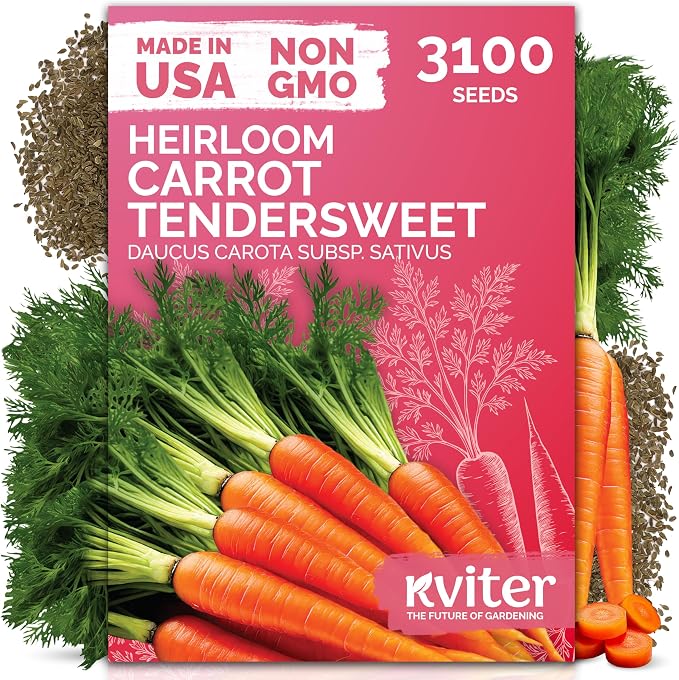 | Tendersweet Heirloom Carrots | Check Price |
Our Top Picks 3  | TKE Tendersweet Carrot Seeds | Check Price |
Our Selected Top 12 Carrots to Grow Worth Buying
This list features a variety of carrot varieties ideal for different growing conditions and tastes. Each review explains how well the carrots perform, who they are best suited for, and highlights their main advantages and potential drawbacks to help you choose the right ones for your garden.
1. Organic Scarlet Nantes Carrot Seeds
Choosing carrot seeds that promise sweet, crunchy roots with reliable growth makes a big difference, especially for those wanting a healthy organic option. Ideal for gardeners looking to grow outdoors in full sun, these Scarlet Nantes seeds are notable for their high germination rate and drought tolerance, supporting consistent yields in a range of conditions.
Planting these seeds is straightforward during spring or summer in sandy soil, making them an easy pick for a typical home garden. They require regular watering and benefit from frosts as these help convert starches to sugars, improving flavor.
Being open-pollinated and non-GMO, the seeds encourage natural pollinator activity that helps maintain garden biodiversity.
Scarlet Nantes carrots develop beautifully with fine-grained, coreless flesh and a crisp texture perfect for juicing or snacking. The seeds are freshly packed for the current season and remain viable next year, ensuring great start-to-finish performance. Most praise their sweetness and crunch, with the occasional note about their need for consistent watering to avoid stress.
Sweetness and crunch are consistently praised, with many pointing out how frosts bring out the flavor. The most common issue mentioned is the need for steady watering to prevent growth issues, which gardeners should plan for.
Those growing carrots outdoors in zones 3 through 9 and willing to maintain regular watering will appreciate this seed variety. Gardeners with heavier soils or who want low-maintenance growth may want to consider other options better suited to those conditions.
Pros
- Non-GMO and certified organic seeds
- High germination rate for reliable growth
- Drought tolerant once established
- Attracts pollinators naturally
Cons
- Requires consistent watering to avoid stress
- Prefers sandy soil, limiting some garden types
| Specification | Details |
|---|---|
| Sunlight Exposure | Full Sun |
| Expected Planting Period | Spring to Summer |
| Soil Type | Sandy Soil |
| Moisture Needs | Regular Watering |
| USDA Hardiness Zone | 3,4,5,6,7,8,9 |
2. Tendersweet Heirloom Carrot Seeds
Growing your own carrots can be tricky, especially getting that sweet, tender root just right. These seeds suit gardeners looking for easy-to-grow, sweet carrots with high sugar content perfect for fresh eating or cooking. Their strong point lies in producing coreless, tender carrots that really taste great.
Planting these seeds is straightforward since they are designed for outdoor direct sowing. Best results come from planting them 2-3 weeks before the last frost in half an inch of soil under full sun.
Sow them every two weeks for continuous harvests over the growing season. Regular watering keeps the soil ideal, especially since sandy soil suits their growth. A growing guide helps step through every stage for a low-maintenance experience.
The roots grow 9-10 inches long and stay tender without cores, making them delicious. Germination happens in about two to three weeks, showing a reliable high success rate. The seeds perform well in USDA zones 3-10, making them versatile for many home gardens across various climates.
One common downside mentioned is the need for regular watering and proper soil conditions to avoid poor growth, but once established, the carrots consistently taste sweet and tender.
Seed germination is reliable, usually occurring within 14-21 days, leading to consistent carrot crops of sweet and coreless roots. Most users note the need to maintain proper moisture and sun exposure as the main challenges during growth.
Gardeners with moderate experience or those living in USDA zones 3-10 who can provide full sun and keep the soil moist will find these carrot seeds rewarding. Those unable to meet these conditions might seek varieties more tolerant to shade or dry soil.
Pros
- High germination rate for dependable sprouting
- Produces sweet, coreless, tender roots
- Suitable for a wide range of USDA zones
- Includes a detailed growing guide
Cons
- Requires regular watering and specific soil
- Needs full sun for best results
| Specification | Details |
|---|---|
| USDA Hardiness Zone | 3-10 |
| Expected Plant Height | 12 inches |
| Moisture Needs | Regular Watering |
| Sunlight Exposure | Full Sun |
| Soil Type | Sandy Soil |
| Expected Blooming Period | Summer |
3. TKE Farms Tendersweet Carrot Seeds
Quick and uniform germination defines TKE Farms Tendersweet Carrot Seeds, making them ideal for gardeners wanting a reliable, sweet carrot crop. Suitable for outdoor growing in a range of soil types, these seeds offer consistent results with minimal fuss for both beginners and experienced growers.
Planting is straightforward with the seeds thriving best in loam soil and full sun exposure. Regular watering is needed from March through July, with the plants expecting to grow about 12 inches tall. These carrots grow well in garden beds or containers and resist common pests, requiring little maintenance to keep them healthy.
These seeds produce a high germination rate and offer strong uniformity from start to finish, producing tender carrots prized for their sweetness. Growing in USDA zones 3-10, they are hardy and adapt to various outdoor conditions.
Most praise highlights their quick sprouting, while some note they need steady moisture to avoid growth issues.
Perfectly even sprouting and reliable growth make these seeds a favorite for sweet carrot lovers. The need for regular watering stands out as the most frequent challenge in keeping the plants thriving.
Gardeners looking for an easy-to-grow, pest-resistant carrot will find these seeds a smart choice. Those without steady sun or time for consistent watering might want to explore other options less sensitive to moisture and light conditions.
Pros
- High germination rate ensures plenty of seedlings
- Thrives in a range of soil types
- Resistant to common pests
- Suitable for containers and garden beds
Cons
- Needs consistent watering to prevent growth problems
- Growth can be slow without full sun exposure
| Specification | Details |
|---|---|
| Expected Plant Height | 12 inches |
| Sunlight Exposure | Full Sun |
| Expected Planting Period | March through July |
| Soil Type | Loam Soil |
| USDA Hardiness Zone | 3-10 |
| Moisture Needs | Regular Watering |
4. Discovery Edible Veggie Garden Kit
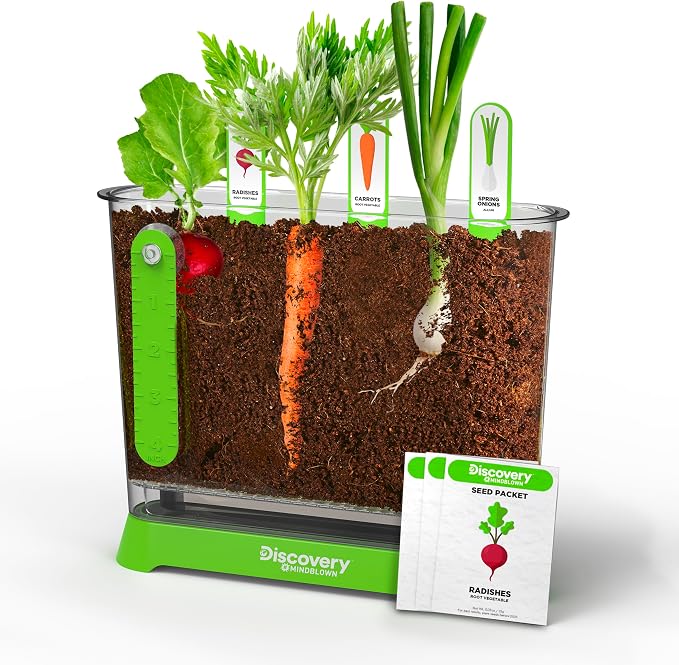
Great for kids aged 6 to 15, especially those curious about science and gardening, this kit offers a hands-on way to grow carrots and other vegetables. Its biggest strength is the clear container that lets you watch roots develop underground, making plant growth easy to understand and exciting.
Setting it up involves unpacking the included garden container, potting mix, and seed packets, then planting seeds with the provided tools. Daily care is simple, just adding water and watching progress through the transparent sides.
Seed ID flags help keep track of what’s planted, and the root ruler offers a fun measurement tool. It turns growing veggies into a clear, educational process for kids.
The kit’s main job is growing vegetables in a way that teaches how roots and shoots emerge. It handles this well, showing growth stages from beneath the soil. Built with a durable clear plastic container and drainage tray, it supports healthy seedlings while avoiding water pooling.
A common praise highlights the visibility of root growth, while some note the size may limit the number of plants you can grow.
Visibility of root development is a standout feature and greatly appreciated. However, many find the container size limits how many carrots and other veggies can grow simultaneously, which might disappoint those wanting a bigger garden. It really shines as an educational tool more than a large-scale growing solution.
Kids eager to learn about plant biology and enjoy hands-on STEM activities will find this kit rewarding. Those looking to grow large quantities of carrots or more mature plants might need a different, bigger setup better suited to outdoor gardening.
Pros
- Clear container reveals root growth
- Comes with all necessary materials
- Includes tools to measure plant growth
- Seed ID flags keep things organized
Cons
- Limited space restricts number of plants
- Mostly aimed at younger gardeners
| Specification | Details |
|---|---|
| Brand Name | Discovery |
| Recommended Age | 6 – 15 years |
| Included Components | Garden Container, Growing Tools, Potting Mix, Seeds |
| Set Name | Edible Veggie Garden |
| Number of Packs | 5 |
5. Organic Rainbow Blend Carrot Seeds

Organic Rainbow Blend Carrot Seeds stand out by producing carrots in various colors while being non-GMO and organic. Ideal for gardeners wanting to add visual appeal and sweetness to their outdoor beds, they thrive in sandy soil and attract pollinators, making them suited for a range of USDA hardiness zones.
Starting these seeds requires planting during spring to summer in full sun or partial shade. Regular watering keeps them healthy, though they tolerate drought well once established.
As they mature, frost naturally encourages the carrots to store sugars, improving their sweetness without extra effort. The high germination rate makes starting the garden straightforward and rewarding.
These seeds reliably grow sweet, juicy carrots ranging from 6 to 8 inches long, adding color and flavor to meals. Packaged fresh each season, their germination remains high into the next year.
Some gardeners mention the need for patience, as growth can be slower in less optimal conditions. They perform well outdoors and appeal to those who enjoy organic, heirloom varieties.
The seeds produce a vibrant and tasty blend of carrots, with freshness promoting a high success rate in sprouting. Patience is needed, as some conditions slow growth more than others, which may frustrate some growers.
Gardeners looking for an organic, colorful carrot variety that adapts to various outdoor zones will appreciate these seeds. Those wanting faster or indoor cultivation might consider different options suited to those needs.
Pros
- Produces colorful, sweet carrots
- High germination rate for fresh seeds
- Attracts pollinators to the garden
- Drought tolerant once established
Cons
- Growth can be slow in some conditions
- Suitable only for outdoor planting
| Specification | Details |
|---|---|
| Indoor/Outdoor Usage | Outdoor |
| Sunlight Exposure | Full Sun to Partial Shade |
| Expected Planting Period | Spring to Summer |
| Soil Type | Sandy Soil |
| USDA Hardiness Zone | 3,4,5,6,7,8,9,10,11 |
| Moisture Needs | Regular Watering |
6. Tendersweet Carrot Seeds

Burpee Tendersweet Carrot Seeds offer a large batch of 3,750 seeds that are perfect for gardeners looking to grow sweet and tender carrots reliably. Their biggest strength lies in producing uniform, smooth carrots prized for their sweetness, great for any home garden setup.
Sowing these seeds is straightforward, ideal for both garden beds and raised planters thanks to their dependable germination. The seeds are packed fresh specifically for the 2026 growing season, ensuring vigorous growth. Day-to-day care focuses on routine watering and soil maintenance, with plenty of seeds available to plant over a large area or successive crops.
Performance-wise, the carrots consistently develop with minimal core, making them tender and easy to enjoy raw or cooked. The seed quality supports strong, steady growth and abundant yields. Some have noted that spacing and thinning are crucial due to the quantity of seeds, but the vast seed count is a major advantage for extended growing seasons or sharing.
The seeds yield a high volume of uniformly tender, vibrant carrots prized for their sweetness, though proper spacing and thinning are needed because of the large seed quantity. Most appreciate the fresh packing for the 2026 season that supports reliable growth and consistent root development.
Gardeners wanting a steady supply of sweet, coreless carrots will find these seeds a great fit. Those with limited gardening space or new to carrot thinning may prefer smaller seed packets or varieties that need less thinning management.
Pros
- High seed count for multiple plantings
- Produces tender, sweet carrots with minimal core
- Seeds packed fresh for 2026 growth season
- Works well in both beds and raised planters
Cons
- Requires careful thinning after germination
- Large seed quantity might overwhelm small gardens
| Specification | Details |
|---|---|
| Seed Count | 3,750 PREMIUM SEEDS |
| Item Weight | 4.54 g |
| Packaging Year | Fresh for 2026 Growing Season |
| Root Type | Smooth, Vibrant Orange |
| Texture | Sweet, Tender, Coreless |
7. Home Grown Tendersweet Carrot Seeds

Growing carrots at home becomes rewarding with these Tendersweet seeds, perfect for anyone who enjoys fresh, naturally sweet vegetables. Their outstanding orange color and consistent growth make them a standout in garden beds, patios, or ridges, suited especially for those who appreciate rich flavor and high nutrition in their harvest.
Preparing the soil with loam and planting during spring or summer follows naturally from the recommended care routine. These seeds require full sun and regular watering to thrive.
Planted indoors or outdoors, their high germination rate ensures a good start and makes it easy to maintain a healthy carrot crop through the blooming period from spring to summer.
The Sugar Monarch variety produces bright neon-orange carrots that grow to about 8 inches tall. Their unique fiber-free texture and concentrated sweetness confirm why they are favored for baking and juice.
Most find the germination rate consistently high, though occasional watering lapses can affect growth. The seeds come non-GMO and untreated, appealing to those seeking a natural garden option.
Most praise these seeds for their sweet flavor and high germination rate, which leads to satisfying growth and great-tasting carrots. The main drawback noted involves the need for regular watering and soil preparation to keep the plants healthy and producing well.
Gardeners who have access to loam soil and can provide regular care will appreciate this variety’s vibrant color and sweet taste. Those seeking a low-maintenance option or differing soil types might want to explore other carrots better suited for their conditions.
Pros
- High germination rate for reliable sprouting
- Bright neon-orange, fiber-free flesh
- Non-GMO and untreated seeds
- Suitable for indoor and outdoor planting
Cons
- Requires consistent watering to avoid growth issues
- Ideal soil type limited to loam
| Specification | Details |
|---|---|
| Indoor Outdoor Usage | Indoor, Outdoor |
| Sunlight Exposure | Full Sun |
| Expected Blooming Period | Spring to Summer |
| Soil Type | Loam Soil |
| Expected Plant Height | 8 inches |
| Expected Planting Period | Spring, Summer |
8. Heirloom Carrot Variety Seed Pack

Perfect for gardeners wanting a colorful variety, this seed pack offers ten unique carrot types at great value. Its biggest strength lies in the range of heirloom seeds included, bringing diversity to both indoor and outdoor gardens throughout the year.
Planting is straightforward with seeds sorted into individual packets inside a waterproof resealable bag. Tools like seed dibbers and tweezers make sowing in potting mix or loam soil easier. These seeds adapt well to partial sun and need moderate to regular watering, making daily care manageable in almost any season.
Growth stays consistent with an average height of about eight inches, producing different carrot colors and shapes as expected. The seed variety pack is praised for its wide planting range across USDA zones 2 to 11. Some note a preference for more specific growth instructions, but the kit covers basics well and supports year-round planting.
The seed pack is praised for the variety of carrot types and tools included, making it easy to get started across all seasons. The most common complaint involves a desire for clearer guidance on individual carrot care to boost germination success.
Gardeners seeking a diverse carrot crop with flexibility in planting times will enjoy the pack’s range. Those looking for intensive or highly specific carrot-growing advice might prefer options with more detailed instructions tailored to each variety.
Pros
- Includes 10 unique heirloom carrot seed varieties
- Waterproof resealable bag with individual seed packets
- Comes with mini gardening tools for planting
- Plants grow year round in USDA zones 2 to 11
Cons
- Lacks detailed instructions for specific carrot care
- Some varieties may require more attention to germinate
| Specification | Details |
|---|---|
| Indoor Outdoor Usage | Indoor, Outdoor |
| Expected Blooming Period | Year Round |
| Sunlight Exposure | Partial Sun |
| Expected Plant Height | 8 inches |
| USDA Hardiness Zone | 2, 3, 4, 5, 6, 7, 8, 9, 10, 11 |
| Soil Type | Loam Soil, Potting Mix |
9. Rainbow Carrot Seeds

Seed selection focuses on heirloom rainbow varieties grown outdoors, perfect for gardeners wanting a colorful and nutritious carrot patch. Its biggest strength lies in offering five distinct colors and flavors, all maturing together, which simplifies harvesting and adds variety to meals.
Planting requires direct sowing in well-drained sandy soil with a pH between 6.0 and 6.8. Seeds go ¼ to ½ inch deep and need thinning to 2-3 inches apart, with 12-18 inches between rows for space. Full sun exposure suits these carrots well, and they grow best in zones 3-11 during the cooler seasons from spring to fall.
Growth and flavor diversity stand out, with each carrot color delivering unique nutrients like anthocyanins, lycopene, and lutein. The seeds have a high germination rate, ensuring good sprouting. Some find the required thinning and soil preparation a bit demanding, which takes patience but pays off with a vibrant, nutritious crop.
Gardeners appreciate the diverse colors and healthy nutrient variety in one harvest, making it both fun and worthwhile. The most frequent drawback mentioned is the need for careful soil preparation and thinning, which demands attention to detail and time.
Anyone looking for a vibrant, nutrient-rich carrot mix that grows well in cool seasons and a range of climates will be pleased. Those wanting quick, low-maintenance carrots might look for simpler varieties requiring less soil work and spacing.
Pros
- Five heirloom colors with unique flavors
- High germination rate
- Similar maturity time for easy harvest
- Thrives in a wide range of USDA zones
Cons
- Needs patient thinning to avoid crowding
- Requires specific soil conditions for best growth
| Specification | Details |
|---|---|
| USDA Hardiness Zone | 3-11 |
| Maturity Time | 65-75 days |
| Sunlight Exposure | Full Sun |
| Sowing Depth | ¼-½ inch deep |
| Row Spacing | 12-18 inches |
| Thinning | 2-3 inches apart |
10. Little Finger Carrot Seeds

Little Finger Carrot Seeds offer a compact and sweet baby carrot variety perfect for those with limited garden space or container setups. They stand out by producing uniform, crisp roots that are quick to mature, making them a great choice for beginners and urban gardeners looking for easy yet rewarding crops.
Planting these carrots is straightforward since they thrive in full sun and adapt well to most soil types, especially loam. They fit well in raised beds or pots, requiring only moderate watering.
Their fast-growing nature means you can expect a harvest in about 60 days, making them suitable for kids or anyone eager to see results sooner rather than later.
These carrots deliver sweet, crisp roots consistently, benefiting from their disease and pest resistance, which helps reduce maintenance. While praised for their high germination rate and drought tolerance, some mention the small size limits their use beyond fresh snacking or gourmet dishes.
Still, their compact height and low care requirements make them an ideal fit for small spaces and busy gardeners.
High germination rate and ease of growth are the strongest points, making gardening simple and rewarding. Most often, the small size of the carrots limits their use to fresh snacking or gourmet meals rather than larger cooking needs.
Anyone with space constraints or beginners looking for quick results will enjoy these carrots. Those needing bigger carrots for extensive cooking or storage might want to consider other varieties.
Pros
- Fast-maturing, harvest in about 60 days
- Compact growth ideal for containers
- Disease and pest resistant
- Sweet and uniform roots
Cons
- Small size limits versatility
- Untreated seeds require careful planting
| Specification | Details |
|---|---|
| Sunlight Exposure | Full Sun |
| Expected Plant Height | 6 inches |
| USDA Hardiness Zone | 2-11 |
| Soil Type | Loam Soil |
| Moisture Needs | Moderate Watering |
11. Scarlet Nantes Carrot Seeds

Scarlet Nantes Carrot Seeds stand out for their drought tolerance, making them a great pick for gardeners in regions with less reliable rainfall. Suitable for outdoor growing, these seeds thrive in full sun and are perfect for anyone wanting to grow carrots in loam soil from spring to fall.
Sowing the seeds outdoors requires regular watering despite their drought tolerance to keep the soil moist and promote growth. These carrots flourish best in loam soil where roots can spread comfortably.
Expect planting from spring through fall, offering a long growing season. The plants enjoy full sun exposure, which helps them develop the sweet, tender roots that Nantes carrots are known for.
The Scarlet Nantes carrots grow well across USDA zones 2 to 10, showing resilience in various climates. The drought tolerance reduces watering stress but doesn’t eliminate the need for regular care. Most praise highlights their reliable sprouting and sweet flavor, while some note that inconsistent watering can slow growth.
These seeds are straightforward but need attention to soil moisture for best results.
These seeds reliably produce flavorful and tender carrots, praised for their drought tolerance, though consistent watering remains necessary for optimal growth. Most find them dependable but note that drought tolerance is not a substitute for regular moisture.
Gardeners in USDA zones 2 to 10 looking for carrots that can handle occasional dry spells will be pleased with these seeds. Those with non-loam soil or irregular water availability may want to consider other varieties more suited to their conditions.
Pros
- Drought tolerant for less frequent watering
- Suitable for a wide range of USDA zones
- Long planting period from spring to fall
- Thrives in full sun exposure
Cons
- Needs regular watering despite drought tolerance
- Only suited for loam soil types
| Specification | Details |
|---|---|
| Indoor Outdoor Usage | Outdoor |
| Drought Tolerant | Yes |
| Sunlight Exposure | Full Sun |
| Expected Planting Period | Spring to Fall |
| USDA Hardiness Zone | 2-10 |
| Soil Type | Loam Soil |
| Moisture Needs | Regular Watering |
12. Sow Right Kuroda Carrot Seeds

Finding a carrot seed that thrives even in warmer weather can be tricky, but these are well suited for gardeners in USDA zones 3 to 12 looking for reliable and flavorful roots. Their standout feature is heat tolerance, making them ideal for juicing and growing in sunny spots where other carrots might struggle.
Planting happens in early spring with seeds spaced about 24 to 36 inches apart in full sun and sandy soil, covered just a quarter inch deep. Germination takes 8 to 12 days with soil temperatures between 50 and 65°F. Regular watering supports development, and the roots mature in roughly 85 to 100 days, giving fresh carrots for fall harvest.
The carrots reach 8 to 10 inches tall and spread about 6 to 10 inches, producing crisp, deep orange roots that are smooth with a short, blunt shape. They work well for juicing with their sweet flavor.
The highest praise notes their successful germination and adaptability to heat, while common feedback points to the need for enough space and patience during the longer growing season.
Seeds tend to germinate reliably within the expected 8-12 days and produce smooth, flavorful roots suited for juicing. Some find the wide spacing requirement limits garden layout options and the 85-100 day maturity requires patience.
Those growing in warm climates or USDA zones 3 to 12 will appreciate these for steady growth and heat tolerance. Gardeners with limited space or needing quicker harvests might want to consider faster or more compact alternatives.
Pros
- High germination rate from 800mg packet
- Tolerant of heat better than most carrots
- Deep orange color excellent for juicing
- Matures in 85-100 days in full sun
Cons
- Requires wide spacing of 24-36 inches
- Longer growing period compared to some varieties
| Specification | Details |
|---|---|
| Indoor Outdoor Usage | Indoor, Outdoor |
| Expected Blooming Period | Fall |
| Sunlight Exposure | Full Sun |
| Expected Planting Period | Spring |
| USDA Hardiness Zone | 3 |
| Soil Type | Sandy Soil |
Best Carrots to Grow Comparison Table
| Product | Usage | Special Features | Planting Period | USDA Hardiness Zone |
|---|---|---|---|---|
| Organic Scarlet Nantes Seeds | Outdoor | Attracts Pollinators, Drought Tolerant | Spring to Summer | 3-9 |
| Tendersweet Heirloom Carrots | Outdoor | Growing Guide, Low Maintenance | Spring to Summer | 3-10 |
| TKE Tendersweet Carrot Seeds | Outdoor | Compact, Low Maintenance, Pet Friendly | March to July | 3-10 |
| Discovery Veggie Garden Kit | – | Garden Container, Tools, Seeds | – | – |
| Organic Rainbow Blend Seeds | Outdoor | Attracts Pollinators, Drought Tolerant | Spring to Summer | – |
| Classic Tendersweet Carrot Seeds | – | – | – | – |
| Home Grown Tendersweet Seeds | Indoor, Outdoor | Gift, High Germination | – | – |
| Heirloom Carrot Variety Pack | Indoor, Outdoor | Year Round Bloom, Partial Sun | Year Round | 2-11 |
| Rainbow Carrot Seeds | Outdoor | High Germination Rate | Spring to Fall | 3-11 |
| Little Finger Carrot Seeds | Outdoor | Disease & Pest Resistant | Spring to Fall | 2-11 |
| Scarlet Nantes Carrot Seeds | Outdoor | Drought Tolerant | Spring to Fall | 2-10 |
| Sow Right Kuroda Seeds | Indoor, Outdoor | High Germination Rate | Spring | 3 |
- UsageOutdoor
- Special FeaturesAttracts Pollinators, Drought Tolerant
- Planting PeriodSpring to Summer
- USDA Hardiness Zone3-9
- UsageOutdoor
- Special FeaturesGrowing Guide, Low Maintenance
- Planting PeriodSpring to Summer
- USDA Hardiness Zone3-10
- UsageOutdoor
- Special FeaturesCompact, Low Maintenance, Pet Friendly
- Planting PeriodMarch to July
- USDA Hardiness Zone3-10
- Usage–
- Special FeaturesGarden Container, Tools, Seeds
- Planting Period–
- USDA Hardiness Zone–
- UsageOutdoor
- Special FeaturesAttracts Pollinators, Drought Tolerant
- Planting PeriodSpring to Summer
- USDA Hardiness Zone–
- Usage–
- Special Features–
- Planting Period–
- USDA Hardiness Zone–
- UsageIndoor, Outdoor
- Special FeaturesGift, High Germination
- Planting Period–
- USDA Hardiness Zone–
- UsageIndoor, Outdoor
- Special FeaturesYear Round Bloom, Partial Sun
- Planting PeriodYear Round
- USDA Hardiness Zone2-11
- UsageOutdoor
- Special FeaturesHigh Germination Rate
- Planting PeriodSpring to Fall
- USDA Hardiness Zone3-11
- UsageOutdoor
- Special FeaturesDisease & Pest Resistant
- Planting PeriodSpring to Fall
- USDA Hardiness Zone2-11
- UsageOutdoor
- Special FeaturesDrought Tolerant
- Planting PeriodSpring to Fall
- USDA Hardiness Zone2-10
- UsageIndoor, Outdoor
- Special FeaturesHigh Germination Rate
- Planting PeriodSpring
- USDA Hardiness Zone3
How to Choose the Best Carrots to Grow
Choosing the right carrots to grow depends on factors like climate adaptability, soil type, and desired size or flavor. Picking varieties suited to your local conditions helps ensure healthy growth, reduces the risk of pests or disease, and saves time and resources throughout the growing season.
Climate Adaptability
Some carrot varieties can survive a light frost, while others wilt or fail to develop properly in cold weather. Varieties suited for cooler climates often have a longer growing season, sometimes up to 100 days, which means planning for early planting and patient waiting. Those designed for warmer zones usually mature faster but risk heat stress, which can cause them to become woody or bitter.
Choosing a type that matches the local climate avoids wasted effort and disappointing harvests. A good variety should tolerate temperature swings common in your growing zone and offer resistance to stress arising from heat or cold.
For example, frost-resistant carrots tend to have better root texture after cold snaps, and heat-tolerant ones keep sweetness instead of drying out. Opt for varieties labeled with your USDA zone or ones known to mature within your growing season length.
Root Shape and Size
Garden beds or containers often limit how long a carrot root can grow. Some varieties reach 8-10 inches, fitting well in deep raised beds, while others stay shorter and rounder, ideal for shallow soil or pots. Long roots can be tricky to harvest in cramped or stony soil and sometimes break, but they offer classic shapes for slicing and cooking.
Thicker carrots are generally easier to pull and handle, especially in home gardens without heavy tools. They also tend to have a better balance of tenderness and crunch for cooking.
Root diameters around 1 to 1.5 inches hit a practical sweet spot, while very narrow ones are prone to being stringy. Pick shapes and sizes that fit your garden dimensions and kitchen preferences.
Disease and Pest Resistance
Carrot rust fly larvae can devastate a patch, boring into roots if the variety isn’t resistant. Some carrots handle this pest better due to natural traits that deter the flies. Fungal infections like Alternaria leaf blight or bacterial diseases common in humid areas also reduce harvest size and quality.
Varieties with built-in resistance cut down on chemical treatments and crop loss, which makes the growing season less stressful. Good disease resistance often translates to more consistent root development and healthier foliage throughout the season. Checking seed catalogs for resistance ratings or local recommendations helps avoid problems that otherwise require constant monitoring and intervention.
Flavor and Color Variety
Most carrots grow in the familiar orange, but purple, yellow, red, and white types offer different flavors and visual appeal. Purple carrots can taste slightly spicier, while yellow varieties are often milder and sweeter.
The classic orange balance of earthiness and sugar is ideal for many cooks, but colorful roots add variety especially in salads or specialty dishes.
Choosing the right flavor profile depends on how the carrots will be used – sweeter types often suit raw eating best, while earthier ones work well roasted or in stews. Color also affects interest at the market or dinner table, helping stand out among standard offerings.
Trying several colors can lead to a varied and enjoyable growing experience.
Growing Difficulty and Maintenance
Certain types require frequent watering and careful thinning to avoid crowded, forked roots, adding to garden chores. Some grow well in poorer soils, but most carrot varieties prefer loose, well-drained earth rich in organic matter for best results. Roots can be sensitive to hard soil, making cultivation more labor-intensive.
Varieties that mature more evenly reduce harvest time since all roots are ready together. Others may produce varied sizes, needing extra sorting or storage attention. Some carrots store better, keeping texture through winter months, while others need quick use.
Selecting types with manageable maintenance and known storage life fits better with real-world gardening schedules.
H2 Organic Methods for Enhancing Carrot Growth and Flavor
Carrots respond well to organic soil amendments that improve texture and nutrient content. Mixing aged compost or well-rotted manure into the planting bed helps carrots develop sweeter roots by providing steady nutrients. Avoid heavy nitrogen fertilizers, which encourage foliage over root growth.
Crop rotation is another practical technique to reduce pests and diseases that affect carrots. Growing carrots in a different spot each year prevents soil buildup of carrot fly larvae and fungal problems. Mulching with straw or grass clippings keeps the soil moist and suppresses weeds without chemicals.
Key methods to support carrot growth and flavor:
- Use loose, sandy loam soil enriched with compost
- Maintain consistent soil moisture during root formation
- Practice crop rotation to minimize pests and diseases
- Apply organic mulch to conserve moisture and reduce weeds
- Avoid over-fertilizing with nitrogen to prevent tough roots
H2 Common Mistakes to Avoid When Planting and Harvesting Carrots
Planting carrots too deeply can result in poor germination and misshapen roots. Seeds should be sown about a quarter to half an inch deep to allow proper sprouting.
Overcrowding seedlings leads to competition for nutrients, so thinning to 1-2 inches apart early on is essential.
Harvesting carrots too early produces smaller roots, while leaving them in the ground too long risks splitting and woody texture. Monitor root size by gently brushing soil off to check maturity rather than pulling prematurely.
Avoid harvesting during very dry or hot periods to reduce stress on the roots.
Common mistakes to watch out for:
- Planting seeds too deep or too close together
- Not thinning seedlings promptly
- Harvesting carrots before they reach mature size
- Leaving carrots in soil past optimal maturity
- Exposing roots to extreme temperatures during harvest
H2 Comparing Heirloom Versus Hybrid Carrot Varieties for Home Gardens
Heirloom carrot varieties tend to have more intense and diverse flavors but often require specific soil and climate conditions to perform well. They are usually open-pollinated, meaning seeds can be saved for the next season with consistent characteristics. Many heirlooms feature unique colors and shapes, adding visual interest to the garden.
Hybrid carrots are bred for uniformity, disease resistance, and higher yields. They often mature faster and produce consistent root sizes, which can be helpful for first-time gardeners.
Hybrid seeds do not reliably produce true-to-type plants if saved, so purchasing new seed each year is necessary.
Considerations for choosing varieties:
- Heirlooms offer traditional flavors and seed saving options
- Hybrids provide predictable results and resistance to common diseases
- Match variety choice to garden conditions and growing goals
- Look for varieties suited to your climate and soil type
People Also Asked
How Long Do Carrots Typically Take to Grow in Home Gardens?
Carrots usually take about 70 to 80 days to mature in a home garden. Thinning seedlings early on helps ensure the roots have enough space to grow straight and large.
What Is the Ideal Soil Type for Growing Healthy Carrots?
Loose, sandy loam soil that is free of stones is best for growing carrots. Hard or clay soils often cause roots to become misshapen or stunted.
Are Carrots Safe to Plant Near Tomatoes or Peppers?
Carrots can be planted near tomatoes or peppers without problems. Companion planting works well since their growth needs do not compete heavily.
How Do I Store Harvested Carrots to Keep Them Fresh Longer?
Store harvested carrots in a cool, moist place like a refrigerator drawer in a plastic bag with some holes for ventilation. This keeps them crisp and prevents drying out.
What Are Common Pests That Affect Carrot Plants and How to Prevent Them?
Common pests include carrot flies and aphids. Covering carrot beds with fine mesh or insect netting reduces damage from flies laying eggs near the roots.
Conclusion
Choosing the best carrots to grow depends mainly on your climate, soil type, and how long you want to wait to harvest. Carrots that suit cooler temperatures and loose, sandy soil tend to grow better. Also, consider the variety’s maturity time to fit your planting schedule.
Plan your garden space and budget before picking the seed variety. Some carrots need more care or time to grow than others.
Check the comparison table and the detailed descriptions above to find a carrot that fits your needs and growing conditions.

I’m Jake Thompson, and I’ve spent over a decade working on lawn mowers, from small push mowers to big riding tractors. I write about starting problems, blade sharpening, carburetor cleaning, oil changes, and seasonal maintenance. My goal is to give you clear, step-by-step advice so you can handle common mower issues yourself and keep your lawn looking sharp all season.