Top 12 Best Bonsai for Beginners That Will Amaze You
Many who try growing a bonsai quickly find their efforts failing because the tree chosen is too delicate or demanding. The best bonsai for beginners tends to be hardy and forgiving, supporting new growers through early mistakes like inconsistent watering or incorrect light exposure. Starting with a bonsai that needs minimal fuss reduces frustration and helps build confidence in basic care routines.
The key features that distinguish a good beginner bonsai are resilience and size. Trees like junipers or ficus, usually under 18 inches tall, manage indoor conditions well and recover from minor neglect. Small bonsai require watering about once a week, and the ease of pruning and wiring matters too, as simpler forms allow beginners to learn shaping without stressing the plant.
Need a Quick Check?
| Image | Product | Price |
|---|---|---|
Our Top Picks 1 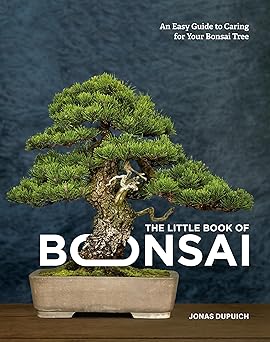 | Little Book of Bonsai | Check Price |
Our Top Picks 2  | Beginner Bonsai Tree Kit | Check Price |
Our Top Picks 3  | 5-Piece Bonsai Starter Kit | Check Price |
Our Selected Top 12 Bonsai for Beginners Worth Your Money
This list features carefully chosen beginner-friendly bonsai trees that are easy to care for and grow. Each review explains how the tree performs, who it is best suited for, and highlights its strengths and potential challenges to help you make an informed decision.
1. The Little Book of Bonsai
A compact guide packed with practical tips, perfect for anyone new to bonsai. It clearly explains the basics, making it ideal for beginners wanting a straightforward introduction.
Its biggest strength lies in how simply it breaks down bonsai care, helping you get started without feeling overwhelmed.
Setting up your bonsai journey with this book is simple since it covers essential topics step-by-step. Its clear language and useful illustrations help you understand pruning, watering, and styling. Daily, you can refer back to it for reminders or new techniques, making it a handy reference when caring for your bonsai tree.
The book delivers well on teaching bonsai fundamentals in an easy-to-understand way. It’s compact yet informative and built to be a practical handbook with a focus on beginner-friendly advice.
Many find it accessible and helpful, though some wish it went deeper into advanced topics or more detailed species-specific care.
The most praised feature is its clarity and ease of understanding bonsai basics for newcomers. The most frequent complaint is about limited depth and not covering more advanced or specific bonsai types.
People seeking a straightforward starting point with practical advice will appreciate this book. Those wanting detailed, advanced training or specialized species guidance would likely want a more comprehensive resource.
Pros
- Simple, clear explanations for beginners
- Includes helpful illustrations
- Compact size for easy reference
- Step-by-step guidance on basic bonsai care
Cons
- Lacks detailed advanced techniques
- No species-specific advice
| Specification | Details |
|---|---|
| Format | Paperback |
| Pages | 150 |
| Author | Esveld |
| Language | English |
2. Bonsai Tree Kit for Beginners
People new to bonsai growing will find this kit a great introduction, offering everything needed to start from seeds. Its biggest strength lies in including four different tree seeds plus all the tools and instructions required, making the process approachable and engaging for beginners.
Setup involves soaking and planting seeds using the included nutrient-rich soil disc and burlap pots. Day-to-day care focuses on moderate watering and ensuring partial sun exposure, guided by the printed instructions. Bamboo markers help keep track of the four tree types, making it easier to tend each one properly as they grow indoors or outdoors.
The kit supports growing four distinct bonsai trees up to 65 centimeters tall. It performs well at nurturing young plants given moderate watering and partial sun, as described. The kit is biodegradable and suitable for zones as cold as USDA 3. Positive feedback highlights the thorough instructions, while some mention challenges with seed germination or patience needed for growing from seed.
The printed instruction booklet helps beginners follow each step confidently, while many find the seed-starting process takes patience due to mixed germination results. The complete kit covers all essential tools and seeds for a small bonsai garden from scratch.
Those looking for a hands-on project to watch trees develop from tiny seeds will enjoy this kit. Those who prefer instant results or less involvement in early growth stages might want a pre-grown bonsai instead.
Pros
- Includes four unique bonsai seed varieties
- Comes with pruning shears and bamboo markers
- Printed guide explains every step clearly
- Kit is biodegradable and eco-friendly
Cons
- Growing from seed requires patience and care
- Seed germination success can be uneven
| Specification | Details |
|---|---|
| Expected Plant Height | 65 centimeters |
| Sunlight Exposure | Partial Sun |
| Moisture Needs | Moderate Watering |
| USDA Hardiness Zone | 3 |
| Soil Type | Loam Soil |
3. 5 Bonsai Starter Kit for Beginners
Perfect for beginners wanting a hands-on way to start bonsai growing, this kit includes everything needed to plant and care for five different tree types. Its biggest strength lies in offering all essential tools and materials in one box, so no extra trips or purchases are necessary to get going.
Opening it up reveals five unique seed packets, each promising a different miniature tree species. The kit includes pots, compressed soil discs that expand with just water, and clear plant markers. The planting tools and precision shears help with detailed work, while the bilingual guide makes following care steps straightforward.
Day-to-day care involves regular watering and trimming, supported by these included supplies, whether the plant is inside on a windowsill or outside in a sunny spot.
The kit does a solid job at getting bonsai growing without needing to source anything extra. The seeds chosen offer a nice variety of textures and colors, creating an interesting small collection as they grow.
Everything is made with beginner-friendly durability in mind. The main praise is about how complete the package is, allowing immediate start. A common note mentions that the growth speed depends heavily on attention to sunlight and watering schedules.
Many appreciate the comprehensive nature of the kit, as it covers every necessary item to start bonsai without extra purchases. Growth results depend a lot on the care given, especially exposure to full sun and watering routines. The seed varieties create a visually interesting assortment for beginners.
Anyone looking for a straightforward, well-equipped bonsai introduction will find this kit suitable. People wanting faster results or more advanced bonsai techniques might consider other options more tailored to experienced growers.
Pros
- Includes all supplies to start growing immediately
- Diverse variety of five distinct tree species
- Detailed bilingual guide for easy learning
- Tools designed for precise planting and pruning
Cons
- Tree growth requires consistent sunlight and watering
- Some patience needed as seeds take time to sprout
| Specification | Details |
|---|---|
| Indoor Outdoor Usage | Indoor, Outdoor |
| Tree Varieties | Delonix Regia, Crape Myrtle, Blue Spruce, Japanese Black Pine, Japanese White Pine |
| Sunlight Exposure | Full Sun |
| Expected Blooming Period | Spring |
| Included Tools | 3-piece planting tool set, precision pruning shears |
4. Bonsai Starter Kit Jacaranda Tree

Avergo Bonsai Starter Kit Jacaranda Tree is designed to help beginners grow their own bonsai tree with ease. It is perfect for indoor gardening enthusiasts who want a complete kit with a good chance of success thanks to extra seeds included.
Setting up this kit is straightforward with easy-to-follow instructions. It comes with coconut coir soil and seeds that have a higher germination rate, making daily care manageable. Moderate watering and partial sunlight are needed, fitting well into typical indoor conditions without special equipment.
The bonsai kit performs well at sprouting young trees and maintaining them indoors throughout the year. The build includes thoughtful extras like two additional seed packets, which help offset the challenge of bonsai germination. A common complaint involves the patience required, as growth can be slow and needs regular attention.
Many appreciate the extra seeds provided to improve chances of success in growing the bonsai, while others find the slow growth and care requirements a bit challenging. The kit’s components make indoor bonsai growing achievable for beginners with patience.
People who enjoy indoor gardening and are ready to invest time in nurturing their bonsai will find satisfaction with this kit. Those seeking a quick or outdoor bonsai project might want to consider other options better suited to those needs.
Pros
- Complete starter kit with all essentials
- Higher germination rate seeds included
- Two extra seed packets for backup
- Clear and easy-to-follow instructions
Cons
- Growth requires patience and consistent care
- Only suited for indoor use
| Specification | Details |
|---|---|
| Indoor/Outdoor Usage | Indoor |
| Sunlight Exposure | Partial Sun |
| Soil Type | Coconut coir soil |
| Moisture Needs | Moderate Watering |
| Expected Blooming Period | Year Round |
| Expected Planting Period | Year Round |
5. The Bonsai Beginners Bible

Starting your bonsai journey with a clear and well-structured guide can make all the difference. Designed for those new to bonsai, the book offers straightforward advice and practical tips that simplify what might seem like a complex hobby. Its biggest strength lies in how it breaks down essential bonsai care into easy steps anyone can follow.
Daily use involves quick references to watering, pruning, and general maintenance made accessible through clear instructions. It’s ideal for beginners wanting to build confidence before trying more advanced techniques. The guide focuses on the basics, ensuring new bonsai enthusiasts know how to keep their plants healthy without overwhelming details or complicated jargon.
Performance in teaching bonsai care is solid, with clear explanations that cover most beginner questions. The book’s well-organized format helps readers stick to routines and understand bonsai needs better. One recurring complaint is that some may find the depth limited once they want to move beyond beginner tips, but it excels at providing a reliable foundation.
Many find the guide useful for learning bonsai basics and sticking to daily care routines. Some mention wanting more detailed techniques as they gain experience. The strength lies in making bonsai approachable, but it doesn’t cover advanced methods extensively.
Those new to bonsai looking for simple, clear help will appreciate what it offers. More experienced hobbyists or those craving in-depth advice might seek a more comprehensive resource.
Pros
- Clear step-by-step instructions for beginners
- Focuses on essential bonsai care
- Easy to understand language
- Helps build foundational bonsai skills
Cons
- Limited advanced care techniques
- May feel basic after some time
| Specification | Details |
|---|---|
| Target Audience | Beginners |
| Content Focus | Bonsai Basics & Care |
| Format | Book |
| Instruction Style | Step-by-step |
6. 5 Unique Bonsai Starter Kit with Seeds

Great for anyone curious about bonsai, this starter kit delivers five different tree seeds and all the tools needed to get growing. Perfect for beginners, its biggest strength lies in offering a hands-on variety of species, from flowering to evergreen, making the experience diverse and engaging.
Setup involves planting seeds in peat-based compressed soil discs inside biodegradable pots, which makes starting straightforward. Pruning shears and plant markers come included, helping keep track of each bonsai as it grows.
The detailed illustrated guide explains care well, especially watering when the top inch feels dry. Growing indoors with access to full sun fits the kit’s needs.
The kit supports growing Crape Myrtle, Flame Tree, Blue Jacaranda, Black Pine, and Blue Spruce bonsai varieties, all reaching about 12 inches in height. Plants require moderate moisture and do best in USDA zones 5-9. Most users appreciate the complete nature of the kit and variety of species, though some feel the indoor-only usage limits outdoor enthusiasts.
Most praise highlights the variety of bonsai species with all necessary tools provided, making it very beginner-friendly. Common complaints focus on the indoor-only use and the need to maintain consistent soil moisture levels, which can be a bit demanding at times.
Anyone eager to learn bonsai basics with a mix of flowering and evergreen types will find this kit satisfying. Those wanting to grow bonsai outdoors or looking for low-maintenance options should explore alternative kits designed for outdoor conditions or ease of care.
Pros
- Includes seeds for 5 unique bonsai species
- Comes with pruning shears and plant markers
- Detailed illustrated growing guide included
- Biodegradable growing pots and compressed soil discs
Cons
- Designed for indoor use only
- Requires consistent attention to soil moisture
| Specification | Details |
|---|---|
| Indoor/Outdoor Usage | Indoor |
| Seed Varieties | 5 Unique Bonsai Tree Varieties |
| Plant Height | 12 inches |
| Soil Type | Peat-based Compressed Soil Discs (coco Coir) |
| Sunlight Exposure | Full Sun |
| Moisture Needs | Moderate; keep moist but not waterlogged |
7. Bonsai Care Guide for Beginners

Printed on high-quality paper, the Bonsai Care Guide for Beginners suits anyone starting out with bonsai trees who needs clear, practical advice. Its single biggest strength lies in offering straightforward information that covers all the basics without overwhelming you with technical jargon.
Setting up is simply opening the guide and following the step-by-step instructions. Daily use involves checking the sections that explain watering, pruning, and re-potting in easy-to-understand language. The guide breaks down care routines by tree type, which helps prevent guesswork and keeps you on track with your bonsai’s needs.
The guide does its main job well by focusing on beginner needs without unnecessary details. It is compact, making it easy to keep on hand during daily care sessions.
Strongest praise from reviews highlights how approachable and helpful the advice is. The most common complaint notes that some readers wish for more pictures or illustrations.
The guide receives positive feedback for providing clear and helpful advice that beginners can follow without confusion. Some users feel it would benefit from more images to clarify the steps visually.
Beginners looking for straightforward, easy-to-understand guidance will find this guide very useful. Those wanting detailed botanical explanations or advanced bonsai care might consider more comprehensive resources instead.
Pros
- Clear instructions suitable for first-timers
- Compact and easy to keep nearby
- Focused on practical care tips
- Language is simple and approachable
Cons
- Lacks extensive pictorial guidance
- Not suitable for advanced bonsai techniques
| Specification | Details |
|---|---|
| Format | Printed guide |
| Audience | Beginners |
| Content focus | Basic bonsai care techniques |
| Complexity level | Simple, non-technical language |
| Use | Reference during daily care |
8. Complete Guide to Bonsai for Beginners

Perfect for beginners stepping into bonsai cultivation, this guide places clear, actionable advice first. It suits anyone wanting straightforward instructions without getting overwhelmed.
Its biggest strength lies in presenting complex bonsai care techniques in an easy-to-understand format.
Getting started with bonsai care feels manageable thanks to the step-by-step instructions laid out in this guide. You’ll find sections dedicated to watering, pruning, and repotting that use everyday language. Tips on tools, soil types, and species selection support practical execution.
There’s no guesswork when caring for your bonsai plant daily.
The guide effectively covers essential bonsai care basics, balancing detail with digestibility. It is well organized and designed to keep newcomers motivated. Positive feedback highlights its simplicity and helpfulness, while a common criticism points to a lack of photos or illustrations in some sections, making certain instructions harder to visualize.
Readers appreciate how straightforward and practical the care steps are, making bonsai maintenance approachable. Some find the scarcity of photos challenging when visualizing certain pruning or wiring techniques described in the text.
Someone new to bonsai looking for clear guidance will enjoy this resource. Those wanting richly illustrated or highly detailed botanical explanations might prefer a different book. Everyday bonsai care tasks fit comfortably within this guide’s scope.
Pros
- Clear, easy-to-follow instructions
- Comprehensive beginner topics
- Practical daily care guidance
- Accessible language style
Cons
- Some sections lack visual examples
- Less detailed on advanced techniques
| Specification | Details |
|---|---|
| Format | Book |
| Target Audience | Beginners |
| Content Focus | Step-by-step bonsai care |
| Coverage | Watering, pruning, repotting, tools |
| Visual Aids | Limited illustrations |
9. Bonsai Tree Kit with 5 Japanese Trees

Perfect for beginners wanting variety, this kit offers five different Japanese bonsai tree seeds, making it a great choice for those seeking a hands-on, year-round planting experience. Its biggest strength lies in including everything needed for indoor planting, along with extra seeds as a backup.
Setting up is straightforward with all necessary components in the box, including coconut coir soil ideal for growing bonsai indoors. The seeds require moderate watering and partial sunlight, allowing you to care for your trees without complex routines.
The kit’s design supports planting anytime during the year, which fits well with a casual or busy lifestyle.
Seeds have a high germination rate, indicating good success chances for sprouting. The mix of popular tree types like Wisteria and Flame tree offers variety for beginners to explore. One common downside mentioned involves the time and patience needed for visible growth, which is typical for bonsai.
The construction of the kit elements supports indoor use comfortably and invites family activity.
The kit is well-liked for its high germination rate and variety of bonsai seeds, giving new growers multiple options. Patience is necessary due to bonsai’s slow growth, which some find challenging while waiting to see results.
Ideal for those looking to begin bonsai as a hobby with easy indoor care and variety. Not the best fit for someone wanting quick growth or outdoor bonsai planting options.
Pros
- Includes seeds for 5 different bonsai trees
- Extra seed packets included for backup
- Everything needed in one kit for beginners
- Suitable for indoor planting year-round
Cons
- Requires patience as bonsai growth is slow
- Limited to indoor use only
| Specification | Details |
|---|---|
| Sunlight Exposure | Partial Sun |
| Expected Blooming Period | Year Round |
| Expected Planting Period | Year Round |
| Soil Type | Coconut coir soil |
| Moisture Needs | Moderate Watering |
| Indoor Outdoor Usage | Indoor |
10. Bonsai Tree Kit Deluxe with Growing Light

Trying to start bonsai growing can feel overwhelming without the right tools. Great for beginners who want a clear, guided experience, this kit offers everything necessary to start bonsai indoor planting.
Its biggest strength lies in including a growing light alongside seeds for multiple tree types, making it easier to nurture your tiny trees no matter the season.
Setting up the kit is straightforward since it provides seeds for popular bonsai trees like Crape Myrtle and Flame tree, plus coconut coir soil that keeps moisture balanced. The built-in growing light means you don’t need perfect window light, which helps maintain steady partial sun exposure. Daily care involves moderate watering, and extra seed packets arrive free, so you’re covered if some don’t sprout right away.
The kit works well for growing bonsai indoors year-round and the comprehensive supplies cover everything from planting to growth support. The build centers around practical materials like coconut coir soil and seeds known for a high germination rate.
Common praise highlights the ease of use and included tools, while some users mention occasional delays in seed germination as the main downside.
The kit is praised for having all necessary components and extra seeds, though some seeds may delay germination, requiring patience. Its focus on indoor use with a built-in light helps maintain growth even with limited sunlight.
People who want a beginner-friendly, all-in-one bonsai starter kit and enjoy indoor gardening will appreciate this set. Those looking to grow bonsai outdoors or needing faster germination might want to explore other options.
Pros
- Includes seeds for multiple bonsai species
- Growing light supports indoor growth
- Coconut coir soil balances moisture well
- Extra seed packets included for replanting
Cons
- Some seeds take longer to germinate
- Designed for indoor use only
| Specification | Details |
|---|---|
| Indoor Outdoor Usage | Indoor |
| Expected Blooming Period | Year Round |
| Sunlight Exposure | Partial Sun |
| Soil Type | Coconut coir soil |
| Moisture Needs | Moderate Watering |
11. Bonsai Starter Kit with 5 Seeds and Tools

Includes five types of bonsai tree seeds, making it ideal for beginners curious about growing multiple varieties. Perfect for those who want a hands-on gardening experience with everything needed in one box. The variety of seeds is the biggest strength, allowing you to experiment with Acacia, Wisteria, Sakura, Red Maple, and Black Pine.
Setup involves using the provided plastic pots, drip trays, and soil discs to create the right environment for sprouting. Planting 2 to 4 seeds per pot is recommended, with a gardening guide included to walk you through the process. Day-to-day care includes using the bonsai pruner and mini tweezer for maintenance and the small water bottle for controlled watering, all of which make nurturing your bonsai manageable.
Patience is key as bonsai seeds can take 4 to 8 weeks to germinate, and not all seeds will sprout. The kit is well put together with practical tools and writable plant markers that help keep track of your trees. The most praised feature is the variety offered for learning, while the most common drawback noted is the slow germination time and occasional seed failure.
The kit’s strength lies in offering a variety of bonsai species and helpful tools in one package, guided by a gardening manual. However, growing bonsai from seed requires patience as germination times are long, and some seeds may not sprout as expected. It’s important to follow planting tips carefully to improve chances.
Anyone wanting to learn bonsai tree cultivation from the ground up and who enjoys hands-on growing will appreciate this product. Those looking for quicker results or pre-grown bonsai might want to consider ready-made plants instead.
Pros
- Five different bonsai seeds included
- Comes with all necessary tools and pots
- Includes a helpful gardening guide
- Writable plant markers to organize seedlings
Cons
- Seeds take 4-8 weeks to germinate
- Not all seeds guaranteed to sprout
| Specification | Details |
|---|---|
| Types of Seeds | Acacia, Wisteria, Sakura, Red Maple, Black Pine |
| Sunlight Exposure | Partial Shade |
| Includes | 5 plastic pots, 5 soil discs, pruner, tweezer, water bottle, plant markers |
| Germination Time | 4-8 weeks |
12. Bonsai Tree Kit with 3 Japanese Trees

Anyone interested in starting bonsai gardening at home will find this kit quite approachable. It suits beginners because it comes with everything to grow three different Japanese bonsai trees. Its biggest strength lies in including extra seed packets, which helps ensure success even if some seeds don’t sprout right away.
Setting up involves planting seeds in the provided coconut coir soil, which keeps moisture at a moderate level suitable for indoor bonsai. The kit works indoors with partial sunlight, so it fits easily into many living spaces.
Day-to-day care requires watering just enough to maintain soil dampness, making it manageable for those new to plant care without overwhelming demands.
Growth is steady with seeds like Blue jacaranda and Pigeon Pea included, adding nice variety. Built as a complete starter set, it includes essential tools and soil to get started at any time of the year. A common compliment is the high germination rate, while a frequent complaint concerns the limited outdoor usage, as it’s designed mainly for indoor environments.
High germination rates make this kit reliable for beginners wanting to grow bonsai trees indoors using the included coconut coir soil and moderate watering. The main drawback is that the kit is not suited for outdoor planting, limiting options for those expecting to grow bonsai outside.
People interested in a manageable indoor gardening project with all materials provided will be pleased with this kit. Those who want more flexible planting environments or faster growth might want to look for other bonsai options better suited for outdoor use or faster results.
Pros
- Includes three popular bonsai seed varieties
- Extra seed packets ensure better germination chances
- Complete kit with soil and planting supplies
- Suitable for indoor gardening all year round
Cons
- Not designed for outdoor use
- Requires some patience for seeds to sprout
| Specification | Details |
|---|---|
| Indoor Outdoor Usage | Indoor |
| Soil Type | Coconut coir soil |
| Sunlight Exposure | Partial Sun |
| Moisture Needs | Moderate Watering |
| Expected Planting Period | Year Round |
| Expected Blooming Period | Year Round |
Best Bonsai for Beginners Comparison Table
| Product | Usage | Special Features | Blooming Period | Sunlight Exposure |
|---|---|---|---|---|
| Little Book of Bonsai | – | – | – | – |
| Beginner Bonsai Tree Kit | Indoor, Outdoor | Biodegradable | Summer | Partial Sun |
| 5-Piece Bonsai Starter Kit | Indoor, Outdoor | Great Gift | Spring | Full Sun |
| Jacaranda Bonsai Starter Kit | Indoor | Complete Kit, Easy, Gift | Year Round | Partial Sun |
| Bonsai Beginners Bible | – | – | – | – |
| 5 Unique Seeds Bonsai Kit | Indoor | 5 Varieties, Tools | Spring to Summer | Full Sun |
| Beginner Bonsai Care Guide | – | – | – | – |
| Complete Bonsai Beginners Guide | – | – | – | – |
| 5 Japanese Bonsai Trees Kit | Indoor | Gift, Family Activity | Year Round | Partial Sun |
| Deluxe Bonsai Kit with Light | Indoor | Gift, Indoor Gardening | Year Round | Partial Sun |
| 5 Seeds & Tools Bonsai | – | Growing Kit | – | Partial Shade |
| 3 Japanese Trees Bonsai Kit | Indoor | Gift, Indoor Gardening | Year Round | Partial Sun |
- Usage–
- Special Features–
- Blooming Period–
- Sunlight Exposure–
- UsageIndoor, Outdoor
- Special FeaturesBiodegradable
- Blooming PeriodSummer
- Sunlight ExposurePartial Sun
- UsageIndoor, Outdoor
- Special FeaturesGreat Gift
- Blooming PeriodSpring
- Sunlight ExposureFull Sun
- UsageIndoor
- Special FeaturesComplete Kit, Easy, Gift
- Blooming PeriodYear Round
- Sunlight ExposurePartial Sun
- Usage–
- Special Features–
- Blooming Period–
- Sunlight Exposure–
- UsageIndoor
- Special Features5 Varieties, Tools
- Blooming PeriodSpring to Summer
- Sunlight ExposureFull Sun
- Usage–
- Special Features–
- Blooming Period–
- Sunlight Exposure–
- Usage–
- Special Features–
- Blooming Period–
- Sunlight Exposure–
- UsageIndoor
- Special FeaturesGift, Family Activity
- Blooming PeriodYear Round
- Sunlight ExposurePartial Sun
- UsageIndoor
- Special FeaturesGift, Indoor Gardening
- Blooming PeriodYear Round
- Sunlight ExposurePartial Sun
- Usage–
- Special FeaturesGrowing Kit
- Blooming Period–
- Sunlight ExposurePartial Shade
- UsageIndoor
- Special FeaturesGift, Indoor Gardening
- Blooming PeriodYear Round
- Sunlight ExposurePartial Sun
How to Choose the Right Bonsai Tree
Choosing a bonsai tree that suits your environment and skill level is essential for success. Factors like climate tolerance, maintenance needs, and growth rate help ensure the tree thrives with minimal issues. Making the right choice early saves time, money, and frustration in the long run.
Ease of Care
Some bonsai require daily watering, which can quickly become overwhelming in a busy schedule. Bonsai with low watering demands are easier to manage and allow more flexibility. Complex pruning techniques to maintain shape add another layer of difficulty.
Beginners often struggle with species that need frequent pruning; choosing one with slower growth or naturally compact forms can save headaches.
Resistance to pests and diseases varies widely. A bonsai prone to infestations means constant vigilance and treatment, which may lead to frustration and plant decline. Look for types known for resilience in these areas.
In practical terms, plants needing watering every 2-3 days, minimal pruning, and having some natural pest resistance fit best for newcomers.
Growth Rate and Size
Rapid growth requires more frequent pruning and repotting, which can be discouraging for someone just starting. Slow to moderate growth rates reduce maintenance pressure and help maintain the desired shape longer. Bonsai that stay smaller at maturity suit indoor environments better, whereas larger types need outdoor space and more light.
Space is a real concern; some bonsai spread wider and require a larger display area or outdoor shelf. Choosing a compact species that remains under 12 inches tall simplifies positioning and care, especially in apartments or small homes. A smaller mature size often correlates with easier handling and transport as well.
Light and Environment Needs
Natural light varies greatly throughout the year and between homes. Some bonsai need several hours of bright sunlight daily, difficult to provide indoors, whereas others tolerate lower light or artificial sources.
Choosing a plant suited to the available light prevents leaves yellowing or dropping frequently.
Temperature and humidity also influence growth. Bonsai that survive normal indoor temperature ranges from 65 to 75°F and moderate humidity are generally kinder to beginners. Some tolerate outdoor climates better but suffer indoors.
Knowing whether the bonsai will thrive inside or requires a patio or balcony avoids wasted effort and poor results.
Durability and Hardiness
Novices often overwater, underwater, or give improper light. A bonsai with good hardiness can handle these errors and still recover.
Some species bounce back easily from leaf loss or bending branches, while others might die quickly under stress. Resilience matters more than appearance in early stages.
Climate variation impacts survivability as well. Cold-sensitive bonsai demand controlled environments, limiting options. Choosing ones adaptable to typical home conditions helps maintain health.
Partial recovery after neglect means not giving up if mistakes happen, making learning less frustrating.
Initial Cost and Ongoing Expenses
Initial costs for beginner-friendly bonsai are usually moderate. Spending too little might mean poor quality or unsuitable species, whereas high prices don’t always guarantee ease of care.
Mid-range options balance value and suitability well.
Tools and supplies like specialized shears, fertilizer, and bonsai soil can add up but are necessary investments. Some types require specific soil mixes or regular feeding to thrive. Pest control products should also be considered, especially for more delicate plants.
Planning these expenses helps avoid surprises down the line.
Essential Care Tips to Keep Your Beginner Bonsai Healthy
Watering is crucial for bonsai health. Too much water can drown roots, while too little will dry out the tree fast because bonsai pots are small and don’t retain moisture well. Check the soil daily by sticking a finger about an inch deep; water when it feels dry at that level but still moist below. Bright, indirect sunlight suits most beginner bonsai species, promoting steady growth without burning leaves.
A spot near a window that gets morning sun works well.
Regular pruning keeps your bonsai’s shape and health in check. Trim new shoots back to maintain size and encourage branching. Also, repotting every 1-2 years is necessary to refresh soil and trim roots.
This prevents the tree from becoming root-bound and promotes healthy nutrient uptake. Use bonsai-specific soil mixes that drain quickly to avoid water retention issues.
Common Mistakes to Avoid When Growing Your First Bonsai
Overwatering ranks as the most common error. The risk comes from using too large a pot or poor soil that holds water. Avoid letting the bonsai sit in standing water. Another mistake is placing the bonsai in direct, harsh sunlight; this can scorch the leaves.
Instead, provide light that matches the species’ needs, often filtered or morning sun.
Neglecting pruning leads to weak growth. Beginners often let shoots grow unchecked, causing an uneven shape or a spindly tree. It’s best to prune regularly to maintain structure.
Skipping repotting is another issue. Roots that are cramped limit growth and health. Repotting with fresh soil and some root trimming is key every couple of years.
Comparing Popular Beginner Bonsai Species for Easy Growth
Ficus bonsai suit most beginners because they tolerate indoor conditions well. They handle moderate light and irregular watering without much trouble. Junipers are another good option but do better outdoors with plenty of light and air circulation.
Chinese Elm stands out for its adaptability. It can thrive indoors or outdoors, tolerates low humidity, and responds well to pruning. Avoid species like Azalea or Pine initially, as they demand precise care and optimal environmental conditions to avoid stress.
- Ficus: hardy, indoor-friendly
- Juniper: outdoor preferred, hardy
- Chinese Elm: adaptable, forgiving
Choosing a species that matches your environment and time commitment increases chances of success. These types have clearer care guidelines and forgiving growth habits.
People Also Asked
How Do I Care for a Beginner Bonsai Tree Properly?
Water the bonsai regularly but avoid overwatering, ensuring the soil stays moist, not soggy. Place the tree where it gets bright, indirect sunlight. Repot every couple of years to keep the roots healthy and trim branches to maintain shape.
What Size Bonsai Is Easiest to Maintain for Beginners?
Small to medium bonsai, around 6 to 12 inches, work best for beginners because they fit well on desks and are easier to move. This size requires less watering than very tiny bonsai and is more forgiving with pruning.
Are Bonsai Trees Safe to Keep Around Pets or Children?
Most bonsai trees are generally safe around pets and children, but some species can be mildly toxic if ingested. Keep them out of reach, and ensure pets don’t chew on leaves to prevent any stomach upset.
How Long Do Beginner Bonsai Trees Typically Live Indoors?
Beginner bonsai can live anywhere from 5 to 15 years indoors with proper care. Their lifespan depends heavily on watering consistency, light exposure, and occasional feeding with bonsai fertilizer.
What Common Problems Should I Expect with Bonsai Care?
Common issues include overwatering or underwatering, pests like aphids, and fungal infections. Watch for yellowing leaves or spots, and adjust care routines like watering and airflow accordingly to keep the tree healthy.
Conclusion
Choosing a bonsai for beginners mostly comes down to how easy it is to care for, the type of tree you like, and how much space you have. Look for varieties that tolerate some neglect and don’t require constant trimming. Also, a bonsai that matches your environment, like indoor or outdoor conditions, will save a lot of frustration.
Think about where you want to keep the bonsai and how much time you can spend on it each week. Picking one that fits your budget and space can make the experience more enjoyable.
Check the comparison table and reviews above to find a bonsai that suits your needs without adding extra stress.

I’m Jake Thompson, and I’ve spent over a decade working on lawn mowers, from small push mowers to big riding tractors. I write about starting problems, blade sharpening, carburetor cleaning, oil changes, and seasonal maintenance. My goal is to give you clear, step-by-step advice so you can handle common mower issues yourself and keep your lawn looking sharp all season.