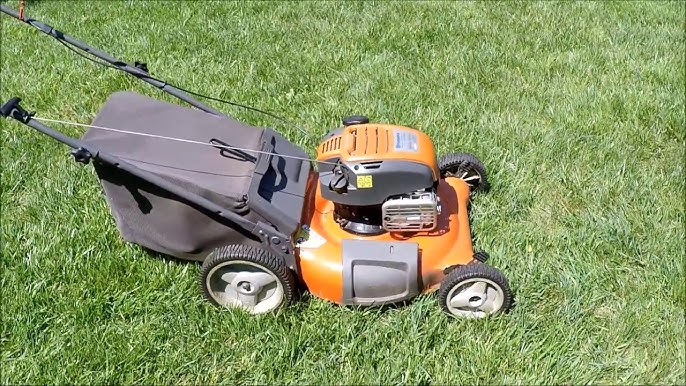
How to Start a Lawn Mower With a Choke in 5 Easy Steps
To start your lawn mower with a choke, first locate the choke lever near the engine. Ensure your mower has enough fuel and oil to operate smoothly. Knowing how to start a lawn mower with a choke is essential for efficient and easy mowing, especially when dealing with a cold engine.
Set the choke to the full or closed position to enrich the fuel mixture. Pull the starter cord firmly until the engine catches, keeping the choke closed for a smooth start.
As the engine warms up, gradually open the choke to prevent stalling. With these basics down, you’ll be ready to master starting your mower easily and maintain its performance.
Key Takeaways
- Locate and set the choke lever to “Full Choke” to enrich the fuel mixture for a cold engine.
- Ensure the mower is on a flat surface, with enough fuel and oil, and blade control disengaged.
- Pull the starter cord firmly and steadily, repeating as needed while keeping the choke closed until the engine starts.
- Gradually open the choke halfway as the engine warms, adjusting to maintain smooth operation without stalling.
- Fully open the choke once the engine runs smoothly, and troubleshoot choke issues if starting problems persist.
Find the Choke and Get Your Mower Ready
Before you start your lawn mower, you need to locate the choke lever, which controls the air-fuel mixture for easier starting. Usually, the choke lever is near the engine or carburetor and marked with symbols like a rabbit or turtle, or labeled “choke.”
Once you find it, make sure your mower is on a flat surface and that the fuel tank has enough gas. Check the oil level to avoid engine trouble. Also, verify the blade control handle is disengaged for safety.
If your mower has a primer bulb, press it a few times to get fuel into the carburetor. Finally, clear any debris around the mower to prevent blockages. Now, your mower is ready for the next step in starting it properly.
Set the Choke to Start a Cold Engine
Now that you’ve located the choke and prepped your mower, it’s time to set the choke correctly for a cold engine. When the engine is cold, the choke valve needs to close partially or fully to restrict airflow, enriching the fuel mixture for easier ignition. Locate the choke lever or knob—usually marked with “Choke” or symbols—and move it to the “Full Choke” or “Closed” position.
This setting reduces air intake, helping the engine start smoothly when cold. Avoid setting the choke halfway or leaving it open at this stage, as a cold engine won’t start easily without sufficient fuel. Once set, the choke is ready for use during starting, ensuring your mower gets the right fuel-air balance to fire up efficiently.
Use the Choke to Start Your Lawn Mower
Once you’ve set the choke to the full or closed position, you’ll want to pull the starter cord firmly to get the engine running. Give it a strong, steady pull rather than a quick jerk to prevent damaging the cord or the engine. If the mower doesn’t start on the first try, don’t worry—pull the cord a few more times, allowing brief pauses between attempts.
Be patient; it might take a few pulls for the engine to catch when the choke is fully engaged. Once the engine fires up and runs, keep the choke in the closed position until the engine stabilizes. Avoid revving the throttle too soon, as this can stall a cold engine.
Following these steps carefully ensures a smooth start every time.
Adjust the Choke as Your Engine Warms Up
After your lawn mower’s engine has started and is running steadily with the choke closed, it’s time to gradually modify the choke as the engine warms up. Slowly open the choke to allow more air into the carburetor, helping the engine run more efficiently.
Once your mower starts with the choke closed, gradually open it to improve engine efficiency as it warms.
If you leave the choke fully closed, the engine might flood or stall. Pay attention to how your mower responds during this adjustment.
Here’s what you should do:
- Open the choke halfway and listen for engine smoothness.
- If the engine sputters or slows, close the choke slightly.
- Once the engine runs smoothly without stalling, fully open the choke.
Adjusting the choke properly ensures your lawn mower runs smoothly and prevents unnecessary strain on the engine.
Fix Common Choke Problems That Prevent Starting
Although adjusting the choke properly usually solves most starting issues, sometimes common choke problems can still prevent your lawn mower from starting. First, check if the choke plate is stuck or jammed. Dirt, debris, or rust can cause it to stick in the closed or open position, so clean it thoroughly and lubricate the linkage if needed.
Next, inspect the choke cable for damage or looseness—replace or tighten it to guarantee smooth operation. Also, verify the choke knob or lever moves freely and fully engages the choke mechanism. If the choke is automatic, test the choke thermostat or spring for faults.
Fixing these common choke issues will help your mower start easily and run smoothly every time.
Frequently Asked Questions
How Often Should I Replace the Choke on My Lawn Mower?
You don’t usually need to replace the choke unless it’s damaged or sticking. Check it every season and clean it regularly.
If it’s not functioning smoothly or your mower struggles to start, that’s when replacement’s necessary.
Can a Faulty Choke Cause Excessive Fuel Consumption?
Absolutely, a faulty choke can cause your mower to consume fuel foolishly. When the choke sticks or stays closed, it floods the engine, forcing it to burn more fuel than necessary, draining your tank faster.
What Type of Fuel Is Best for a Lawn Mower With a Choke?
You’ll want to use fresh, unleaded gasoline with an octane rating of at least 87. Avoid ethanol blends over 10%, as they can damage the engine.
Using the right fuel helps your mower run smoothly and last longer.
How Do I Clean the Choke Mechanism Properly?
Did you know 70% of small engine issues come from dirty chokes? To clean yours, spray carburetor cleaner on the choke plate, gently scrub with a brush, then move it to loosen grime.
After that, wipe it down thoroughly to remove any residue. Regular cleaning helps maintain engine performance and prevents starting problems.
Be sure to handle the choke mechanism carefully to avoid damage. Cleaning it properly can save you time and money on repairs.
Are There Safety Tips for Using the Choke on a Mower?
Yes, you should always make sure the mower is on a flat surface, keep hands clear of moving parts, avoid overusing the choke to prevent flooding, and never start the engine indoors to prevent carbon monoxide buildup.
Conclusion
Now that you’ve mastered the choke, imagine the engine’s first roar slicing through the morning silence. You’re just moments away from a perfectly trimmed lawn, the breeze carrying the fresh scent of cut grass.
But wait—what if the choke sticks or the mower hesitates? Don’t worry, you’ve got the know-how to tackle those hiccups.
With each pull and adjustment, you’re not just starting a mower—you’re starting a new day of effortless lawn care. Remember, knowing how to start a lawn mower with a choke ensures smooth operation every time. This simple skill makes your lawn maintenance easier and more efficient.