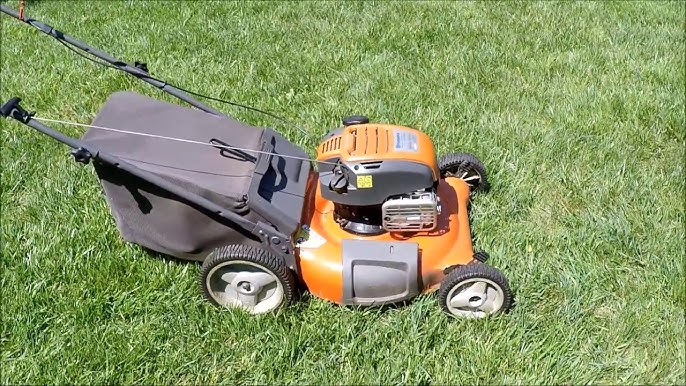
How Do You Clean a Lawn Mower Spark Plug in 5 Easy Steps
To clean your lawn mower spark plug effectively in five easy steps, start by safely removing the spark plug using a spark plug socket wrench. Proper maintenance of your lawn mower spark plug is essential for optimal engine performance and fuel efficiency.
Regular cleaning helps prevent engine misfires and ensures a smooth mowing experience.
Next, wipe off any dirt and debris with a clean cloth. Then, use a wire brush to scrub the electrode and threads thoroughly to remove carbon buildup and grime.
Check the spark gap to make sure it has the proper distance for effective ignition. Inspect the spark plug carefully for any signs of damage or excessive wear.
Finally, reinstall the spark plug carefully back into the lawn mower. Test your mower’s operation to confirm everything is working smoothly.
Keep going if you want tips on detailed care and troubleshooting.
Key Takeaways
- Remove the spark plug using a spark plug socket wrench and disconnect the wire by pulling the boot, not the wire.
- Wipe off dirt and debris from the plug surface with a dry cloth or soft brush before cleaning.
- Scrub the electrode and threads with a wire brush to remove carbon buildup and deposits.
- Check and clean the spark plug gap using a feeler gauge to ensure proper distance.
- Reinstall the spark plug by hand, tighten snugly with a wrench, reconnect wire, then test mower operation.
Gather Tools to Clean Your Lawn Mower Spark Plug
Before you begin cleaning your lawn mower spark plug, you’ll need to gather a few essential tools. First, make sure you have a spark plug socket wrench; this will help you remove and reinstall the plug easily. You’ll also want a wire brush or a spark plug cleaning tool to remove dirt and carbon buildup effectively.
Having a feeler gauge is vital for checking the spark plug gap after cleaning. Keep a clean rag or cloth nearby to wipe away any debris. Safety gloves can protect your hands from grime and sharp edges.
Finally, some carburetor or spark plug cleaner spray will help dissolve stubborn deposits. Taking time to assemble these tools beforehand guarantees a smoother, more efficient cleaning process.
How to Remove Your Lawn Mower Spark Plug Safely
To safely remove your lawn mower spark plug, start by disconnecting the spark plug wire firmly by pulling on the boot, not the wire itself, to avoid damage. Next, use a spark plug socket and a ratchet wrench to loosen the plug. Turn it counterclockwise gently to prevent stripping the threads.
If the plug feels stuck, apply a small amount of penetrating oil and wait a few minutes before trying again. Once loose, remove the spark plug carefully by hand, ensuring you don’t drop it into the engine. Place the old spark plug on a clean surface for inspection or replacement.
Always work in a well-lit area and make sure the mower engine is completely cool before starting to avoid burns or injury.
Clean Your Lawn Mower Spark Plug in Five Easy Steps
Although cleaning your lawn mower spark plug might seem tricky, you can do it easily by following five simple steps. First, you want to remove any dirt or debris from the plug’s exterior using a dry cloth or a soft brush.
Next, use a wire brush or spark plug cleaner to gently scrub the metal parts, focusing on the electrode and threads to remove carbon buildup. Finally, check that the spark plug gap is correct and free of deposits before reinstalling.
Here’s a quick summary:
- Wipe off dirt and debris from the spark plug surface.
- Scrub the electrode and threads with a wire brush.
- Inspect and clean the spark plug gap carefully.
These steps will help keep your mower running smoothly.
Check Your Lawn Mower Spark Plug for Damage or Wear
When you’re cleaning your spark plug, it’s also important to check it for signs of damage or wear. Look closely at the electrode and insulator; if you notice cracks, chips, or heavy corrosion, it’s time to replace the spark plug. Worn electrodes appear rounded or eroded, which can reduce the spark’s effectiveness and affect your mower’s performance.
Also, check for carbon buildup or oil deposits that can’t be cleaned off easily, as these indicate engine problems or fuel issues. If the spark plug looks damaged or excessively dirty after cleaning, don’t risk using it. Using a faulty spark plug can lead to poor starting, rough running, or even engine damage.
Always verify your spark plug is in good condition before putting it back.
Reinstall the Spark Plug and Test Your Lawn Mower
Once you’ve confirmed the spark plug is clean and in good condition, you can reinstall it carefully into your lawn mower. Make sure to screw it in by hand initially to avoid cross-threading.
Once it’s seated, tighten it with a spark plug wrench, but don’t over-tighten—it should be snug, not forced.
After reinstalling, it’s time to test your lawn mower to ensure everything works smoothly. Follow these steps:
- Reconnect the spark plug wire firmly to the plug.
- Place the mower on a flat surface and engage the safety features.
- Start the mower and listen for smooth engine operation without hesitation or sputtering.
If it runs well, your cleaning was successful! If not, double-check the spark plug and connections.
Frequently Asked Questions
How Often Should I Replace My Lawn Mower Spark Plug?
You should replace your lawn mower spark plug at least once every season or after about 25 hours of use.
If it looks worn or your mower struggles to start, swapping it out sooner helps keep things running smoothly.
What Type of Spark Plug Is Best for My Lawn Mower?
Think of your lawn mower’s engine as a heartbeat—it needs a platinum or iridium spark plug for a steady, reliable spark. These types last longer and handle heat better, keeping your mower running smoothly season after season.
Can a Dirty Spark Plug Cause My Mower to Stall?
Yes, a dirty spark plug can cause your mower to stall because it disrupts the spark needed for combustion. You’ll want to clean or replace it regularly to keep your mower running smoothly and avoid stalling issues.
How Do I Know if My Spark Plug Gap Is Correct?
You can check if your spark plug gap’s correct by using a feeler gauge. Compare the gap to your mower’s manual specs.
If it’s too wide or narrow, you’ll need to adjust it carefully.
Is It Safe to Clean a Spark Plug With Water?
Oh, sure—dunking your spark plug in water is a brilliant idea if you want a mini electric shower! But seriously, don’t.
Water causes corrosion; use a wire brush or specialized cleaner instead to keep it safe.
Conclusion
Cleaning your lawn mower spark plug is as simple as a breeze on a sunny day. With the right tools and a bit of care, you’ll have it shining and working smoothly in no time. Just remember to remove it safely, clean it gently, check for any wear, and reinstall it properly.
Follow these steps, and your lawn mower will be ready to tackle the grass with renewed power and efficiency. Proper maintenance like cleaning the spark plug ensures optimal engine performance. Keeping your spark plug clean is key to a healthy and efficient lawn mower.