Top 12 Best Butternut Squash Seeds You Can’t Miss!
Cheap or poorly chosen butternut squash seeds usually result in weak seedlings that are slow to sprout or fail altogether. The best butternut squash seeds bring a higher germination rate, which means more plants actually grow. Moisture retention and freshness also play a role; old or dried-out seeds barely sprout, wasting time and effort in the garden early on.
Good butternut squash seeds tend to be fully mature, firm, and roughly the size of a small almond. The seeds should be free of cracks or discoloration, as that often signals poor quality or disease.
Seeds with a germination rate above 80% are considered reliable, and proper storage in a cool, dry place preserves this viability. These factors make the biggest difference in how many plants take root and thrive.
Need a Quick Check?
| Image | Product | Price |
|---|---|---|
Our Top Picks 1  | Waltham Butternut Squash | Check Price |
Our Top Picks 2  | Sow Right Waltham Seeds | Check Price |
Our Top Picks 3  | Waltham Winter Squash | Check Price |
Our Selected Top 12 Butternut Squash Seeds Worth Buying
This list features a carefully chosen selection of butternut squash seeds, each reviewed for growth performance, suitability for different gardeners, and key advantages and drawbacks. Readers will find clear, straightforward insights to help them pick seeds that match their needs and gardening conditions.
1. Waltham Butternut Squash Seeds
Growing healthy butternut squash from seed doesn’t have to be tricky with these Waltham Butternut Squash Seeds. Perfect for anyone wanting a reliable and productive plant, they stand out for producing sweet, nutty squash that fits well in a variety of dishes.
Planting is straightforward as these seeds thrive in full sun and suit gardeners of all experience levels. The vines grow vigorously, so you’ll find yourself with a generous harvest to use fresh or store for winter. Their nutrient richness adds a healthy touch to your meals, making soups and roasts especially satisfying.
The seeds deliver on their promise of abundant fruit with vines that keep producing throughout the season until the winter bloom period. The squash themselves have a naturally sweet flavor and store well for months.
Most people notice how easy they are to grow, though a few mention watching out for space since the vines can spread quite a bit.
These seeds are praised for producing a large quantity of flavorful squash that stores well for months. Common feedback points out the need for ample garden space to accommodate the vigorous vines, which some gardeners might find challenging.
Anyone looking for a dependable, nutrient-rich squash for cooking or storage will appreciate these seeds. Those with limited garden area or insufficient sun exposure might consider other options better suited for their space and conditions.
Pros
- Sweet flavor ideal for cooking and baking
- Produces large harvests on vigorous vines
- Easy to grow in sunny gardens
- Good shelf life for winter use
Cons
- Vines need plenty of growing space
- Best for full sun, less tolerant of shade
| Specification | Details |
|---|---|
| Blooming Period | Winter |
| Sun Requirements | Full Sun |
| Vine Type | High Yielding |
| Flavor Profile | Sweet, Nutty |
| Storage Life | Long |
2. Sow Right Waltham Butternut Squash Seeds
Perfect for gardeners wanting generous, high-quality butternut squash, these seeds deliver reliably large, sweet fruits. Well suited for outdoor growing in USDA zones 3-9, they stand out for easy germination and strong productivity. The biggest strength lies in producing tasty, well-storing squash that can fill a winter kitchen.
Planting requires simple preparation: sow seeds 1 inch deep in full sun with 36-inch spacing between plants. Germination happens quickly within 5 to 10 days when soil stays between 65 and 75°F. The vines grow vigorously, reaching 12 to 18 inches tall and spreading 24 to 36 inches wide, demanding regular watering to thrive. Careful site selection ensures plenty of sunlight and room for the sprawling plants.
Yielding several squash per vine, each ranging 4 to 6 pounds and about 9 to 10 inches long, these seeds perform consistently well. The fruits store exceptionally well with sweet orange flesh perfect for soups or roasting.
A high germination rate gives confidence at planting time, though some find the vine spread limits tight garden spaces. Most praise the quality and taste while wishing for a more compact vine size in confined areas.
The strongest praise highlights the seeds’ high germination and consistently large, sweet squash that store well. The most common complaint points to the wide vine spread, which requires ample garden space to avoid overcrowding.
Gardeners with room for sprawling plants and patience for the 85-100 day maturation will enjoy reliable harvests and rich flavor. Those constrained by small gardens or tight timing might prefer a more compact or quicker-growing variety.
Pros
- High germination rate for confident planting
- Produces large, sweet squash with small seed cavities
- Fruits store exceptionally well after harvest
- Suitable for USDA zones 3-9 outdoor growing
Cons
- Vines can spread 24-36 inches, needing space
- Fruits mature over a lengthy 85-100 day period
| Specification | Details |
|---|---|
| Indoor Outdoor Usage | Outdoor |
| Expected Blooming Period | Winter |
| Sunlight Exposure | Full Sun |
| Expected Planting Period | Winter |
| Moisture Needs | Regular Watering |
3. Waltham Butternut Winter Squash Seeds
Heirloom seeds designed for outdoor planting in warm soil deliver reliable butternut squash growing experience, ideal for gardeners wanting tasty winter squash with minimal fuss. Vigorous vines and uniform fruits make the Waltham Butternut Winter Squash seed a favorite for home gardens focused on flavor and yield.
Plant seeds about half to one inch deep, spacing them four inches apart in soil above 60°F. Germination usually happens within one to two weeks under full sun conditions. Vines grow steadily with moderate watering and thrive best in loam soil during spring to summer.
The included growing guide helps keep care straightforward and manageable.
The seeds mature in roughly three months, producing smooth, tan-skinned squash with sweet, nutty flesh suitable for roasting or soups. Plants reach about 18 inches tall and handle partial shade well. Users often praise flavor and consistent harvests, but some note that spacing and moisture demands need attention to avoid crowding or drying out.
The most praised aspect is the flavorful, consistent harvest of smooth squash with sweet, nutty flesh. The common complaint centers on the need for proper spacing and moderate watering to ensure healthy plant growth without crowding or stress.
Gardeners in USDA zones 3 to 9 looking for low-maintenance winter squash will find these seeds a solid choice. Those unable to provide full sun or moderate watering consistently might want to consider other options better suited for less controlled growing conditions.
Pros
- Produces uniform butternut squash with bright orange flesh
- Heirloom seeds ideal for home gardens
- Plants grow vigorous vines with sweet, nutty flavor
- Shade resistant and low maintenance
Cons
- Requires careful spacing to avoid overcrowding
- Needs consistent moderate watering to thrive
| Specification | Details |
|---|---|
| Expected Blooming Period | No Blossoms |
| Sunlight Exposure | Full Sun |
| USDA Hardiness Zone | 3-9 |
| Expected Plant Height | 18 inches |
| Soil Type | Loam Soil |
| Moisture Needs | Moderate Watering |
4. Winter Squash Seeds Variety Pack

Great for gardeners looking to grow a variety of winter squash, this seed pack shines in producing plenty of reliable squash types. It’s ideal for outdoor gardens or raised beds that get full sun, offering seeds with a high germination rate and drought tolerance.
The biggest draw is its ability to yield a solid harvest across several squash varieties including butternut.
Planting starts in spring, requiring loam soil and regular watering to thrive during the summer bloom period. The seeds arrive untreated, which makes them easy to handle and grow with fewer chemical concerns. The mix includes four winter squash types, helping diversify what ends up in your garden and pantry.
These varieties are disease resistant and attract pollinators, which keeps maintenance straightforward.
Expect strong performances from each seed variety, producing squash with thick rinds that store well for months. Plants reach about 4 feet tall, suited for full sun exposure and USDA zones 3-10.
Most praise for this pack comes from consistent yields, though some mention that waiting months for a full harvest can test patience. The seeds are low maintenance but need attentive watering and soil care for best results.
Reviewers highlight the dependable yields and variety diversity as standout benefits from this seed pack. The main drawback often mentioned is the patience needed for a full harvest, which can stretch over multiple months. The plants handle various conditions well, but consistent care remains key for success.
People wanting to grow several types of winter squash with minimal fuss will find this seed pack satisfying. Gardeners who prefer faster harvest cycles or indoor planting might need to explore alternative seed options better suited to those goals.
Pros
- Includes four distinct winter squash varieties
- High germination rate and disease resistant
- Thick rind squash for long storage
- Attracts pollinators and tolerates drought
Cons
- Requires regular watering and soil attention
- Harvest times can feel long to wait
| Specification | Details |
|---|---|
| Sunlight Exposure | Full Sun |
| Expected Plant Height | 4 feet |
| Expected Planting Period | Spring |
| Soil Type | Loam Soil |
| Moisture Needs | Regular Watering |
| USDA Hardiness Zone | 3-10 |
5. Waltham Butternut Squash Seeds

Waltham Butternut Squash Seeds offer great value with around 50 premium Non-GMO seeds in a resealable pack that keeps them fresh. Ideal for gardeners looking for reliable seeds that produce sweet, nutty-flavored squash perfect for cooking and baking. It’s especially suited for growing in spots with partial sun.
Getting started is straightforward thanks to the resealable seed envelope that protects the seeds from moisture and sunlight. This packaging helps keep seeds viable for future planting.
Once sown in soil with partial sun exposure, these seeds grow into the classic pear-shaped butternut squash with a smooth tan skin and bright orange flesh ready for various recipes.
Growth from these seeds is consistent, delivering that rich flavor butternut squash is known for. The seeds come well-packaged, preserving their quality for planting later. Some find the seed count small at 50 per pack, but the quality of growth generally meets expectations.
A minor complaint occasionally noted is that partial sun isn’t full sun, which may affect growth in certain climates.
Seeds are praised for maintaining freshness due to the resealable envelope, which helps protect from moisture and sunlight. The biggest drawback mentioned is the partial sun requirement, which can limit where gardeners can effectively plant the seeds.
Gardeners growing in areas with partial sun looking for flavorful squash will appreciate these seeds. Those with larger plots or full sun gardens might want to consider alternatives tailored for more sun exposure or bigger seed quantities.
Pros
- About 50 premium Non-GMO seeds per pack
- Resealable package preserves freshness
- Produces sweet, nutty flavored squash
- Good for partial sun planting
Cons
- Seed count may be low for large gardens
- Partial sun requirement limits location choices
| Specification | Details |
|---|---|
| Seed Count | Approximately 50 seeds (4 g) |
| Seed Type | Non-GMO |
| Sunlight Exposure | Partial Sun |
| Fruit Shape | Pear-shaped |
| Packaging | Resealable seed envelope |
6. Butternut Squash Seeds
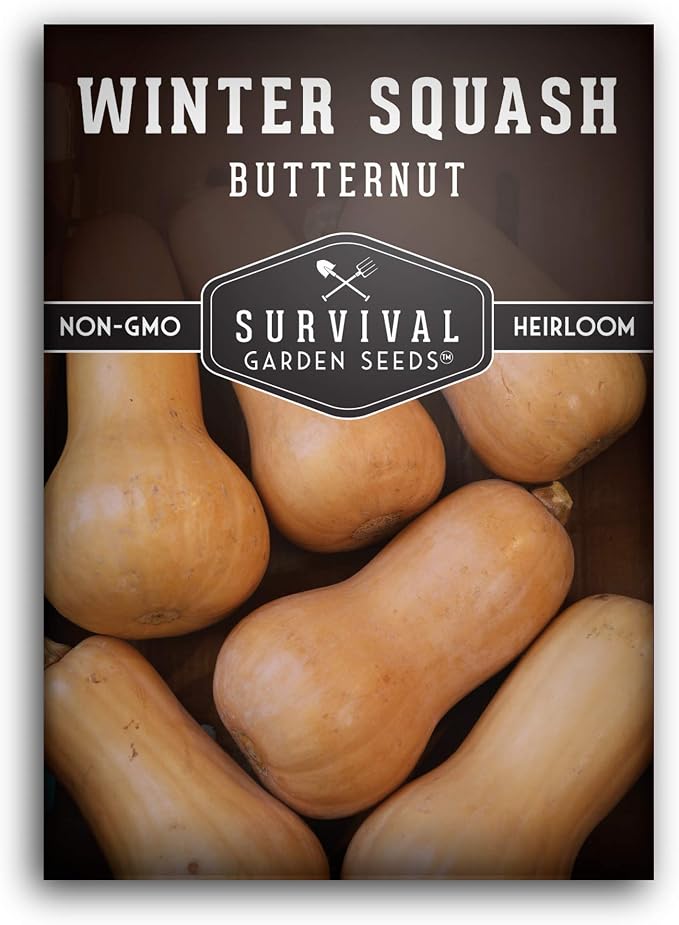
Growing your own winter squash can feel like a tight squeeze when garden space is limited. These seeds are perfect for anyone wanting a reliable source of sweet, nutritious butternut squash with guaranteed heavy yields.
The standout feature is how well they produce plenty of squash that store easily for months, helping to secure your food supply.
Starting from planting time in spring, these seeds thrive outdoors in full sun with regular watering. Their high germination rate and low maintenance nature make them ideal even for gardeners new to squash.
Vigorous vines tend to spread widely, attracting pollinators and supporting an extended bloom period through summer. Keeping soil loamy and well-watered helps the plants perform consistently.
The squash produced is thick-skinned with a deep orange flesh known for a naturally sweet, nutty flavor. It handles long-term storage well, lasting for months after harvest.
The seeds are untreated, fitting well with organic gardening. A common drawback is managing the vigorous vines, which require ample space. The seeds deliver dependable harvests year after year.
The seeds consistently deliver a heavy yield of winter squash celebrated for its naturally sweet and nutty flavor, making it a staple for long-term food storage. Managing the vigorous vines can be a challenge, especially in smaller garden spaces where they may quickly spread beyond intended areas.
Gardeners seeking high yield and easy care will find these seeds a solid choice. Those with limited outdoor space or inconsistent watering ability might want to consider options better suited for compact growth or drought tolerance.
Pros
- Produces heavy, dependable yields
- Sweet, nutty flavored thick-skinned squash
- High germination rate and easy to grow
- Attracts pollinators with extended bloom time
Cons
- Vigorous vines need plenty of garden space
- Requires regular watering for best results
| Specification | Details |
|---|---|
| USDA Hardiness Zone | 3-10 |
| Sunlight Exposure | Full Sun |
| Expected Planting Period | Spring |
| Soil Type | Loam Soil |
| Moisture Needs | Regular Watering |
| Seed Treatment Method | Untreated |
7. Waltham Butternut Squash Seeds

Growing over 100 premium non-GMO heirloom seeds means plenty of chances to get your butternut squash patch going strong. Perfect for gardeners after a sweet, authentic squash flavor with plants that yield a lot and keep well through winter.
Starting these seeds indoors or outdoors works fine, as long as they get a good amount of full sun. The vines grow vigorously and tend to produce a high yield, making the effort worth it.
Planting in warm soil and giving them plenty of space helps the squash develop fully.
Plants from these seeds produce squash that stores exceptionally well when cured and kept cool, lasting up to eight months. Seed quality is solid with a high germination rate, ensuring most sprouts take off. Some find the vines require a bit of room to stretch out, which could be a challenge in smaller gardens.
These seeds deliver a sweet, nutty squash that stores well for months if kept in the right conditions. Some find the plants take up more space than expected, needing room to grow their heavy-producing vines fully.
Gardeners with enough outdoor space and a sunny spot will appreciate the high yields and reliable storage. Those with limited space or less sun should consider a more compact variety or one suited for shade.
Pros
- High germination rate for strong start
- Long storage life for winter meals
- Heavy-producing vigorous vines
- Non-GMO heirloom seeds
Cons
- Vines can need a lot of space
- Requires full sun for best results
| Specification | Details |
|---|---|
| Indoor Outdoor Usage | Indoor, Outdoor |
| Sunlight Exposure | Full Sun |
| Expected Blooming Period | Winter |
| Seed Type | Non-GMO, Organic |
| Seed Count | 100+ Premium |
8. Waltham Butternut Winter Squash Seeds

Gardeners looking for hardy butternut squash seeds suited to colder zones will find these Waltham Butternut Winter Squash Seeds particularly useful. Their standout feature is the ability to thrive in USDA Hardiness Zone 3, making them a solid choice for those facing late frosts or cooler summers.
Planting these seeds requires moderate watering to keep the soil just right – neither too dry nor soggy. Expect them to bloom during summer and winter, which offers some flexibility depending on your growing region. The seeds respond well to standard soil preparation and don’t demand special treatment beyond consistent moisture.
The seeds reliably produce squash in the colder parts of the gardening calendar, matching well with their official blooming periods. Their hardiness in lower USDA zones is what gardeners often praise the most. The occasional downside mentioned is related to moisture management, as moderate watering is crucial and can affect growth if not maintained.
Praise centers on their ability to grow well in colder USDA Hardiness Zone 3 environments, clearly matching the expected summer and winter bloom periods. The most common complaint involves the necessity of maintaining moderate watering levels for best results, as too much or too little moisture can hinder growth.
Those with colder gardens or late-season planting challenges will appreciate these seeds. Gardeners in warmer zones or with less consistent watering practices might find other varieties better suited to their conditions.
Pros
- Suitable for cold climates, USDA Zone 3
- Blooms in both summer and winter seasons
- Requires moderate watering, not too demanding
Cons
- Needs careful moisture control to avoid issues
- Limited information on ideal soil conditions
| Specification | Details |
|---|---|
| Expected Blooming Period | Summer, Winter |
| USDA Hardiness Zone | 3 |
| Moisture Needs | Moderate Watering |
9. Waltham Butternut Squash Seeds

Waltham Butternut Squash Seeds stand out for growing a classic winter squash that is easy to care for and rewarding in flavor. Ideal for gardeners seeking a reliable plant with sweet orange flesh, these seeds offer high germination and non-GMO quality, making the growing process strong and straightforward.
Planting these seeds requires full sun and regular watering, which fits well into most home gardens. They sprout quickly thanks to their high germination rate, and the vines need little daily attention once established.
Both new and experienced gardeners will find these plants easy to tend, and they thrive from spring to summer.
These seeds live up to expectations by producing healthy butternut squashes with smooth tan skin, prized in cooking and baking. The seed quality guarantees strong growth in USDA zones 3-11. The main compliment revolves around ease of growth, while the most noted drawback is the ongoing need for consistent watering to keep plants healthy.
Waltham seeds are praised for their strong germination and vigorous growth, producing sweet, smooth-skinned squashes with minimal effort. The most frequent complaint is the plants’ demand for regular watering to maintain health and good fruit development.
Those seeking an easy-to-grow butternut squash with dependable results in suitable climates will appreciate these seeds. Gardeners facing inconsistent watering or limited sun exposure might want to explore other varieties better suited to their conditions.
Pros
- High germination rate for quick sprouting
- Non-GMO, heirloom seed quality
- Low maintenance once plants are established
- Thrives in a wide range of USDA zones
Cons
- Needs consistent watering to avoid stress
- Requires full sun, limiting planting sites
| Specification | Details |
|---|---|
| Expected Blooming Period | Spring to Summer |
| Sunlight Exposure | Full Sun |
| USDA Hardiness Zone | 3-11 |
| Moisture Needs | Regular Watering |
10. Butternut Winter Squash Seeds
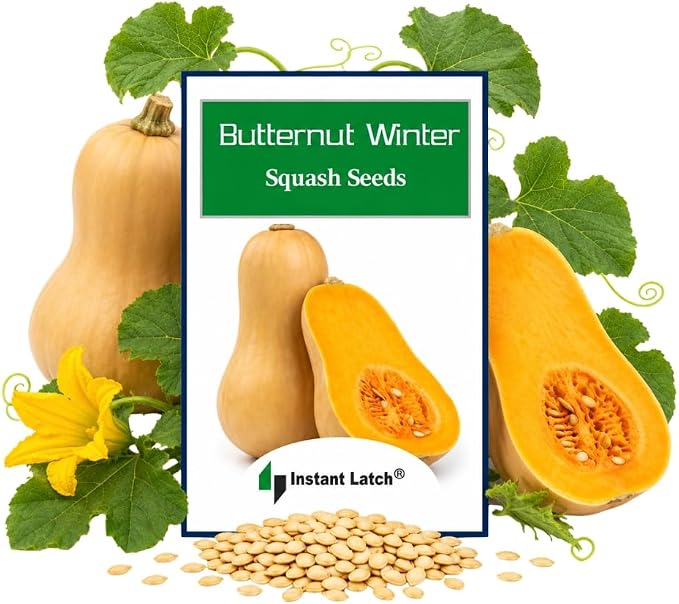
Waltham Butternut Winter Squash Seeds are ideal for gardeners wanting to grow large, flavorful winter squash that matures between 85 and 100 days. Their biggest strength lies in producing hefty squash in a reasonable growing period, perfect for those with enough garden space and patience for heirloom varieties.
Direct sowing these seeds in full sun during the winter is straightforward, with planting depth at one inch and spacing from 24 to 36 inches. Moderate watering throughout the season keeps the plants healthy, and the expected blooming period aligns with winter conditions.
Setting them up requires simple garden preparation and consistent attention to sunlight and moisture.
These seeds reliably produce butternut squashes ranging from 3 to 6 pounds, well-suited to home gardeners who appreciate heirloom crops. The seeds are expected to mature in about three months, striking a balance between growth time and yield size. Most users note the sizeable fruit as a highlight, while some mention the longer maturation period can challenge those wanting quicker harvests.
These seeds consistently produce large winter squash weighing between 3 and 6 pounds, admired for their size and flavor. The main drawback noted is the relatively long growing season, which demands patience and suitable weather conditions to mature fully.
Gardeners seeking a substantial butternut squash and willing to manage winter planting will appreciate these seeds. Those looking for faster-growing or more compact varieties might want to explore alternatives better suited for limited space or shorter seasons.
Pros
- Produces large 3-6 pound squash
- Heirloom variety with reliable seed quality
- Suitable for direct sowing outdoors
- Good yield with moderate watering
Cons
- Long 85-100 day maturation period
- Requires ample spacing in garden
| Specification | Details |
|---|---|
| Size at Maturity | 3-6 Pounds |
| Days to Maturity | 85-100 Days |
| Light Requirement | Full Sun |
| Sowing Method | Direct Sow |
| Plant Spacing | 24″ – 36″ |
| Moisture Needs | Moderate Watering |
11. Thresh Seed Co. Honeynut Butternut Squash Seeds

Growing butternut squash feels more manageable with Thresh Seed Co. Honeynut seeds, especially for gardeners with limited space.
These seeds produce small butternuts known for their sweet, nutty flavor. Best suited for small garden plots or raised beds, their compact vines make growing enjoyable without overwhelming your space.
Sowing seeds into well-drained loam soil under full sun works well with these. Regular watering encourages healthy growth.
The compact vines only spread 4 to 5 feet, making them easy to tend and excellent for trellising. The smaller size and mildew resistance ease common garden challenges, letting you care for the plants without constant worry.
These seeds reliably yield sweet, small butternut squashes with a distinctive caramel skin. The plants grow vigorously and climb nicely, fitting well in tighter garden spots.
Most praise highlights the delicious flavor and vine compactness. Some mention the limited size of the fruit, which could be less suitable for those wanting large squash.
Many appreciate the sweet and rich flavor of the small squashes and the vine’s space-saving growth, making them manageable in tight gardens. A frequent drawback is the smaller fruit size, which might not satisfy those looking for larger produce.
People with limited garden space or raised beds will find these seeds an excellent fit, enjoying manageable vines and tasty harvests. Those seeking larger butternut squash should consider other varieties better suited for full-size crops.
Pros
- Produces sweet, nutty flavored squash
- Compact vines suitable for small gardens
- Good resistance to powdery mildew
- Vigorous climbing habit for trellis growth
Cons
- Fruits are smaller than traditional butternut
- Needs consistent watering to thrive
| Specification | Details |
|---|---|
| Sunlight Exposure | Full Sun |
| Soil Type | Loam Soil |
| Moisture Needs | Regular Watering |
| Vine Length | 4 to 5 feet |
12. Smoke Camp Crafts Organic Waltham Butternut Squash Seeds

Organic Waltham butternut squash seeds offer a great choice for gardeners looking to grow squash outdoors with an emphasis on natural, chemical-free produce. Their biggest strength lies in being organically sourced, making them suitable for those who prefer sustainable and chemical-free gardening practices.
Planting these seeds requires a spot with full sunlight, ideal for outdoor garden beds. The seeds are straightforward to sow in warm soil, benefiting from ample sun exposure as indicated.
Daily maintenance involves regular watering and weeding, typical for any outdoor squash cultivation. Their organic nature reassures about avoiding synthetic pesticides or fertilizers around your plants.
Performance-wise, these seeds reliably produce healthy butternut squash when given full sun and proper care. The organic certification aligns well with sustainable gardening goals, and the seeds adapt well to outdoor conditions.
A common critique is their restriction to outdoor use only, which limits those wanting to grow indoors or in controlled environments. The seeds themselves have a solid reputation for germination under recommended conditions.
The seeds receive strong praise for their organic purity and ability to yield healthy squash outdoors. On the downside, they offer little versatility for indoor or low-light gardening setups. The outdoor-only limitation stands out for gardeners with limited space or sunlight.
Gardens with ample sunlight and space outdoors will find these seeds a good fit for organic butternut squash cultivation. Those lacking an outdoor planting area or seeking indoor gardening options should consider alternative seed varieties better suited for those conditions.
Pros
- Certified organic seeds for natural gardening
- Best suited for outdoor planting
- Thrives in full sun exposure
- Encourages sustainable growth practices
Cons
- Not intended for indoor growing
- Requires consistent full sun to fruit well
| Specification | Details |
|---|---|
| Indoor Outdoor Usage | Outdoor |
| Organic | Yes |
| Sunlight Exposure | Full Sun |
Best Butternut Squash Seeds Comparison Table
| Product | Expected Blooming Period | Sunlight Exposure | Moisture Needs | Special Features |
|---|---|---|---|---|
| Waltham Butternut Squash | Winter | – | – | – |
| Sow Right Waltham Seeds | Winter | Full Sun | Regular Watering | High Germination Rate |
| Waltham Winter Squash | No Blossoms | Full Sun | – | Low Maintenance, USA Made |
| Winter Squash Variety Pack | Summer | Full Sun | – | Disease Resistant, Drought Tolerant |
| Waltham Butternut Seeds | – | Partial Sun | – | – |
| Generic Butternut Seeds | Summer | Full Sun | – | High Germination, Low Maintenance |
| Waltham Squash Seeds | Winter | Full Sun | – | High Germination, Organic, Non-GMO |
| Waltham Winter Butternut | Summer, Winter | – | Moderate Watering | – |
| Waltham Butternut Hybrid | Spring to Summer | Full Sun | Regular Watering | – |
| Butternut Winter Seeds | Winter | Full Sun | Moderate Watering | – |
| Thresh Honeynut Squash | – | Full Sun | Regular Watering | – |
| Smoke Camp Waltham Organic | – | Full Sun | – | Organic |
- Expected Blooming PeriodWinter
- Sunlight Exposure–
- Moisture Needs–
- Special Features–
- Expected Blooming PeriodWinter
- Sunlight ExposureFull Sun
- Moisture NeedsRegular Watering
- Special FeaturesHigh Germination Rate
- Expected Blooming PeriodNo Blossoms
- Sunlight ExposureFull Sun
- Moisture Needs–
- Special FeaturesLow Maintenance, USA Made
- Expected Blooming PeriodSummer
- Sunlight ExposureFull Sun
- Moisture Needs–
- Special FeaturesDisease Resistant, Drought Tolerant
- Expected Blooming Period–
- Sunlight ExposurePartial Sun
- Moisture Needs–
- Special Features–
- Expected Blooming PeriodSummer
- Sunlight ExposureFull Sun
- Moisture Needs–
- Special FeaturesHigh Germination, Low Maintenance
- Expected Blooming PeriodWinter
- Sunlight ExposureFull Sun
- Moisture Needs–
- Special FeaturesHigh Germination, Organic, Non-GMO
- Expected Blooming PeriodSummer, Winter
- Sunlight Exposure–
- Moisture NeedsModerate Watering
- Special Features–
- Expected Blooming PeriodSpring to Summer
- Sunlight ExposureFull Sun
- Moisture NeedsRegular Watering
- Special Features–
- Expected Blooming PeriodWinter
- Sunlight ExposureFull Sun
- Moisture NeedsModerate Watering
- Special Features–
- Expected Blooming Period–
- Sunlight ExposureFull Sun
- Moisture NeedsRegular Watering
- Special Features–
- Expected Blooming Period–
- Sunlight ExposureFull Sun
- Moisture Needs–
- Special FeaturesOrganic
How to Choose the Best Butternut Squash Seeds
Choosing good butternut squash seeds involves considering factors like disease resistance, germination rate, and suitability for your climate. Selecting the right seeds helps ensure healthy plants and a better harvest, which saves money and reduces the time spent dealing with poor growth or crop failure.
Seed Viability and Germination Rate
Finding seeds with a high germination rate makes a noticeable difference in planting success. Using seeds with low viability often results in patchy or sparse growth, wasting time and effort.
Freshness is key; older seeds tend to sprout poorly or not at all. Checking the packaging date or asking about harvest time can save disappointment.
Untreated or organic seeds can be important for those wanting fewer chemicals in their garden or aiming for natural growth quality. These seeds usually come with clear labeling about their status. A germination rate above 80% is a solid baseline for good seed lots, ensuring that most seeds will turn into healthy seedlings without replanting.
Seed Size and Variety Type
Seed size affects how easy it is to handle and plant, especially when sowing by hand. Smaller seeds can be tricky to place precisely, leading to uneven spacing and growth. Larger seeds are simpler to manage and often germinate with fewer issues.
Different butternut squash varieties also vary in growth; some are bush types that need less space and support, while others vine extensively and require trellising or room on the ground.
Choosing a variety matching your garden’s climate and space conditions avoids problems like overcrowding or lack of sunlight. Bush varieties suit smaller gardens or containers, while vining types can produce more fruit if adequate room and support are available.
Disease Resistance and Hardiness
Plants grown from disease-resistant seeds show fewer signs of blight, powdery mildew, and other common issues. This lowers the need for chemical treatments or extra care and can save valuable growing time.
Resistance traits are often listed on seed packets or in descriptions, highlighting varieties selected for local challenges.
Hardiness against climate stresses such as heat or humidity ensures plants stay productive during tough seasons. Choosing seeds with pest tolerance reduces losses and effort chasing infestations.
Seeds bred for these traits typically lead to sturdier vines and better yields with less ongoing intervention.
Seed Quantity and Packaging
Buying seed packets sized appropriately for your planting plans avoids shortages or waste. Smaller packets may be fine for casual gardeners, but larger quantities benefit those planting multiple rows or sharing seeds. Packaging designed to keep moisture out helps maintain seed quality during storage, important if you don’t plan to plant all seeds immediately.
Resealable or well-sealed bags simplify storage by protecting seeds from humidity and pests over months or even years. This convenience keeps your stash ready for a second planting season without degradation.
Organic and Nongmo Certification
Seeds certified organic provide assurance they were grown and processed without synthetic pesticides or fertilizers. This supports chemical-free cultivation and often aligns with sustainable practices. Verification through certification labels confirms these standards have been met rather than claimed ambiguously.
Non-GMO certification identifies seeds that retain natural genetics, important for gardeners preferring to avoid genetic modification. Understanding these labels ensures buying from reputable sources that follow recognized protocols, adding confidence in seed origin and quality.
Optimal Growing Conditions for Butternut Squash Seeds
Butternut squash seeds thrive in soil that stays consistently warm, ideally between 70°F and 95°F. Planting directly into well-drained loamy soil with a slightly acidic to neutral pH (6.0 to 7.0) helps the seeds germinate faster and develop strong roots. It’s important to wait until all danger of frost has passed before sowing, as the seeds are sensitive to cold soil and low temperatures.
Provide ample space when planting. Butternut squash plants need room to spread, usually 3 to 5 feet between plants.
This spacing prevents competition for nutrients and reduces the risk of disease. Full sun exposure for at least 6 hours daily supports healthy growth and encourages fruit production.
Key factors to keep in mind:
- Maintain soil temperature above 70°F before planting
- Use well-draining soil with a pH around 6.0 to 7.0
- Give plants sufficient space, 3 to 5 feet apart
- Ensure full sun exposure during the growing season
Common Mistakes to Avoid When Planting Butternut Squash Seeds
Planting butternut squash seeds too early in cold soil is a frequent mistake that leads to poor germination or seed rot. The soil needs to be warm enough, as cold conditions slow down sprouting and invite fungal growth.
Overcrowding seedlings is another common error; squeezing plants together restricts airflow and increases the likelihood of powdery mildew and other diseases.
Many gardeners water inconsistently or excessively. Butternut squash prefers evenly moist soil rather than soggy or dry conditions.
Watering deeply but less often encourages deep root development, which is crucial for drought tolerance later on. Neglecting to provide enough soil nutrients can stunt growth; adding compost or balanced fertilizer before planting helps produce healthy plants and bigger fruits.
Common pitfalls to avoid:
- Planting in cold, wet soil too early
- Overcrowding seedlings, limiting airflow
- Inconsistent watering or waterlogged soil
- Failing to enrich soil with nutrients beforehand
Comparing Heirloom and Hybrid Butternut Squash Seed Varieties
Heirloom and hybrid butternut squash seeds differ primarily in genetics and traits. Heirloom varieties are open-pollinated seeds passed down over generations, often prized for their rich flavor and unique shapes. They allow growers to save seeds from each harvest for the next season.
However, heirlooms may have variable plant performance and can be more susceptible to some diseases.
Hybrid seeds are bred by crossing two different parent plants to combine desired traits like disease resistance, uniform fruit size, and higher yields. These seeds can produce more consistent results but do not reliably produce true-to-type plants when saved and replanted.
Hybrids may require purchasing fresh seeds each year for best results.
Considerations when choosing between heirloom and hybrid:
- Heirlooms offer seed saving and unique flavors but less consistency
- Hybrids provide stronger disease resistance and uniform crops
- Seed saving is best suited to heirlooms, not hybrids
People Also Asked
How Do I Properly Store Butternut Squash Seeds After Buying?
Store butternut squash seeds in a cool, dry place in an airtight container. Keeping them away from moisture prevents mold and keeps the seeds viable for longer. A drawer or cupboard works fine as long as the temperature stays stable.
What Is the Ideal Soil Type for Growing Butternut Squash Seeds?
Butternut squash grows best in well-draining soil that is rich in organic matter. Adding compost before planting helps retain moisture and provides nutrients. Avoid heavy clay or very sandy soils unless amended.
Are Butternut Squash Seeds Safe to Eat Raw?
Butternut squash seeds are safe to eat raw, but they may be tough and less flavorful than roasted. Many prefer roasting them with a bit of oil and salt to improve taste and texture. Raw seeds are often easier to digest once soaked or sprouted.
How Long Do Butternut Squash Seeds Typically Last Before Planting?
Butternut squash seeds typically remain viable for about 3 to 4 years if stored under the right conditions. Older seeds might still grow but take longer to sprout and yield less. To test viability, soak a few seeds in water; those that sink are more likely to germinate.
What Common Problems Affect Butternut Squash Plants Grown from Seeds?
Common problems include powdery mildew, squash vine borers, and aphids. These pests and diseases can stunt growth or kill plants. Regular inspection and good air circulation help reduce these issues, and removing affected leaves or using organic treatments can control outbreaks.
Conclusion
Choosing butternut squash seeds depends mainly on the seed variety, germination rate, and seed size. Knowing what grows well in your region and how reliable the seeds are will affect your success. Larger seeds may be easier to plant, but the variety should suit how long your growing season is and the flavor you prefer.
Match your seed choice to the space you have available and how much you plan to grow. Buying in small quantities makes sense for limited garden space or casual gardeners.
Check the comparison table above for details on each seed type, including price and expected yield, to find the best fit for your garden and budget.

I’m Jake Thompson, and I’ve spent over a decade working on lawn mowers, from small push mowers to big riding tractors. I write about starting problems, blade sharpening, carburetor cleaning, oil changes, and seasonal maintenance. My goal is to give you clear, step-by-step advice so you can handle common mower issues yourself and keep your lawn looking sharp all season.