Top 12 Best Container Gardens That Will Amaze You Today
Cheap or poorly designed containers often crack, leak, or allow water to drain too quickly, starving plants of moisture. The best container gardens avoid these issues by using durable materials that withstand outdoor conditions and ensure proper drainage.
People familiar with container gardening know the frustration when soil dries out in hours or roots get waterlogged due to inadequate drainage holes.
Quality container gardens are made from materials like fiberstone, ceramic, or heavy-duty plastics that prevent quick deterioration. Size matters depending on plant type; container depth should generally be at least 8-12 inches to accommodate root growth. Good containers also feature proper drainage holes to avoid standing water, and their weight or design should keep them stable against wind or movement.
Need a Quick Check?
| Image | Product | Price |
|---|---|---|
Our Top Picks 1  | Galvanized Raised Bed | Check Price |
Our Top Picks 2  | Money-Saving Gardener | Check Price |
Our Top Picks 3  | Land Guard Garden Bed | Check Price |
Our Selected Top 12 Container Gardens Picks for Every Need
This list features a variety of container gardens designed for different spaces and gardening styles. Each review covers how the garden performs, who it’s best suited for, and highlights its main strengths and weaknesses to help you make an informed choice.
1. Raised Garden Bed Galvanized Planter Box
Gardening in a small space or struggling with poor soil quality gets easier with a raised garden bed that’s sturdy and practical. Ideal for people who want a durable, easy-to-set-up planter that keeps plants healthy by avoiding water buildup, this galvanized raised bed offers a smart solution for growing veggies or flowers with less hassle.
Putting the planter together takes minimal time and effort since all necessary hardware and instructions come included. The oval shape and open bottom design help water drain properly, preventing root decay and making sure plants absorb nutrients well. It suits gardeners who prefer a no-fuss setup and want long-lasting outdoor use without worrying about rust or damage.
Constructed from 0.8mm galvanized metal sheets with double-layer anti-corrosion coating, this planter holds up better than typical raised beds with thinner metal. It handles daily exposure to the elements and supports a healthy root environment thanks to the open bottom. Many users find it highly durable, although some mention the size requires a significant amount of soil (68 gallons), which can be costly or heavy to manage for certain spaces.
Many appreciate the planter’s strong build and durability thanks to the thick galvanized metal and corrosion protection. Its open bottom design supports plant health by draining well and preventing root disease. On the downside, managing 68 gallons of soil can feel heavy and expensive, especially in limited spaces.
People looking for a solid, long-lasting garden bed that handles wet conditions well will find this a good fit. Those with tiny balconies or who want less soil to fill might prefer a smaller or shallower option. The planter’s size and weight make it best suited for larger patios or yards where soil volume is manageable.
Pros
- Durable galvanized metal with anti-corrosion layers
- Easy to assemble with included hardware and instructions
- Open bottom prevents water accumulation and root rot
- Attractive minimal design fits various outdoor spaces
Cons
- Requires a large amount of soil (68 gallons)
- Size may be bulky for very small patios or balconies
| Specification | Details |
|---|---|
| Size | 60×29×11 in |
| Material thickness | 0.8mm galvanized metal sheet |
| Soil capacity | 68 gallons |
| Design | Oval, open bottom |
| Color | Silver |
2. The Money-Saving Gardener Containers
Saving money while growing healthy plants is the main appeal of The Money-Saving Gardener Containers, making it ideal for budget-conscious gardeners looking to maximize their garden space. Its design focuses on practicality and durability, which helps ensure long-term use without frequent replacements.
Setup is straightforward, allowing you to arrange the containers as needed without extra tools or complicated instructions. The containers are lightweight enough to move around your space but sturdy enough to stay put once filled.
Day-to-day use involves easy access for watering, and the design manages soil retention and root space well, helping your plants thrive without constant fuss.
Durability stands out as a strong point, with the materials holding up well under outdoor conditions. The containers effectively retain water while offering good drainage, which limits overwatering concerns. A common downside is that they may require occasional cleaning to prevent dirt buildup on the edges, but overall, the build quality supports consistent gardening efforts without much wear.
The containers are praised for their affordability and practicality, making garden expansion possible without high costs. Cleaning is the most frequent task, necessary to keep the containers looking tidy and functioning well.
Gardeners wanting cost-effective, functional containers will appreciate this product. Those looking for decorative or more stylish garden containers might prefer different options.
Pros
- Affordable for large gardening projects
- Lightweight for easy rearrangement
- Good soil retention and root room
- Effective drainage to prevent waterlogging
Cons
- Needs regular cleaning to avoid dirt buildup
- Basic design lacks decorative appeal
| Specification | Details |
|---|---|
| Material | Durable plastic |
| Weight | Light and easy to move |
| Dimensions | Standard container size |
| Drainage | Effective drainage holes |
| Maintenance | Simple cleaning required |
3. Land Guard Galvanized Raised Garden Bed 2 Pack
Gardeners who want a simple, durable solution for growing plants in limited spaces will appreciate this set. Perfect for flowers, herbs, and vegetables alike, it stands out by offering excellent rust protection that helps plants thrive over time.
Setup is straightforward since the beds are elevated and ready to place on the ground. The 4 x 2 x 1 ft size is roomy yet manageable, fitting well on patios or small yards. The open bottom helps with drainage and keeps weeds from sneaking in, making daily watering and maintenance easier without worrying about soggy soil.
Galvanized steel construction with zinc coating keeps these beds resistant to rust and corrosion, which means they last through seasons without breaking down. They do a great job balancing soil moisture and preventing root rot due to proper drainage. Some users mention occasional sharp edges as a downside, but overall, the build quality is solid and reliable.
The galvanized steel and zinc coating offer excellent durability and protect against rust, making the beds very practical for outdoor gardening. The most often mentioned issue is the sharp edges, which require careful handling during setup to avoid minor injuries.
This product will please people looking for sturdy, low-maintenance raised beds that fit smaller areas well. Gardeners needing taller beds or softer materials might want to explore other options better suited to their plants’ specific needs.
Pros
- Durable galvanized steel with zinc coating
- Open bottom for great drainage
- Two beds provide ample growing space
- Corrosion-resistant for long-lasting use
Cons
- Edges can be sharp on assembly
- Limited height might not suit all plants
| Specification | Details |
|---|---|
| Color | Silver |
| Product Style | Oval |
| Planter Form | Raised Bed |
| Shape | Oval |
| Dimensions | 4 x 2 x 1 ft |
4. The Art of Raised Bed and Container Gardening

Helping gardeners create raised beds and container gardens, the Art of Raised Bed and Container Gardening suits anyone looking to improve their outdoor planting techniques. Its biggest strength lies in clear, practical advice that simplifies planning and maintenance for both beginners and experienced gardeners.
Setting up involves following step-by-step guidance for building and arranging beds, making it straightforward to start garden projects. Day-to-day care tips focus on soil management and plant selection, which are easily actionable. The book covers essential details on watering, sunlight needs, and seasonal adjustments so you can maintain your garden well throughout the year.
Performance shines in its practical approach to gardening challenges, backed by detailed explanations and illustrations. Built around tried methods, the content ensures readers understand how to optimize space and soil conditions.
Praises mention how helpful and informative the steps are, while critiques point out occasional lack of depth on advanced techniques for more ambitious gardeners.
Clear, practical instructions make garden projects approachable, while some readers find the coverage too basic for more advanced needs. Hands-on advice about soil, watering, and plant selection supports effective garden management.
Those new to container or raised bed gardening will find the book helpful and inspiring. Gardeners seeking detailed, technical strategies should consider supplementary resources to deepen their knowledge.
Pros
- Targets both raised beds and container gardening
- Easy to follow step-by-step instructions
- Includes practical tips on soil and plant care
- Suitable for beginners and casual gardeners
Cons
- Some advanced techniques are not deeply covered
- May feel basic for experienced gardeners
| Specification | Details |
|---|---|
| Format | Paperback |
| Pages | 128 |
| Author | Michael Judd |
| Publisher | Storey Publishing |
| ISBN | 978-1603426608 |
5. Terrain Container Garden Book

Terrain Container Garden Book is a comprehensive guide designed for anyone looking to create thriving container gardens. It shines by providing clear, practical advice on selecting, planting, and maintaining container gardens, making it perfect for beginners and seasoned gardeners alike.
Setting up your container garden using this book feels straightforward thanks to its step-by-step instructions and detailed planting calendars. Day-to-day care tips focus on watering schedules, soil choices, and pest control, all explained in simple terms that help keep your container plants healthy without feeling overwhelming.
The book’s focus on practical guidance makes container gardening accessible and enjoyable. It is well-organized with clear photos and diagrams that support the text.
Some readers wish for a wider variety of plant suggestions, but the advice given is solid and reliable for most typical container setups.
Clear guidance and practical tips make creating and maintaining container gardens manageable for most uses, although some readers seek a broader plant range. The book’s simple approach appeals to those new to gardening but may leave more experienced growers wanting more detail.
Anyone starting container gardening will find it helpful, especially if they prefer hands-on advice. Those needing specialized or advanced techniques might prefer a more detailed or plant-specific resource instead.
Pros
- Clear step-by-step planting instructions
- Useful watering and care schedules
- Good mix of photos and diagrams
- Suitable for all skill levels
Cons
- Limited plant variety included
- Some advice feels too basic for experts
| Specification | Details |
|---|---|
| Type | Gardening Book |
| Focus | Container Gardening |
| Audience | Beginners and Experienced Gardeners |
| Content | Plant Selection, Soil, Watering, Pest Control |
| Format | Printed Book |
6. The Old Farmer’s Almanac Container Gardener’s Handbook

Container gardening feels more approachable and organized when you have a clear guide like The Old Farmer’s Almanac Container Gardener’s Handbook. It suits beginners and seasoned gardeners who want straightforward advice about growing plants in containers. The biggest strength lies in how easy it makes understanding plant selection and care for container gardens.
Getting started is simple using practical tips that cover soil choices, drainage importance, and watering routines. The handbook offers step-by-step guidance that helps avoid common pitfalls.
Day-to-day use involves referencing specific plant recommendations and troubleshooting problems like pests or nutrient deficiencies, which keeps your garden on track without confusion.
It performs well as a comprehensive reference, covering a wide range of plants suited for container gardening and how to maintain them. The content is clearly written and useful for quick consultation. The build quality of the book itself is sturdy enough to survive frequent outdoor use, although some might find the amount of detail overwhelming at times.
Many appreciate how the handbook simplifies choosing and caring for container plants, making gardening feel manageable. Some find the information too dense, wishing for quicker access to essentials when working outdoors.
Anyone just starting container gardening or needing solid guidance will enjoy this book. Those wanting highly specialized or advanced tips might look for more focused resources instead.
Pros
- Clear, practical advice for container plants
- Durable format for outdoor use
- Wide variety of plant types covered
Cons
- Sometimes too detailed for quick reference
- Not ideal for highly experienced gardeners
| Specification | Details |
|---|---|
| Type | Gardening Handbook |
| Focus | Container Gardening |
| Content Scope | Plant Selection, Soil, Maintenance |
| Physical Format | Printed Handbook |
7. Containers in the Garden

Great for gardeners looking to organize plants with style, Containers in the Garden shines in its variety and ease of use. Its biggest strength is offering practical solutions that fit many spaces without overwhelming them.
Setting up involves placing the containers in desired spots, which suits patio, balcony, or small yard settings well. The weight and materials make moving them manageable, and cleaning between planting seasons is straightforward. Daily watering and pruning fit easily into any normal routine, with designs that aid drainage and prevent soil mess.
Performance holds up well through several seasons, keeping plants healthy when cared for properly. The build uses solid materials that resist wear from weather changes.
Many reviews praise how handy the containers are for herb and flower gardens, while some mention that certain models could improve in stability during strong wind.
Most praise highlights how Containers in the Garden makes caring for multiple plants straightforward and tidy, helping create a neat green area without much fuss. The common complaint revolves around stability issues in windy conditions for a few container styles.
Those with manageable outdoor spaces who want flexible plant arrangements will appreciate these containers. People needing very heavy-duty, windproof gardening options might want to explore sturdier alternatives.
Pros
- Variety fits many garden spaces
- Easy to move and rearrange
- Designed for effective drainage
- Simple to clean
Cons
- Some containers less stable in wind
- Material specifics not detailed
| Specification | Details |
|---|---|
| Material | Not specified |
| Weight | Not specified |
| Dimensions | Varies by model |
| Design | Various container sizes and shapes |
8. The Compact Garden

Constructed primarily from sturdy, durable materials, it suits gardeners looking for a compact, space-saving option. Its single biggest strength lies in fitting well into small spaces while still supporting a healthy garden.
Setup requires minimal effort, with a design that keeps soil and plants snug without extra fuss. Daily watering and maintenance are straightforward thanks to its manageable size and well-thought-out structure. Its compact nature means it fits easily on balconies or patios, making it practical for urban gardening.
It performs well for growing various plants in limited areas, holding soil securely without leaks. The build quality is solid, designed to last through different weather conditions.
Reviews often praise its space efficiency, while common complaints focus on limited capacity for larger plants.
The Compact Garden is praised for its space-saving design and ease of setup, making it practical for small outdoor spaces or balconies. Most people find it sturdy enough to hold various plants securely. On the downside, some note that the soil capacity is limited, meaning it may require more frequent watering and feeding to keep plants healthy throughout the season.
Ideal for apartment dwellers or those with limited yard space looking to grow a modest selection of herbs or flowers. People wanting to cultivate larger vegetables or multiple plants might find it too small and would benefit from a garden bed with greater depth and soil volume. Those needing a low-maintenance option should prepare to tend regularly.
Pros
- Space-saving design fits small areas
- Durable materials stand up to weather
- Lightweight and easy to move
- Simple to clean and maintain
Cons
- Limited capacity restricts larger plants
- Not suitable for extensive gardening
| Specification | Details |
|---|---|
| Size | Compact |
| Material | Durable construction |
| Weight | Lightweight |
| Power | Not applicable |
| Cleaning | Easy to clean |
9. The Container Kitchen Garden

Compact and designed for versatility, it fits well in small spaces and is ideal for kitchen gardeners wanting fresh herbs and veggies close at hand. Its biggest strength lies in combining functionality with a manageable size that suits balconies and patios alike.
Setting it up is straightforward, and the units are easy to arrange according to the space available. Daily care is simple due to well-thought-out drainage and easy soil access. The kitchen garden keeps everything organized, making watering and harvesting quick and convenient tasks.
Performance is steady with plants growing healthily thanks to adequate soil volume and proper drainage. Build quality holds up well under typical outdoor conditions, showing durability through daily use.
Most praise highlights the efficient use of space, while the frequent complaint mentions the weight when fully loaded.
Many appreciate how efficiently the garden uses small spaces, keeping herbs and vegetables accessible. The most common issue is the container’s weight, especially when watered and filled with soil, which can make moving it a bit difficult.
Perfect for urban gardeners needing a compact, reliable container for frequent kitchen use. Those requiring lightweight or highly customizable systems might want to look at other options better suited for frequent repositioning or larger growing spaces.
Pros
- Compact design fits limited spaces
- Durable plastic construction
- Integrated water drainage system
- Easy to arrange and access plants
Cons
- Can be heavy when fully filled
- Lacks advanced drainage control
| Specification | Details |
|---|---|
| Weight | 3.0 kg |
| Material | Durable plastic |
| Dimensions | Compact fit for small areas |
| Water drainage | Integrated system |
10. The Container Garden Recipe Book

Perfect for anyone wanting guidance and inspiration for their container gardens, this book brings practical recipes for thriving plant setups. Ideal for gardeners who prefer structured advice over guesswork, its strongest point is in combining variety and simplicity to keep container gardening approachable and fun.
Getting started involves choosing plants suited to containers, and the book lays out clear combinations that suit different conditions and design goals. Day-to-day, it helps you plan watering, feeding, and light needs with ease, so the containers stay healthy without overwhelming. The step-by-step approach makes managing spaces of all sizes manageable.
The book delivers solid advice that covers a broad range of container gardens, showing how to mix plants that grow well together. It’s built around practical experience rather than just theory, which comes across clearly in the recipes.
Some readers mention wishing for even more photos or detailed troubleshooting tips, but the core instructions hold strong for straightforward garden success.
The clearest praise highlights the book’s practical approach to container gardening recipes, making the process straightforward and enjoyable. The most common complaint is about the desire for more photos and troubleshooting details, which could help with problem-solving as plants grow.
Those who want clear, actionable advice for mixing and caring for container plants will find this a handy resource. Gardeners looking for visual guides or advanced problem-solving might want to explore more detailed or photo-rich options instead.
Pros
- Simple step-by-step recipes for container planting
- Useful for beginners and experienced gardeners
- Offers diverse plant combinations
- Easy to understand care instructions
Cons
- Lacks extensive troubleshooting tips
- Could use more visual examples
| Specification | Details |
|---|---|
| Type | Recipe Book for Container Gardening |
| Content | Plant combinations and care guides |
| Target Audience | Home gardeners of all experience levels |
| Focus | Practical container garden setups |
11. Raised Garden Bed Outdoor 2 Pack

Growing vegetables or flowers in a small yard or balcony often means limited space and worry about soil quality. Raised Garden Bed Outdoor 2 Pack suits anyone who wants a clean, organized spot for container gardening with enough room for plants to grow comfortably.
The biggest strength lies in its solid, rust-proof construction that lasts through seasons.
Setting up takes just a few minutes since the bed comes with an open bottom frame for easy drainage and root expansion. Water flows naturally, preventing soggy soil, and the eco-friendly coating keeps plants safe from metal contact.
Day-to-day, it stays put without rusting, and the size offers plenty of space to arrange different plants without feeling cramped.
The build is durable thanks to thick galvanized steel with an anti-rust coating, perfect for long-term outdoor use. Many praise how well it resists corrosion even after contact with soil, making it reliable.
A common complaint is the simplicity of the oval design may limit creative garden shapes or stacking options, but it does what it promises well.
Many find the anti-rust coating and durable steel make it a lasting solution for outdoor gardening, even with direct soil contact. A frequent drawback mentioned is the low height, which restricts planting deeper-rooted vegetables or flowers.
Anyone needing a tough, straightforward raised bed with good drainage and eco-friendly materials will appreciate this set. Those wanting taller beds or more elaborate garden shapes might look for something different.
Pros
- Ample space for a variety of plants
- Eco-friendly coating prevents soil contamination
- Rust-proof and durable steel construction
- Open bottom ensures excellent drainage
Cons
- Simple oval shape limits design options
- Height may be too low for deep-root veggies
| Specification | Details |
|---|---|
| Size | 46″L x 23.6″W x 11.8″H |
| Material | Thick galvanized steel plate with anti-rust coating |
| Color | Brown |
| Planter Form | Raised Bed |
| Shape | Oval |
12. Keter Urban Bloomer Raised Garden Bed

Built-in water gauge stands out for anyone keen on keeping their herbs perfectly watered without guesswork. Sized neatly for urban spaces, it suits balcony gardeners needing easy control over their plants’ moisture levels.
Assembly is straightforward, guided by clear instructions so it doesn’t take long to get going. The water reservoir below keeps plants hydrated for longer, while the drainage system gives you the choice to open or close it depending on weather or plant needs. Checking the water gauge daily helps avoid both dry roots and soggy soil, which is key for healthy herbs.
Materials feel sturdy and resilient, holding up well outdoors without warping. It does the job of maintaining moisture balance accurately thanks to the water reservoir and drainage control.
Some feedback mentions it could be a bit narrow for larger plants, but most appreciate the ease of use and thoughtful watering system.
Users appreciate how the water reservoir and gauge prevent over- and underwatering, making plant care much more straightforward. However, some find the planter’s narrow width restrictive for growing bigger plants or a wider variety in one bed.
Those with limited balcony space and a focus on herbs or small plants will find this raised bed convenient and practical. Gardeners wanting a wider or more color-varied planter might want to explore other options better suited to their needs.
Pros
- Built-in water gauge for moisture control
- Drainage system can be opened or closed
- Includes water reservoir to avoid root decay
- Simple assembly with clear instructions
Cons
- Narrow width limits larger plant varieties
- Only one color option available
| Specification | Details |
|---|---|
| Dimensions | 32.3 in. L x 14.7 in. W x 30.7 in. H |
| Color | Dark Grey |
| Planter Form | Raised Bed |
| Shape | Rectangular |
| Imported | Yes |
Best Container Gardens Comparison Table
| Product | Color | Product Style | Planter Form | Shape |
|---|---|---|---|---|
| Galvanized Raised Bed | Silver | Minimal | Raised Bed | Oval |
| Money-Saving Gardener | – | – | – | – |
| Land Guard Garden Bed | Silver | Oval | Raised Bed | Oval |
| Art of Raised Garden | – | – | – | – |
| Terrain Container Garden | – | – | – | – |
| Old Farmer’s Container | – | – | – | – |
| Containers in Garden | – | – | – | – |
| The Compact Garden | – | – | – | – |
| Container Kitchen Garden | – | – | – | – |
| Container Garden Recipes | – | – | – | – |
| Outdoor Raised Bed 2-Pack | Brown | Modern | Raised Bed | Oval |
| Keter Urban Bloomer | Dark Grey | Urban Bloomer Planter | Raised Bed | Rectangular |
- ColorSilver
- Product StyleMinimal
- Planter FormRaised Bed
- ShapeOval
- Color–
- Product Style–
- Planter Form–
- Shape–
- ColorSilver
- Product StyleOval
- Planter FormRaised Bed
- ShapeOval
- Color–
- Product Style–
- Planter Form–
- Shape–
- Color–
- Product Style–
- Planter Form–
- Shape–
- Color–
- Product Style–
- Planter Form–
- Shape–
- Color–
- Product Style–
- Planter Form–
- Shape–
- Color–
- Product Style–
- Planter Form–
- Shape–
- Color–
- Product Style–
- Planter Form–
- Shape–
- Color–
- Product Style–
- Planter Form–
- Shape–
- ColorBrown
- Product StyleModern
- Planter FormRaised Bed
- ShapeOval
- ColorDark Grey
- Product StyleUrban Bloomer Planter
- Planter FormRaised Bed
- ShapeRectangular
How to Choose the Perfect Container Garden
Choosing the right container garden involves considering size, drainage, and the types of plants you want to grow. Paying attention to these factors helps ensure healthy growth and reduces the need for costly replacements or extra maintenance, saving both money and effort over time.
Container Size and Shape
Trying to fit a large vegetable mix in a small container often ends in crowded plants and slow growth. Gardeners who underestimate the space available for their setup find themselves constantly rearranging to accommodate oversized pots. Not all shapes work well in every spot, narrow balconies might only fit rectangular or slim containers while round pots suit patios better.
For smooth daily use, choose a container size that matches your available area and the number of plants you plan to grow. Most vegetables need at least 12 inches in depth, and wider shapes give roots room to spread. Squared or rectangular containers help optimize space along walls or railings, whereas round pots offer better access from all sides.
Measuring your placement area first prevents buying units that don’t fit your layout or block walkways.
Material and Durability
A container cracked by winter cold or faded under constant sun forces premature replacement and disrupts gardening routines. Materials like thick plastic and resin generally resist UV rays and freezing better than ceramic or clay, which can absorb water and crack.
Look for weather-resistant materials that keep their shape and color over time. Plastic varieties tend to retain moisture longer, reducing daily watering needs, but sometimes lack breathability. Fiberglass and metal resist cracking and corrosion though metals may heat soil quickly under direct sun.
Checking product details on resistance ratings and reading reviews from local users helps identify options that will withstand your climate without frequent damage or upkeep.
Drainage and Water Management
Water pooling at the base causes roots to rot, one of the most common failures in container gardening. Containers without enough drainage holes trap excess water and suffocate plants. Conversely, pots that let water pour out quickly may need more frequent watering.
Ensuring there are multiple drainage holes sized around ¼ inch or larger is important. Some models include self-watering features such as built-in reservoirs that hold extra moisture and prevent overflows during watering.
Designs allowing water to flow through easily without dripping everywhere make everyday watering neater and less wasteful.
Weight and Portability
One lesson learned by many gardeners is that a large container filled with soil and plants can be surprisingly heavy and nearly impossible to move. This becomes a problem when sunlight patterns change or during bad weather when relocation is necessary.
Consider the combined weight of the pot and soil, which can easily exceed 30-40 pounds for medium sizes. Containers with built-in handles or wheels ease repositioning.
Lightweight materials like plastic or resin reduce strain, while some larger ceramic pots require a dolly or multiple people. Assessing portability upfront saves effort and frustration during regular maintenance or seasonal moves.
Ventilation and Root Space
Shallow containers with limited root space stunt plant growth and lead to early wilting since roots cannot expand or access enough nutrients. Compacted soil further restricts oxygen flow, causing stress and poor development.
Sufficient depth of 12 to 18 inches and adequate width are essential for a healthy root system. Containers designed with ventilation features or porous sides provide better air flow, reducing the risk of root rot. Some manufacturers include inserts or layers that prevent soil compaction and improve oxygenation, which helps roots breathe and thrive throughout the growing season.
Tips for Maximizing Growth in Small Container Gardens
Choosing the right soil is crucial for container gardens. Use a high-quality potting mix designed for containers rather than garden soil, which can compact and drain poorly. Containers dry out faster than ground beds, so regular watering is necessary, but overwatering can suffocate roots.
Consider adding slow-release fertilizer or feeding plants with liquid nutrients every few weeks to supply essential minerals.
Plan your garden layout by grouping plants with similar light and water needs together. Taller plants can shade smaller ones if placed improperly. Use containers with drainage holes to prevent waterlogging.
Elevating containers slightly improves air circulation.
Plant selection and spacing:
- Choose compact or dwarf varieties suited for containers.
- Leave enough space around each plant to allow airflow and growth.
- Rotate crops each season to reduce soil nutrient depletion.
Common Mistakes to Avoid When Setting up Container Gardens
Starting container gardens without drainage holes often leads to root rot. Always ensure containers have adequate drainage to prevent standing water. Using regular garden soil instead of potting mix can result in poor aeration and compaction, which stresses plants.
Overcrowding containers limits airflow and increases disease risk. Plants need room to grow and breathe. Another common error is inconsistent watering, letting containers dry out completely before thoroughly soaking causes root damage and stress.
Failing to consider sunlight exposure can stunt growth. Place sun-loving plants where they receive sufficient light, and shade-preferring ones in partial shade.
Ignoring fertilization needs leads to nutrient deficiencies since container soil depletes faster than garden soil.
Comparing Traditional Planters and Self-Watering Containers for Different Plant Types
Traditional planters usually require more frequent watering because soil dries out quickly. They work well for vegetables and annual flowers that prefer well-drained soil conditions.
These planters come in various materials like terracotta, plastic, and ceramic, each affecting moisture retention differently.
Self-watering containers have reservoirs that supply consistent moisture, reducing the risk of drying out. They are beneficial for herbs, leafy greens, and plants sensitive to water fluctuations.
These containers can simplify maintenance for those who may forget regular watering.
Consider plant type and care routines when choosing between them:
- Traditional planters offer more control over watering but need more attention.
- Self-watering containers help maintain steady moisture but may not be suitable for plants that dislike saturated roots.
People Also Asked
How Do I Choose the Right Size Container Garden for My Plants?
Choose a container big enough to fit your plant’s root system with some extra room to grow. Deeper pots work well for vegetables, while shallow ones suit succulents or herbs. Check drainage holes to avoid waterlogging, which can harm roots.
What Is the Proper Care Routine for Container Gardens?
Water your container garden regularly, making sure the soil stays moist but not soaked. Fertilize every couple of weeks during the growing season with a balanced fertilizer. Rotate plants occasionally to ensure even sunlight exposure.
Are Container Gardens Safe for Indoor Pets and Children?
Many container gardens are safe for indoor pets and children, but verify that none of the plants are toxic. Keep containers stable and out of reach to prevent tipping. Avoid using harmful pesticides or chemicals around kids and pets.
How Long Do Typical Container Gardens Last with Regular Use?
Container gardens typically last several growing seasons if you refresh the soil and clean the pots yearly. Repotting plants as they outgrow the container helps maintain healthy growth. Some plants may need replacing after a year or two depending on type.
What Common Problems Should I Expect When Using Container Gardens?
Overwatering and poor drainage are common problems, leading to root rot. Watch for pests like aphids or spider mites, especially indoors. Nutrient depletion in soil can slow growth; regular fertilizing helps avoid this issue.
Conclusion
Choosing container gardens depends mainly on the size and type of plants you want to grow, as well as how much sunlight your space gets. The material of the container matters too because some hold moisture better or last longer outdoors.
Look for containers with good drainage to keep your plants healthy.
Consider how much room you have and how often you want to tend your garden. Smaller spaces may need more compact containers, while bigger setups allow for diverse planting.
Review the comparison table and detailed picks above to find the right fit for your needs and budget.
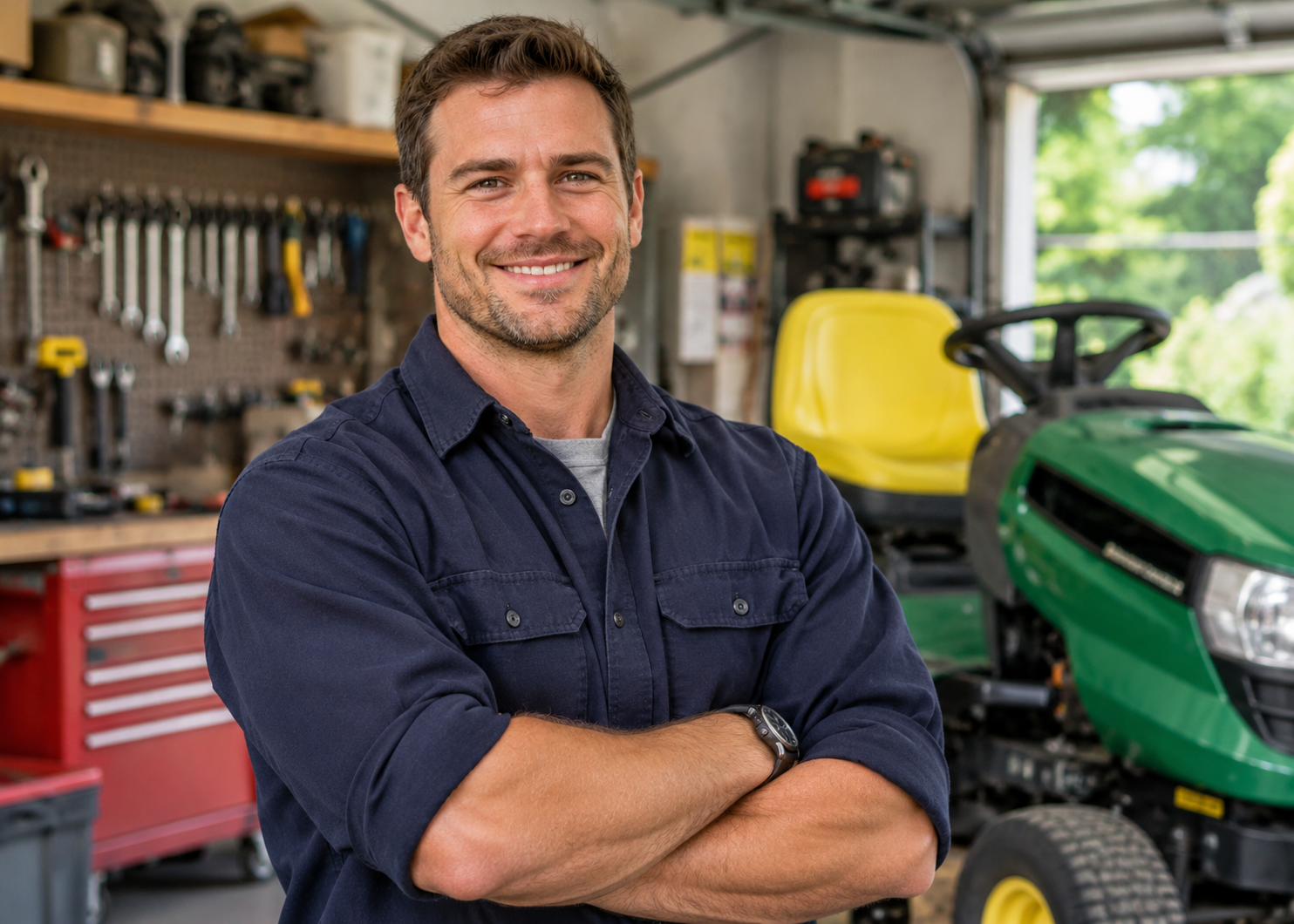
I’m Jake Thompson, and I’ve spent over a decade working on lawn mowers, from small push mowers to big riding tractors. I write about starting problems, blade sharpening, carburetor cleaning, oil changes, and seasonal maintenance. My goal is to give you clear, step-by-step advice so you can handle common mower issues yourself and keep your lawn looking sharp all season.