Top 12 Best Leaves for Compost That Boost Garden Growth!
Compost piles can quickly turn into a sloppy, smelly mess if the wrong leaves are added. The best leaves for compost break down evenly and mix well with other materials, avoiding clumps of wet decay or dry, stubborn patches. Cheap or unsuitable leaves tend to be too thick, waxy, or coated with chemicals that slow decomposition and attract pests, which makes composting frustrating and ineffective.
Leaves with a thinner texture and higher surface area, like those from maple or oak trees, work best because they provide air pockets and decompose at a steady rate. Shredding leaves before adding them to compost also speeds breakdown by increasing exposure to microbes. Avoid leaves treated with pesticides or heavy wax coatings since these interfere with the natural process and the final soil quality.
A good balance of carbon-rich leaves to nitrogen sources helps maintain temperature and moisture in the pile.
Need a Quick Check?
| Image | Product | Price |
|---|---|---|
Our Top Picks 1  | Roebic Compost Accelerator | Check Price |
Our Top Picks 2  | Premium Organic Compost | Check Price |
Our Top Picks 3  | OMRI Certified Compost | Check Price |
Our Selected Top 12 Leaves for Compost for Different Needs
This list features a variety of leaves commonly used for composting, selected to meet different garden needs. Each entry explains how well the leaf decomposes, its ideal uses, and highlights its advantages and potential drawbacks to help readers choose the best option for their compost pile.
1. Roebic CA-1 Bacterial Compost Accelerator
Made from a plastic container holding 2.5 pounds of powdered bacteria, this compost accelerator suits gardeners aiming to speed up the breakdown of organic material. Its single biggest strength is how it maintains optimal pH levels to support beneficial bacteria in a wide range of temperatures.
Applying the powder is straightforward, just sprinkle it evenly over your compost pile as part of your regular routine. The formula is buffered to keep pH stable, so the helpful bacteria stay active whether it’s warm or cool outside.
This consistency means composting moves along steadily all year, without needing extra temperature control.
Designed to boost biological activity, it promotes faster decomposition and richer nutrient content in finished compost. The plastic container is handy for storage but can feel slightly bulky once opened. Most feedback praises how it speeds up the composting process while some mention that measuring precise amounts can be a bit tricky at first.
It speeds up compost breakdown noticeably and keeps beneficial bacteria active in various weather conditions. The most common complaint relates to difficulty measuring out the right amount at first and the container size after opening.
Those looking for an easy-to-use, consistent compost booster that works year-round will appreciate this product. People wanting a more compact or pre-measured solution may want to explore other options.
Pros
- Buffered to maintain optimal pH levels
- Works effectively across temperature ranges
- Simple application by sprinkling over compost
- Supports increased biological activity
Cons
- Measuring the powder can be challenging initially
- Plastic container feels bulky once opened
| Specification | Details |
|---|---|
| Manufacturer | Roebic Laboratories, Inc. |
| Part Number | CA-2.5 |
| Item Weight | 2.6 pounds |
| Item Model Number | CA-2.5 |
| Size | 2.5 LBS |
| Material | Plastic |
2. Premium Organic Compost
Rich in nutrients and made from manure, Premium Organic Compost by Gantessa Stone suits gardeners looking to boost soil quality naturally. Its biggest strength lies in delivering organic matter that can help improve soil texture and fertility over time.
Using the compost is straightforward; it comes in a single 32-ounce pack that’s easy to handle and incorporate into garden beds or pots. Spreading it evenly in your garden soil or mixing it with other materials is simple, making daily use convenient. It also offers a natural alternative to synthetic fertilizers, fitting well into organic gardening routines.
Performance-wise, it effectively enriches the soil, supporting healthy plant growth with organic nutrients. The compost is well-packaged, sturdy, and consistent in texture.
Strong praise often highlights its natural manure base improving soil health, while the most common complaint notes the relatively small package size for larger gardens.
The compost is praised for its natural manure base that noticeably improves soil health. However, some find the 32-ounce pack size limiting when working with bigger garden areas. It arrives well-packaged and ready to use without extra preparation.
People with smaller gardens or container plants will benefit most from this product. Those managing larger plots might want to look for a bulk option to avoid frequent repurchasing.
Pros
- Made from natural manure compost
- Compact 32-ounce pack easy to handle
- Boosts soil texture and fertility
- Suits organic gardening needs
Cons
- Small package size for large gardens
- Single pack limits quantity available
| Specification | Details |
|---|---|
| Brand | Gantessa Stone |
| Model Number | POC2 |
| Unit Count | 32 Ounce |
| Item Type Name | Compost |
| Number of Packs | 1 |
| Manufacturer | Gantessa LLC |
3. OMRI Certified Organic Compost
Organic compost certified for safe and flexible use at any concentration suits gardeners wanting a reliable soil booster. Its greatest strength lies in improving soil structure and aeration, which helps plants thrive without worrying about chemical additives.
Getting started involves simply mixing it into your existing soil or combining it with worm castings and other soil builders to maximize benefits. Regular application supports water retention in the soil, so your garden feels healthier and stays moist longer, especially during dry spells.
Produced by Blue Ribbon Organics, the compost nurtures soil by steadily enhancing texture and moisture-holding capacity. It is praised for its organic certification and effectiveness but occasionally noted for its size, which requires careful storage planning. Performance meets expectations for organic gardeners.
Customers appreciate the reliable organic certification and soil benefits the compost provides, especially in improving aeration and moisture retention. Some mention that managing the product’s size requires extra storage space, which can be inconvenient.
Gardeners focused on organic growing and improving soil health without chemicals will find this compost a good match. Those who want a compact product or need added fertilizers might prefer other options tailored to specific nutrient boosts.
Pros
- Improves soil structure and aeration effectively
- Promotes water retention in garden soil
- Safe to use at any concentration
- Pairs well with other soil enhancers
Cons
- Large 240-ounce size can be bulky to store
- No additional nutrients beyond organic matter
| Specification | Details |
|---|---|
| Brand | Blue Ribbon Organics |
| Model Number | B497-000-12B |
| Unit Count | 240 Ounce |
| Included Components | Organic Compost |
| Part Number | B497 |
| OMRI Certification | Certified for Organic Use |
4. Compost Bliss Natural Compost Soil

Gardening thrives on healthy soil, but soil alone often lacks vital nutrients. Compost Bliss Natural Compost Soil is perfect for gardeners wanting to improve soil texture and moisture retention with a nutrient-rich, natural mix. Its biggest strength lies in blending yard waste into a reliable fertilizer and soil amendment in one.
The compost arrives ready to mix with garden soil or potting mixes, making it practical for both outdoor beds and indoor plants. It blends smoothly with soil, helping loosen heavy dirt and hold moisture evenly. Regular application ensures plants get essential nutrients from decomposed leaves and grass clippings, supporting healthier growth without extra chemical fertilizers.
Performance-wise, Compost Bliss does well at improving soil structure and feeding plants, displaying a consistent texture and richness. The natural composition means it is safe for most plants and garden types. Reviews mention its solid nutrient mix while some note that this compost doesn’t come in very large quantities, which might require frequent purchases for bigger gardens.
Compost Bliss is praised for its natural quality and ease of mixing with existing soils, effectively boosting plant health. The main drawback mentioned is the modest 160-ounce package size, which can mean needing multiple bags for extensive gardening.
Gardeners with small to medium plots or indoor plants will find this compost very suitable. Those managing large outdoor areas might want to explore bigger quantity options to avoid frequent repurchasing.
Pros
- 100% natural compost, nutrient-rich
- Improves soil moisture retention
- Blends well with various soil types
- Works for indoor and outdoor plants
Cons
- Package size may be small for large gardens
- No specific nutrient ratios listed
| Specification | Details |
|---|---|
| Brand Name | plantonix |
| Unit Count | 160 Ounce |
| Manufacturer | Plantonix |
| Manufacturer Part Number | 199874021089 |
| Model Number | 199874021089 |
5. Rocky Mountain Goods 30 Gallon Yard Waste Bags

30-gallon capacity yard waste bags offer plenty of room for leaves, sticks, and grass clippings. Ideal for gardeners and homeowners managing large amounts of yard debris, the standout feature is their heavy-duty 2-ply construction that keeps them sturdy during use and transport.
Setting up is straightforward with self-standing bags that hold their shape well. Their biodegradable brown paper material handles both moist and dry waste without ripping easily. The size makes it easy to toss in yard clippings or fill with piles of leaves.
Disposal is simpler since the bags are accepted by municipal composting programs, cutting down on plastic waste.
High strength of the 2-ply paper makes the bags durable for heavy, wet yard debris. The large volume gives flexibility for bigger cleanups.
Many users find the bags hold up well without tearing, though some mention occasional issues with moisture weakening the paper over time. The eco-friendly material is appreciated but may not last as long as plastic alternatives.
The biggest plus is the bag’s durability and heavy-duty 2-ply design, which holds up well during filling and transport. A common issue is that moisture sometimes causes the paper to weaken, making it less durable for very wet yard waste. These bags balance sturdiness with eco-friendliness better than thinner paper options.
Gardeners and homeowners with moderate to large quantities of leaves and yard debris will appreciate the size and compostable material. Anyone needing extreme moisture resistance or longer storage might want to consider plastic bags instead, as these paper ones perform best when used promptly after filling.
Pros
- Stands up on its own for easy filling
- Accepted by municipal composting programs
- Handles moist or dry yard waste
- Large volume fits plenty of debris
Cons
- Paper can weaken if very wet
- Not as tear-resistant as plastic bags
| Specification | Details |
|---|---|
| Capacity | 30 gallons |
| Dimensions | 12″ x 16″ x 36” |
| Material | Biodegradable brown paper |
| Count per unit | 5 |
| Construction | Heavy duty 2 ply |
6. GEOBIN 246 Gallon Compost Bin
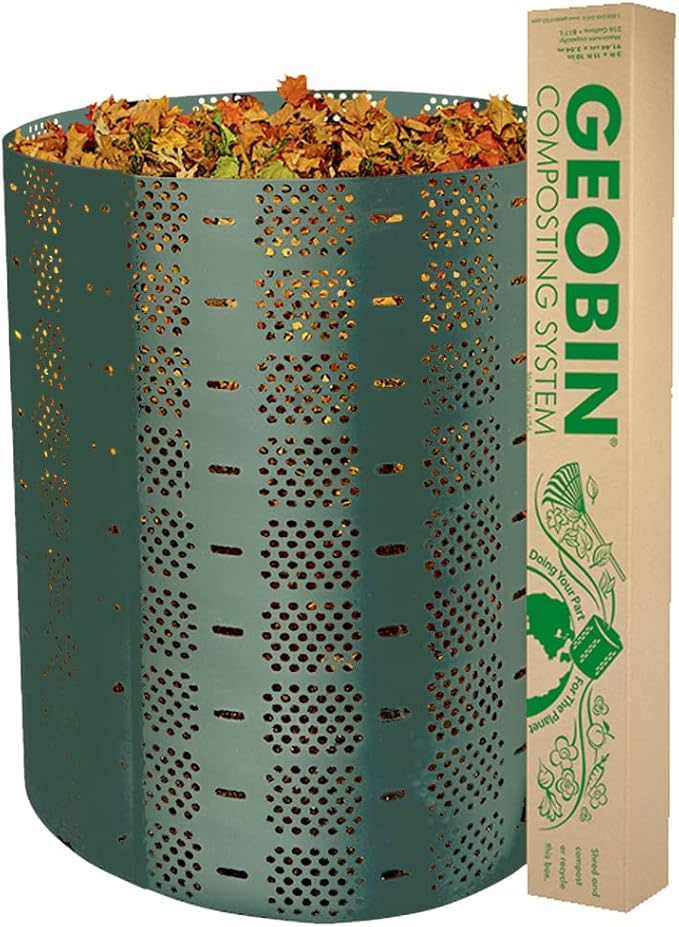
Gardeners with substantial yard waste will appreciate the spacious GEOBIN 246 Gallon Compost Bin. It suits those wanting a large, durable container to turn leaves and organic scraps into compost quickly.
Its single biggest strength lies in its expandable size and excellent ventilation that speeds up decomposition.
Setting up the bin is straightforward thanks to included connection keys, allowing expansion up to 4 feet wide for a 246-gallon capacity. Made from high-density polyethylene, it sits outdoors year-round without breaking down. The open design promotes airflow, crucial for daily composting as it keeps the pile aerated and active, helping organic material break down faster.
The bin performs well at encouraging decomposition through maximum ventilation and its inert material ensures no contamination of your compost. Built tough from premium plastic, it withstands weather and resists degradation. Most praise involves the size and airflow, while the main complaint centers on its relatively bulky footprint that requires decent yard space.
The bin’s size and ventilation are highly praised for speeding up decomposition, but many note its large footprint can be cumbersome in small yards. Its sturdy plastic holds up well outdoors without breaking down or contaminating compost.
Gardeners with enough room who want a fast, efficient composting option will be satisfied. Those with limited space or mobility concerns might prefer a smaller, more compact composter instead.
Pros
- Large, expandable 246 gallon capacity
- Maximum ventilation for faster composting
- Durable, weather-resistant HD polyethylene
- Connection keys included for easy setup
Cons
- Requires ample yard space due to size
- Bulky to move once assembled
| Specification | Details |
|---|---|
| Brand Name | GEOBIN |
| Unit Count | 1 Count |
| Capacity | 246 Gallon (expandable to 4 feet) |
| Material | Premium high density polyethylene |
| Model Number | G096 |
| Manufacturer | Presto Products |
7. Organic Compost

Organic Compost from Life Cycle Organics stands out for being OMRI Listed, which makes it ideal for people looking for certified organic options in their composting process. Its single biggest strength lies in supporting natural decomposition with a trusted, environmentally friendly formula.
Packaging comes as a 128 fluid ounces bottle, which is easy to measure and apply around your compost pile. Each application helps speed up the breakdown of leaves and other organic matter. Its liquid form allows for consistent watering and mixing into the pile without clumping or mess.
Performance-wise, the compost accelerates the decomposition of leaves effectively, turning them into usable compost quicker than natural processes alone. It’s made by Life Cycle Organics, known for organic products, assuring reliability in quality. Some users note that it requires careful measurement to avoid over-application, which can affect compost health.
Many appreciate how effectively the liquid compost speeds up breaking down leaves, which means less waiting for rich soil. However, some find it challenging to get the dosage right, which can affect compost quality if misused. The single pack size limits flexibility for smaller or larger compost operations.
People focused on organic gardening and soil health who prefer liquid treatments will find this product convenient and effective. Those needing smaller amounts or more dosing options might look elsewhere for a product that fits varied composting needs better.
Pros
- OMRI Listed for organic composting
- Large 128 fluid ounces for extended use
- Liquid form simplifies application
- Supports faster natural decomposition
Cons
- Needs careful measuring to avoid overuse
- Comes in only one pack size
| Specification | Details |
|---|---|
| Brand | Life Cycle Organics |
| Number of Packs | 1 |
| Unit Count | 128 Fluid Ounces |
| OMRI Listed | Yes |
| Part Number | VM-YF2U-JXZQ |
8. Jobes Organics Compost Starter
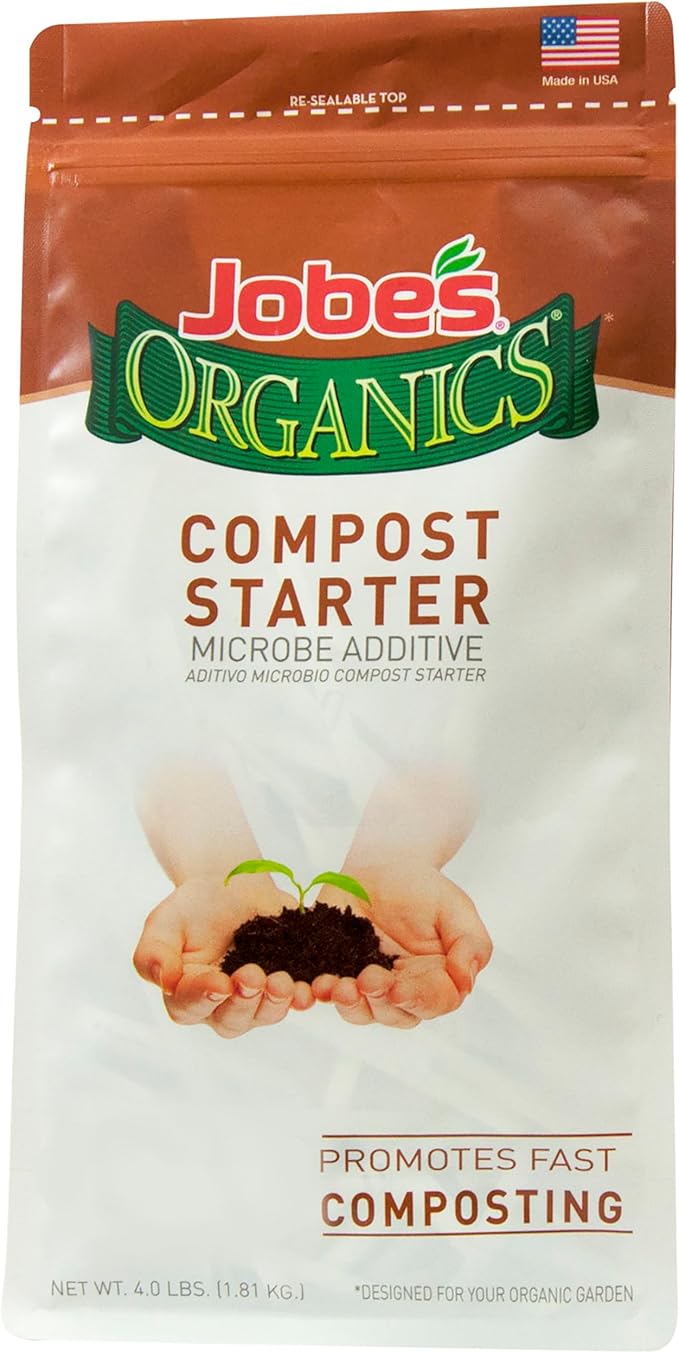
Jobe’s Organics Compost Starter speeds up outdoor compost piles with an organic mix ideal for gardeners wanting natural, chemical-free results. It suits anyone looking to enrich their garden soil with a trustworthy compost accelerator that delivers steady nutrient support for plants.
Application is straightforward, with the starter recommended every 4-6 weeks or as needed. The 4-pound pack covers ongoing composting needs without complicated measuring or mixing.
The OMRI listing ensures no synthetic chemicals, so it blends smoothly into organic garden routines. Regular additions help keep the compost active and healthy over time.
It works effectively to quicken the breakdown of compost materials, thanks to its 4-4-2 NPK formulation. The balance provides nutrients supporting vibrant plants in the garden.
The packaging is sturdy and easy to store. Most appreciate the natural, chemical-free approach, but some find the need for repeated application to maintain results as a minor drawback.
Many praise its ability to speed up outdoor composting naturally while maintaining organic standards. A common issue is the regular reapplication requirement to keep compost activity consistent. Handling the application timing demands some attention to detail.
Gardeners focused on organic methods and outdoor composting will appreciate this starter’s blend. Those wanting a one-time or indoor solution might find other products better suited to their needs.
Pros
- OMRI listed for organic gardening
- No synthetic chemicals included
- Supports high yield and vibrant foliage
- Easy application for compost acceleration
Cons
- Needs reapplication every 4-6 weeks
- Not suitable for indoor compost piles
| Specification | Details |
|---|---|
| Brand | Jobe’s Organics |
| Model Number | Jobe’s Organics – 09926 |
| Unit Count | 64 Ounce |
| Part Number | 09926 |
| Formula | 4-4-2 NPK |
9. Ribbon Organics OMRI Certified Compost
Feels like a solid boost to your garden’s soil, especially for anyone wanting organic compost that’s safe and effective. Best suited for gardeners who care about improving soil health without worrying about harsh chemicals, it shines most in its ability to improve soil structure and retain water.
Using the compost is straightforward, just mix it into your garden beds or combine with other soil builders like worm castings. Its OMRI certification lets you apply it freely at any concentration, so it fits both small container gardens and larger outdoor plots. The way it holds moisture helps plants during dry spells, making day-to-day watering less of a chore.
It does exactly what you want from organic compost: it breaks down well and helps aerate the soil. The consistency is easy to work with and pairs nicely with your existing soil enhancements. The strongest plus is how it helps the soil retain water without causing compaction.
Some users noted that the quantity might be less than expected, which can require buying more for bigger gardens.
Many appreciate how well the compost improves water retention and aerates soil, supporting plant health without harsh chemicals. Common feedback mentions the compost amount might be small for extensive garden projects, requiring multiple purchases.
Gardeners focused on organic growing and soil conditioning will find it a helpful addition. Those with large garden spaces needing bulk quantities might want to look for bigger volume options to meet their needs.
Pros
- OMRI Certified for organic gardening
- Improves soil aeration and structure
- Promotes good water retention in soil
- Safe for use at any concentration
Cons
- Quantity can feel limited for large areas
- Only available in one unit count
| Specification | Details |
|---|---|
| Brand Name | Blue Ribbon Organics |
| Unit Count | 1 Count |
| Included Components | Compost |
| Item Type Name | Organic Compost |
| Manufacturer | Blue Ribbon Organics |
| Manufacturer Part Number | B497 |
10. Heirloom Mint Compost Soil Amendment

Ideal for gardeners looking to improve soil quality and protect roses, this compost excels at moisture retention and natural pest control. Its biggest strength lies in nourishing plants while keeping the soil in great shape through dry spells or heavy clay.
Using it is simple: just mix a 1.5 quart bag into the topsoil of each plant or spread it around as a top dressing. A single 26 quart box covers about 20 roses or can refresh garden beds.
Regular application supports healthy soil structure and sustained blooming without the need for constant watering.
It works well to keep soil loose and rich, especially in sandy or dense clay. Built from natural mint compost, it naturally repels pests like aphids and spider mites.
The most frequent praise highlights how it maintains moisture and helps plants thrive, though some mention it might require repeated use for tougher clay soils to break up fully.
The natural mint compost provides excellent moisture retention and pest control, making it particularly valuable for rose beds. It naturally improves soil texture but might require multiple applications to fully loosen dense clay soils.
Gardeners with sandy or clay-heavy soil looking to support roses and flowers will find this product beneficial. Those with large garden areas or quick fixes for very hard soils might want to explore more intensive soil amendments.
Pros
- Helps retain moisture in dry, sandy soils
- Rich in natural humus for breaking up clay
- Repels aphids, spider mites, and other pests
- Supports sustained blooming year after year
Cons
- Needs repeated use for tough clay soils
- Only enough for about 20 roses per box
| Specification | Details |
|---|---|
| Brand | Heirloom Roses |
| Model Number | 100% Natural Mint Compost |
| Unit Count | 832 Fluid Ounces |
| Number of Packs | 1 |
| Item Highlight | Use for Fall Planting & Winter Bed Prep, Rich in Nitrogen & Micronutrients |
11. Joshs Frogs Organic Oak Leaf Litter
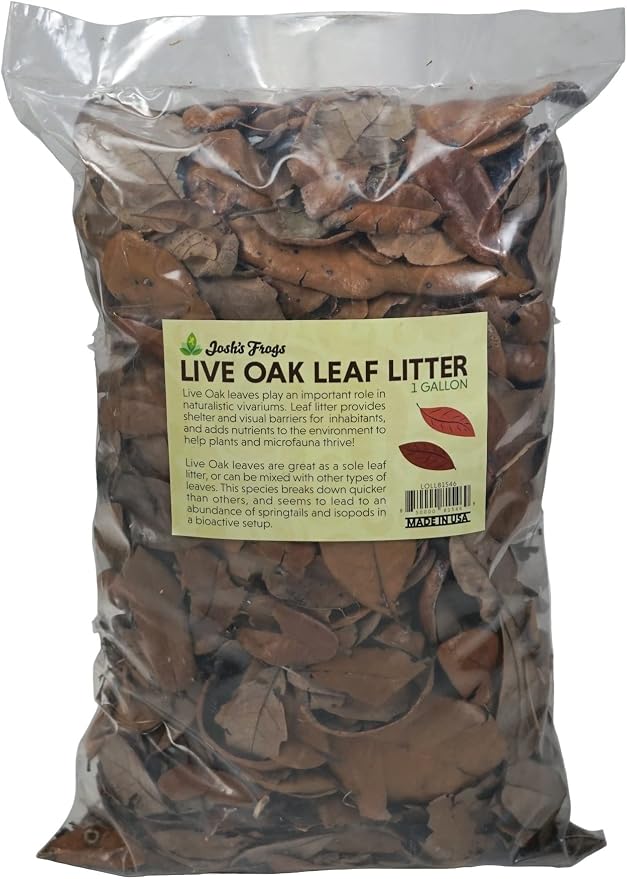
Oak leaves collected and dried naturally in the USA, designed especially for amphibian and reptile habitats. They create a safe, chemical-free environment while supporting the natural bioactive cycle. Perfect for anyone looking to add an authentic touch to terrariums with smaller leaves that fit tight spaces.
Setting up is straightforward since the leaves come loose and ready to scatter or layer inside your terrarium. They create natural hiding spots and provide cover for tiny invertebrates, which helps keep the ecosystem balanced. These leaves don’t require extra preparation and blend well with your existing substrate over time.
They do a solid job of recycling nutrients within the enclosure as they break down, helping maintain a healthy bioactive substrate. Made from all-natural oak leaves without any chemicals, they’re safe for fragile pets.
Some have mentioned that the smaller leaf pieces can sometimes get a bit lost in bigger setups, but overall, they hold up well and remain effective for their purpose.
The leaves create a natural and safe environment that supports microfauna and gradually improves substrate nutrients. Some users find the smaller leaf size less ideal for larger terrariums where bigger leaf litter might be preferred.
Those keeping smaller or tightly spaced terrariums with amphibians or reptiles will appreciate the fit and natural breakdown. Anyone with larger enclosures may want to consider different leaf sizes or bulkier options for better coverage.
Pros
- All natural and chemical-free
- Supports bioactive substrate cycles
- Smaller leaves fit tight terrarium corners
- Safe for amphibians and reptiles
Cons
- Smaller leaves may be less noticeable in large setups
- Only available in 1-gallon loose form
| Specification | Details |
|---|---|
| Brand Name | Josh’s Frogs |
| Item Form | Loose |
| Capacity | 1 gallons |
| Package Size Name | 1 Gallon |
| Pet Type | Amphibian, Reptile |
| Manufacturer | Josh’s Frogs |
12. Espoma Organic Compost Starter

Granular texture and organic ingredients make this compost starter a solid choice for gardeners looking to boost their soil naturally. It suits those who want an easy-to-use product that supports a wide range of plants with balanced nutrients.
Its biggest strength lies in helping create nutrient-rich compost without synthetic chemicals.
Each 4-pound bag fits comfortably in small garden spaces and can be spread easily by hand or with a simple tool. Mixing it into soil is straightforward due to the granular form, allowing quick integration into new or established beds.
Using multiple bags over time is easy thanks to the convenient 12-pack size, keeping supplies on hand for several gardening sessions.
It performs well at stimulating healthy plant growth, offering reliable nutrition for flowers, vegetables, shrubs, and trees. The product’s organic formula feels reassuring for those wary of harsh chemicals. Most praise surrounds its consistent results in fostering strong roots and blooms.
A common downside is that many bags may be needed for larger gardens, which requires extra storage space.
Positive feedback highlights the dependable improvement of root strength and flowering thanks to balanced nutrients in each bag. A frequent drawback is managing the bulk of the total 48 pounds, which some find cumbersome for storage or transport.
Gardens with a variety of plants benefit most, especially smaller to medium-sized plots where easy spreading matters. Those with very large gardens might look for a product available in bulk or concentrate to reduce handling multiple bags.
Pros
- Organic formula supports healthy plant growth
- Granular texture spreads and mixes easily
- Multiple bags allow repeated gardening use
- Suitable for various plant types
Cons
- Requires storage space due to multiple bags
- May need many bags for large gardens
| Specification | Details |
|---|---|
| Package Size | 12 bags, total 48 lbs |
| Weight per Bag | 4 pounds |
| Product Dimensions | 3.5 x 7 x 12 inches |
| Texture | Granular |
Best Leaves for Compost Comparison Table
| Product | Brand/Manufacturer | Size/Capacity | Material/Form | Purpose/Use |
|---|---|---|---|---|
| Roebic Compost Accelerator | Roebic Laboratories, Inc. | 2.5 LBS | Plastic | Compost Accelerator |
| Premium Organic Compost | Gantessa LLC | 32 Ounce | Compost | Organic Compost |
| OMRI Certified Compost | Blue Ribbon Organics | 240 Ounce | Organic Compost | Organic Compost |
| Compost Bliss Soil | Plantonix | 160 Ounce | – | Compost |
| Rocky Mountain Yard Bags | – | 30 gallons | Yard Bags | Leaf Collection |
| GEOBIN Compost Bin | Presto Products | 1 Count | Compost Bin | Compost Bin |
| Pure Organic Compost | Life Cycle Organics | 128 Fluid Ounces | Organic Compost | Organic Compost |
| Jobes Compost Starter | Easy Gardener | 64 Ounce | Compost Starter | Fast Acting Fertilizer |
| Ribbon Organics Compost | Blue Ribbon Organics | 1 Count | Organic Compost | Organic Compost |
| Heirloom Mint Amendment | Heirloom Roses | 832 Fluid Ounces | Mint Compost | Nitrogen Rich |
| Joshs Frogs Oak Litter | Josh’s Frogs | 1 Gallon | Loose Oak Litter | Leaf Litter |
| Espoma Compost Starter | – | 4 pounds | – | Compost Starter |
- Brand/ManufacturerRoebic Laboratories, Inc.
- Size/Capacity2.5 LBS
- Material/FormPlastic
- Purpose/UseCompost Accelerator
- Brand/ManufacturerGantessa LLC
- Size/Capacity32 Ounce
- Material/FormCompost
- Purpose/UseOrganic Compost
- Brand/ManufacturerBlue Ribbon Organics
- Size/Capacity240 Ounce
- Material/FormOrganic Compost
- Purpose/UseOrganic Compost
- Brand/ManufacturerPlantonix
- Size/Capacity160 Ounce
- Material/Form–
- Purpose/UseCompost
- Brand/Manufacturer–
- Size/Capacity30 gallons
- Material/FormYard Bags
- Purpose/UseLeaf Collection
- Brand/ManufacturerPresto Products
- Size/Capacity1 Count
- Material/FormCompost Bin
- Purpose/UseCompost Bin
- Brand/ManufacturerLife Cycle Organics
- Size/Capacity128 Fluid Ounces
- Material/FormOrganic Compost
- Purpose/UseOrganic Compost
- Brand/ManufacturerEasy Gardener
- Size/Capacity64 Ounce
- Material/FormCompost Starter
- Purpose/UseFast Acting Fertilizer
- Brand/ManufacturerBlue Ribbon Organics
- Size/Capacity1 Count
- Material/FormOrganic Compost
- Purpose/UseOrganic Compost
- Brand/ManufacturerHeirloom Roses
- Size/Capacity832 Fluid Ounces
- Material/FormMint Compost
- Purpose/UseNitrogen Rich
- Brand/ManufacturerJosh’s Frogs
- Size/Capacity1 Gallon
- Material/FormLoose Oak Litter
- Purpose/UseLeaf Litter
- Brand/Manufacturer–
- Size/Capacity4 pounds
- Material/Form–
- Purpose/UseCompost Starter
How to Choose the Best Leaves for Compost
Choose leaves that are dry, free from chemicals, and break down easily to create rich compost faster. Using the right leaves reduces time and effort spent on turning and watering, preventing pests and unpleasant odors while saving money on soil amendments.
Leaf Type and Composition
Pine needles, oak leaves, maple leaves, all vary in how quickly they break down due to their nutrient content and composition. Leaves high in nitrogen break down faster, speeding up the composting process, while those rich in lignin, like oak leaves, decompose slowly and provide structure.
Using leaves coated with chemicals, such as those from lawns treated with pesticides or herbicides, can negatively affect the microbial activity in the pile and potentially harm plants later on.
Choosing leaves with a good balance of nutrients means the compost will be rich and well-structured. Look out for leaves that are clean and free from chemical treatments.
Combining faster and slower decomposing leaves often leads to better results, as the fast breakdown provides nutrients quickly, while slower ones improve aeration over time.
Moisture Retention
Leaves that hold some moisture but don’t become soggy help maintain the ideal damp environment crucial for microbial activity. A pile that’s too dry slows decomposition, while soggy leaves cause anaerobic conditions, leading to bad odors and slower breakdown.
Leaves like red maple or birch strike a good balance in moisture retention. These leaves keep the pile moist enough for microbes to thrive but don’t mat down and suffocate air flow.
Observing how leaves behave after rain or watering helps; they should feel damp but not dripping wet.
Leaf Size and Texture
The size and texture of leaves affect how well air circulates, which is key for composting speed. Whole leaves tend to mat, especially when wet, which slows composting and makes turning the pile harder.
Shredded leaves take up less space and mix easier, helping oxygen reach microbes faster.
For tumblers, shredding leaves ensures they don’t clump and block rotation. In heaps, a balance between whole and shredded leaves works well. Coarser leaves are better for passive composting methods as they maintain air pockets naturally.
Availability and Seasonal Factors
Availability depends heavily on your local trees and climate. For instance, in urban areas, oak and maple leaves are often abundant in fall, but tropical regions might have different seasonal drops. Timing leaf collection to seasonal leaf fall helps ensure freshest material and aligns well with compost turning schedules.
Consistency is key if you compost regularly. Some leaves might only be available briefly, meaning planning ahead is necessary to stockpile dry leaves for year-round use. Knowing what’s common in your neighborhood shortcuts pick-up trips and gives steady supply.
Compatibility with Other Compost Materials
Good leaf choices balance green materials like kitchen scraps or fresh grass clippings to achieve an ideal carbon-to-nitrogen ratio. Leaves typically provide carbon, so using fast-decomposing types complements nitrogen-rich greens to sustain pile heat and reduce odors.
Too many wet greens without enough dry leaves can cause the pile to smell and become mushy. Adding dry, coarse leaves improves aeration and helps maintain temperature, which speeds up decomposition and keeps the composting process manageable.
Tips for Preparing and Shredding Leaves to Speed up Composting
Leaves break down faster when shredded into smaller pieces before adding them to a compost pile. Shredding increases surface area, making it easier for microbes to work. A standard lawn mower set to a high cutting position can quickly shred large piles of dry leaves.
Moist leaves tend to clump, so it’s better to shred them while still dry or slightly damp.
Mix shredded leaves with green materials like grass clippings or food scraps. This balance of carbon-heavy brown leaves and nitrogen-rich greens supports microbial activity and speeds up decomposition. Turn the pile regularly to introduce oxygen, which helps the microbes stay active.
- Shred leaves before composting, preferably when dry
- Aim for a mix of about three parts brown leaves to one part green material
- Keep the pile moist but not soggy to maintain microbial health
- Turn the compost periodically to aerate and distribute materials evenly
Common Mistakes to Avoid When Composting Different Types of Leaves
One common mistake is adding large clumps of whole leaves without shredding. Whole leaves take much longer to break down and can create air pockets that slow composting.
Another error is using only one type of leaf, which can lead to imbalanced nutrient content and poor texture in the finished compost.
Adding evergreen leaves like pine or spruce in large amounts can also cause problems. Their waxy coatings and acidic properties slow microbial activity and may inhibit decomposition, so use them sparingly. Avoid composting leaves treated with pesticides, which can introduce harmful chemicals into your soil.
- Do not add large, unshredded leaf clumps
- Mix various leaf types to balance nutrients
- Limit evergreen leaves due to acidity and slow breakdown
- Exclude leaves treated with chemicals from the compost
Comparing Leaf Types: Deciduous vs. Evergreen Leaves for Optimal Compost Quality
Deciduous leaves break down more quickly than evergreen leaves, making them better for faster compost production. These leaves usually have a higher nitrogen content and lower levels of waxes or resins, which encourages microbial activity.
Evergreen leaves have tough, waxy surfaces and can increase acidity in compost piles. While they decompose slowly, some gardeners use them cautiously as browns, mixing them with other leaf types and green materials to balance pH and nutrient levels.
Overuse of evergreen leaves can result in denser compost with reduced microbial diversity.
- Deciduous leaves: quicker breakdown, higher nutrient availability
- Evergreen leaves: slower decomposition, higher acidity
- Mix evergreen leaves sparingly with other materials for best results
- Choose a variety of leaf types for balanced compost quality
People Also Asked
How Long Does It Take for Leaves to Fully Compost?
Leaves typically take several months to a year to fully compost, depending on conditions like moisture and agitation. Shredding leaves speeds up the process by increasing surface area for microbes to break down the material.
Are All Types of Leaves Safe for Composting?
Most leaves are safe for composting, but avoid any that are diseased or treated with pesticides. Oak and maple leaves break down well, while pine needles decompose more slowly and may acidify the pile slightly.
What Size Leaves Work Best in a Compost Bin?
Smaller leaf pieces work best in a compost bin because they break down faster and help maintain airflow. Raking and shredding leaves before adding them prevents clumps that can slow decomposition.
How Do I Prepare Leaves Before Adding to Compost?
Leaves should be shredded or crumpled before adding to compost to prevent matting and improve breakdown. Mixing them with green materials like grass clippings balances the carbon-to-nitrogen ratio for effective decomposition.
Can Leaves Cause Any Common Problems in a Compost Pile?
Leaves can cause matting and reduce aeration if added in large unshredded clumps, leading to slower composting and odor issues. Turning the pile regularly and mixing in other materials helps prevent these problems.
Conclusion
Leaves that break down quickly and add good nutrients to compost are the most useful. Dry leaves that are easy to gather and spread are also important.
Avoid leaves that stay soggy or take too long to decompose since they can slow down the composting process.
Choose leaves that suit your composting area and how often you add material. Larger yards might handle bulkier leaves, while smaller spaces work better with finer or chopped leaves.
Check the comparison table above to see which options fit your needs and budget best.

I’m Jake Thompson, and I’ve spent over a decade working on lawn mowers, from small push mowers to big riding tractors. I write about starting problems, blade sharpening, carburetor cleaning, oil changes, and seasonal maintenance. My goal is to give you clear, step-by-step advice so you can handle common mower issues yourself and keep your lawn looking sharp all season.