
Top 12 Best Weed Barrier for Vegetable Garden Revealed!
Using the best weed barrier for vegetable garden is crucial when you want to avoid constant battling with unwanted plants choking your crops. A cheap or poorly made barrier often rips quickly and fails to stop weeds, wasting time and money. Over the years, gardeners learn that these barriers need to be sturdy and designed specifically for garden use to hold up against weather and foot traffic.
Good weed barriers for vegetable gardens are usually made from woven polypropylene or thick polyethylene, materials that block light while allowing water and air to pass through. The fabric weight typically ranges from 3 to 6 ounces per square yard; lighter materials wear out sooner. Size matters too, since the barrier should fit tightly around plants or rows to prevent gaps where weeds can sneak in.
Ease of installation and the ability to clean or reuse the barrier can also make a big difference in how practical it is over time.
Need a Quick Check?
| Image | Product | Price |
|---|---|---|
Our Top Picks 1  | LAVEVE Weed Barrier | Check Price |
Our Top Picks 2  | Non-Woven Weed Barrier | Check Price |
Our Top Picks 3  | Heavy Duty Garden Fabric | Check Price |
Our Selected Top 12 Weed Barrier for Vegetable Garden Picks for Every Need
This list features carefully chosen weed barriers designed for vegetable gardens, highlighting their effectiveness in controlling weeds and supporting plant growth. Each product is reviewed for performance, suitability for different garden types, and notable advantages and drawbacks to help you make an informed decision.
1. LAVEVE Weed Barrier Landscape Fabric
When weeds start taking over your vegetable garden, fabric like the LAVEVE Weed Barrier shields your soil and stops unwanted growth. Best suited for those wanting a breathable yet tough cover, its biggest strength lies in balancing weed prevention with soil health.
Installing the weed barrier is straightforward thanks to clear green guide lines that make cutting and aligning easy around plants. The fabric’s woven polypropylene material stays durable in sunlight due to UV resistance and lets air and water through, which helps maintain moisture levels and reduces erosion.
Its breathable design supports healthy roots without trapping excess moisture.
Performance on weed-blocking is solid, stopping most unwanted plants from breaking through while allowing your crops to thrive. Built with a high-density weave, the material holds up well to sun exposure and daily garden activity.
Strong praise comes from how well it balances permeability and durability; the most mentioned downside is the relatively heavy weight of 8.21 pounds for handling larger areas.
Users praise how well the fabric balances stopping weeds while letting water and air nourish the soil. Common complaints mention the weight making it a bit cumbersome to install, especially in larger garden spaces.
Gardeners who appreciate durable, breathable weed control will find this fabric suits them well. Those looking for lighter or more flexible options might prefer something easier to handle or available in various sizes.
Pros
- High-density material prevents most weed growth
- Breathable fabric allows water and air penetration
- UV resistant for long-lasting outdoor use
- Green guide lines simplify cutting and installation
Cons
- Heavier weight can make handling large sheets tough
- Limited size options with only one model available
| Specification | Details |
|---|---|
| Material | Woven polypropylene |
| Dimensions | 3 x 3 x 3 inches |
| Weight | 8.21 pounds |
| UV Resistance | Yes |
| Manufacturer | LAVEVE |
| Model Number | 1 |
2. Non-Woven Weed Barrier Landscape Fabric
Block sunlight effectively with a high-density non-woven fabric that targets weed growth in vegetable gardens. Ideal for gardeners wanting to reduce constant weeding and maintain tidy planting beds without added fuss.
Its no-fray edges make it simple to customize without dealing with unraveling threads.
Unrolling and cutting the fabric to size feels straightforward due to its no-fray design. It cuts cleanly to fit various garden shapes or rows, saving time on tricky trimming.
Once laid, it blocks light well, reducing the need for regular garden upkeep, letting your vegetables thrive without competing weeds.
The fabric reliably suppresses weed growth by blocking sunlight, which is its primary role. Made from high-density, non-woven material, it holds up well during installation and use.
Reviews praise the easy cutting and fitting, while some note it requires securing well to prevent shifting in windy conditions.
Many appreciate how the non-woven fabric cuts cleanly without fraying, making installation more straightforward. A common issue is that it sometimes shifts if not properly pinned, especially on windy days. The fabric performs well in blocking sunlight and controlling weeds when installed carefully.
Gardeners looking for easy-to-manage weed control with flexible sizing will find this a good option. Those seeking a product that stays perfectly fixed without extra securing might prefer a heavier, woven fabric. This barrier suits vegetable beds needing custom layouts and low maintenance.
Pros
- Blocks sunlight to reduce weed growth efficiently
- No-fray fabric allows clean, easy cutting
- Large size covers wide garden beds
- Lighter weight for easier handling
Cons
- Needs securing to stay put in wind
- Not reusable once cut extensively
| Specification | Details |
|---|---|
| Product Dimensions | 600 x 46.85 x 0.39 inches |
| Item Weight | 4.16 pounds |
| Manufacturer | Grenebo |
| Item model number | GR046 |
3. Heavy Duty Weed Barrier Garden Fabric
Gardeners looking to keep their vegetable beds free from weeds will appreciate the Heavy Duty Weed Barrier Garden Fabric by Groweco. Its biggest strength lies in blocking weeds effectively while allowing proper water and air flow to the soil, which is crucial for healthy plant growth.
Setting up the fabric is straightforward even without prior experience. Green stripes guide alignment and trimming, saving time when cutting with scissors.
Using the fabric means less manual weeding day to day, keeping the garden tidy and reducing the effort spent pulling out unwanted plants.
Made from 3.2 oz polypropylene, the fabric feels durable and well-made for long-term garden use. It performs reliably at preventing weed growth while maintaining soil moisture thanks to its breathability. The most common compliment praises how easy it is to cut and install, though some users mention it might need repositioning after heavy rain.
The strongest praise is for how simple the fabric is to install and cut accurately, which helps keep the garden neat without extra work. The most common issue noted is that it sometimes shifts out of place following heavy rainfall, requiring some adjustment.
Those wanting an easy-to-use, breathable fabric to reduce weeding will likely be satisfied. People needing a fabric that stays perfectly fixed with no maintenance might look for options with stronger anchoring features.
Pros
- Easy to cut and align with green stripes
- Allows water and air permeability
- Durable material withstands garden conditions
- Reduces manual weeding effort
Cons
- May need repositioning after heavy rain
- Thickness can make folding bulky
| Specification | Details |
|---|---|
| Material | 3.2 oz polypropylene |
| Package Dimensions | 16.73 x 2.52 x 2.44 inches |
| Item Weight | 1.3 pounds |
| Manufacturer | Groweco |
4. Quick-Plant Garden Weed Barrier Fabric

Quick-Plant Garden Weed Barrier Fabric is tailored for raised beds in vegetable gardens, perfect for gardeners who want precise planting without the fuss of manual cutting. Its standout feature is the factory-burned, aligned planting holes that save time and make planting straightforward.
Setup is a breeze: unroll the 8-foot fabric across a standard 4’x8’ or 3’x8’ raised bed and secure it in place. The pre-made holes mean no measuring tape or messy cuts.
Day-to-day, the fabric stays put without fraying, letting plants grow while reducing weed growth around them, minimizing weekend garden maintenance.
It does a solid job blocking weeds while allowing air flow to the soil. The material feels durable and lightweight, weighing just 1.4 pounds, so it’s not cumbersome to handle.
Praise often highlights the precise hole alignment and easy installation, while some note that the fixed size might not fit all garden layouts perfectly.
Many appreciate the instant professional spacing and ease of planting with the built-in holes. On the downside, some find the 8-foot length restrictive when working with irregular-sized beds or needing different hole spacing. It stays well secured and helps with weed suppression as intended.
Gardeners with standard raised beds looking for a quick setup and tidy look will find this works well. Those with custom layouts or unusual spacing needs might want a more flexible solution.
Pros
- Pre-cut holes for easy spacing, no measuring needed
- Perfect length fits standard raised beds without waste
- Lightweight at 1.4 pounds, easy to manage
- No fraying edges from cutting, durable fabric
Cons
- Fixed size limits use on irregular garden beds
- Not adjustable for spacing preferences beyond preset holes
| Specification | Details |
|---|---|
| Product Dimensions | 96 x 48 x 0.1 inches |
| Item Weight | 1.4 pounds |
| Manufacturer | Farmers Friend |
| Item model number | LF-1208 |
5. Heavy Duty Geotextile Weed Barrier Fabric

Pterying Heavy Duty Geotextile Weed Barrier Fabric is designed to keep vegetable gardens clear of weeds by physically blocking sunlight. Ideal for gardeners wanting chemical-free weed control, its strongest point is its durability, made for lasting multiple growing seasons without breaking down.
Setup involves cutting the fabric to size and placing it over garden beds, securing the edges so it lies flat. The 2.4 oz woven polypropylene fabric feels sturdy underfoot and holds up well even when covered with soil or mulch.
It’s thick enough that you can even use it under gravel or for erosion control around your garden.
The fabric does exactly what it promises: preventing weeds by stopping light from reaching seeds. Its UV stabilization helps prevent early wear from sun exposure, and the tough weave resists tearing and fraying. It’s praised for lasting a long time through weather changes but can be a bit stiff to handle when first laying it out.
Strong points noted include its toughness and lasting durability through weather and growing seasons. The common drawback is the stiffness that makes initial setup more physically demanding, especially for those handling larger sections at once.
Gardeners looking for a reliable and long-lasting weed barrier without chemicals will appreciate this fabric’s strength. Those who prefer a lighter, more flexible material for easier handling during installation may want to look for a thinner or less dense option.
Pros
- Durable woven fabric resists tearing and fraying
- Blocks sunlight to prevent weed seed germination
- UV stabilized for multiple seasons’ use
- Heavy-duty enough for gravel underlayment
Cons
- Fabric can be stiff and hard to handle initially
- Bulkier weight makes cutting and placing more laborious
| Specification | Details |
|---|---|
| Product Dimensions | 16.93 x 4.13 x 4.13 inches |
| Item Weight | 4.3 pounds |
| Material | Woven polypropylene |
| Fabric Weight | 2.4 ounces per square yard |
| Manufacturer | Pterying |
6. Heavy Duty Weed Barrier Landscape Fabric

Working in the garden becomes noticeably easier with a fabric that keeps weeds firmly under control. Perfect for vegetable garden growers looking to cut down on weeding, this fabric’s key feature is blocking sunlight effectively while allowing water and nutrients to pass through.
Laying out the fabric over beds cuts down on future maintenance. It’s a heavy fabric, made from 3.2oz woven polypropylene, so it’s tough enough to resist tears when handling or stepping on it.
The fabric allows moisture and air to pass, which keeps plants hydrated without drowning the roots. At 3 ft by 300 ft, it covers a large area, making it practical for substantial gardens.
The barrier delivers solid weed suppression by blocking up to 98% of sunlight. It holds up well to weather changes, mulch coverage, and foot traffic thanks to its heavy-duty design. The main compliment from users is how long it lasts without tearing, yet some find it bulky during installation just because of its weight and thickness.
Durability stands out as the fabric resists tearing and holds up against outdoor elements like sun and rain. Commonly, it is found to be heavy and stiff which adds difficulty during installation and handling.
Growers looking for a long-lasting solution to weed control that covers a large area will appreciate this fabric. Those seeking something lighter and easier to manage might want to explore other options.
Pros
- Strong tear resistance for durability
- Large coverage area of 900 sq. ft.
- Allows essential water and nutrient flow
- Effective at blocking most sunlight
Cons
- Bulky and heavy during setup
- Can feel stiff when moving or cutting
| Specification | Details |
|---|---|
| Size | 3 ft x 300 ft (900 sq. ft.) |
| Material | 3.2oz woven polypropylene |
| Sunlight Blocking | Blocks up to 98% |
| Water Permeability | Allows water, air, and nutrients |
| Dimensions | 4.5 x 4.5 x 35 inches |
| Item Weight | 4 pounds |
7. Happybuy Garden Weed Barrier Fabric
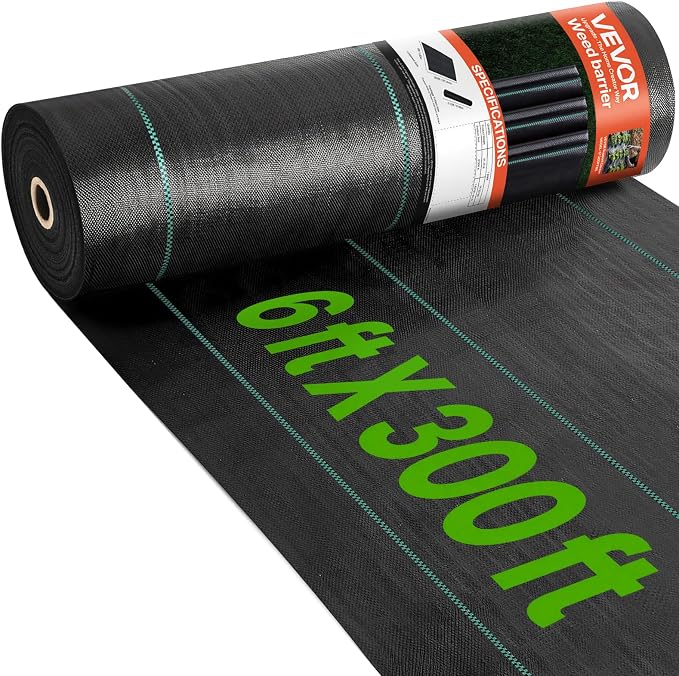
Great for anyone looking to cover a large vegetable garden with reliable weed control, this garden fabric stands out with its heavy-duty durability and size. Covering up to 1800 sq.
ft., it offers solid protection against weeds while letting your soil breathe, making it well-suited for gardens that need broad, long-lasting coverage.
Setup involves rolling out the fabric across your planting beds, which is straightforward thanks to its 6 ft width and long 300 ft length. The material lets water and air through easily, so your soil stays healthy without letting weeds push through. Over time, it handles foot traffic and stays in place without tearing, helping you maintain a tidy growing area with less weeding.
This fabric performs well as a barrier against common garden weeds and grasses though the strong polypropylene material occasionally feels a bit heavy to move. Reviewers appreciate its lasting strength and breathability that keeps soil moist but mention that cutting and customizing such a large roll can take some patience.
Its straightforward, no-frills build does the job without fancy features.
Reviewers highlight the fabric’s durability and breathability as its strongest features, keeping weeds at bay while maintaining soil health. Some find its size and weight a bit unwieldy when handling and cutting to fit specific garden shapes.
Those with large vegetable garden spaces who prefer a no-nonsense, reliable barrier will find this fabric useful. Gardeners needing lightweight or smaller rolls for intricate layouts may want to consider different options.
Pros
- Covers large area effectively
- Allows water and air flow
- Heavy-duty and durable fabric
- Helps retain soil moisture
Cons
- Heavy and somewhat bulky to handle
- Cutting large lengths requires extra effort
| Specification | Details |
|---|---|
| Material | Durable PP Fabric |
| Dimensions | 6 ft wide x 300 ft long |
| Weight | 26.3 pounds |
| Coverage Area | 1800 sq. ft. |
| Design Feature | High permeability to allow soil breathing |
8. Heavy Duty Black Weed Barrier Landscape Fabric

Woven polypropylene forms the base of this heavy duty weed barrier, designed for gardeners who want a dependable shield against weeds. It is particularly suited for vegetable gardens where moisture and sunlight resistance are essential for healthy plants.
Its strongest feature is the material’s durability against outdoor elements like UV rays and water.
Setting up the fabric is straightforward since it comes in large rolls that you can cut easily to fit your garden’s shape. You can use scissors or a utility knife, making it adaptable to different bed sizes. The material lies flat on the soil, creating a solid barrier that blocks weeds while allowing water to pass through, helping maintain soil moisture without pooling on top.
Performance in blocking weeds is impressive; the fabric’s tightly woven structure stays intact under foot traffic and resists tearing. Built to last outdoors, its UV resistance prevents quick degradation under sunlight.
Most praise highlights how effective it is at weed control, though a few find it a bit thick, making planting through it a little more challenging at first.
The fabric receives high praise for its durability and ability to stop weeds consistently. Common feedback points to its thickness, which can make planting small seedlings through the fabric a bit tricky at the start but manageable with patience.
Gardeners looking for a sturdy, long-lasting weed barrier that holds up in various weather will be pleased. Those wanting a lighter, thinner fabric for easier planting might want to consider alternatives better suited for delicate seedbeds.
Pros
- Strong woven polypropylene material
- Resistant to UV rays and water
- Available in versatile sizes and easy to cut
- Lies flat and blocks weeds effectively
Cons
- Heavier than some other weed barrier fabrics
Specification Details Product Dimensions 37 x 7.78 x 7.78 inches Item Weight 36.2 pounds Material Woven polypropylene UV Resistance Yes Manufacturer Sunocity Model Number SN-WB-06300H90-B-DF 9. Super Geotextile Weed Barrier Fabric

Super Geotextile Weed Barrier Fabric suits gardeners looking for a heavy-duty, long-lasting solution to keep weeds away from vegetable beds. Its standout feature is strength thanks to a dual-layer structure combining woven polypropylene and needle punched layers, which also manage water flow well.
Setting it up involves cutting the fabric to size, which is easier since many size options reduce leftover scraps. It lays flat and feels sturdy while working under mulch or gravel.
Daily use means it stays put through weather changes without tearing or bunching, helping plants get water without flooding the roots.
The fabric does its job by stopping weed growth while allowing water to seep through, courtesy of its dual layers. Built to last up to 25 years, it stands up well against wear and tear in garden beds. Strong praise notes how durable the material feels, while the most common complaint involves its weight, which some find a bit hefty to handle.
Many users appreciate how the fabric stays strong and stable over long periods, efficiently blocking weeds while managing water flow. At the same time, the weight of the material makes handling and cutting less convenient for some.
People ready for a durable, heavy-duty barrier that withstands tough garden conditions will feel satisfied. Those preferring lighter, more flexible fabric might want to look for a thinner option better suited to quick placement and adjustment.
Pros
- Durable dual-layer fabric resists tears
- Allows water filtration while blocking weeds
- Multiple size options reduce material waste
- Designed to last up to 25 years
Cons
- Relatively heavy at 10.5 pounds
- May require extra effort to cut perfectly
Specification Details Weight 10.5 pounds Material Woven polypropylene with needle punched layer Durability Up to 25 years Package Dimensions 19.25 x 9 x 9 inches Model Number SG-P5-3-100 10. LAVEVE Weed Barrier Landscape Fabric

For gardeners wanting a durable weed barrier that also lets air and water through, this fabric fits well. It suits those growing vegetables who need something tough enough to handle sun exposure while allowing soil to breathe. Its standout feature is the woven polypropylene material that balances weed prevention with soil health.
Cutting the fabric to size is straightforward thanks to the green guide lines that make planting alignment easier. Placing it in the garden involves spreading the lightweight material over soil, letting water and air pass through without much fuss. Since it resists UV rays, it won’t degrade quickly under hot weather, making day-to-day garden maintenance less worrying.
Stopping weeds effectively is what it delivers best, keeping unwanted growth under control while helping soil stay healthy by allowing water and air penetration. The fabric feels sturdy but not too thick, handling repeated sun exposure and rain without breaking down easily.
Positive notes often highlight its breathability and strength, but some mention it can be tricky to secure firmly on windier days.
The barrier stands out for keeping weeds out while still letting water and air reach the soil. However, some find it a bit challenging to keep in place without additional fasteners when wind picks up. The green lines help greatly with planting guidance but don’t affect overall hold.
Gardens that face a good amount of sunshine will benefit from its UV resistance and breathability, especially vegetable plots needing healthy soil. Those with very large spaces or windy conditions may want a lighter or easier-to-secure alternative for convenience.
Pros
- UV resistant for long sun exposure
- Permeable and breathable design
- Green guide lines for easy planting alignment
- Durable woven polypropylene material
Cons
- May need extra securing on windy days
- Heavier weight could be hard for large areas
Specification Details Material Woven polypropylene Product Dimensions 2 x 2 x 2 inches Item Weight 3.43 pounds Model Number 1 11. Biodegradable Weed Barrier Fabric

Weeds taking over your vegetable garden can really ruin your planting plans. For gardeners wanting an eco-friendly solution, this biodegradable weed barrier fabric tackles those intrusive weeds without leaving plastic behind.
Its best quality is how it naturally breaks down, so you don’t have to worry about removal at season’s end.
Setting it up involves rolling out the fabric over your garden bed, cutting holes where your vegetables go. It keeps soil moist and warm thanks to its breathable, moisture-resistant design, which helps plants grow comfortably. Since it’s paper-based, working with it feels natural, and you never have to worry about harsh chemicals or plastic pollution.
The fabric does a solid job at stopping weeds from sprouting and spreading. Its 100% natural pulp paper material is strong enough to last through a growing season but naturally decomposes to enrich the soil later. On the downside, it can tear more easily than plastic barriers if handled roughly.
Users appreciate its environmental benefits but mention durability concerns when moving tools around.
This weed barrier fabric is praised for its natural decomposition and minimal environmental impact after use. The main complaint revolves around its fragility compared to plastic barriers, with some tears reported during installation or garden maintenance.
Gardeners who prefer sustainable, chemical-free weed control will find this fabric suitable. Those needing a more tough, long-lasting barrier through multiple seasons might want to consider sturdier materials instead.
Pros
- Biodegradable and eco-friendly material
- Reduces soil moisture evaporation
- Allows air and warmth to reach roots
- Effective weed control around vegetables
Cons
- Less durability with rough handling
- May tear when cutting too aggressively
Specification Details Material 100% natural pulp paper Brand Topfurn Model Number 4*100ft Biodegradable Weed Barrier Item Highlight Heavy Duty Garden Paper Biodegradable, Garden Paper Weed, Outdoor Garden Lawn Weed Control Barriers Number of Packs 1 12. Biodegradable Kraft Paper Weed Barrier

Measuring 4 by 50 feet, this biodegradable kraft paper weed barrier is ideal for gardeners who want to keep weeds at bay while enriching their soil naturally. It stands out because it fully breaks down over time, leaving no plastic behind and supporting organic vegetable growth.
Laying the roll out in a vegetable garden is straightforward and doesn’t require special tools. Being made of organic wood pulp, it’s much easier to cut and fit around plants compared to synthetic fabric barriers.
When you’re done with a season, it can be plowed into the soil, so there’s no need to remove or dispose of it separately, which saves effort and keeps the garden eco-friendly.
It does a solid job suppressing weeds by blocking sunlight while allowing water and air through. The material feels sturdy enough to last a season but not so tough that it becomes a chore to work with. Some found the barrier less durable under heavy rain or if disturbed often, which can tear the paper, but its fully biodegradable quality reduces environmental downsides.
Many appreciate that it breaks down naturally and can be plowed into the soil, reducing cleanup and improving soil health. The most frequent downside noted is fragility when exposed to harsh weather or disturbance, leading to early tears.
Strongly suits gardeners aiming for an eco-friendly, disposable weed barrier that enriches soil. Those needing a longer-lasting or heavy-duty barrier might find plastic or woven fabric more reliable.
Pros
- Completely biodegradable material
- Easily cut and fitted in gardens
- Improves soil organic matter
- Good size roll for larger beds
Cons
- Less durable under heavy rain
- Can tear if moved frequently
Specification Details Dimensions 45 x 3.4 x 3.4 inches Weight 4.99 pounds Material Degradable organic wood pulp, zero plastic Length 50 feet Width 4 feet Best Weed Barriers for Vegetable Garden Comparison
Product Size Weight Manufacturer Model Number LAVEVE Weed Barrier 3 x 3 x 3 inches 8.21 pounds LAVEVE 1 Non-Woven Weed Barrier 600 x 46.85 x 0.39 inches 4.16 pounds Grenebo GR046 Heavy Duty Garden Fabric 16.73 x 2.52 x 2.44 inches 1.3 pounds Groweco – Quick-Plant Weed Barrier 96 x 48 x 0.1 inches 1.4 pounds Farmers Friend LF-1208 Heavy Duty Geotextile Fabric 16.93 x 4.13 x 4.13 inches 4.3 pounds Pterying S-GPC-2OZ6BK Heavy Duty Landscape Fabric 4.5 x 4.5 x 35 inches 4 pounds EXTRAEASY 3X300FT Happybuy Weed Barrier 74 x 9 x 9 inches 26.3 pounds Happybuy 6FT300FT Heavy Duty Black Barrier 37 x 7.78 x 7.78 inches 36.2 pounds Sunocity SN-WB-06300H90-B-DF Super Geotextile Fabric 19.25 x 9 x 9 inches 10.5 pounds Super Geotextile SG-P5-3-100 LAVEVE Landscape Fabric 2 x 2 x 2 inches 3.43 pounds LAVEVE 1 Biodegradable Weed Fabric – – Topfurn 4100ft Biodegradable Kraft Paper Weed Barrier 45 x 3.4 x 3.4 inches 4.99 pounds GJKLDCVB Gardening Paper 1. LAVEVE Weed Barrier- Size3 x 3 x 3 inches
- Weight8.21 pounds
- ManufacturerLAVEVE
- Model Number1
2. Non-Woven Weed Barrier- Size600 x 46.85 x 0.39 inches
- Weight4.16 pounds
- ManufacturerGrenebo
- Model NumberGR046
3. Heavy Duty Garden Fabric- Size16.73 x 2.52 x 2.44 inches
- Weight1.3 pounds
- ManufacturerGroweco
- Model Number–
4. Quick-Plant Weed Barrier- Size96 x 48 x 0.1 inches
- Weight1.4 pounds
- ManufacturerFarmers Friend
- Model NumberLF-1208
5. Heavy Duty Geotextile Fabric- Size16.93 x 4.13 x 4.13 inches
- Weight4.3 pounds
- ManufacturerPterying
- Model NumberS-GPC-2OZ6BK
6. Heavy Duty Landscape Fabric- Size4.5 x 4.5 x 35 inches
- Weight4 pounds
- ManufacturerEXTRAEASY
- Model Number3X300FT
7. Happybuy Weed Barrier- Size74 x 9 x 9 inches
- Weight26.3 pounds
- ManufacturerHappybuy
- Model Number6FT300FT
8. Heavy Duty Black Barrier- Size37 x 7.78 x 7.78 inches
- Weight36.2 pounds
- ManufacturerSunocity
- Model NumberSN-WB-06300H90-B-DF
9. Super Geotextile Fabric- Size19.25 x 9 x 9 inches
- Weight10.5 pounds
- ManufacturerSuper Geotextile
- Model NumberSG-P5-3-100
10. LAVEVE Landscape Fabric- Size2 x 2 x 2 inches
- Weight3.43 pounds
- ManufacturerLAVEVE
- Model Number1
11. Biodegradable Weed Fabric- Size–
- Weight–
- ManufacturerTopfurn
- Model Number4100ft Biodegradable
12. Kraft Paper Weed Barrier- Size45 x 3.4 x 3.4 inches
- Weight4.99 pounds
- ManufacturerGJKLDCVB
- Model NumberGardening Paper
How to Choose the Best Weed Barrier for Vegetables
Choosing the right weed barrier depends on factors like durability, breathability, and ease of installation to ensure vegetables grow healthy without unwanted plants competing for nutrients. Selecting the best fit helps avoid frequent replacements and extra maintenance, ultimately saving time and effort in the garden.
Material Durability
A common frustration with garden fabrics is ripping them while laying out around rocks or roots. Materials lacking durability tend to tear quickly, especially under regular foot traffic or when weather shifts from hot sun to cold nights. Good-quality barriers use tightly woven polypropylene or similar synthetic fabrics that resist UV degradation and stay strong despite moisture and temperature swings.
A high UV rating often means the fabric keeps its integrity for several growing seasons without breaking down.
Daily use shows that cheaper, flimsy sheets might start falling apart after one season, requiring replacement and extra work. Instead, aim for products rated for multiple years and made from thicker, UV-stabilized materials that handle dampness without becoming brittle or moldy. This kind of durability saves time and money over time and keeps the garden tidy and protected.
Permeability and Drainage
Garden fabrics that don’t let water pass through easily cause pooling on the surface, which creates soggy patches that harm plants. A non-permeable sheet can also suffocate roots, leading to poor growth and patchy vegetables. Fabrics with good permeability allow water and air to reach the soil while still blocking sunlight to weeds.
Look for a woven or spunbond polypropylene material that offers balanced drainage and aeration. These types usually have pores fine enough to stop weeds but large enough to let moisture seep through steadily.
Adequate air and water flow encourage healthier root systems and reduce the chance of standing water problems in raised or flat garden beds.
Size and Coverage
Applying a fabric that’s too small means gaps where weeds creep through, ruining the effort to keep the bed clean. Oversized sheets are awkward to handle and may wrinkle or bunch, making planting tricky.
The proper size range fits the garden area without waste and can be trimmed to follow curves and corners precisely.
Many brands offer rolls or sheets in widths from 3 to 6 feet, which suit different bed sizes. It is important the fabric cuts cleanly with scissors or a utility knife and that sections overlap by at least 6 inches to block all gaps.
This overlap is critical to prevent weeds from sneaking in between pieces during the season.
Installation and Maintenance
Securing the fabric often involves using staples, pins, or specialized staples designed for outdoor use. Barriers that don’t hold well can shift during rain or wind, exposing soil and causing weeds to sprout. A product that stakes down easily and remains taut makes life much easier, especially during planting sessions.
Some fabrics can be carefully lifted and reused after the growing season, but this depends on their resistance to tearing and dirt buildup. Cleaning may just be brushing off debris or rinsing lightly. A barrier that is simple to replace or move helps gardeners adapt their layouts annually without wrestling with sticky, degraded sheets.
Environmental Impact
Many fabrics are made from plastics that linger in the environment for years. Some newer options incorporate biodegradable materials that break down naturally, reducing long-term waste. The choice of material also affects soil health and insects; harsh chemicals or heavy treatments can harm beneficial bugs and microbes essential for vegetable growth.
Evaluating whether a fabric is recyclable or contains chemical additives like dyes or stabilizers guides the decision for those mindful of environmental impact. A plain, untreated polypropylene fabric can be reused multiple times without adding harmful residues, striking a balance between practicality and eco concerns.
Effective Installation Techniques to Maximize Weed Barrier Performance
One key to controlling weeds in a vegetable garden is proper installation of the weed barrier. Before laying the fabric, clear the area of existing weeds and level the soil to prevent gaps where weeds can sneak through.
Overlap the edges of the barrier by at least 6 inches to stop weeds from growing between sections. Secure the fabric using staples spaced about every foot to keep it firmly in place during heavy rains or strong winds. Cut holes carefully where plants will grow, making sure they are just large enough to avoid exposing too much soil beneath.
Adding a layer of mulch on top helps protect the fabric from UV damage and keeps moisture in the soil. These steps create a durable barrier that directs water to your crops but blocks sunlight from encouraging weed growth.
Maintaining and Reusing Your Weed Barrier for Long-Term Garden Health
Maintaining a weed barrier involves regular inspection to catch tears or displaced sections early. Small holes or lifted edges allow weeds to establish, so patch or re-secure the fabric promptly. Clean off debris like leaves and dirt to prevent the material from breaking down faster.
Using a standard garden hose or gentle brush is often enough to remove surface grime. For synthetic barriers, avoid using harsh chemicals that can degrade the material.
Many woven fabrics can last several seasons if cared for well and can be lifted and reused when rotating crops. Store clean, dry sections in a cool, shaded place during the off-season to prolong their life. Good maintenance reduces the need for replacement and keeps your garden tidy while supporting healthy vegetable growth.
Comparing Organic Mulches and Synthetic Weed Barriers for Vegetable Gardens
Organic mulches such as straw, wood chips, or leaves decompose over time, adding nutrients and improving soil structure. This natural breakdown works well in vegetable gardens but requires frequent replenishing.
These mulches also keep soils cooler and help retain moisture but may harbor pests if not managed carefully. Synthetic weed barriers provide a physical block to weeds and durability, often lasting longer without needing replacement. However, they do not contribute any organic matter to the soil and might cause water runoff if not installed properly.
Choosing between these options depends on garden needs and maintenance preferences. Combining a thin layer of synthetic fabric with organic mulch on top can offer weed control while benefiting soil health.
People Also Asked
How Do I Install a Weed Barrier in My Vegetable Garden?
Lay the weed barrier fabric flat over the soil before planting. Cut holes where you want your vegetables to grow, making sure the fabric is smooth to avoid water pooling. Secure the edges using staples designed for outdoor fabric to prevent the material from moving. Water will go through, but weeds stay mostly blocked, reducing how often you need to weed.
Is Weed Barrier Fabric Safe for Growing Edible Plants?
Weed barrier fabric made from natural fibers or polypropylene is generally safe for food crops. Avoid materials treated with harmful chemicals. Always check the product specifications to confirm it is non-toxic and suitable for edible gardening.
What Size Weed Barrier Should I Buy for Raised Beds?
Choose a weed barrier that covers the entire raised bed plus extra for securing around the edges. For a 4×8 foot bed, buy a sheet at least 5×9 feet to allow for overlap and trimming. This prevents weeds from creeping in along the sides.
How Long Does a Typical Vegetable Garden Weed Barrier Last?
A typical weed barrier can last 3 to 5 years before it breaks down or becomes less effective. Synthetic fabrics tend to last longer than biodegradable ones. Watching for tears or areas where weeds start growing will tell you when to replace it.
Can Weed Barriers Cause Drainage Problems in a Vegetable Garden?
Weed barriers can reduce drainage if placed on poorly draining soil or if pores are clogged. Choose a breathable fabric and avoid compacting soil underneath. Adding organic mulch on top helps water soak through and keeps roots healthy.
Conclusion
Choosing the right weed barrier for a vegetable garden comes down to durability, breathability, and ease of installation. A good barrier should block weeds effectively without restricting water and air from reaching your plants.
Also, consider how strong the material is, as it needs to last through the growing season without ripping or decaying.
Think about the size of your garden and how often you will maintain it when picking a barrier. Some materials are better for small spaces or occasional use, while others suit larger or high-traffic gardens. Review the comparison table and the options above to find the right balance between cost, performance, and longevity for your needs.

I’m Jake Thompson, and I’ve spent over a decade working on lawn mowers, from small push mowers to big riding tractors. I write about starting problems, blade sharpening, carburetor cleaning, oil changes, and seasonal maintenance. My goal is to give you clear, step-by-step advice so you can handle common mower issues yourself and keep your lawn looking sharp all season.


