
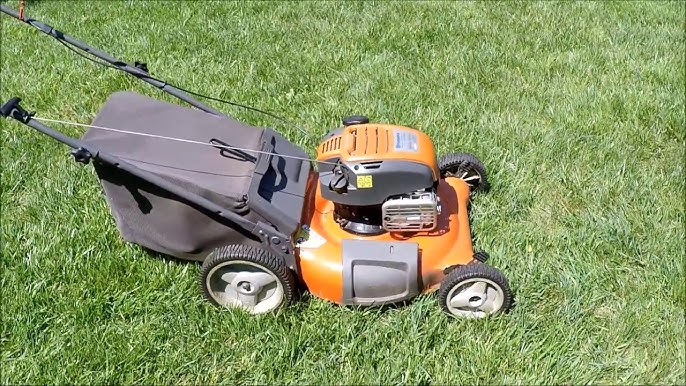
How Do You Start a Lawn Mower in 10 Easy Steps
To start your lawn mower in 10 easy steps, first ensure all safety features are functioning properly. Check that fuel and oil levels are correct to avoid any engine issues. Placing the mower on flat ground is essential for safe and effective operation.
Next, clear the area of any debris that could interfere with mowing. Engage safety controls such as the blade lever to prevent accidental starts. Set the choke or throttle to the appropriate starting position to prepare the engine.
Finally, pull the starter cord with steady force until the engine ignites. Once the mower starts, confirm all systems are working correctly before beginning to mow.
Follow these simple steps, and you’ll be ready to get your lawn looking great in no time.
Key Takeaways
- Inspect all safety features, including blade control and safety switch, ensuring they function properly before starting the mower.
- Check fuel and oil levels, topping up with recommended fluids as needed, while the engine is cool.
- Position the mower on flat, stable ground and clear the area of debris and obstacles.
- Prime the engine if applicable, set the choke or throttle to start position, and pull the starter cord steadily.
- Wear protective gear, confirm all safety features remain engaged, then proceed to mow safely.
Check Your Lawn Mower’s Safety Features
Before you start your lawn mower, make sure you check its safety features thoroughly. First, verify the blade control lever, often called the bail, functions properly. It should stop the blade immediately when released.
Next, inspect the safety key or switch; it must be in place and operational to prevent accidental starts. Check the mower’s shields and guards—these protect you from debris and moving parts. Make sure they’re securely attached without any damage.
Also, verify that the engine stop lever works smoothly, enabling quick shutdown if needed. Don’t forget to look at the wheels and handles for stability and control. Confirming these safety features helps prevent accidents and ensures you’re ready to operate your mower safely.
Check and Add Fuel and Oil
How often should you check the fuel and oil levels in your lawn mower? It’s a good practice to inspect both before every use to guarantee smooth operation. Start by locating the fuel tank cap and oil dipstick or fill cap.
If your mower runs on gasoline, open the fuel tank and make sure it has fresh fuel—stale gas can cause starting issues. Add fuel if needed, but avoid overfilling. Next, check the oil level by removing the dipstick, wiping it clean, reinserting it, then pulling it out again to see the oil level.
If the oil is low, add the recommended type until it reaches the proper mark. Keeping fuel and oil at the right levels helps your mower run efficiently and prevents engine damage.
Adjust the Lawn Mower’s Cutting Height
Wondering what cutting height to set on your lawn mower? The right height depends on your grass type and the season. Most mowers have a lever or knob to adjust the cutting height—usually ranging from about 1 inch to 4 inches.
For healthier grass, avoid cutting more than one-third of the blade length at once. Taller cuts promote deeper roots, especially during hot or dry periods. To adjust, locate the height adjustment lever near the wheels, then move it to your desired setting.
Make sure all wheels are set evenly so your lawn cuts uniformly. Setting the correct height helps prevent scalp damage and keeps your lawn looking its best while protecting the mower’s blade from hitting the ground.
Position the Lawn Mower on a Flat Surface
Before you start your lawn mower, make sure to place it on level ground to keep it stable. Check that the area around the mower is clear of debris and obstacles to prevent any accidents.
Taking these simple steps will help you get started safely and smoothly.
Choose Level Ground
One crucial step in starting your lawn mower is positioning it on level ground. Choosing a flat surface guarantees stability, making it easier and safer to start the engine. When your mower is on an even plane, the fuel and oil settle properly, which helps the engine run smoothly right from the start.
Avoid slopes or uneven patches, as these can cause the mower to tip or fuel to flow irregularly, possibly leading to engine problems or accidents. Look for a firm, flat area outdoors, free from debris that could interfere with the mower’s base. Taking this small precaution before you pull the starter cord will save you frustration and help your mower operate efficiently every time you use it.
Clear Surrounding Area
After placing your lawn mower on a flat surface, you’ll want to make certain the area around it is clear. Remove any stones, sticks, toys, or debris that could interfere with the mower’s blades or cause damage. Check for pets or children nearby to guarantee their safety.
A clear area helps prevent accidents and allows you to mow efficiently without sudden stops. Also, clear away tall grass or weeds near the mower’s base that might get tangled. Taking these precautions before you start will keep both you and your mower safe.
A tidy work area means you can focus on mowing without distractions or hazards, making the process smoother and safer every time you start your lawn mower.
Use the Safety Features and Brake Controls
Although it might seem straightforward, using the safety features and brake controls correctly is essential for preventing accidents when starting your lawn mower. Before you pull the starter cord, always engage the blade control lever or safety bar; this keeps the blade from spinning unexpectedly.
Make sure your mower’s safety switch is activated; many models won’t start unless this is engaged. Also, hold the brake control firmly—this prevents the mower from rolling or moving as you start it. Never bypass or disable these features, as they’re designed to protect you.
Taking a moment to check these controls ensures your mower starts safely and reduces the risk of injury. Always follow the manufacturer’s instructions for your specific model’s safety systems.
Prime the Engine If Your Mower Has a Primer Bulb
If your lawn mower has a primer bulb, you’ll want to press it several times before starting the engine. This small rubber bulb pushes fuel into the carburetor, making it easier to start the mower, especially after it’s been sitting for a while. Typically, pressing the primer bulb three to five times is enough.
Be careful not to press it excessively, as flooding the engine with too much fuel can make starting harder. After you’ve primed the engine, you can move on to the next step, which involves adjusting the throttle or choke.
Set the Throttle or Choke for Starting
Before you start the mower, you’ll need to set the throttle or choke correctly to make sure the engine fires up smoothly. If your mower has a choke lever, move it to the “choke” or “start” position. This restricts airflow, enriching the fuel mixture, which helps the engine start when it’s cold.
For mowers with a throttle control, set it to a fast or “run” position to ensure enough fuel is delivered. Some models combine these controls, so check your manual if you’re unsure. Once the engine warms up, you’ll move the choke back to “run” or open the throttle to maintain steady operation.
Setting the throttle or choke right prevents stalling and makes starting easier every time.
Pull the Lawn Mower Starter Cord Correctly
How exactly should you pull the lawn mower starter cord to get your engine running smoothly? First, grip the handle firmly but comfortably. Don’t yank it abruptly; instead, pull the cord out slowly until you feel resistance.
Grip the handle firmly, pull the cord slowly until resistance, then give a strong, steady pull.
This resistance means the engine is ready to start. Then, give a quick, strong pull to turn the engine over. Avoid pulling too fast or too slow—both can cause the cord to snap or the engine to stall.
After your pull, let the cord retract gently without letting it snap back. This prevents damage to the recoil mechanism. Remember, consistent, controlled pulls are key.
With practice, you’ll develop the right rhythm to start your mower efficiently every time.
Troubleshoot and Restart a Mower That Won’t Start
Though it’s frustrating when your mower won’t start, you can often fix the problem yourself by checking a few common issues. First, confirm the fuel tank has fresh gasoline.
Next, check the spark plug for dirt or damage. Finally, inspect the air filter for clogs.
| Issue | Cause | Solution |
|---|---|---|
| No fuel | Empty or stale gas | Refill with fresh fuel |
| No spark | Dirty or faulty plug | Clean or replace plug |
| Poor airflow | Clogged air filter | Clean or replace filter |
After addressing these, try pulling the starter cord again. If it still won’t start, you might need professional help or to check other parts like the carburetor.
Perform a Quick Post-Start Check Before Mowing
Once your mower is running, take a moment to inspect the safety features to make sure everything’s working properly.
You’ll also want to check the fluid levels to avoid any issues while mowing.
These quick steps help keep you safe and your mower in good shape.
Inspect Safety Features
Why should you examine safety features right after starting your lawn mower? It guarantees everything is functioning correctly before you begin mowing, reducing risks of accidents or injuries.
Checking these features keeps you safe and protects your mower from damage.
Here’s a quick checklist to examine:
| Safety Feature | What to Check | Action if Faulty |
|---|---|---|
| Blade Brake | Stops blade when released | Don’t mow, repair first |
| Safety Switch | Engages when handles held | Test before use |
| Shields and Guards | Properly attached | Replace or fix |
| Engine Stop Control | Shuts engine immediately | Repair if unresponsive |
| Muffler | Secure and undamaged | Tighten or replace |
Examining these features lets you mow confidently and safely every time.
Check Fluid Levels
After confirming all safety features are working properly, the next step is to check your lawn mower’s fluid levels. Start by turning off the engine and waiting for it to cool if it’s been running. Check the oil level by removing the dipstick, wiping it clean, reinserting it, then pulling it out again to see the mark.
Add oil if the level is low, but don’t overfill. Also, inspect the fuel tank to ensure there’s enough gasoline for your mowing session. If your mower uses a separate transmission or hydraulic fluid, check those levels according to the manufacturer’s instructions.
Keeping these fluids at proper levels helps prevent engine damage and guarantees smooth operation while you mow. Always address any leaks or low fluids before starting your work.
Frequently Asked Questions
How Often Should I Sharpen the Lawn Mower Blades?
You should sharpen your lawn mower blades about every 20-25 hours of use or at least once every mowing season. Dull blades tear grass, so keeping them sharp helps your lawn look healthier and cuts more cleanly.
Can I Use Regular Gasoline in My Lawn Mower?
You might wonder if regular gasoline is your mower’s best friend—it usually is, as long as it’s unleaded and fresh.
Just avoid ethanol blends over 10%, or your mower could cough and stall, ruining your day.
What Is the Best Way to Store My Lawn Mower in Winter?
You should drain the fuel or add a stabilizer, clean the mower thoroughly, remove the battery if possible, and store it in a dry, sheltered place.
This keeps it ready and prevents damage during winter.
How Do I Know When to Replace the Lawn Mower Air Filter?
You’ll know it’s time to replace your air filter when your mower sounds like it’s gasping for air or refuses to start—basically, when it’s begging for a gust of fresh, clean air, not your old dusty mess.
What Maintenance Is Needed to Keep My Lawn Mower Running Smoothly?
You’ll want to regularly change the oil, clean or replace the air filter, sharpen the blades, check the spark plug, and remove grass clippings.
Keeping fuel fresh and storing it properly also helps your mower run smoothly.
Conclusion
Starting your lawn mower is as simple as riding a bike once you know the steps. By checking safety features, fuel, and settings, you’re setting yourself up for smooth mowing. Remember to position the mower properly and use the starter cord with care.
If it doesn’t start right away, troubleshooting helps you get back on track quickly. With these tips, your lawn mower will roar to life, ready to tackle your yard like a well-oiled machine. Following these easy steps ensures safe operation and efficient lawn care every time.