Top 12 Best Soil for Container Vegetables That Boost Growth
Many people start container gardening only to find their vegetables struggling in thin, compacted soil that dries out too fast or stays soggy for days. The best soil for container vegetables avoids this by striking the right balance between moisture retention and drainage, which is crucial because poor soil can stunt growth or cause root rot.
This soil mix typically contains a blend of organic matter like compost or peat moss, combined with perlite or vermiculite to keep it airy and well-draining. A good container soil shouldn’t be too dense; an ideal texture allows roots to expand easily and access both water and oxygen. Nutrient content matters too, with some mixes including slow-release fertilizers to support steady vegetable growth throughout the season.
Need a Quick Check?
| Image | Product | Price |
|---|---|---|
Our Top Picks 1  | Miracle-Gro Organic Outdoor | Check Price |
Our Top Picks 2  | Burpee Organic Coconut Coir | Check Price |
Our Top Picks 3  | Espoma Organic Potting Soil | Check Price |
Our Selected Top 12 Soil for Container Vegetables Worth Considering
This selection covers a variety of soil options suitable for growing vegetables in containers, highlighting their performance, ideal users, and key advantages and drawbacks. Each review offers clear insights to help find the best match for different gardening needs and conditions.
1. Miracle-Gro Organic Outdoor Potting Mix
Made primarily with responsibly sourced peat moss, this potting mix suits anyone growing outdoor container vegetables and other plants. Its biggest strength lies in the included quick-release natural fertilizer, which keeps plants fed for up to two months without extra effort.
Using the potting mix is straightforward. Fill your container partially, loosen the vegetable’s root ball, then cover it with more soil. Water thoroughly to set the soil.
The 16-quart bag provides ample material, and its organic components make it suitable for a variety of outdoor plants like herbs and flowers alongside vegetables.
The soil’s main job of supporting healthy plant growth performs well thanks to its balanced nutrient content. Being OMRI listed and containing natural fertilizer makes it a reliable choice for organic growing.
Gardeners mention its consistent texture as a plus, but some find it not as lightweight as other potting mixes, which can affect handling during planting.
The natural fertilizer included keeps vegetables healthy with little fuss, praised for making feeding easy during the growing season. Some feel the soil could be lighter to handle during planting and moving containers.
Gardeners wanting organic support for a variety of outdoor container plants will appreciate this mix. Those needing a lightweight option or precise control over feeding may prefer other products.
Pros
- Feeds plants for up to two months
- Made with responsibly sourced peat
- Suitable for all outdoor container plants
- OMRI listed for organic gardening
Cons
- Heavier than some other potting mixes
- Only one bag size available
| Specification | Details |
|---|---|
| Brand Name | Miracle-Gro |
| Contains | Quick-Release Natural Fertilizer |
| Unit Count | 1 Count (16 qt.) |
| OMRI Listed | Yes |
| Manufacturer | Scotts Miracle Gro |
2. Burpee Organic Potting Mix with Coconut Coir
Rich in nutrients and containing coconut coir, Burpee Organic Potting Mix with Coconut Coir suits gardeners wanting strong, healthy vegetable growth in containers. Its biggest strength comes from the mix’s ability to hold moisture while ensuring proper drainage, which is essential for container vegetables.
Setting up container beds with this soil is straightforward since it integrates well in pots and raised beds. The coconut coir helps maintain moisture without oversaturation, reducing watering frequency. The included fertilizer means plants get a steady nutrient supply, keeping herbs and vegetables happy whether indoors or outdoors.
Handling the soil feels light because of the coir, which also aids aeration around roots.
It promotes vibrant, continuous growth thanks to balanced nutrients supporting root health. The organic composition is suitable for those mindful about environmental effects. Most users notice plants flourishing with plenty of blooms and vegetables.
A noted drawback is that some find the soil slightly less dense than expected, which can require topping up over time in larger containers.
Plants grown in this potting mix often show vigorous root and leaf development, leading to flourishing vegetables and herbs. Some users point out the lighter soil density means containers might need refilling sooner than with heavier mixes.
Gardeners looking for high-quality organic soil that balances moisture and aeration will find this mix suitable. Those needing very dense soil for large planters might consider alternatives that retain structure longer.
Pros
- Retains moisture while improving drainage
- Includes fertilizer for ongoing nutrient supply
- Contains coco coir for better root aeration
- OMRI Listed for organic gardening
Cons
- May require topping up in large containers
- Soil density is lighter than some expect
| Specification | Details |
|---|---|
| Brand | Burpee |
| Model Number | 90042 |
| Included Components | Fertilizer |
| Item Type Name | Ideal for Container Garden – Vegetable, Flower & Herb Use for Indoor Plant or Outdoor Plant |
| Unit Count | 1 Count |
3. Espoma Organic Potting Soil Mix
Espoma Organic Potting Soil Mix works great for anyone growing vegetables in containers and wanting an organic option. Its biggest advantage lies in the enriched blend that supports plant health and growth. This soil suits both indoor and outdoor container gardening, especially for herbs, vegetables, and flowers.
Setup involves simply filling your container with the soil, whether you’re planting fresh seeds or moving a plant to a bigger pot. The mix contains sphagnum peat moss, humus, and perlite, which keeps the soil airy and moist without becoming waterlogged.
Regular repotting with fresh soil keeps your vegetables thriving, making daily care easier due to its balanced moisture retention and nutrient content from natural amendments like earthworm castings.
This soil performs consistently well in providing nutrients and drainage for container vegetables. It’s enriched with alfalfa meal, kelp meal, and feather meal, ensuring plants get steady nourishment.
The added Myco-tone mycorrhizae boost root development. Most users praise its organic quality and plant health support. Some mention that a single 16 qt.
bag might not be enough for larger projects, which requires buying multiple packs.
Many appreciate how the natural ingredients and mycorrhizae improve vegetable growth in containers. On the downside, the bag size can be limiting for larger gardening needs, making multiple purchases necessary.
Ideal for gardeners wanting organic, nutrient-rich soil for various vegetables in small to medium containers. Those with large-scale container setups may want to consider buying in bulk or other options better suited for volume.
Pros
- Rich organic blend supports plant growth naturally
- Suitable for both indoor and outdoor container gardening
- Includes beneficial mycorrhizae for better root health
- Light texture maintains good drainage and moisture balance
Cons
- Only one 16 qt. bag per pack, may need multiple bags
- Not specialized for any single vegetable type
| Specification | Details |
|---|---|
| Brand Name | Espoma |
| Unit Count | 1 Count |
| Item Type Name | Espoma Organic Potting Soil Mix – All Natural Potting Mix for All Indoor & Outdoor Containers Including Herbs & Vegetables. for Organic Gardening, 16 qt. Bag. Pack of 1 |
| Model Number | AP16 |
| Manufacturer Part Number | AP16 |
4. Back to the Roots Organic Potting Soil

Gardening in containers can be tricky without the right soil, especially for veggies that need just the right moisture and nutrients. Perfect for people growing herbs, fruits, or vegetables in pots, this potting soil stands out for being organic and peat-free, which is great for those wanting an eco-friendlier option that still supports healthy plant growth.
Setting up pots with this soil is straightforward as it comes in a 6-quart package, ready to use right away. Its blend includes yucca extract to help control moisture, so water stays balanced longer without pooling or drying out too fast.
Day-to-day, the soil feels light and airy yet holds enough moisture to keep veggies happy, meaning less frequent watering and more consistent growth.
It performs well by keeping the pH balanced thanks to dolomitic limestone, which supports strong root development. The soil has a solid structure without being heavy or compacting, allowing roots to spread easily. Many appreciate the organic and USA-made aspect, praising the better moisture control.
Some mention the quantity might not suit larger containers or extensive gardens.
Users find this soil excellent for moisture retention and pH balance, which supports healthy veggie growth. A common issue is that the 6-quart size might fall short for bigger or multiple container setups, requiring additional purchases.
Anyone growing herbs or vegetables in small to medium containers will appreciate the organic, peat-free formula and moisture management. Bigger gardens or those needing heavy nutrient content could look for a different soil option with more volume or fertilizers included.
Pros
- 100% organic and peat-free mix
- Good moisture control with yucca extract
- Balanced pH from dolomitic limestone
- Made in the USA
Cons
- Quantity may not suit large container gardens
- Not as nutrient-rich as some specialty soils
| Specification | Details |
|---|---|
| Brand Name | Back to the Roots |
| Unit Count | 192 Fluid Ounces |
| Item Type Name | Back to the Roots 100% Organic Potting Mix (6 quart) | Premium Blend | Made in the USA |
| Peat-Free | Yes |
| Moisture Control | Yucca Extract |
| pH Balance Ingredient | Dolomitic Limestone |
5. Miracle-Gro Organic Indoor Potting Mix

Helps regulate soil moisture to prevent over- and under-watering, making it a great choice for growing vegetables in containers. Suited for anyone growing indoor plants, especially those concerned about keeping soil moisture consistent for herbs or starter plants.
Its organic makeup and moisture control stand out as its biggest strength.
Setting up containers with this soil is straightforward. The mix includes sphagnum peat moss, coir, and natural fertilizer, which helps seeds and plants get started quickly.
Daily care feels easier since the soil responds well to watering patterns, which reduces the risk of drowning the roots or letting the soil dry out. It’s designed specifically for indoor settings, keeping houseplants and vegetables healthy in pots.
Performance-wise, the soil manages moisture very effectively, so plants don’t suffer from water stress. Built from responsibly sourced ingredients, it’s a solid, organic option that supports healthier growth indoors. Most praise comes from how well it balances moisture retention, though a few note it might not drain as fast for those preferring drier conditions.
The mix holds nutrients well, making it a practical choice for growing container veggies.
Most users note the mix’s ability to keep moisture balanced helps plants stay healthy without constant watering adjustments. Some find it holds water a bit too long, which can be an issue for plants needing faster drainage. It’s built from organic materials that support natural growth indoors.
It suits gardeners wanting an organic, moisture-regulating soil for indoor veggies or herbs. Those needing soil for outdoor use or quicker drainage might want to consider alternate options. Perfect for seed starting and indoor container settings, but not designed for outdoor or large-scale soil needs.
Pros
- Helps protect against over and under watering
- Contains quick-start natural fertilizer
- Made with responsibly sourced peat moss and coir
- OMRI Listed for organic gardening
Cons
- May retain moisture longer than some prefer
- Only suitable for indoor container plants
| Specification | Details |
|---|---|
| Brand Name | Miracle-Gro |
| Item Type Name | Miracle-Gro Organic Indoor Potting Mix |
| Manufacturer | Scotts Miracle Gro |
| Model Number | 74186430 |
| Number of Packs | 1 |
| Unit Count | 1 Count |
6. Miracle-Gro Indoor Potting Mix Seed Starting

Gardeners starting vegetable seeds indoors will find this soil mix useful. Designed specifically for seed starting, it helps grow stronger roots and reduces fungus gnats. Its biggest strength lies in being lightweight while already enriched with plant food, giving an easy head start to seedlings without extra feeding.
Using the mix is straightforward, you fill cell trays or containers with it, keep it moist, and place it out of direct sunlight until seeds sprout. Its ready-to-use form saves time, and its composition without compost or bark means fewer problems with pests like fungus gnats, common in many seed starting media.
The mix performs well at promoting healthy root growth compared to unfed soil, making it excellent for vegetables, flowers, herbs, and cuttings. It’s consistent in texture and easy to work with, although some might find it dries out quicker due to its light weight.
Most praise centers on its effectiveness in germination, while a frequent downside is the need to monitor moisture closely.
Users appreciate how well it encourages stronger roots and seedling growth compared to unfed soil. Some experience the mix drying out quicker, which requires more frequent watering attention.
Those focused on starting seeds and cuttings indoors will benefit from this soil, especially when pest control matters. Gardeners wanting a mix with natural compost or slower drying might prefer other products.
Pros
- Lightweight and easy to handle
- Enriched with plant food for strong roots
- Less prone to fungus gnats
- Ready to use out of the bag
Cons
- Dries out faster than heavier mixes
- Contains no compost or bark for added organic matter
| Specification | Details |
|---|---|
| Brand Name | Miracle-Gro |
| Item Type Name | Potting Mix |
| Included Components | Miracle Gro – 74978500 – 2pk |
| Number of Packs | 2 |
| Unit Count | 512 Ounce |
7. Coast of Maine Tomato & Vegetable Planting Soil

Coast of Maine Tomato & Vegetable Planting Soil is designed specifically for growing vegetables in containers and garden beds. It stands out for combining natural ingredients like composted manure and peat moss, making it ideal for anyone focused on boosting vegetable harvests with nutrient-rich, well-balanced soil.
Setup is straightforward since the soil works well both indoors and outdoors. It supports transplanting and seeding by holding moisture without becoming waterlogged.
The mix of sphagnum peat moss and aged bark helps with drainage and aeration, ensuring your plants get the oxygen they need while retaining enough water to avoid frequent watering.
Built with a premium organic blend, this soil promotes healthy growth for tomatoes, peppers, cucumbers, and herbs. The structure improves soil texture, leading to better root development and abundant harvests. The most common drawback mentioned is the limited quantity per pack, which might require purchasing multiple bags for larger container setups.
The soil receives high marks for improving water retention and delivering nutrients that encourage strong vegetable growth. Many find it improves soil quality significantly but sometimes wish the volume offered was larger per purchase.
Growers focused on container or raised bed vegetables will appreciate this tailored mix. Gardeners working on large plots might prefer a product with bigger packaging to reduce buying frequency.
Pros
- Supports moisture retention and drainage
- Made with composted manure and peat moss
- Suitable for both indoor and outdoor use
- Improves soil structure for better root growth
Cons
- Only one 20qt pack included
- May require multiple bags for larger gardens
| Specification | Details |
|---|---|
| Brand Name | Coast of Maine |
| Item Highlight | Promotes Abundant Vegetable Harvests, Premium Organic Blend |
| Number of Packs | 1 |
| Unit Count | 1 Count |
| Included Components | 20qt Organic and Natural Planting Soil |
| Manufacturer | Coast of Maine |
8. Back to the Roots Organic Compost

Back to the Roots Organic Compost offers a peat-free, 100% organic soil mix perfect for container vegetables. It stands out for its use of upcycled plant matter and wood fines, making it an eco-friendly choice.
Ideal for gardeners looking to support healthy vegetable growth in raised beds or containers.
The compost mix arrives ready to use right out of the bag, making setup straightforward. It blends well with other soil amendments and retains moisture effectively. Day-to-day care involves regular watering, with the soil’s nutrient-rich composition supporting steady plant development without needing extra fertilizers early on.
The soil performs reliably in promoting vibrant vegetable growth and good harvests. It has a solid, crumbly texture that allows roots to breathe while holding just enough water. Made in the USA, it emphasizes organic and sustainable materials.
A few users mention it can dry out faster in very hot sun, requiring more frequent watering.
Strong points include its organic, peat-free composition and how well it nurtures vegetables, producing vibrant plants and healthy yields. The most frequent downside comes from soil drying faster in intense sunlight, which means watering routines may need adjusting.
This compost is well-suited for gardeners focused on sustainable, organic growing methods who can maintain consistent watering. Those looking for a very large quantity or a soil mix that retains moisture with minimal care might want to consider other options.
Pros
- 100% organic and peat-free blend
- Made with upcycled plant matter
- Nutrient-rich for vegetable growth
- Proudly made in the USA
Cons
- Can dry out quickly in hot, sunny conditions
- Only available as a single 25.7 quart bag
| Specification | Details |
|---|---|
| Brand Name | Back to the Roots |
| Item Highlight | Organic compost soil amendment for raised beds, gardens and plants; peat-free blend with yucca and gypsum |
| Quantity | 25.7 quart bag |
| Unit Count | 822.4 Ounce |
| Manufacturer | Back to the Roots |
| Model Number | 47047 |
9. FoxFarm Ocean Forest Potting Soil

Feels light and airy, making it easy to work with in any container garden setup. It suits anyone growing vegetables in pots who wants nutrient-rich soil that retains moisture well. Its biggest strength is the carefully balanced blend that supports healthy root growth and plant development right out of the bag.
Setup requires no mixing or amendments, which saves time. The texture is loose and well-aerated thanks to the mix of forest products, sandy loam, and peat moss, so water drains efficiently without causing soggy roots. It holds moisture effectively but still lets air circulate, which is great for container vegetables that need consistent moisture without waterlogging.
It consistently helps seedlings and plants flourish because of the included fish meal, crab meal, and earthworm castings that provide essential nutrients. The soil is pH adjusted to optimize nutrient uptake, making it a reliable choice for healthful growth.
One common downside is the single pack size, which means more purchases for larger projects, but its balanced composition is its greatest advantage for container vegetable growing.
Plants tend to show healthy growth quickly thanks to the nutrient-rich mixture and pH adjustment, making it good for starting seedlings. A noted limitation is the single pack size, which might not be enough for larger or multiple container plantings.
People growing smaller or medium-sized container vegetable gardens will find this soil meets their needs well. Those managing very large container setups might prefer buying in bulk or alternative options to minimize repeated purchases.
Pros
- Light, aerated texture aids root development
- Includes natural nutrients like fish and crab meal
- Retains moisture without causing overwatering issues
- Use it straight from the bag without any preparation
Cons
- Only comes in a single 12qt pack
- May require multiple purchases for large container gardens
| Specification | Details |
|---|---|
| Brand | FoxFarm |
| Model Number | OF12QT |
| Number of Packs | 1 |
| Unit Count | 12 Count |
| Included Components | FoxFarm Ocean Forest Potting Soil, 12qt – Light, Aerated Texture |
| Item Type Name | FoxFarm Ocean Forest Potting Soil, 12qt – pH Adjusted, Moisture Retaining |
10. Harris All Purpose Potting Soil Mix

Great for container vegetable gardening, this all purpose potting mix suits both indoor and outdoor setups with excellent moisture retention. Its biggest strength lies in combining worm castings with coco coir, giving plants a nutrient-rich base that keeps vegetables thriving.
Working with it is straightforward since it’s designed for containers, flower boxes, and hanging baskets alike. The mix drains quickly thanks to pumice and perlite, so you won’t have to worry about soggy roots.
At the same time, coco coir holds onto just enough moisture to keep veggies hydrated. Preparing pots is easy and maintenance feels natural due to how the soil balances water and air around the roots.
It performs well in supporting vegetable growth because of its nutrient blend, especially benefiting from worm castings. The soil is light yet dense enough to retain moisture without becoming waterlogged. Many appreciate the natural drainage and nutrient content, while some mention a minor dustiness when handling the mix.
It balances aeration and moisture effectively.
The soil’s strong nutrient mix from worm castings promotes vibrant vegetable growth, while pumice and perlite keep roots aerated and prevent waterlogging. Most users find the mix effective but note a bit of dustiness when pouring or handling it.
Anyone focusing on container vegetables will appreciate how it balances water retention and drainage. Gardeners planting directly in the ground should look for products designed specifically for in-ground use rather than containers.
Pros
- Contains worm castings packed with essential nutrients
- Fast drainage due to pumice and perlite content
- Coco coir maintains moisture for healthy plants
- Suitable for both indoor and outdoor container gardening
Cons
- Some dustiness noticed during handling
- Limited to container use, not ideal for ground planting
| Specification | Details |
|---|---|
| Brand Name | HARRIS |
| Unit Count | 148 Ounce |
| Item Type Name | Soil |
| Manufacturer | Harris |
| Model Number | SOIL-4 |
11. Espoma Organic Potting Soil Mix
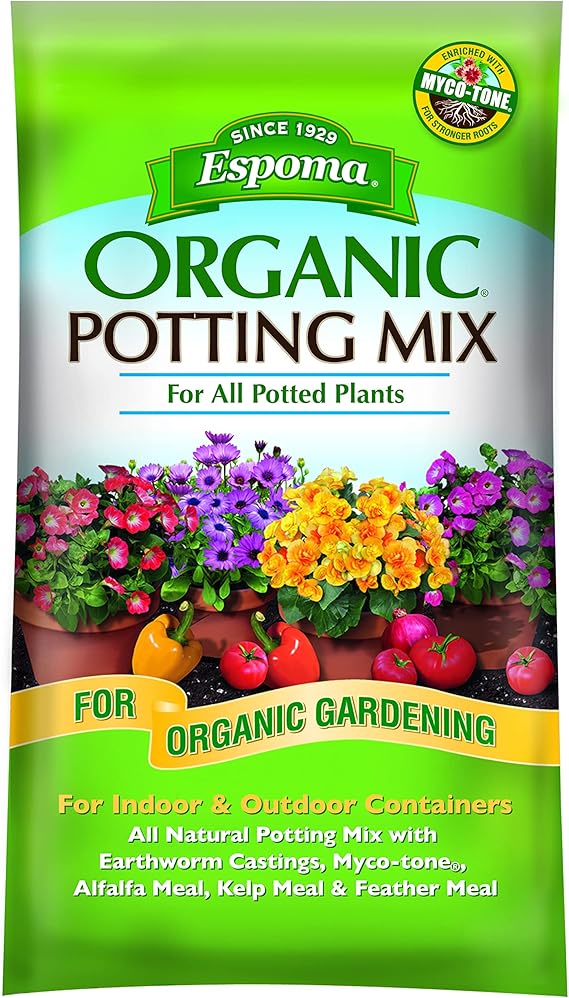
Sphagnum peat moss mixed with humus and perlite forms the base of this potting soil, designed specifically for container vegetables and herbs. It stands out for being organic while supporting both indoor and outdoor plants, making it a versatile choice for gardeners focusing on veggies in pots.
Starting with any container planting is straightforward using this mix. It’s light enough to fill pots without weighing them down too much but still rich enough to nourish plants. The added nutrients like earthworm castings and alfalfa meal help keep vegetables growing strong.
Refreshing your soil during transplanting is simple since it’s suitable for any stage of growth.
The soil maintains good moisture balance while allowing roots to breathe thanks to the perlite. Gardeners appreciate its natural ingredients and boost from mycorrhizae, which aid root health. A common critique mentioned is that sometimes the mix can compact over time, requiring gentle fluffing between waterings to keep aerated.
Many find the nutrient-rich profile and organic ingredients improve vegetable growth noticeably, while some notice the soil compacts if not regularly aerated. This mix feels natural and supportive but requires occasional maintenance to keep roots healthy.
Gardeners growing a variety of container vegetables who want organic soil will be pleased with this blend. Those looking for a larger quantity or a soil that stays loose longer without intervention might want to consider alternatives.
Pros
- Organic mix suitable for various container plants
- Enriched with natural nutrients and mycorrhizae
- Balances moisture retention and aeration
Cons
- Can compact and need fluffing over time
- Only one unit count per pack
| Specification | Details |
|---|---|
| Brand Name | Espoma |
| Unit Count | 1 Count |
| Use | Indoor & Outdoor Containers Including Herbs & Vegetables |
| Mix Components | Sphagnum peat moss, humus, perlite, earthworm castings, alfalfa meal, kelp meal, feather meal |
| Model Number | AP1 |
12. Coast of Maine Acadia Blend Potting Soil

Ideal for container vegetables and herbs, Coast of Maine Acadia Blend Potting Soil is known for its balanced moisture retention without peat moss. It fits gardeners who want a plant-based, peat-free mix that supports strong root growth in pots and planter boxes.
Setup involves simply filling your containers with soil designed specifically for container gardening. The mix holds water well while draining enough to prevent soggy roots. Since it contains kelp meal and natural micronutrients, you won’t need to add many supplements, allowing plants to grow steadily with minimal fuss.
Performance lives up to its promise by delivering consistent moisture and good aeration, which is crucial for container vegetables. Built with 100% peat-free, plant-based ingredients, the soil stays light and workable. Many appreciate how it supports healthy roots.
Some find the nutrient supply basic, needing extra feeding for heavier feeders.
Many appreciate the soil’s ability to hold moisture while offering enough drainage to prevent overwatering issues. Its peat-free, plant-based composition appeals to eco-conscious gardeners. However, the nutrient level is basic, requiring extra fertilizers for plants that need more feeding.
This soil suits gardeners focused on sustainable container growing who appreciate a ready-to-use, balanced mix. Those growing large or nutrient-hungry vegetables might look for something richer or plan on supplementing nutrients during the season.
Pros
- Peat-free and fully plant-based composition
- Includes kelp meal for natural nutrients
- Good balance of moisture retention and drainage
- Suitable for flowers, vegetables, and herbs
Cons
- May require additional feeding for heavy-feeding plants
- Only comes in a single 8 qt bag size
| Specification | Details |
|---|---|
| Brand Name | Coast of Maine |
| Item Highlight | Peat-free, growing mix enriched with kelp meal |
| Number of Packs | 1 |
| Unit Count | 96 Ounce |
| Manufacturer Part Number | AC4500 |
| Model Number | AC4500 |
Best Soil Types for Container Vegetables Comparison
| Product | Brand | Best For | Unit Count | Organic Certification |
|---|---|---|---|---|
| Miracle-Gro Organic Outdoor | Miracle-Gro Organic Outdoor | Outdoor Container Plants | 1 Count | OMRI Listed |
| Burpee Organic Coconut Coir | Burpee Organic Coconut Coir | Container Garden Vegetables | 1 Count | – |
| Espoma Organic Potting Soil | Espoma Organic Potting Soil | All Indoor & Outdoor Veggies | 1 Count | – |
| Back to the Roots Potting | Back to the Roots Potting | Indoor & Outdoor Veggies | 192 Fl Oz | Peat-free |
| Miracle-Gro Organic Indoor | Miracle-Gro Organic Indoor | Indoor Container Plants | 1 Count | OMRI Listed |
| Miracle-Gro Indoor Seed Starting | Miracle-Gro Indoor Seed Starting | Seed Starting Indoors | 512 Ounce | – |
| Coast of Maine Tomato Soil | Coast of Maine Tomato Soil | Vegetable Harvests | 1 Count | Organic Blend |
| Back to the Roots Compost | Back to the Roots Compost | Raised Beds & Gardens | 822.4 Ounce | Peat-free |
| FoxFarm Ocean Forest Soil | FoxFarm Ocean Forest Soil | All Container Plants | 12 Count | pH Adjusted |
| Harris All Purpose Soil | Harris All Purpose Soil | All Purpose | 148 Ounce | – |
| Espoma Potting Soil Mix | Espoma Potting Soil Mix | Indoor & Outdoor Veggies | 1 Count | – |
| Coast of Maine Acadia Blend | Coast of Maine Acadia Blend | Flowers & Vegetables | 96 Ounce | Peat-free |
- BrandMiracle-Gro Organic Outdoor
- Best ForOutdoor Container Plants
- Unit Count1 Count
- Organic CertificationOMRI Listed
- BrandBurpee Organic Coconut Coir
- Best ForContainer Garden Vegetables
- Unit Count1 Count
- Organic Certification–
- BrandEspoma Organic Potting Soil
- Best ForAll Indoor & Outdoor Veggies
- Unit Count1 Count
- Organic Certification–
- BrandBack to the Roots Potting
- Best ForIndoor & Outdoor Veggies
- Unit Count192 Fl Oz
- Organic CertificationPeat-free
- BrandMiracle-Gro Organic Indoor
- Best ForIndoor Container Plants
- Unit Count1 Count
- Organic CertificationOMRI Listed
- BrandMiracle-Gro Indoor Seed Starting
- Best ForSeed Starting Indoors
- Unit Count512 Ounce
- Organic Certification–
- BrandCoast of Maine Tomato Soil
- Best ForVegetable Harvests
- Unit Count1 Count
- Organic CertificationOrganic Blend
- BrandBack to the Roots Compost
- Best ForRaised Beds & Gardens
- Unit Count822.4 Ounce
- Organic CertificationPeat-free
- BrandFoxFarm Ocean Forest Soil
- Best ForAll Container Plants
- Unit Count12 Count
- Organic CertificationpH Adjusted
- BrandHarris All Purpose Soil
- Best ForAll Purpose
- Unit Count148 Ounce
- Organic Certification–
- BrandEspoma Potting Soil Mix
- Best ForIndoor & Outdoor Veggies
- Unit Count1 Count
- Organic Certification–
- BrandCoast of Maine Acadia Blend
- Best ForFlowers & Vegetables
- Unit Count96 Ounce
- Organic CertificationPeat-free
How to Choose the Right Soil for Container Vegetables
Choosing soil with good drainage, proper nutrients, and the right texture is essential for container vegetables to thrive. These factors ensure healthy root growth and reduce the risk of waterlogging or nutrient loss, saving money and preventing common gardening problems.
Nutrient Content
Watching a vegetable crop fade away halfway through the season often traces back to poor nutrient management. Many container mixes dry out or lose nutrients fast, leading to weak plants.
A good soil balance provides a steady supply of macronutrients like nitrogen, phosphorus, and potassium, alongside essential micronutrients such as zinc and copper. These are critical for healthy leaf and fruit development.
Organic matter is another key component. It helps retain nutrients in forms roots can access while supporting soil structure for root growth.
Look for mixes with compost or well-aged organic material. A nutrient mix that lasts the entire growing season eliminates constant feeding and prevents sudden slowdowns in plant growth.
Drainage and Aeration
Containers often suffer from water sitting too long, which suffocates roots and causes rot. Good drainage in growing media is crucial to avoid this.
Including coarse materials like perlite or coarse sand allows excess water to escape while keeping some moisture available.
Besides drainage, proper aeration improves oxygen flow to roots, critical for respiration and nutrient uptake. A poorly aerated mix leads to compacted roots and higher chances of fungal infections. Soils with evenly distributed chunky particles prevent the soil from settling tight and reduce disease risk.
Soil Texture and Composition
The texture of container soil can make or break vegetable yields. Fine particles hold water but can lead to soggy conditions, while very coarse soils dry out too fast.
A balanced particle size mix offers consistent moisture without drowning roots. Common blends combine peat for moisture retention, compost for nutrients, and substances like perlite or vermiculite to boost drainage and aeration.
Different vegetables and container sizes need different mixes. Shallow containers benefit from faster-draining soil to avoid waterlogged roots, while bigger pots can hold richer, heavier mixes.
Adjust the soil composition depending on your container and plant type for best results.
Ph Level and Adjustability
Most common vegetable crops thrive in slightly acidic to neutral conditions, roughly pH 6.0 to 7.0. Moving outside this range limits nutrient availability, causing deficiencies despite adequate fertilizing. Good container soil should start within this ideal pH range and remain stable through watering and feeding cycles.
Soils tend to drift in pH over time, especially with fertilizers. Some mixes allow easier adjustments by adding lime to raise pH or sulfur to lower it.
This adjustability matters if growing specific vegetables that prefer more acidic or alkaline conditions. Testing the pH periodically and adjusting helps maintain nutrient uptake efficiency.
Contaminantfree and Safety
Safety is fundamental when growing edible plants in containers. Some soils contain residues of pesticides, herbicides, or heavy metals, which can build up and contaminate your harvest. Using mixes certified as natural or organic reduces these risks significantly.
Ensuring soil is free from harmful contaminants protects both the plant’s health and the safety of what you eat. Look for products clearly labeled as free from toxins and suitable for vegetable growing to avoid unwanted chemicals in your garden and diet.
Optimizing Soil Moisture for Healthy Container Vegetables
Maintaining even moisture is crucial for container vegetables because soil in pots dries out faster than garden beds. Look for soil mixes containing peat moss or coconut coir, which hold water without becoming soggy. These components improve water retention but also ensure good drainage to prevent root rot.
Adding perlite or vermiculite to the mix can further balance moisture levels by increasing aeration.
Tips for managing soil moisture:
- Use containers with drainage holes to avoid water build-up.
- Water deeply but less frequently to encourage strong root growth.
- Mulch the soil surface to reduce evaporation in warmer months.
Checking soil moisture regularly by feeling the top inch can help you adjust watering before plants show stress. This approach supports healthy, productive vegetable plants in containers.
Common Mistakes to Avoid When Using Soil in Vegetable Containers
Choosing regular garden soil for container vegetables often leads to poor drainage and compacted roots. Container soils need to be light and airy to allow oxygen to reach roots and prevent waterlogging.
Overwatering is a common mistake that quickly causes fungal issues in pots.
Other missteps to avoid:
- Using soil that lacks nutrients, which container vegetables quickly consume.
- Not refreshing soil or adding fertilizer during the growing season.
- Ignoring the importance of pH balance, which affects nutrient availability.
Containers dry out faster during hot weather, so assuming soil will hold moisture like ground soil can harm plants. Sticking to a soil mix formulated for containers and monitoring its condition through the season prevents many problems commonly seen in container vegetable gardening.
Comparing Organic and Inorganic Soil Options for Container Gardening
Organic soils typically contain compost, peat, or coconut coir and provide nutrients naturally over time. These amendments help improve soil texture and encourage beneficial microbes, which can boost plant health.
However, organic soils may need supplemental fertilizer because nutrient release is slower and less predictable.
Inorganic soil mixes, often made with materials like perlite, vermiculite, and sand, offer excellent drainage and aeration. They do not break down quickly, so soil structure remains stable throughout the growing season. On the downside, they usually lack nutrients, requiring more frequent fertilizing.
Choosing between organic and inorganic:
- Organic mixes are better if you prefer natural soil fertility and don’t mind occasional fertilizer use.
- Inorganic mixes suit gardeners wanting consistent drainage and easier control over nutrient levels.
Many gardeners find a combination of both types provides the right balance of moisture retention, aeration, and nutrition for container vegetables.
People Also Asked
What Type of Soil Is Best for Growing Container Vegetables?
The best soil for container vegetables is a lightweight potting mix with good drainage. Avoid using garden soil, which can be too dense and hold too much water. Adding some perlite or vermiculite helps keep the soil aerated for healthy roots.
How Often Should I Replace Soil in Vegetable Containers?
Soil in vegetable containers should typically be replaced or refreshed every year. Nutrients get depleted and soil structure can break down over time. You can also top off the soil and add fertilizer mid-season to keep plants growing well.
Can I Mix Compost with Soil for Container Vegetables?
Mixing compost with soil is a good way to add nutrients and improve soil texture. Use well-rotted compost so it doesn’t introduce pests or diseases. Make sure to balance compost with a quality potting mix for proper drainage.
What Size Container Is Ideal for Growing Vegetables Outdoors?
For most vegetables, containers should be at least 12 inches deep and wide. Deeper containers work better for root vegetables and plants that grow large. Smaller pots dry out faster and can stunt the growth of bigger crops.
How Do I Prevent Soil Pests in Container Vegetable Gardens?
To prevent pests in container vegetable soil, start with fresh, clean soil and avoid reusing old soil without treating it. Using neem oil or insecticidal soap on the soil surface can help control larvae. Keeping containers clean and watering properly reduces pest problems too.
Conclusion
Good drainage, nutrient content, and texture matter most when selecting soil for container vegetables. The soil should hold enough moisture without becoming soggy, and it needs to provide the essential nutrients plants require to grow. A loose, airy mix supports healthy root development and makes watering easier.
Choose a soil that fits your growing space and how often you plan to tend your containers. Heavier soils might work better for gardeners who water frequently, while lighter mixes suit less frequent watering.
Use the comparison table and product details above to find the right balance for your needs and budget.

I’m Jake Thompson, and I’ve spent over a decade working on lawn mowers, from small push mowers to big riding tractors. I write about starting problems, blade sharpening, carburetor cleaning, oil changes, and seasonal maintenance. My goal is to give you clear, step-by-step advice so you can handle common mower issues yourself and keep your lawn looking sharp all season.