Top 12 Best Cauliflower to Grow for Stunning Garden Success
Many gardeners have faced the frustration of growing cauliflower only to end up with small, bitter heads or plants that bolt before the curd forms. Finding the best cauliflower to grow means selecting varieties that handle your local climate and soil conditions well, ensuring you get full, tender heads instead of a disappointing harvest. Starting with seeds that suit your growing zone can make all the difference between a wasted effort and a successful crop.
The best cauliflower to grow typically comes down to hardiness, maturity time, and resistance to common diseases like clubroot or downy mildew. Varieties that mature in 55 to 80 days are practical for most temperate regions, allowing for multiple harvests if timed right. A good cauliflower should also respond well to consistent watering and cool temperatures, which encourages firm, creamy-white curds without stressing the plant.
These factors outweigh flashy features or exotic varieties, especially when aiming for reliable home garden results.
Need a Quick Check?
| Image | Product | Price |
|---|---|---|
Our Top Picks 1  | Snowball Cauliflower Seeds | Check Price |
Our Top Picks 2  | Thresh Seed Co. Cauliflower | Check Price |
Our Top Picks 3  | Snowball Y Improved Seeds | Check Price |
Our Selected Top 12 Cauliflower to Grow Worth Considering
This list features a variety of cauliflower varieties chosen for their growth performance and suitability for different gardeners. Each review highlights key characteristics, including strengths and drawbacks, helping readers find the best match for their growing conditions and preferences.
1. Snowball Cauliflower Seeds
Gardeners looking for a reliable, easy-to-grow cauliflower variety will appreciate these seeds. The biggest strength lies in how the plants naturally protect their heads with long leaves, making these ideal for sunny outdoor gardens. Snowball Cauliflower Seeds suit those wanting a non-GMO, heirloom option for fresh, quality vegetable growing.
Starting the seeds is straightforward with clear instructions included on the colorful packet. The seeds thrive best in sandy soil with full sun exposure. Daily care means keeping the soil moderately watered but not soaking wet.
The leaves surrounding the heads help shield them from sun damage, reducing the risk of sunburn on the edible parts.
The germination rate is impressively high, which makes growing these seeds quite rewarding. They grow consistently into heads that are well covered and protected by their own leaves.
Most praise centers on the ease of growth and protection from sun, though some find they need to be mindful of maintaining moderate moisture to avoid stressing the plants.
The seeds have a high germination rate, making it easy to get lots of healthy cauliflower plants. The long, wrapping leaves naturally protect the heads well from sun damage. Though, consistent moderate watering is needed to keep the plants happy and avoid stress.
Growers with full sun gardens and sandy soil who want heirloom, non-GMO choices will find these seeds a solid fit. Those looking for indoor options or less demanding soil types should explore alternatives better suited to those needs.
Pros
- High germination rate
- Long leaves protect edible head
- Non-GMO heirloom seeds
- Detailed growing instructions included
Cons
- Requires careful moisture control
- Only suitable for outdoor sandy soil
| Specification | Details |
|---|---|
| Sunlight Exposure | Full Sun |
| Soil Type | Sandy Soil |
| Moisture Needs | Moderate Watering |
| Indoor/Outdoor Usage | Outdoor |
| Seed Count | 200 Snowball Cauliflower Seeds |
2. Thresh Seed Co. Cauliflower Seeds
Thresh Seed Co. Cauliflower Seeds stand out with their heat tolerance and large, tight heads reaching up to 10 inches across. Well suited for gardeners in cooler climates or those who have found growing traditional varieties like Snow Ball difficult, these seeds provide a reliable option with plants that handle sun and temperature challenges better than many heirlooms.
Starting these seeds outdoors requires only moderate watering and placement in partial sun, making them straightforward to care for. The plants develop abundant wrapper leaves that protect the heads from sun exposure, keeping cauliflower heads bright white. Their cold climate suitability means they survive and thrive even when overwintering might be tough with other types.
Performance-wise, the variety produces large, dense cauliflower heads that are easier to grow than some heirloom options, particularly in heat or colder climates. The plants are open-pollinated, which helps maintain seed quality over time. One notable drawback reported is that while more heat-tolerant, some gardeners still find growing conditions can impact head development depending on moisture consistency.
The cauliflower heads stay bright white thanks to the many wrapper leaves shielding them from sun damage, a feature appreciated by many. Consistent watering still plays a key role in ensuring proper head development, as occasional lapses can lead to less dense cauliflower.
Gardeners in zones 3 to 9 who want a reliable, less fussy cauliflower suited for cooler and moderately warm climates will find these seeds satisfying. Those expecting a no-maintenance grow might prefer a variety with even lower water demands.
Pros
- Large, tight heads up to 10 inches
- Heat-tolerant open-pollinated variety
- Excellent for colder climates
- Abundant wrapper leaves protect heads
Cons
- Moisture inconsistency can affect head quality
- Requires moderate, consistent watering
| Specification | Details |
|---|---|
| Indoor/Outdoor Usage | Outdoor |
| Sunlight Exposure | Partial Sun |
| USDA Hardiness Zone | 3,4,5,6,7,8,9 |
| Moisture Needs | Moderate Watering |
3. Snowball Y Improved Cauliflower Seeds
Snowball Y Improved Cauliflower Seeds deliver reliable garden performance with beautiful pure white heads. Ideal for gardeners looking for an easy-to-grow, heirloom variety that fits well in limited spaces like balconies or raised beds. Its biggest strength is producing firm textured, tasty cauliflower suitable for many recipes.
Getting started requires planting in moist, fertilized, well-drained soil during early spring, late summer, or early fall. It favors full sun exposure and moderate watering.
These seeds stay manageable in small spaces, making them perfect for container or urban gardens. Germination is strong, which eases the process for beginners growing in cool season conditions.
The heads form firm textures with a delicious flavor, making them versatile for cooking from roasting to stir fry. The plant reaches about 24 inches high, an easy size for small garden setups.
Most find the growth reliable across USDA zones 2 through 11. A few mentions indicate the need for consistent moisture to maintain quality heads.
Snowball Y Improved cauliflower seeds provide dependable harvests with firm, tasty heads that perform well in small spaces. The most frequent concern is maintaining consistent moisture to avoid compromising head quality.
Gardeners wanting a beginner-friendly, space-conscious cauliflower will appreciate this variety. Those unable to provide steady watering or full sun might want to explore alternatives better suited for variable conditions.
Pros
- Strong germination in cool season conditions
- Fits well in small spaces and containers
- Produces firm, flavorful white cauliflower heads
- Adaptable to a wide USDA hardiness range (2-11)
Cons
- Requires consistent moderate watering
- Best growth limited to full sun exposure
| Specification | Details |
|---|---|
| Expected Blooming Period | Spring to Fall |
| Sunlight Exposure | Full Sun |
| Expected Planting Period | Early Spring, Late Summer, Early Fall |
| USDA Hardiness Zone | 2-11 |
| Expected Plant Height | 24 inches |
| Soil Type | Moist, fertilized, well-drained |
4. Country Creek Acres Snowball Y Cauliflower Seeds

Growing Snowball Y Cauliflower feels rewarding, especially for those who want a healthy, low-calorie vegetable straight from their garden. It suits outdoor gardeners in USDA zones 3 to 10 looking for a reliable spring crop that loves full sun. Its biggest strength lies in the high germination rate, which means more seedlings come up healthy and strong.
Start by planting the seeds outdoors in spring when the soil is ready. The cauliflower needs moderate watering to keep the soil moist but not soaked.
It prefers full sun, so pick a spot with plenty of daylight. Watching the plants grow through spring until blooming is straightforward, as they thrive in a typical garden setup without extra fuss.
The cauliflower heads develop firmly and are easy to harvest after the spring bloom. They do well in typical garden conditions and respond nicely to moderate care. Many appreciate how dependable the germination and growth rate are, yet some gardeners note it requires careful water management to avoid stress.
The seeds grow best in zones ranging from 3 to 10.
The high germination rate is frequently praised, meaning more seeds turn into healthy plants, making starting a garden less worry. The main complaint involves the need for moderate watering, as inconsistent moisture can cause problems for the cauliflower plants.
Gardeners in USDA zones 3 to 10 who have outdoor space and can give full sun and moderate watering will find this variety fits well. Those looking for indoor seed options or who struggle with watering consistency should consider alternatives.
Pros
- High germination rate ensures strong seedlings
- Thrives well in full sun outdoor setups
- Suitable for a wide variety of climates (zones 3 to 10)
- Healthy and low-calorie vegetable choice
Cons
- Requires careful moderate watering to avoid stress
- Only for outdoor growing, no indoor use
| Specification | Details |
|---|---|
| Indoor Outdoor Usage | Outdoor |
| Sunlight Exposure | Full Sun |
| Expected Planting Period | Spring |
| Expected Blooming Period | Spring |
| Moisture Needs | Moderate Watering |
| USDA Hardiness Zone | 3 to 10 |
5. Cauliflower Seeds 4 Variety Pack

Perfect for gardeners wanting variety, the Cauliflower Seeds 4 Variety Pack offers four different heirloom types, each with unique colors and harvest times. Its biggest strength is the selection, allowing for a colorful and extended cauliflower harvest through spring and fall.
Planting is straightforward outdoors in loam soil with full sun exposure. Regular watering keeps these plants happy.
The staggered season harvest is handy, with Snowball and Green Macerata maturing first, followed by Violetto and Romanesco. The compact size and pest-resistant traits reduce upkeep, making it accessible for those who prefer low-maintenance gardening.
The seeds reliably produce distinct cauliflower heads, white, green, purple, and the fractal lime Romanesco, adding fun to the garden. High germination rates make growing consistent. Most users appreciate the variety and disease resistance.
Some have noted longer wait times for Romanesco to mature compared to other varieties, which may affect harvest planning.
The variety pack consistently delivers colorful and healthy cauliflower heads, supporting an extended growing season. The longest wait comes from Romanesco, which requires patience but adds a standout look to your garden. Disease and pest resistance keep plants thriving with relatively low effort.
Gardeners who want multiple cauliflower colors and a steady spring-to-fall harvest will enjoy this pack. Those looking for very fast results or indoor growing options may want to look elsewhere. It suits outdoor planting with enough sun and consistent watering routines.
Pros
- Four unique heirloom cauliflower types
- Compact plants fit small spaces well
- High germination and low maintenance
- Good disease and pest resistance
Cons
- Romanesco takes longest to mature
- Needs regular watering for best results
| Specification | Details |
|---|---|
| Expected Plant Height | 24 inches |
| USDA Hardiness Zone | 2-11 |
| Soil Type | Loam Soil |
| Sunlight Exposure | Full Sun |
| Expected Blooming Period | Spring to Fall |
6. Snowball Cauliflower Seeds Heirloom

Heirloom seeds designed for outdoor growing provide Snowball Y Improved cauliflower with a clear focus on natural protection. Suitable for gardeners in cooler climates, its biggest strength is the self-blanching feature that wraps leaves around the curd, cutting down on extra work and producing that classic white head.
Start these seeds indoors a month or so before your last frost or sow them directly for a fall crop. They need full sun and fertile, well-drained soil with consistent moisture. Plants should be spaced 18-24 inches apart, giving room for 24-36 inches between rows.
A soil pH of 6.0 to 7.0 helps keep them happy. Keeping track of temperature around 60-70°F will help heads mature properly in about 70-80 days.
Usually strong in producing good heads under right conditions, the plant’s natural leaf wrapping replaces tying leaves as a safeguard. It thrives in hardier zones (3-9), performing well during cool weather. Some find that it demands steady moisture and attention to soil conditions to avoid slow or poor head development.
The build is sturdy for an outdoor crop and the self-blanching leaves reduce extra work.
Snowball Y Improved excels at producing well-protected, white cauliflower heads thanks to its natural leaf wrapping. Most users find moisture control critical, as inconsistent watering often leads to smaller or discolored heads. The self-blanching feature saves time but doesn’t remove the need for careful care overall.
The plant fits gardeners looking for a cool-weather cauliflower that needs less manual leaf tying and can survive in cooler zones. Those without control over watering or temperature should consider varieties more tolerant of heat and drought conditions.
Pros
- Self-blanching eliminates need for leaf tying
- Thrives in zones 3-9 for versatile planting
- Produces classic white curds reliably
- Suitable for both spring and fall growing
Cons
- Requires consistent moisture to develop heads
- Best growth limited to 60-70°F temperatures
| Specification | Details |
|---|---|
| USDA Hardiness Zone | 3-9 |
| Expected Blooming Period | Spring to Fall |
| Sunlight Exposure | Full Sun |
| Days to Maturity | 70-80 days |
| Plant Spacing | 18-24 inches apart, 24-36 inches between rows |
7. Live Cauliflower Plants, Pack Of 3

Starter cauliflower plants arrive 4 to 6 inches tall, perfect for anyone wanting a head start on growing crisp, white cauliflower at home. Their biggest strength is being ready to transplant right away, saving time compared to starting from seed.
Getting these plants into your garden is straightforward. Suitable for outdoor beds, raised containers, or spaces with good sunlight, they thrive best in well-draining, fertile soil.
Regular moderate watering is important to keep them healthy as they develop. They tolerate heat well, so they handle warmer days better than some other varieties.
Cauliflower heads develop from late summer to early fall, reaching about 12 inches high at harvest. The plants do their job well when placed in zones 9 to 11 with partial shade to full sun.
One main positive is their robustness in heat, though their need for moderate watering can be tricky if irrigation is irregular.
Plants are praised for arriving healthy and ready to go, offering a great head start. The most common issue is keeping up with their moderate water needs, especially in hotter weather, which can be a challenge without steady watering.
Gardeners in warm USDA zones who can maintain regular watering will find these plants easy to manage and productive. Those outside zones 9 to 11 or who prefer less fuss with watering might consider alternatives better suited to cooler or drier conditions.
Pros
- Plants arrive ready-to-transplant
- Heat tolerant for warmer climates
- Suitable for indoor and outdoor gardening
- Good size at delivery (4-6 inches tall)
Cons
- Needs consistent moderate watering
- Limited to zones 9-11 for best growth
| Specification | Details |
|---|---|
| Expected Blooming Period | Late Summer To Early Fall |
| Sunlight Exposure | Partial Shade To Full Sun |
| Expected Plant Height | 12 inches |
| USDA Hardiness Zone | 9-11 |
| Soil Type | Well-draining, Fertile Soil |
| Moisture Needs | Moderate Watering |
8. Cheddar Cauliflower Live Plants, Pack Of 2

Cheddar Cauliflower Live Plants bring a bright splash of orange to your garden, perfect for anyone wanting a unique variety packed with beta-carotene. Their standout feature is the vibrant color, which adds interest beyond the usual white cauliflower heads.
Great for gardeners ready to grow something a little different that also does well in warmer zones.
These plants arrive already grown 4 to 6 inches tall and ready to transplant directly into your garden or pots. They prefer full sun and well-drained soil, which keeps daily care straightforward. Moderate watering suits them well, and a spot with partial shade to full sun works best.
Spring to early summer is the ideal planting time, offering a nice growing schedule.
Cheddar cauliflower plants reach about 12 inches in height and offer a solid, healthy structure. They are heat tolerant, which helps if you live in zones 9 to 11 and experience warmer days during summer.
Many comments note the head’s striking color as a highlight, while the main drawback mentioned is that it requires steady watering and good soil to thrive well.
The most praised feature is the unique bright orange heads that add color and nutrition to any garden. Common issues center around its water needs; inadequate moisture can slow growth or stress the plant. It thrives best when planted with care in well-drained soil and receives the right sunlight balance.
Gardeners in warmer climates looking for something distinctive will appreciate these plants. Those outside USDA zones 9-11 or who cannot provide consistent watering may want to consider varieties better suited for cooler or drier conditions.
Pros
- Vibrant orange heads packed with beta-carotene
- Plants arrive ready to transplant at 4-6 inches tall
- Heat tolerant, ideal for warmer climates
- Thrives in full sun with moderate watering
Cons
- Needs steady watering to avoid stress
- Best suited for USDA zones 9-11 only
| Specification | Details |
|---|---|
| Expected Plant Height | 12 inches |
| Sunlight Exposure | Partial Shade To Full Sun |
| Expected Planting Period | Spring To Early Summer |
| Expected Blooming Period | Late Summer To Early Fall |
| USDA Hardiness Zone | 9-11 |
9. Snow Crown Hybrid Cauliflower Seeds
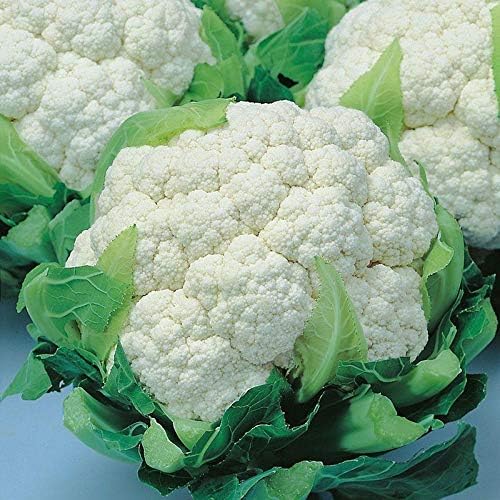
Growing cauliflower can be tricky, especially finding seeds that thrive in sandy soil and require regular watering. Snow Crown Hybrid Cauliflower Seeds fit well for gardeners looking for a dependable variety that performs well in full sun.
Its biggest strength lies in delivering consistent, high-quality heads suitable for home gardens.
Starting the seeds involves planting them in sandy soil with an open spot that gets full sunlight each day. Regular watering is essential to keep the soil moist and support healthy growth.
The seeds come with a no hassle guarantee, and shipping from the US is free, which makes ordering straightforward and reliable. Maintaining the plants day-to-day is simple if you stick to the sunlight and moisture needs.
The seeds reliably grow cauliflower with nice quality heads when the care instructions are followed. The hybrid nature means they are bred for quality results. The main compliment is on the quality of seeds ensuring good fruit, while the most noted downside is the need for consistent watering, which can be demanding in dry conditions.
The seeds are praised for consistently producing good quality cauliflower when cared for properly. The main challenge is the necessity of regular watering, which might require more attention in dry climates.
Gardeners with the right soil and climate who can manage regular watering will find these seeds rewarding. Those with less ideal conditions or limited time for maintenance might want to consider other varieties better suited to their environment.
Pros
- Produces high-quality cauliflower heads
- Suitable for sandy soil
- No hassle guarantee
- Free shipping from the United States
Cons
- Requires consistent watering
- Only grows well in full sun
| Specification | Details |
|---|---|
| Sunlight Exposure | Full Sun |
| Soil Type | Sandy Soil |
| Moisture Needs | Regular Watering |
| Type | Seeds |
| Shipping | Free Shipping On All Orders |
10. Multicolor Cauliflower Seed Mix

Growing a variety of colorful cauliflower heads ranging from purple to orange in a compact space adds fun to any garden and suits both beginners and experienced gardeners. Its biggest strength is that it thrives best in cool weather, making it ideal for spring or fall planting in zones 4-7.
Starting seeds indoors a few weeks before the last frost guarantees a good head start, then transplanting outdoors ensures healthy growth. The seeds need full sun for about 6 to 8 hours daily, with rich, well-draining soil amended with compost for best results.
It fits nicely in garden plots, beds, or even large containers, keeping care requirements low and manageable.
The cauliflower mix grows to about 18 to 30 inches in height and develops heads in 70 to 90 days after transplanting, which makes timing manageable for a summer or fall harvest. Reviews often highlight how straightforward the planting process is, but some point out its sensitivity to heat as a drawback.
The variety is non-GMO and provides a colorful harvest that stands out visually in any garden.
The multicolor heads provide a unique and colorful harvest, making it enjoyable to grow. The most frequent complaint mentions its sensitivity to heat, which limits planting times to cooler seasons, so pay attention to temperature when planning your garden.
Gardeners looking for a low-maintenance, visually interesting cauliflower for cooler months will find this a good fit. Those in hotter climates or without consistent cool weather might want to consider other varieties better suited for heat tolerance.
Pros
- Multicolor heads add visual variety
- Grows well in containers or beds
- Minimal care and easy to grow
- Non-GMO seeds for peace of mind
Cons
- Heat sensitive, struggles in warm weather
- Requires well-draining soil and consistent moisture
| Specification | Details |
|---|---|
| Plant Height | 20 inches |
| Blooming Period | 70–90 days after transplanting |
| Sunlight Exposure | Full sun; 6–8 hours a day |
| Planting Period | Early spring or late summer |
| USDA Hardiness Zone | 2 3 4 5 6 7 8 9 10 11 |
11. Seed Needs Cauliflower Variety Pack

Gardeners looking for a reliable cauliflower seed variety pack for cool weather will appreciate the Seed Needs Cauliflower Variety Pack. It suits beginners and seasoned gardeners alike, with its simple growing requirements and consistent quality of seeds stored in ideal conditions to maintain vitality.
Planting is straightforward thanks to the detailed seed sowing instructions printed on the packet. The seeds require full sun and moderate watering, thriving in fertile, rich soil. Being an heirloom, non-GMO, untreated seed batch, it’s suitable for organic gardening.
The seeds stay viable for the current and following growing seasons as long as you keep them stored properly.
These cauliflower varieties reach about 20 inches in height, growing well in any USDA hardiness zone during spring or fall. The pack is praised for having good seed quality and generous quantities, which allows sharing and saving for another season.
Some find germination occasional to spotty, requiring patience and care in planting and watering.
The seed pack is appreciated for its high-quality, untreated, non-GMO seeds with clear growing instructions. Patience is needed due to occasional inconsistent germination, which can be a concern for gardeners wanting quick, uniform sprouting.
Those wanting a straightforward, versatile cauliflower to grow in cool seasons will find this seed pack fitting. Anyone needing faster and more reliable germination might want to consider options that specifically emphasize high germination guarantees.
Pros
- Non-GMO and untreated seeds
- Detailed sowing instructions included
- Seeds remain viable for two seasons
- Suitable for all USDA zones
Cons
- Some seeds have spotty germination rates
- Requires fertile soil and moderate watering
| Specification | Details |
|---|---|
| Sunlight Exposure | Full Sun |
| Expected Plant Height | 20 inches |
| Expected Planting Period | Spring / Fall |
| USDA Hardiness Zone | Suitable for all zones |
| Soil Type | Fertile / Rich |
| Moisture Needs | Moderate Watering |
12. Live Cauliflower Plants

Live Cauliflower Plants stand out by arriving as ready-to-grow starters in pots, cutting down the wait compared to seeds. Perfect for gardeners who want fresh cauliflower without fuss, they thrive in full sun and well-drained soil.
Their wide hardiness across Zones 2–11 makes them adaptable and reliable for many growing conditions.
Setting up these plants is straightforward since they come potted and ready for transplant. These plants need plenty of sunlight and well-draining soil, no matter if they’re in a vegetable garden, raised bed, or container.
Plant them in early spring or late summer to match their preference for cool seasons. Routine care involves keeping the soil moist and watching for pests, just as with any cabbage family plant.
Performance-wise, these starter plants develop strong heads of cauliflower when given proper sun and soil conditions. The physical plant is sturdy, and customers often appreciate how much time is saved compared to starting from seeds.
A common issue is their sensitivity to heat, which can affect growth outside of ideal cool-season planting windows. They deliver consistent and healthy crops when given the right environment.
These plants save time by arriving already started in pots, proving easier to manage than seeds. Reviews often highlight that cauliflower quality is very good when grown in the right conditions, but heat sensitivity can cause issues if planted too late in warm weather.
Gardeners looking for an accessible, well-established plant for cool-season growing will appreciate these cauliflower starts. Those in warmer climates or without consistent full sun might want to consider alternatives more tolerant of heat and shade.
Pros
- Plants arrive ready to grow in pots
- Wide growing zone range from 2 to 11
- Works well in containers and raised beds
- Prefers cool growing seasons
Cons
- Needs consistently full sun to thrive
- Growth slows in warmer temperatures
| Specification | Details |
|---|---|
| Sunlight Exposure | Full Sun |
| Expected Planting Period | Early spring or late summer |
| Growing Zones | 2–11 |
| Suitable For | Vegetable Gardens, Raised Beds, Containers |
Best Cauliflower Varieties Side by Side Comparison
| Product | Usage | Sunlight | USDA Zone | Special Features |
|---|---|---|---|---|
| Snowball Cauliflower Seeds | Outdoor | Full Sun | – | High Germination Rate |
| Thresh Seed Co. Cauliflower | Outdoor | Partial Sun | 3-9 | – |
| Snowball Y Improved Seeds | Outdoor | Full Sun | 2-11 | Premium |
| Country Creek Snowball Y | Outdoor | Full Sun | 3-10 | High Germination Rate |
| Cauliflower Seeds Variety Pack | Outdoor | Full Sun | 2-11 | Disease Resistant |
| Snowball Heirloom Seeds | Outdoor | Full Sun | 3-9 | – |
| Live Cauliflower Plants 3-Pack | Indoor | Partial Shade To Full Sun | 9-11 | Heat Tolerant |
| Cheddar Cauliflower Plants 2-Pack | Indoor | Partial Shade To Full Sun | 9-11 | Heat Tolerant |
| Snow Crown Hybrid Seeds | – | Full Sun | – | Seeds |
| Multicolor Cauliflower Mix | Indoor, Outdoor | Full Sun | – | Easy to grow |
| Seed Needs Variety Pack | – | Full Sun | All zones | Heirloom |
| Live Cauliflower Plants | – | Full Sun | – | – |
- UsageOutdoor
- SunlightFull Sun
- USDA Zone–
- Special FeaturesHigh Germination Rate
- UsageOutdoor
- SunlightPartial Sun
- USDA Zone3-9
- Special Features–
- UsageOutdoor
- SunlightFull Sun
- USDA Zone2-11
- Special FeaturesPremium
- UsageOutdoor
- SunlightFull Sun
- USDA Zone3-10
- Special FeaturesHigh Germination Rate
- UsageOutdoor
- SunlightFull Sun
- USDA Zone2-11
- Special FeaturesDisease Resistant
- UsageOutdoor
- SunlightFull Sun
- USDA Zone3-9
- Special Features–
- UsageIndoor
- SunlightPartial Shade To Full Sun
- USDA Zone9-11
- Special FeaturesHeat Tolerant
- UsageIndoor
- SunlightPartial Shade To Full Sun
- USDA Zone9-11
- Special FeaturesHeat Tolerant
- Usage–
- SunlightFull Sun
- USDA Zone–
- Special FeaturesSeeds
- UsageIndoor, Outdoor
- SunlightFull Sun
- USDA Zone–
- Special FeaturesEasy to grow
- Usage–
- SunlightFull Sun
- USDA ZoneAll zones
- Special FeaturesHeirloom
- Usage–
- SunlightFull Sun
- USDA Zone–
- Special Features–
How to Choose the Best Cauliflower Variety
Selecting the right cauliflower variety depends on factors like climate compatibility, growth time, and disease resistance. Choosing well-adapted types helps ensure healthy plants and better yields, saving money and reducing the risk of crop failure or extra care.
Climate Adaptability
Some cauliflower varieties struggle with temperature swings, turning yellow or failing to form heads properly when the weather is too cold or hot. Selecting a variety suited to your climate means less risk of crop failure.
Varieties that tolerate frost usually survive early spring plantings without damage, while heat-tolerant options resist bolting during warmer stretches. Growing in zones outside a variety’s comfort zone often leads to stunted or poor-quality heads.
Choosing adapted varieties means matching your region’s temperature extremes and season length. Look for seed packets or descriptions with USDA zone ratings or notes on frost and heat resistance.
For short seasons, early-maturing types that tolerate cool temperatures matter most. Warmer regions can handle varieties bred for heat stress with longer growing windows.
Growth Duration
Cauliflower maturity times range widely, affecting how you plan your garden or farm rotation. Short-season varieties tend to mature in around 60 days and suit multiple plantings during a single season, allowing for quick harvests before cold sets in. Late-season varieties can take over 80 days but often yield larger heads.
Understanding the growth duration helps avoid gaps in production or overcrowding, especially when rotating crops to manage soil health. Planning with early, mid, and late maturity types means staggering harvests and reducing risk if one planting is delayed. Check seed packages for days to maturity to time your planting precisely.
Head Quality and Size
Quality heads have firm, densely packed curds with a consistent creamy white or sometimes purple or green color depending on variety. Heads that discolor, develop brown spots, or become loose and crumbly often taste bitter and cook unevenly. A good head holds shape after harvesting and stays fresh longer.
The best varieties produce heads 6–8 inches across with tight texture, ideal for slicing fresh or steaming. Taste varies subtly, but sweetest types tend to have a mild, nutty flavor. Uniform color usually signals less bruising and longer shelf life, critical for gardeners selling or storing their crops.
Disease and Pest Resistance
Disease resistance is crucial because problems like black rot can wipe out entire seedlings or cause heads to rot before harvest. Clubroot can linger in the soil and make future plantings difficult.
Varieties with built-in tolerance reduce the need for chemical controls and lower pest management efforts.
Common pests include aphids, cabbage worms, and flea beetles that damage leaves and stunt growth. Picking resistant varieties lessens your work and chemical use.
Seed packets or catalog descriptions usually list known resistances, which are a practical way to avoid constant spraying and plant stress.
Yield and Reliability
The yield per plant can swing dramatically depending on variety and conditions. Good reliable types produce 1.5 to 2 pounds per head regularly. Yield consistency from year to year and under varying weather means gardeners and farmers can depend on results and reduce waste.
Strong seedlings that establish quickly contribute heavily to yield reliability. Varieties known for vigorous early growth often outcompete weeds and recover quicker from stress.
Pay attention to reported establishment success rates or seedling vigor ratings when selecting seeds to improve chances of a productive harvest.
Optimal Growing Conditions for Cauliflower Varieties
Cauliflower thrives best in cool weather, with ideal temperatures ranging from 60 to 70 degrees Fahrenheit. Planting early spring or late summer helps avoid the heat that can cause poor head development.
The soil should be rich in organic matter and well-drained, maintaining a consistent moisture level to avoid stress. Frequent watering without waterlogging is crucial, especially as heads begin to form. Soil pH between 6.0 and 7.0 supports nutrient uptake, so testing and adjusting soil acidity beforehand can improve growth significantly.
Proper spacing, about 18 to 24 inches between plants, allows room for healthy head formation and air circulation, reducing disease risks. Sun exposure of at least 6 hours a day supports photosynthesis without excessive heat stress. Using mulch can regulate soil temperature and retain moisture, making it easier to maintain the stable conditions cauliflower needs.
Common Challenges and How to Prevent Cauliflower Crop Failures
One common problem in cauliflower cultivation is bolting, where the plant flowers prematurely due to heat stress. Prevent this by choosing varieties suited to your climate and planting at the right time. Pests like cabbage worms and aphids can damage leaves and reduce yield; inspecting plants regularly and using row covers can limit their impact.
Cauliflower is also prone to fungal diseases such as downy mildew and clubroot. Crop rotation and ensuring good drainage help minimize these risks.
Over or underwatering can lead to poor head quality or cracked curds, so keeping soil evenly moist is essential. Nutrient deficiencies, especially of nitrogen, phosphorus, and potassium, result in stunted growth or discolored heads, so balanced fertilization based on soil testing is recommended.
Addressing these issues early improves the chance of a healthy, full cauliflower harvest.
Comparing Heirloom and Hybrid Cauliflower Types for Your Garden
Heirloom cauliflowers often provide rich flavor profiles and a variety of colors, like purple or orange, but they may require more care and longer growing periods. These varieties sometimes lack disease resistance found in hybrids, making them more vulnerable in some climates. Hybrid types are bred for uniform heads, shorter maturity times, and improved resistance to common pests and diseases.
These traits make hybrids practical for gardeners needing reliable results within limited seasons. Some hybrids can handle warmer temperatures better than heirlooms, extending the planting window.
However, hybrids might lack the traditional taste and texture that heirlooms offer. Choosing between the two depends on your priorities: whether you want a straightforward growing experience or to experiment with diverse flavors and colors in your garden.
People Also Asked
How Long Does Cauliflower Last After Harvesting or Buying?
Cauliflower usually keeps fresh for about a week when stored in the refrigerator. Wrapping it in a plastic bag with holes helps maintain moisture while preventing mold. Check it daily and use any discoloration spots quickly to avoid waste.
What Is the Ideal Soil Type for Growing Healthy Cauliflower?
Loamy, well-drained soil rich in organic matter suits cauliflower best. Adding compost before planting improves soil fertility and moisture retention. Keep the soil consistently moist as cauliflowers need steady water for good head development.
How Do I Prevent Pests and Diseases on Cauliflower Plants?
Crop rotation and proper spacing reduce disease risks on cauliflower. Applying neem oil or insecticidal soap can help manage aphids and caterpillars. Remove any affected leaves promptly to stop pests or diseases from spreading.
Can Cauliflower Grow Well in Containers or Small Gardens?
Cauliflower can grow in containers if they are at least 12 inches deep and wide. Use nutrient-rich potting soil and ensure consistent watering to prevent the plant from drying out. Position the container where it gets full sun most of the day.
What Are the Common Signs of Overripe or Spoiled Cauliflower?
Brown spots, mushy areas, or a strong unpleasant odor indicate overripe or spoiled cauliflower. The florets become loose or slimy when the vegetable is past its prime. Use fresh heads quickly before any color changes appear to get the best flavor and texture.
Conclusion
Choosing the right cauliflower mostly depends on how long it takes to mature, its resistance to local pests, and the climate it grows best in. Some types do better in cooler weather while others handle warmth better.
Paying attention to these factors helps ensure a better harvest and less frustration in the garden.
Pick a cauliflower variety that fits the size of your growing area and your budget. When you cook cauliflower only occasionally, choosing a smaller or faster-growing type could be a better option.
The comparison table above can help you line up the important details to find what suits your needs best.

I’m Jake Thompson, and I’ve spent over a decade working on lawn mowers, from small push mowers to big riding tractors. I write about starting problems, blade sharpening, carburetor cleaning, oil changes, and seasonal maintenance. My goal is to give you clear, step-by-step advice so you can handle common mower issues yourself and keep your lawn looking sharp all season.