Top 12 Best Plants for Partial Sun That Thrive Fast
Indoor gardeners often struggle to find the best plants for partial sun that don’t wither or grow spindly. A common mistake is picking plants that either need full sunlight or too much shade, leading to leaf burn or weak stems.
Choosing the right plant makes all the difference in keeping a green space healthy and thriving, especially near windows that offer only a few hours of indirect light each day.
Good plants for partial sun typically tolerate about 3 to 6 hours of indirect sunlight without damage. They usually have thicker leaves to store moisture, helping them survive less intense light.
Size also matters: plants that stay relatively compact, under 2 feet tall, are easier to manage indoors where light can be uneven and limited. These traits ensure the plant grows steadily without requiring extra grow lights or special care.
Need a Quick Check?
| Image | Product | Price |
|---|---|---|
Our Top Picks 1  | Hydrangea Flower Seeds | Check Price |
Our Top Picks 2  | Creeping Thyme Seeds | Check Price |
Our Top Picks 3  | Shade Wildflower Mix | Check Price |
Our Selected Top 12 Plants for Partial Sun You Can Trust
This list features twelve carefully chosen plants that thrive in partial sun, each reviewed for growth performance, care needs, and suitability for different spaces. Readers will find clear insights into the strengths and limitations of each plant to help make informed gardening decisions.
1. Hydrangea Mixed Flower Seeds
Finding plants that thrive in partial sun can be tricky, especially when you want a splash of color in your garden. Hydrangea Mixed Flower Seeds offer a way to grow beautiful rounded mophead blooms with varied colors, perfect for gardeners ready to start from seed and looking for a shrub that handles filtered sunlight well.
Starting with 35 seeds in one packet provides plenty of chances to grow a nice cluster of hydrangea bushes. They require soil that holds moisture but drains well, so prepping the garden bed is important. Regular watering keeps them happy.
Make sure to plant them in a spot where they get some shade during the day, as full sun can stress the developing plants. Watching the flowers appear over time adds a real sense of progress.
This shrub grows with broad foliage in a woody form which means it needs space to spread as it matures. The flower clusters come in different colors and sizes, so the results vary with each plant.
Most people appreciate the variety and that the plants brighten partial shade areas, but some find the bloom times inconsistent and wish for more predictability.
The variety of flower colors and natural shrub form bring charm to partial sun gardens, though bloom timing differences mean patience is needed. Growing from seed encourages a sense of accomplishment but requires attention to watering and space for development.
Gardeners with a bit of room and a partial sun spot will enjoy these mixed hydrangeas, especially those who don’t mind some unpredictability in bloom colors. People wanting instant mature plants or highly uniform flowers should consider established shrubs instead.
Pros
- Varied flower colors in one packet
- Rounded mophead flower clusters
- Suitable for partial shade areas
- Deciduous shrub adds garden structure
Cons
- Flower color and bloom timing vary per plant
- Requires space and consistent watering
| Specification | Details |
|---|---|
| Sunlight Exposure | Partial Shade to Filtered Sun |
| Soil Type | Moist, well-drained soil |
| Moisture Needs | Regular Watering |
| Plant Form | Deciduous woody shrub with broad foliage |
| Seed Count | 35 seeds per packet |
2. Creeping Thyme Seeds
20,000 seeds offer extensive ground coverage, perfect for anyone looking to fill garden paths or borders with a durable, fragrant plant. Ideal for partial sun areas, creeping thyme stands out for its low-maintenance nature and attractive purple blooms that come back every year.
Planting can be done in spring or fall, and it thrives in well-draining sandy or loamy soil. A low to moderate moisture requirement makes it easy to care for, even in spots that don’t get full sun all day. It spreads broadly up to 18 inches but only grows 2 to 4 inches tall, making it great for filling in spaces without crowding taller plants.
It forms a dense, low-growing mat that suppresses weeds naturally, working well between stepping stones or as a lawn alternative. The perennial nature means it reliably returns each year without replanting.
Most people praise its hardiness and beautiful blooms, though some mention it needs specific soil to thrive well and can struggle if conditions aren’t right.
The plant’s strong point lies in its ability to form a dense, fragrant mat that suppresses weeds and blooms from late spring to early fall. A common drawback is its need for well-draining sandy or loamy soil, making it less forgiving in heavy or clay soils. Growth height is low, so it won’t provide vertical coverage.
Gardeners looking for a hardy, low-maintenance ground cover that handles partial sun will appreciate this plant. Those needing taller plants or ones tolerant of heavy, wet soils should consider other options. It’s ideal for rock gardens, pathways, and borders where low height and extensive spread matter most.
Pros
- Extensive coverage with 20,000 seeds
- Perennial returns year after year
- Low growing and spreads wide
- Works well in partial sun
Cons
- Requires specific well-draining soil to thrive
- Height limited to 2-4 inches only
| Specification | Details |
|---|---|
| USDA Hardiness Zone | 4-9 |
| Expected Plant Height | 2 inches |
| Sunlight Exposure | Partial Shade |
| Soil Type | Well-draining Sandy Or Loamy Soil |
| Moisture Needs | Low To Moderate |
3. Partial Shade Wildflower Mix
Gardeners with spots of partial sun will appreciate this wildflower mix designed specifically for those conditions. Its biggest strength is the resealable pouch that keeps seeds fresh, ensuring better germination and long-lasting planting success throughout the growing season.
Setup involves sowing the seeds in spring in an outdoor garden area with partial sun exposure. Thanks to the pack’s moisture and light protection, the seeds remain viable until you’re ready to plant. Low moisture needs make watering straightforward, and the mix’s continuous blooms offer color from summer to fall without constant replanting.
The wildflower mix performs well by reliably producing vibrant blooms over multiple months. It’s built with a shade-resistant formula suitable for less sunny spots. The top compliment highlights its steady, graceful flowering period, while a common drawback is that it requires some patience as the flowers bloom successively rather than all at once.
The resealable pouch effectively protects seeds from moisture and light, maintaining freshness and ensuring better germination rates. Most users note the rewarding, ongoing floral display, although some wish for all flowers to appear simultaneously rather than in succession.
Gardeners looking for colorful, low-maintenance blooms in partially sunny yards will find this mix suitable. Those wanting instant, large-scale flowering might want to consider alternatives that bloom en masse or suit different light conditions.
Pros
- Keeps seeds fresh with resealable pouch
- Continuous blooms from early spring to fall
- Low water requirement
- Shade resistant varieties included
Cons
- Blooms appear gradually, not all at once
- Outdoor use only, not for indoor planting
| Specification | Details |
|---|---|
| Sunlight Exposure | Partial Sun |
| Expected Blooming Period | Summer to Fall |
| Moisture Needs | Low |
| Expected Planting Period | Spring |
| Shade Resistant | Yes |
4. Bee Balm Flower Seeds

Bright red flowers and a tall, upright growth habit make these Bee Balm Flower Seeds a great choice for anyone looking to add color to a partial sun garden. What’s most impressive is how well they thrive in spots that aren’t fully sunny, providing a long-lasting floral display where some plants might struggle.
Planting these seeds requires some thought about spacing since they grow upright with leafy stems. They need moisture-retentive soil that drains well and should be watered regularly to stay healthy.
Perfect for beds or containers, they cope well with morning sun or dappled shade through the day, adapting easily to outdoor garden spots that don’t get full sunlight.
The red Monarda flowers bloom with clustered tubular petals that really stand out against green foliage. They grow reliably when given enough water and the right soil, producing vibrant blooms for weeks. The packet contains 1000 seeds, enough to plan out several spots or share with friends.
Some people note a need for occasional support as stems can get a bit tall, but the flowers pull all the attention.
Many praise the eye-catching red flowers and strong growth in partial sun conditions while the frequent need for watering and occasional support for tall stems are noted as drawbacks. This combination highlights the plant’s suitability for gardeners willing to provide regular care.
People looking for colorful blooms in partly shaded areas will find these seeds a good match. Those seeking a low-maintenance, drought-tolerant option might look elsewhere due to the water and support requirements.
Pros
- Bright, eye-catching red flowers
- Suitable for partial sun areas
- Large packet with 1000 seeds
- Adaptable to beds or containers
Cons
- May require support for tall stems
- Needs regular watering to stay healthy
| Specification | Details |
|---|---|
| Sunlight Exposure | Full Sun to Partial Sun |
| Soil Type | Moist, well-drained soil |
| Moisture Needs | Regular Watering |
| Plant Type | Upright Herbaceous Flowering Plant |
| Seed Count | 1000 Red Bee Balm Seeds |
5. Jubilation Gardenia Live Plant
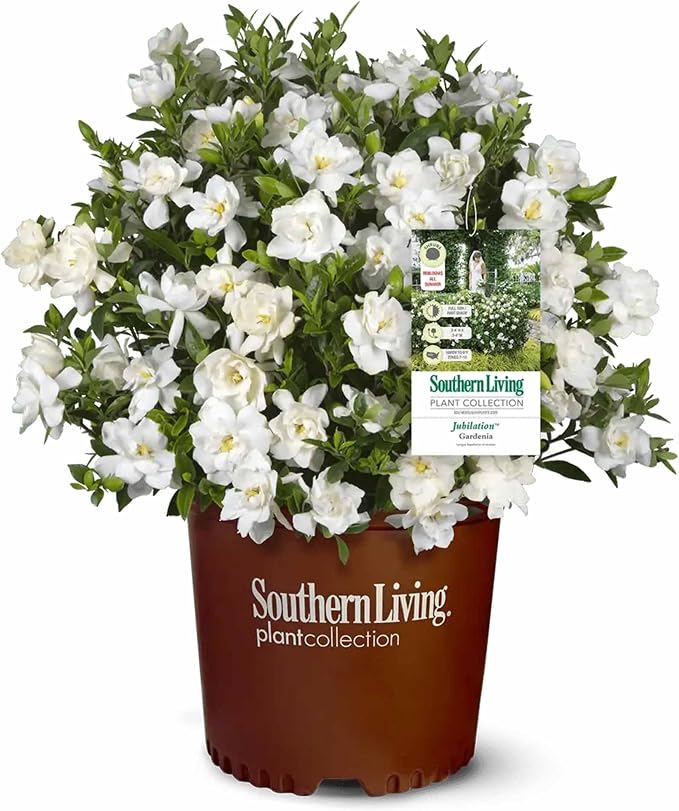
Southern Living Plant Collection’s Jubilation Gardenia Live Plant shines with its long blooming season and sweet fragrance, perfect for gardeners looking to add charm to partial sun spots. It suits those who want an evergreen shrub that stays neat and fragrant from spring through fall.
Setting it up requires choosing a spot with full sun and loam soil. Regular watering keeps it healthy, and its compact size, about 3 to 4 feet tall and wide, fits well in borders or containers.
The dark green leaves provide structure in the garden even when it’s not blooming, and it doesn’t require constant pruning thanks to its tidy growth habit.
It delivers fragrant white flowers consistently from late spring all the way through fall, making it stand out for an extended season. The shrub resists deer and disease, which reduces worry about damage. While it’s praised for its sweet scent and easy care, some note it only thrives well in USDA zones 7 to 10, limiting where it can be grown comfortably.
The fragrant blooms that last from late spring through fall receive the most praise from those who appreciate a lively garden all season. On the downside, not growing well outside of USDA zones 7 to 10 restricts its use in colder or more northern regions.
Anyone in a suitable climate who wants a neat, sweet-smelling shrub with consistent flowering will find this plant rewarding. Those living outside these zones or lacking full sun exposure would be better off exploring other gardenias or shrubs suited for different conditions.
Pros
- Long blooming season with fragrant white flowers
- Compact growth fits well in small gardens or containers
- Resistant to deer and common diseases
- Evergreen leaves provide year-round garden structure
Cons
- Requires full sun to bloom well
- Limited to USDA zones 7 through 10 for best results
| Specification | Details |
|---|---|
| Sunlight Exposure | Full Sun |
| Expected Blooming Period | Spring to Fall |
| USDA Hardiness Zone | 10, 7, 8, 9 |
| Soil Type | Loam Soil |
| Expected Plant Height | 1 feet |
| Moisture Needs | Regular Watering |
6. Purple Creeping Thyme Seeds

Growing a dense, fragrant ground cover that returns every year is something purple creeping thyme easily achieves. Perfect for anyone wanting a low-maintenance border or lawn alternative in spots with partial sun, it fills in garden paths or rock gardens with subtle purple flowers and fresh herb scent.
Setting it up involves sowing the 20,000 tiny seeds in well-draining, sandy or loamy soil during spring or fall. It doesn’t need much attention beyond occasional watering, thriving with low to moderate moisture. The way it spreads out to cover around 18 inches makes it handy for large spaces where you want weed suppression and a neat, green mat.
As a perennial, it reliably comes back each year, maintaining about 2 inches of height with delicate foliage and blooms from late spring through early fall. Its hardy nature fits zones 4 to 9 well. One of its best features is how it smells while also controlling weeds naturally.
Some find the tiny seeds tricky to plant evenly, especially on larger areas.
The fragrant, dense mat and natural weed suppression stand out as key benefits, while some struggle with spreading the tiny seeds evenly when planting larger areas. It thrives well in partial shade with minimal care.
People wanting a durable, low-growing, scented ground cover for garden borders or pathways will appreciate this plant. Those seeking taller or faster-spreading ground cover might look for different options.
Pros
- Fragrant foliage and delicate purple blooms
- Returns year after year as a perennial
- Helps naturally suppress weeds
- Low maintenance with low to moderate water needs
Cons
- Seeds can be hard to spread evenly
- Grows only up to 2 inches tall
| Specification | Details |
|---|---|
| Sunlight Exposure | Partial Shade |
| Expected Plant Height | 2 inches |
| Coverage | Extensive ground coverage, up to 18 inches per plant |
| Expected Blooming Period | Late Spring To Early Fall |
| Soil Type | Well-draining Sandy Or Loamy Soil |
| Moisture Needs | Low To Moderate |
7. Lavender Live Plants (2 Pack)

Lavender Live Plants (2 Pack) is a great pick for gardeners looking to add fragrant purple blooms that thrive in partial sun conditions. Suited for outdoor spaces with well-draining soil, it stands out for its soothing scent and ability to attract pollinators, making it a pleasant addition to any garden.
Planting requires choosing a sunny spot with good drainage and minimal water once the plants are settled. The compact size, about 12 inches tall and wide, fits well into smaller garden beds or patio containers.
Their classic lavender scent becomes noticeable during bloom, typically in late spring through summer, providing a calming sensory experience with little ongoing effort.
The plants perform reliably in zones 5-9, growing to around 18 inches high. They attract bees and butterflies while naturally deterring deer from the area.
Most praise highlights their strong fragrance and ease of care, though occasional complaints mention the need for full sun to maintain best health, limiting their use in shadier spots.
The strongest praise focuses on the lavender’s fragrance and its role in attracting pollinators while warding off deer naturally. The most frequent complaint revolves around the requirement for full sun exposure, without which the plant struggles to thrive.
Gardeners in zones 5-9 who can provide sunny, well-drained spots will appreciate these plants for their beauty and scent. Spaces with less sun or poor drainage might call for different plants suited to shade or wetter soil conditions.
Pros
- Strong, soothing lavender scent
- Compact growth habit fits limited spaces
- Attracts pollinators like bees and butterflies
- Naturally deters deer
Cons
- Requires full sun to flourish
- Needs well-draining soil to prevent root issues
| Specification | Details |
|---|---|
| Sunlight Exposure | Full Sun |
| Expected Plant Height | 18 inches |
| USDA Hardiness Zone | 5-9 |
| Moisture Needs | Low |
| Expected Blooming Period | Late Spring to Summer |
8. Oxalis Triangularis Bulbs

Distinctive purple leaves define Oxalis Triangularis Bulbs, perfect for indoor gardeners seeking a splash of color with minimal effort. Its ability to thrive in partial sun makes it especially suitable for homes with bright windows but no full direct sunlight.
Planting in sandy soil during fall results in steady growth through cooler months until spring blooms emerge. Daily care mainly involves ensuring the soil remains well-drained and moderately moist. Its adaptability means it doesn’t demand constant attention and fits well in indoor settings without harsh light, making it a low-maintenance addition.
Performance-wise, the bulbs produce vibrant foliage and delicate flowers consistently from fall to spring. Constructed as bulbs, they store enough energy to deliver blooms even in less-than-ideal light conditions. A noted plus is their long-lasting color and shape.
Common issues include sensitivity to overwatering and the need for well-draining soil to prevent rot.
These bulbs deliver vibrant foliage and flowers reliably over a long blooming period, especially when planted in fall. The biggest challenge lies in managing watering to avoid root issues caused by poor drainage or excess moisture.
Anyone looking for easy-care indoor plants that brighten low-light spaces will appreciate these bulbs. Those with limited time for meticulous watering or who lack sandy soil conditions might want to consider different plant options.
Pros
- Thrives indoors with partial sunlight
- Produces blooms from fall through spring
- Requires minimal daily care
- Distinctive purple foliage adds color
Cons
- Needs well-draining sandy soil to avoid rot
- Sensitivity to overwatering is common
| Specification | Details |
|---|---|
| Indoor Outdoor Usage | Indoor |
| Expected Blooming Period | Fall to Spring |
| Sunlight Exposure | Partial Sun |
| Expected Planting Period | Fall |
| Soil Type | Sandy Soil |
9. Podocarpus Maki Live Plant

Glossy, dense, and evergreen, this shrub fits well for anyone looking to add a tall privacy screen or a neat hedge to an outdoor space with partial sun. Its biggest strength lies in its hardy nature that keeps it looking good year-round with little fuss.
Planting it outdoors on well-draining loam soil in spring ensures a smooth start. It tolerates a range of light conditions from full sun to partial shade, and once it settles in, moderate watering is enough to keep it healthy. Low-maintenance care means less time spent worrying about pests or diseases.
Standing 8–10 feet tall and growing narrow at 3–4 feet wide makes it perfect for tight spots needing height. It handles drought and pollution well and keeps pests like deer and rabbits away. The toughest part might be the wait for full growth and noting it won’t ship to California or Arizona states.
The dense, dark green leaves stay attractive throughout the year with little care, making it easy to maintain. Shipping restrictions exclude residents from California and Arizona, which limits availability for some buyers.
People wanting a tall, narrow privacy hedge that lasts and copes well with sun and drought will find this a solid choice. Those looking for quick growth or living in restricted states should consider alternatives.
Pros
- Evergreen with glossy dark green foliage
- Drought-tolerant after establishment
- Deer and rabbit resistant
- Low maintenance and pest resistant
Cons
- Cannot be shipped to California or Arizona
- Takes time to reach mature size
| Specification | Details |
|---|---|
| Sunlight Exposure | Full Sun |
| Expected Plant Height | 1 feet |
| Soil Type | Loam Soil |
| Moisture Needs | Moderate Watering |
| USDA Hardiness Zone | 6, 7, 8, 9, 10 |
10. Frostproof Gardenia Live Plant

A frostproof gardenia is ideal for anyone wanting a fragrant, evergreen shrub that thrives in spots with partial sun. Its biggest strength lies in delivering beautiful white flowers and a delightful scent without needing constant full sun, making it a great fit for front yards or garden edges.
Setting it up is straightforward by planting it in mulch beds or along walkways where it can get both sun and shade during the day. The included plant food makes initial care easier, and ongoing maintenance stays simple since it’s deer resistant and handles outdoor conditions well.
Its moderate height fits nicely next to benches or mailboxes, enhancing welcoming outdoor spaces with minimal fuss.
Performance stands out in how reliably it blooms from spring to summer, producing white flowers with a strong, pleasant aroma. The shrub carries deep green spindle-shaped leaves that maintain good color through seasons. Most appreciate the fragrant blooms and easy care, but occasional concerns arise about its size reaching around five feet, which can be larger than expected for some small gardens.
The most praised feature is its intoxicating scent paired with attractive green foliage and seasonal blooms. The most common drawback is its full-grown height, which may be too large for some spaces expecting a smaller shrub.
Those who want an aromatic garden border or entryway planting with some sun exposure will appreciate this gardenia. People needing a small indoor plant or something that stays compact might want to consider other options.
Pros
- Fragrant white flowers during bloom season
- Deer resistant for outdoor gardens
- Thrives in full sun and partial shade
- Comes with easy-to-use plant food
Cons
- Can grow up to 5 feet tall
- Requires outdoor planting, not suitable for indoors
| Specification | Details |
|---|---|
| Indoor Outdoor Usage | Outdoor |
| Expected Blooming Period | Summer |
| Sunlight Exposure | Full Sun, Partial Shade |
| Expected Planting Period | Spring |
| Expected Plant Height | 5 feet |
| Special Features | Deer Resistant, Fragrant |
11. Partial Shade Wildflower Mix

Finding plants that thrive with partial sun and low maintenance can be tricky for a busy gardener or beginner. Partial Shade Wildflower Mix fits well in gardens that don’t get full sun but still need some color and life. Its biggest strength lies in its shade resistance, delivering vibrant blooms even in less sunny spots.
Planting starts easily with seeds kept fresh inside a resealable pouch that prevents moisture and air from causing early sprouting or mold. Seeds stay viable longer thanks to the packaging, so you can store some for next season as well.
Day-to-day care is simple since the mix requires low moisture, making it a good choice for gardeners who don’t want daily watering.
Wildflowers grow well through summer to fall, showing off a variety of colors and shapes, adding visual appeal to shaded areas. The seed mix is designed to resist shade, so these flowers hold up better than many other wildflower options.
Users often say the blooms are beautiful and long-lasting, though some mention that germination rates may vary depending on the local environment.
The resealable pouch keeps seeds fresh by protecting them from moisture and air, which supports better germination and longer shelf life. Buyers appreciate the vibrancy and shade resistance of the flowers, though germination success depends on the environment where you plant them.
Those seeking vibrant, easy-care flowers for partly shady outdoor spaces will find this mix helpful. Gardeners wanting guaranteed germination or indoor planting options should consider alternatives more suited to those specific needs.
Pros
- Seeds stored in resealable pouch ensure freshness
- Colorful blooms with various species mixed
- Resistant to shade in partial sun conditions
- Low moisture requirement simplifies care
Cons
- Germination rates may vary by local conditions
- Outdoor use only, not suitable for indoor planting
| Specification | Details |
|---|---|
| Sunlight Exposure | Partial Sun |
| Moisture Needs | Low |
| Expected Blooming Period | Summer to Fall |
| Shade Resistant | Yes |
| Indoor Outdoor Usage | Outdoor |
12. Shade Tolerant Wildflower Seeds

Containing 14,000 quality seeds, this wildflower mix suits gardens with limited sunlight. It excels at brightening shady spots with a variety of hardy, shade-tolerant blooms thanks to its carefully selected blend designed for partial sun areas.
Planting these seeds is straightforward since they are low maintenance and forgiving, making them suitable for anyone new to gardening. They work best in woodland borders, along tree lines, or areas with filtered sunlight.
Expect a slow but steady growth as the seeds settle into their shaded environment and begin to create colorful patches.
Designed for shade-loving wildflowers, it performs well by producing soft, natural blooms where many other flowers fail. It is freshly processed for the 2026 season, ensuring good germination rates and healthy plants. Most praise focuses on the vibrant sanctuary it creates for pollinators.
A notable downside is the slower growth pace compared to sun-loving plants, which requires patience.
Many appreciate how well the seeds thrive in low-light conditions creating a natural, colorful garden patch while attracting pollinators. The most common complaint is the slower pace of growth, requiring patience before full blooms appear.
Gardens with partial sun or shaded corners benefit most from these seeds, particularly for anyone wanting easy care. People seeking quick results or plants for full sun should consider other options instead.
Pros
- Large number of seeds for extensive coverage
- Specially selected for shade-tolerant areas
- Suitable for new gardeners
- Attracts bees and butterflies
Cons
- Growth is slower compared to sun-loving flowers
- Not suitable for full sun locations
| Specification | Details |
|---|---|
| Unit Count | 1 Ounce |
| Seed Quantity | 14,000 seeds |
| Plant Type | Shade-Tolerant Wildflowers |
| Season Packaged For | 2026 Season |
Best Plants for Partial Sun Comparison Table
| Product | Sunlight Exposure | Moisture Needs | Blooming Period | USDA Hardiness Zone |
|---|---|---|---|---|
| Hydrangea Flower Seeds | Partial Shade to Filtered Sun | Regular Watering | – | – |
| Creeping Thyme Seeds | Partial Shade | – | Late Spring to Early Fall | 4-9 |
| Shade Wildflower Mix | Partial Sun | Low | Summer to Fall | – |
| Bee Balm Seeds | Full Sun to Partial Sun | Regular Watering | – | – |
| Jubilation Gardenia Plant | Full Sun | – | Spring to Fall | 7,8,9,10 |
| Purple Thyme Seeds | Partial Shade | – | Late Spring to Early Fall | 4-9 |
| Lavender Plants 2-Pack | Full Sun | Low | Late Spring to Summer | 5-9 |
| Oxalis Triangularis Bulbs | Partial Sun | – | Fall to Spring | – |
| Podocarpus Maki Plant | Full Sun | – | Spring to Summer | 6,7,8,9,10 |
| Frostproof Gardenia Plant | Full Sun, Partial Shade | – | Summer | – |
| Partial Shade Wildflowers | Partial Sun | Low | Summer to Fall | – |
| Shade Tolerant Seeds | – | – | – | – |
- Sunlight ExposurePartial Shade to Filtered Sun
- Moisture NeedsRegular Watering
- Blooming Period–
- USDA Hardiness Zone–
- Sunlight ExposurePartial Shade
- Moisture Needs–
- Blooming PeriodLate Spring to Early Fall
- USDA Hardiness Zone4-9
- Sunlight ExposurePartial Sun
- Moisture NeedsLow
- Blooming PeriodSummer to Fall
- USDA Hardiness Zone–
- Sunlight ExposureFull Sun to Partial Sun
- Moisture NeedsRegular Watering
- Blooming Period–
- USDA Hardiness Zone–
- Sunlight ExposureFull Sun
- Moisture Needs–
- Blooming PeriodSpring to Fall
- USDA Hardiness Zone7,8,9,10
- Sunlight ExposurePartial Shade
- Moisture Needs–
- Blooming PeriodLate Spring to Early Fall
- USDA Hardiness Zone4-9
- Sunlight ExposureFull Sun
- Moisture NeedsLow
- Blooming PeriodLate Spring to Summer
- USDA Hardiness Zone5-9
- Sunlight ExposurePartial Sun
- Moisture Needs–
- Blooming PeriodFall to Spring
- USDA Hardiness Zone–
- Sunlight ExposureFull Sun
- Moisture Needs–
- Blooming PeriodSpring to Summer
- USDA Hardiness Zone6,7,8,9,10
- Sunlight ExposureFull Sun, Partial Shade
- Moisture Needs–
- Blooming PeriodSummer
- USDA Hardiness Zone–
- Sunlight ExposurePartial Sun
- Moisture NeedsLow
- Blooming PeriodSummer to Fall
- USDA Hardiness Zone–
- Sunlight Exposure–
- Moisture Needs–
- Blooming Period–
- USDA Hardiness Zone–
How to Choose the Right Partial Sun Plants
Consider factors like the amount of daily sunlight, soil type, and climate when selecting partial sun plants. Choosing varieties that match your specific conditions helps them thrive, reducing extra care and replacement costs and ensuring a healthier garden with less effort.
Light Requirements
In many homes, the window choice or outdoor location offers only a few hours of direct sunlight a day. Some plants will wilt or grow leggy if they receive too much afternoon sun, while others struggle without morning light.
Plants that prefer filtered or partial sun often have specific preferences around timing and intensity. For instance, many do better with gentle morning rays rather than harsh afternoon beams.
Pay attention to whether a plant thrives in 2-4 hours of direct sun or merely bright, indirect light. Plants with a good range of adaptability handle shifting shadows or cloud cover better, which is handy if your available sun varies by season. Morning versus afternoon sun preference plays a large role in how healthy the foliage and blooms stay; some species tolerate both, but others decline quickly without their favored light conditions.
Watering Needs
Some partial sun plants demand soil that remains consistently moist without becoming soggy, while others prefer a well-drained mix that dries out between watering. Overwatering can lead to root rot, especially in containers or heavy soil, while underwatering causes leaves to dry and drop.
Check the plant’s watering preferences against your routine, plants needing frequent moisture may not suit an infrequent watering habit. Climate also affects this; humid areas slow soil drying, while dry climates speed it up. Choosing a plant that matches your willingness to water can save frustration.
Look for those with moderate water needs if you want less daily attention and ensure potting soil provides good drainage to avoid standing water.
Growth Size and Space
Some partial sun plants stay compact, reaching just a foot or two in height and spread, while others grow several feet tall and wide. Knowing the mature size avoids surprises like crowding smaller plants or forcing frequent trimming to keep growth manageable.
Measure the space where the plant will live and compare with expected spread and height, including how far roots or branches will extend. For containers, select pots at least 2-3 inches wider in diameter than the root ball to allow healthy growth. Crowded plants can suffer from poor air circulation, increasing disease risk, so space management matters for overall health.
Maintenance and Care
Maintenance varies widely; some partial sun plants need regular pruning to remove dead or overgrown branches, while others mostly thrive with little fuss. Plants prone to pests like aphids or spider mites may require more frequent inspection and treatment, especially in shaded, humid conditions.
Consider your gardening experience. Less demanding plants tolerate occasional neglect without quickly declining, which fits consistent but not daily care. More high-maintenance varieties reward regular grooming but can be unforgiving if attention lapses.
Learning the common pests and diseases in your environment can guide your plant choices and preparation.
Climate and Hardiness
Climate influences how well a plant grows in partial sun. Some tolerate temperature swings and handle humidity changes well, while others prefer stable, mild environments. Knowing your USDA hardiness zone or local climate classifications helps narrow suitable options.
Certain plants can survive outdoors year-round if your area stays within their temperature range. Others may require bringing indoors or additional protection during cold months. This also affects whether the plant will rebloom or remain evergreen or go dormant.
Factoring in seasonal climate patterns ensures the plant remains vigorous through the year.
Optimal Watering and Soil Conditions for Partial Sun Plants
Partial sun plants typically need well-draining soil that retains some moisture but doesn’t stay soggy. Overly wet conditions can cause root rot, especially in shaded spots where evaporation is slower. A soil mix with organic matter like compost helps maintain the right balance by improving drainage and nutrient retention. Watering schedules will vary depending on your climate and the time of year, but these plants generally benefit from consistent moisture rather than being allowed to dry out completely between waterings.
Observing the soil surface for dryness a couple of inches below will guide you on when to water next. Mulching around the base of the plant can also regulate soil temperature and moisture levels.
Plants in partial sun often require less frequent watering than those in full sun, but they still need enough water to support healthy growth without encouraging fungal issues.
Common Mistakes to Avoid When Growing Plants in Partial Sun
One common mistake with partial sun plants is placing them in spots that receive too much direct sunlight during the hottest part of the day. This can lead to leaf scorch and stress the plant. On the other hand, putting them in too much shade can stunt growth and prevent flowering. Another frequent error is inconsistent watering; these plants don’t tolerate being waterlogged or bone dry for extended periods.
Skipping soil preparation is also a problem, plants suffer in compacted or nutrient-poor soil. Repotting without adjusting soil or watering can worsen these issues.
Over-fertilizing is another mistake that can cause excessive foliage at the expense of flowers. Observing your plants and adjusting their care based on changes in sun exposure and moisture level often resolves many growth problems.
Comparing Partial Sun Plants with Full Sun and Shade-Tolerant Varieties
Partial sun plants differ considerably from their full sun and shade-tolerant counterparts in terms of light requirements and maintenance. Full sun plants usually require at least six hours of direct sunlight daily and often need more frequent watering. They tend to be more heat and drought-tolerant but may suffer leaf burn if placed in too much shade.
Shade-tolerant plants thrive in low-light conditions that would be insufficient for partial sun varieties, but they usually grow slower and produce fewer flowers. Partial sun plants are best suited to locations where they get around three to six hours of sunlight, usually in the morning or late afternoon. This intermediacy means they often require more precise care to balance light, water, and soil conditions.
Understanding these differences helps gardeners select plants that will perform well in specific parts of the yard or garden.
People Also Asked
How Much Sunlight Do Partial Sun Plants Need Daily?
Partial sun plants typically need about 3 to 6 hours of sunlight each day. Placing them in a spot that gets morning sun and afternoon shade usually works well because the light is less intense later in the day.
What Is the Ideal Pot Size for Partial Sun Plants?
A pot that’s 1 to 2 inches larger in diameter than the plant’s root ball is usually ideal for partial sun plants. This size gives roots room to grow without holding too much water, which can cause root rot.
Are Partial Sun Plants Safe Around Pets and Children?
Many partial sun plants are safe around pets and children, but some, like certain philodendrons, can be toxic if ingested. It’s best to check the specific plant type and keep potentially harmful ones out of reach.
How Often Should I Water Plants Grown in Partial Sun?
Water partial sun plants when the top inch of soil feels dry to the touch. Avoid overwatering by ensuring the pot has drainage holes so excess water can escape.
What Common Pests Affect Plants in Partial Sun Conditions?
Common pests for partial sun plants include aphids, spider mites, and whiteflies. Keeping plants clean and monitoring leaves regularly can help catch infestations early.
Conclusion
Choosing plants for partial sun depends mainly on the amount of light your space receives, how much care you can provide, and what look you want in your garden or home. Some plants handle more shade, while others need a few hours of direct sunlight to thrive. Consider how often you can water and tend to your plants since that affects their health and growth.
Think about where you plan to place your plants and pick varieties that fit that environment and your routine. It’s better to choose something you can maintain regularly than a plant that will struggle.
Check the comparison table and the detailed picks above to find the best match for your light conditions and care schedule.

I’m Jake Thompson, and I’ve spent over a decade working on lawn mowers, from small push mowers to big riding tractors. I write about starting problems, blade sharpening, carburetor cleaning, oil changes, and seasonal maintenance. My goal is to give you clear, step-by-step advice so you can handle common mower issues yourself and keep your lawn looking sharp all season.